How Do Turn-Signal-Activated Lane-Change Systems Decide?
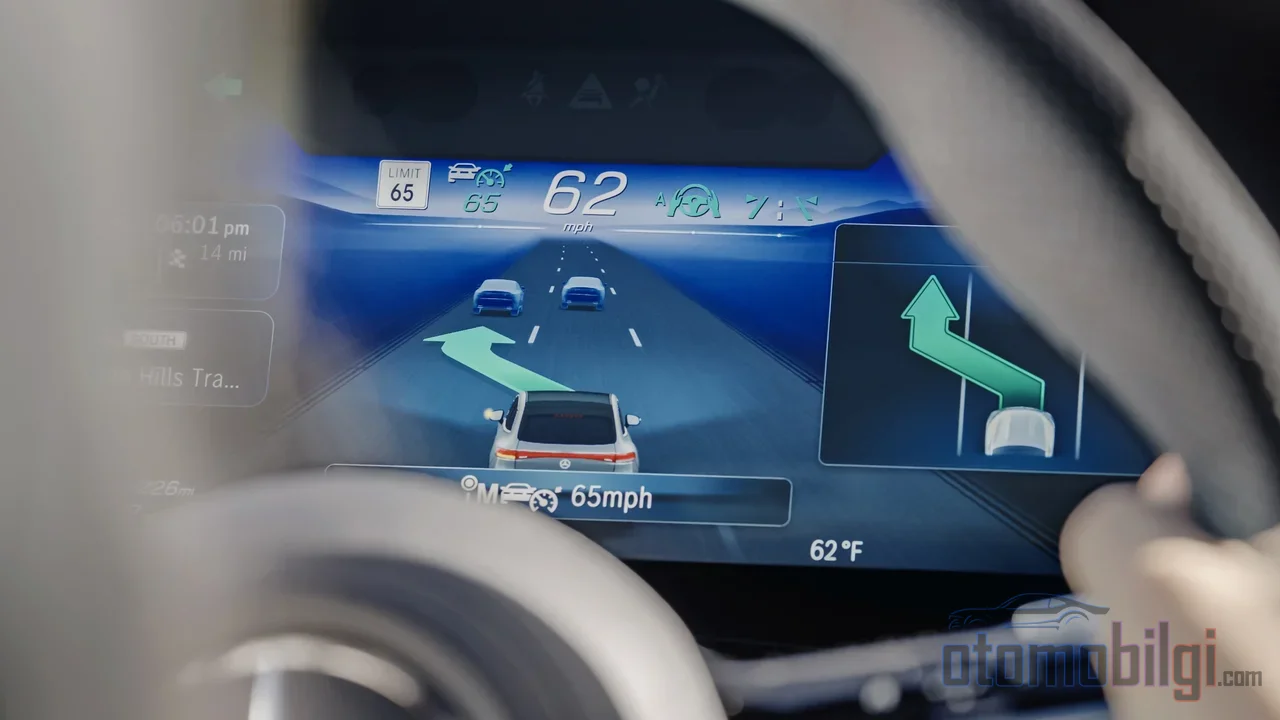
You pushed the turn signal stalk down, and the car is steering itself into the adjacent lane... but inside, the final seconds of a duel are actually unfolding: radars, cameras and dozens of control units are seeking an answer to the question "is that lane really clear?" within milliseconds. But what if the answer comes back as no? The decision-making process of automatic lane-changing systems is far more fascinating than you might think - and we will finally get to that critical question: how does an automatic lane-changing system make its decision, and during that process, how much say do you have as the driver?
Signal Given, Now What's Happening? The First Seconds of the Decision Chain
The moment you flash the signal, multiple ECUs, i.e. electronic control units, in the vehicle spring into action simultaneously. You can think of it like a teacher's checklist before a school trip: each one asks its own question, and nobody goes on the trip until all of them say "yes." The shared question here is single and clear: is this maneuver safe?
The most important link in this chain is the blind spot warning. Radar sensors hidden in the corners of the rear bumper continuously scan the adjacent lanes. The system's typical decision logic is something like this: if a vehicle is detected, if the lateral distance has dropped below approximately 3.5 meters, if that vehicle is coming noticeably faster than you, and if the time to collision is under 2.5 seconds, the alarm goes off. This last measurement is called TTC, or time to collision - the technical version of the question "how many seconds until we crash?"
If conditions turn out to be dangerous, a mechanism called "intent suppression" comes into play: the lane-changing assistant is delayed or blocked entirely. So even if you have signaled, the car can essentially say "wait a second, there's someone there."
Key Highlights
- The blind spot radar typically operates with a 3.5-meter distance limit and a 2.5-second time-to-collision threshold
- If the blind spot is occupied, the lane-changing assistant is suppressed or delayed
- If the driver persistently turns the steering wheel, the system allows it but keeps the warning active and records the maneuver
- These systems are at SAE Level 2; the driver is responsible at all times
- Blind spot monitoring is effective at reducing lane-change crashes reported to the police
Radar or Camera? How Do the System's Eyes Work?
In blind spot monitoring, the leading role usually belongs to the rear corner radar. This radar can estimate both the distance and the relative speed of the oncoming vehicle - meaning it doesn't just say "there's something there," it also answers the question "is that thing approaching us, and is it fast?" Most automotive radars operate in the 77 GHz band, and here's the beautiful part: they work more reliably than cameras in fog, rain and snow.
Cameras can serve as the radar's assistant; in some architectures, side and rear cameras become the primary data source. The radar's monitoring area extends along the neighboring lanes, and the length of this area, and even the minimum speed at which the system starts operating, varies from brand to brand. When danger is detected, the warning in the mirror can flash repeatedly, accompanied by an audible alert and even steering wheel vibration.
What Does the System Do If the Blind Spot Is Occupied?
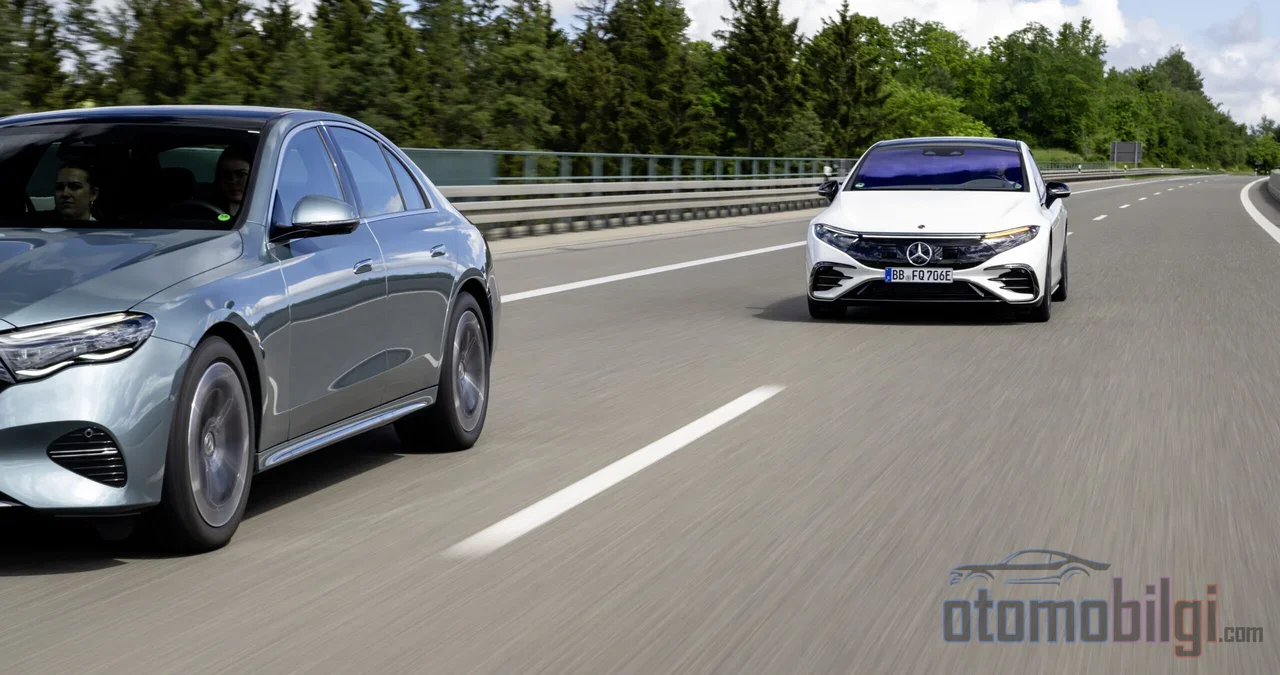
Suppose there is a vehicle in your blind spot and you signal anyway. The system takes it up another level: a rapid warning sound, a flashing visual alert, and steering wheel vibration in some vehicles. But the real question is this - can it prevent the maneuver?
At Level 2 automation, the answer is no: the final say is always yours. If you persistently turn the wheel, the system allows the maneuver, but it does not watch silently - it maintains the warning, records the driver input, and flags it. The vehicle remembers it, it stays in its memory.
Some vehicles go one step further. A second layer called blind spot intervention can automatically apply light braking if you ignore the warning and start changing lanes anyway. Some systems try to steer the vehicle back into its own lane using braking force distributed to the wheels or corrective steering support. So warning and intervention are separate things: the warning gives you information, while the intervention adds steering resistance, corrective steering, or braking.
And these systems being effective is not an empty promise: blind spot monitoring systems have been shown to be effective in preventing lane change accidents reported to the police, regardless of severity level. So this is serious technology - but like every technology, it has its limits.
The Level 2 Reality: This Car Is Not Driving For You
Now let's get to the most critical point, because this is where people often get confused. Automatic lane changing falls within the Level 2 framework in the SAE classification, meaning partial driver automation. The vehicle can control both steering and speed at the same time, yes - but the person behind the wheel is obligated to supervise and bear all responsibility. At every level from 0 to 2, the driver must be engaged even while the vehicle is active. What we call full autonomy only begins at Level 4-5, and this feature is very, very far away. In recent years, a concept called "L2+" has also been circulating; the name sounds appealing, but it is still on the lower rungs of the ladder between 0 and 5.
The matter of touching the steering wheel is also a detail that should not be overlooked: when automation is active, if the driver suddenly intervenes in the steering, the system reacts instantly, and this interaction may not always be smooth. So much so that in one case study, when the driver touched the steering wheel, the vehicle unexpectedly swerved to the left, toward the barrier. Tesla's Model 3 manual clearly states the following: you must be ready to turn the steering wheel manually and change lanes at any moment. In short, even while the system is operating, your palm should be near the wheel and your attention on the road.
Every Brand Is Different: Why You Must Absolutely Read the Owner's Manual?
Using the automatic lane changing feature of two different brands is like picking up the controllers of two different games: similar buttons, different rules. Hyundai and Kia's HDA2 system adds signal-triggered automatic lane changes on top of lane centering and adaptive cruise control, while Tesla's lane keeping assistant is described as true lane centering, locking the car to the exact middle of the lane. Toyota's system can sometimes lag in curves, sometimes react too early. Some systems become ready to intervene at speeds of about 60 km/h and above and when lane lines are clearly detected.
That's why there is one single piece of advice, and it should be written at the beginning of every article, not at the end: read your own vehicle's owner's manual. Package names like "blind spot assistant" sometimes cover only the warning, sometimes the warning plus intervention - you can only learn which one your car does from the manual. Moreover, these packages activate at different speed thresholds and under different conditions.
The System's Blind Spot: Where and Why Does It Fail?
The system itself has blind spots too - we love that irony. Renault's owner's manual is one of the clearest sources in the category: in adverse weather conditions such as rain and snow, with stationary objects, pedestrians and cyclists, the system does not work; it may struggle on sharp curves and in open areas. The detection range is set according to standard lane width - on a narrow lane it may give an early warning for a more distant vehicle, while on a wide lane it may completely miss a vehicle right in your blind spot.
Timing is not always perfect either. When two vehicles approach side by side very quickly, the warning may come too late; when you are passing a truck, the warning may cut off before your maneuver is complete. If the bumper is dirty or covered with snow, the radar's performance drops, and even the radar calibration can be thrown off after an accident. Another real problem reported by drivers in the field is the lane assistant mistaking puddle lines for lane markings in the rain.
Perhaps the eye-opening sentence is this: if the warning light in the mirror is not on, that does not prove the lane is clear. Motorcycles, bicycles, oncoming vehicles approaching at lightning speed and complex intersections are challenging targets for these systems. Checking the mirror, shoulder check and signaling remain indispensable parts of a safe lane change.
So, In Summary: When I Signal, Is My Car Making the Decision for Me?
The answer is clear: no. When you signal, the system verifies the vehicles beside and behind you with radar and cameras; if there is a danger in the blind spot, it delays or suppresses the maneuver, and even tries to protect you with gentle braking if necessary. But due to the Level 2 limit, the final decision is always yours - if you turn the steering wheel, the system allows it, only warning and logging. The car is your assistant, not your decision maker; the real pilot in the seat is still you. Isn't that the safest way to sit in the seat, in your opinion too?
Sources
- Blind Spot Warning vs. Lane Change Command - Can Your Car Say "No"?
- Lane change assist - Owner's Manual
- Blind-Spot Monitoring
- Automotive Blind Spot Radar
- Driver Assistance Technologies
- Intelligent Lane Intervention (LI)
- Autosteer - Model 3 Owner's Manual
- Effects of blind spot monitoring systems on police-reported lane-change crashes
- Levels of Automation
- Understanding L2+ in Five Questions