How Much Fuel Does the MG ZS Hybrid+ Really Use in the City?
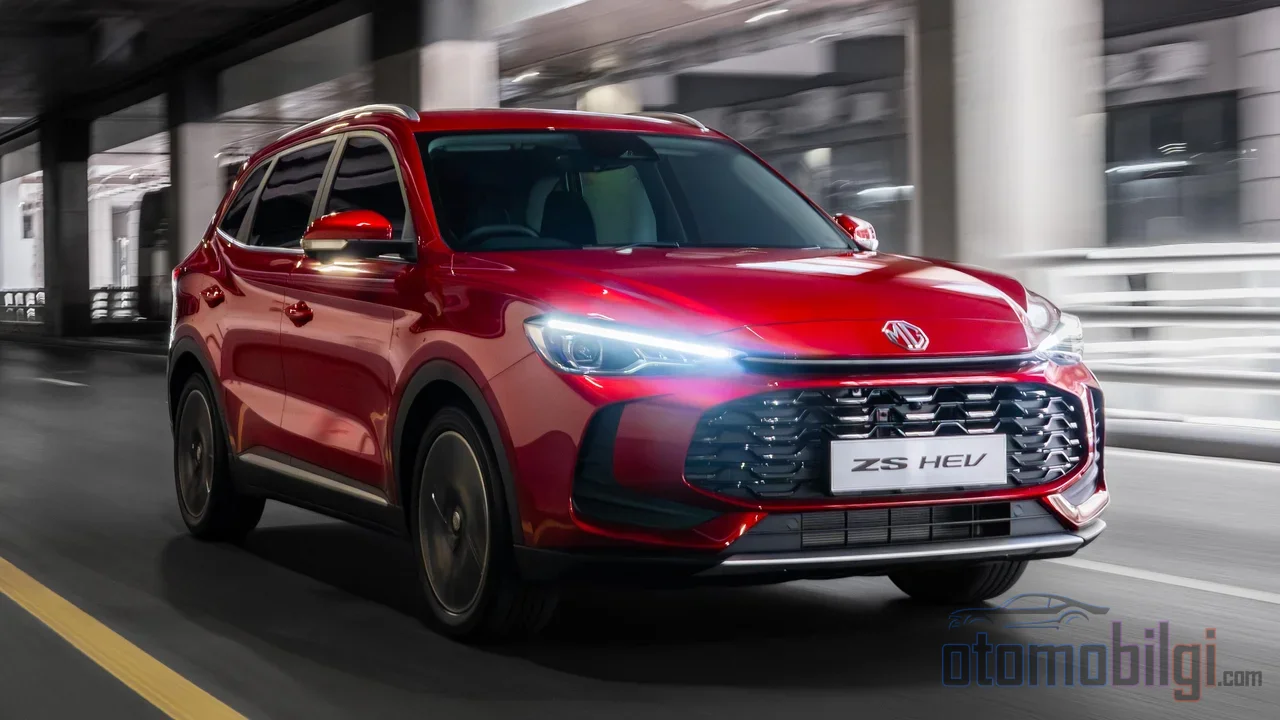
You are looking at the catalog: 5.1 liters. You are watching the commercial: 197 PS, 8.7 seconds, hybrid. The MG ZS Hybrid+ is trying to tell both of these stories at once, and for the smart buyer the real question is: what value does this machine actually show on the fuel gauge while waiting in morning stop-and-go traffic? The consumption character behind performance-driven marketing needs to be laid on the table using measurable data.
In this article, the MG ZS Hybrid+ will be covered as the single configuration in Turkiye's new car market: the gasoline versions have been dropped from the list, and only the Hybrid+ with a single trim level, Luxury, remains at hand. So you no longer need to choose between gasoline and hybrid to make a comparison; the only thing you need to do is understand what the hybrid actually does in the city.
Highlights
- With the 1.5-liter gasoline engine (102 PS) + electric motor (136 PS), total system power is 197 PS
- WLTP combined consumption 5.1 L/100 km; battery is 1.83 kWh, no charging required
- Independent city measurements come in at 4.2-4.5 L/100 km; user reports are around ~5.5 L
- Cargo capacity is 443 L, rising to 1,457 L with the rear seats folded
- Warranty: 5 years / 150,000 km
How the Hybrid System Works: Where the Series Meets Electricity
The ZS Hybrid+ is a full hybrid system, meaning it does not plug in. At its heart is a naturally aspirated gasoline engine with a displacement of 1,498 cc: 102 PS of power, 128 Nm of torque. The electric motor accompanying it produces 100 kW (136 PS) of power and 250 Nm of torque. Together they deliver 197 PS of system power; that is a serious figure for a B-segment SUV. In the drivetrain, a 3-speed hybrid transmission does the job, with front-wheel drive.
The energy source for the electric side is a 1.83 kWh battery. That capacity is somewhat generous compared to conventional full hybrids; this is also the point emphasized in MG's presentation. Thanks to the larger battery, the system can switch to electric mode not only during maneuvers and congested traffic, but also at higher speeds. The three-speed transmission aims to keep the transitions between the engine and the electric motor smooth across different driving regimes.
Regenerative braking, that is, recovering energy back into the battery while slowing down, is the fundamental reason the system shines in the city. In every stop-and-go cycle, part of the braking energy is stored instead of being lost, and on the next launch the electric motor starts shouldering the gasoline engine. The denser the traffic, the more often this cycle repeats - and that is exactly the hybrid's favorite environment.
What Does City Consumption Actually Burn?
The official WLTP combined figure is 5.1 L/100 km. But this alone does not tell the city story; breaking down the phases of the WLTP cycle helps. In the medium (middle phase), consumption drops to as low as 2.3 L/100 km, with CO2 emissions of 50 g/km in that phase. In the extra-high speed phase, the figure rises to 6.4 L/100 km and emissions to 111 g/km. So the catalog figure comes from an average weighted toward low, city-like speeds.
Real-world data confirms this picture, but within a bandwidth. An independent review reports that 4.2–4.5 L/100 km was measured in heavy urban use - even below the catalog figure. The average of user reports is around ~5.5 L/100 km for city-weighted use. Under more demanding conditions - hilly terrain, aggressive throttle - figures approaching 7 liters have also been reported; still, this is considered a reasonable range for a vehicle of this size. For hybrid models, the 5–8 L/100 km band can generally be considered a realistic frame.
There is one distinction to be aware of: the reported 9–11 liters city and 6.5–8 liters highway figures for the gasoline 1.5 VTi are numbers that have nothing to do with this model's hybrid. Confusing the consumption of the two versions means not doing justice to the ZS Hybrid+.
How Does This Reflect on Your Wallet?
A concrete scenario: a driver covering 15,000 km a year, at an average of 5.5 L/100 km and a fuel price of roughly 65 TL per liter, faces an annual fuel cost of about 53,600 TL. The difference compared to a gasoline equivalent doing the same distance at 8.5 L/100 km is about 29,000 TL a year. You don't shoulder a hybrid premium because this is the only version anyway; meaning the difference goes straight into your budget.
How Does the Engine Kick In on the Highway?
The real test of hybrids comes on the highway. In the city, where the system works mostly on electricity, at a constant 110–130 km/h it enters a region where the electric motor is inefficient and the gasoline engine takes on more of the load. The WLTP phase values show this predictably: in the extra-high speed phase, consumption climbs to 6.4 L/100 km. User reports also indicate that the figure rises somewhat at high speeds on long journeys.
This is not a flaw, it's physics. An electric motor's torque explodes at low revs; a gasoline engine is efficient at constant high speeds. The job of the 3-speed transmission is to keep the engine in the right rev range and make this transition smooth. Smooth transitions between drive modes are a design goal; the system decides which source to use without any jolt the passengers would notice. So what pushes the figure up on the highway is not a faulty system, but the inevitable price of aerodynamic and mechanical resistance at high speed.
Technical Specifications: ZS Hybrid+ on Paper
| Feature | Value |
|---|---|
| Gasoline engine | 1,498 cc naturally aspirated, 102 PS / 128 Nm |
| Electric motor | 100 kW (136 PS) / 250 Nm |
| Total system power | 197 PS |
| Transmission | 3-speed hybrid, front-wheel drive |
| Battery | 1.83 kWh (requires no charging) |
| 0–100 km/h | 8.7 seconds |
| Top speed | 168 km/h |
| WLTP combined consumption | 5.1 L/100 km |
| Fuel tank | 41 L |
The 1,498 cc displacement also works in your favor on the tax side: It falls in the 1301-1600 cc band for MTV, and for a 1-3 year old vehicle in 2026 the amount for this band is 12,028 TL. On the equipment side, since there is a single trim level (Luxury), there is no decision burden when choosing.
Interior and Cargo: The Family B-SUV
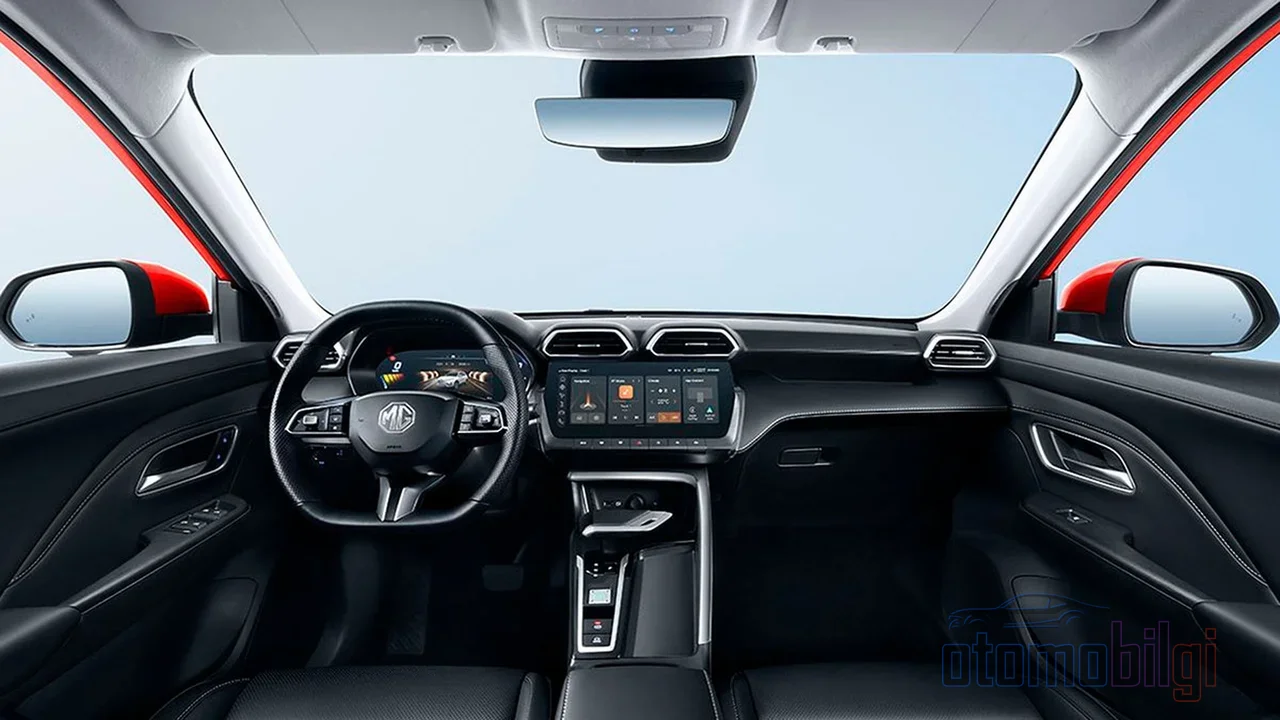
Length is just over 4.43 meters, width is 1,818 mm, wheelbase is 2,606 mm. The wheelbase sits in the wider part of this class, and this is exactly the point where user satisfaction stands out in terms of interior spaciousness. The rear seats fold in a 40:60 split; with 443 L, the trunk is considered generous for B-segment SUVs, and when the seats are folded it opens up to 1,457 L. The beige interior option also brightens up the cabin's ambiance.
Equipment Level: What Do You Get with the Single Package?
- 12.3" digital gauge cluster + 12.3" touchscreen, a fast but not wireless CarPlay/Android Auto connection
- 360° camera, rear cross-traffic alert
- Vegan leather seats, heated front seats and heated steering wheel, 6-way power driver's seat
- MG Pilot package: adaptive cruise control, automatic emergency braking, lane keeping, blind spot warning
- 18" wheels, keyless entry, power heated side mirrors, 6 speakers
The power-opening panoramic glass roof remains optional. At this level, the equipment/price balance is among the model's most praised aspects; in user reviews, the comfortable suspension and 360 camera also frequently stand out.
Where Does It Stand Against Its Rivals?
In the ZS Hybrid+'s segment, its direct rivals paint the following picture in terms of power and consumption:
| Model | Power | Consumption (L/100 km) |
|---|---|---|
| MG ZS Hybrid+ | 197 PS | 5.1 |
| Toyota Corolla Cross Hybrid 1.8 | 140 PS | ~4.5-5 |
| Honda HR-V e:HEV 1.5 | 131 PS | ~5-5.5 |
| Opel Grandland 1.2 Hybrid | 136 PS | ~5.5-6 |
On Toyota's side, reliability and second-hand value stand out; on Honda's, system refinement, while the ZS Hybrid+'s distinguishing strength is offering the same equipment and power level at a lower price. The Opel Grandland's 1.2 is a mild hybrid, meaning it offers none of the full hybrid's city driving advantages; this distinction is critical when making the comparison. The Toyota C-HR 1.8 hybrid at ~4.9 L and the Renault Captur hybrid at ~4.7 L are pointed out for those focused on consumption. The ZS Hybrid+'s raw power is the highest on this list: against its 197 PS, most rivals are in the 140 PS range.
Marketing Figure or Reality? Conclusion
Let's now give the clear answer to the question: The MG ZS Hybrid+ burns roughly 4.5-5.5 L/100 km in real-world city use; the 5.1 liters in the catalog sits right in the middle of this range and is not marketing inflation, but an achievable average. In heavy stop-and-go traffic, the figures can even drop below the catalog value; on hilly terrain and with aggressive driving it can climb to 7 liters, and exceeding 6 liters on the highway is normal due to physics.
This picture has not a cost but a benefit as well: roughly 29,000 TL in savings compared to a gasoline equivalent at 15,000 km per year, 197 PS of performance, a 443-liter trunk, and a rich safety package offered in a single trim level. When it comes to perceived reliability, service and parts availability, and resale value, the picture is more cautious compared to its rivals; in smaller cities, spare part waiting times can be longer. But if the question is fuel - which was the question of this page - the MG ZS Hybrid+ is a hybrid that keeps its promise in the city more than amply.
Sources
- MG ZS Hybrid+ | Fuel-Saving Hybrid+ SUV
- Should You Buy the MG ZS? Gasoline and Hybrid Prices and Issues 2026
- This time it really makes sense: 2026 MG ZS Hybrid+ Luxury review
- MG ZS Hybrid+ Türkiye Price: 197 PS, 5.1 L Consumption
- MG ZS Hybrid+ Technical Specifications
- Best Hybrid Cars in Türkiye 2026