MG3 Hybrid+: The Economical Full Hybrid of the B Segment
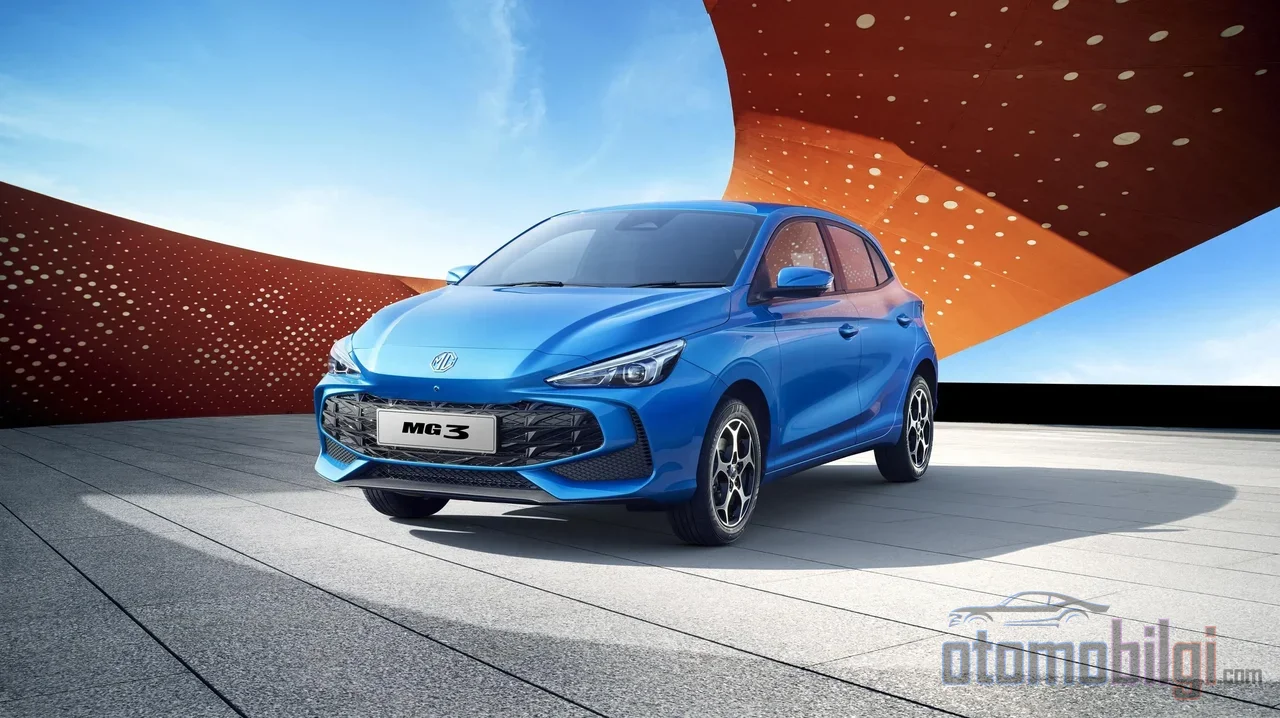
When it comes to full hybrids in the B segment, two names come to mind first: Toyota Yaris Hybrid and Renault Clio E-Tech. Both come with proven systems, low consumption figures and a solid customer base. The MG3 Hybrid+ enters this picture with a different logic: instead of reducing consumption as much as possible, it takes the segment's usual power scale one step up. The result is a B-segment hatchback producing 194 PS of system power and 425 Nm of torque, accelerating from 0-100 km/h in under 8 seconds, while keeping WLTP combined consumption at 4.4 L/100 km. The rest of this equation is the subject of this page.
Full Hybrid Architecture: 1.5 Naturally Aspirated Engine and 100 kW Electric Motor
The MG3 Hybrid+ is the most distinctive version of the third-generation MG3 introduced at the 2024 Geneva International Motor Show. The system consists of two main components: a 1.5-liter gasoline engine with a displacement of 1,498 cc, 16 valves, naturally aspirated and port fuel injection; and a permanent magnet synchronous type electric motor with 100 kW (136 PS) of power. While the gasoline unit alone produces 102 PS (75 kW) of power and 128 Nm of torque, the electric motor kicks in with a torque value reaching 250 Nm. The combined system output is 194 PS (143 kW) and 425 Nm.
Two figures are enough to establish what these numbers mean within the segment: Toyota Yaris Hybrid offers 115 PS, Clio E-Tech 140 PS centered systems. So the MG3 Hybrid+ sets off with a combined output that is significantly higher than most B-segment hybrids in daily use. Its 0-100 km/h acceleration is 8 seconds, top speed is 170 km/h. For readers less interested in numbers, the following translation can be made: in intercity overtaking and on ramps, the electric motor's instantly delivered torque combines with the naturally aspirated gasoline engine climbing through the rev range.
Transmission and Battery
The powertrain uses a 3-speed automatic hybrid transmission with front-wheel drive. Choosing a stepped structure instead of a classic CVT is intended to offer a more natural usage rather than the gasoline engine's rev sound stretching into a single note. On the battery side, there is a unit with nickel manganese cobalt (NCM) chemistry and a nominal capacity of 1.83 kWh; its usable capacity is 0.92 kWh. The capacity may seem small, but this is not a plug-in: the battery is continuously charged through regenerative braking and the gasoline engine, requiring no external charging.
Highlights
- System power 194 PS (143 kW), system torque 425 Nm
- WLTP combined consumption 4.4 L/100 km, CO2 100 g/km
- 0-100 km/h in 8.0 seconds, top speed 170 km/h
- Trunk volume 293 liters with seats upright, 983 liters with seats folded
- 7-year / 80,000-mile transferable warranty
MG3 Hybrid+ Consumption Character: Electric in the City, Hybrid on the Road
In a full-hybrid B segment, consumption behavior depends on how the two motors share the work. In the MG3 Hybrid+, the 100 kW electric motor can carry the vehicle largely on its own in stop-and-go traffic; the 1.83 kWh battery opens frequent full-electric usage windows depending on the rhythm of the route. The WLTP combined figure of 4.4 L/100 km and the 36-liter tank are the official counterpart of this profile.
In real-world use, the picture gets more colorful. Owner reports and independent tests show that in the city in eco mode it drops below 4 L/100 km, and in slow city driving values close to 60 mpg (about 4.7 L/100 km) are seen. In highway-heavy use, the average is measured at around 50.5 mpg (about 5.6 L/100 km); at constant high speeds the advantage of the hybrid system shrinks, because most of the load stays on the gasoline engine. An interesting detail: some owners report getting better consumption on the highway rather than in the city. The most likely explanation is that driving profile and regeneration opportunities are not distributed the same way for every user.
The effect of usage conditions is also decisive. With air conditioning or heating off, the consumption penalty remains minimal; when the climate control runs at full capacity, consumption increases noticeably and the electric-driving windows narrow. This is physics that applies to all full hybrids with small batteries; what makes the MG3 different is that despite this cost it still keeps 194 PS of system power on the table.
Cabin and Trunk Practicality
The exterior dimensions carry B-segment measurements: length 4,113 mm, width 1,797 mm with mirrors, height 1,502 mm and wheelbase 2,570 mm. This wheelbase value sits near the upper half of the class; it reflects directly on interior spaciousness.
The trunk, with seats upright and measured by the VDA method, is 293 liters; with the seats folded it rises to 983 liters. The comparison is clear: against the Toyota Yaris Hybrid's 286 liters, the MG3 Hybrid+ is slightly ahead and competitive with the Clio E-Tech. Unlike some rivals where the hybrid battery noticeably eats into trunk volume, practicality has been preserved. Kerb weight ranges from 1,298-1,308 kg depending on equipment; the turning circle is 10.5 m. With a towing capacity of 500 kg braked and unbraked, it draws a city-focused profile with no commercial ambitions.
Equipment and Technology Levels
MG continues its strategy of keeping the equipment list generous in the MG3 as well. Two main equipment levels are offered: SE and Trophy. Even the entry-level SE comes with a complete technology package:
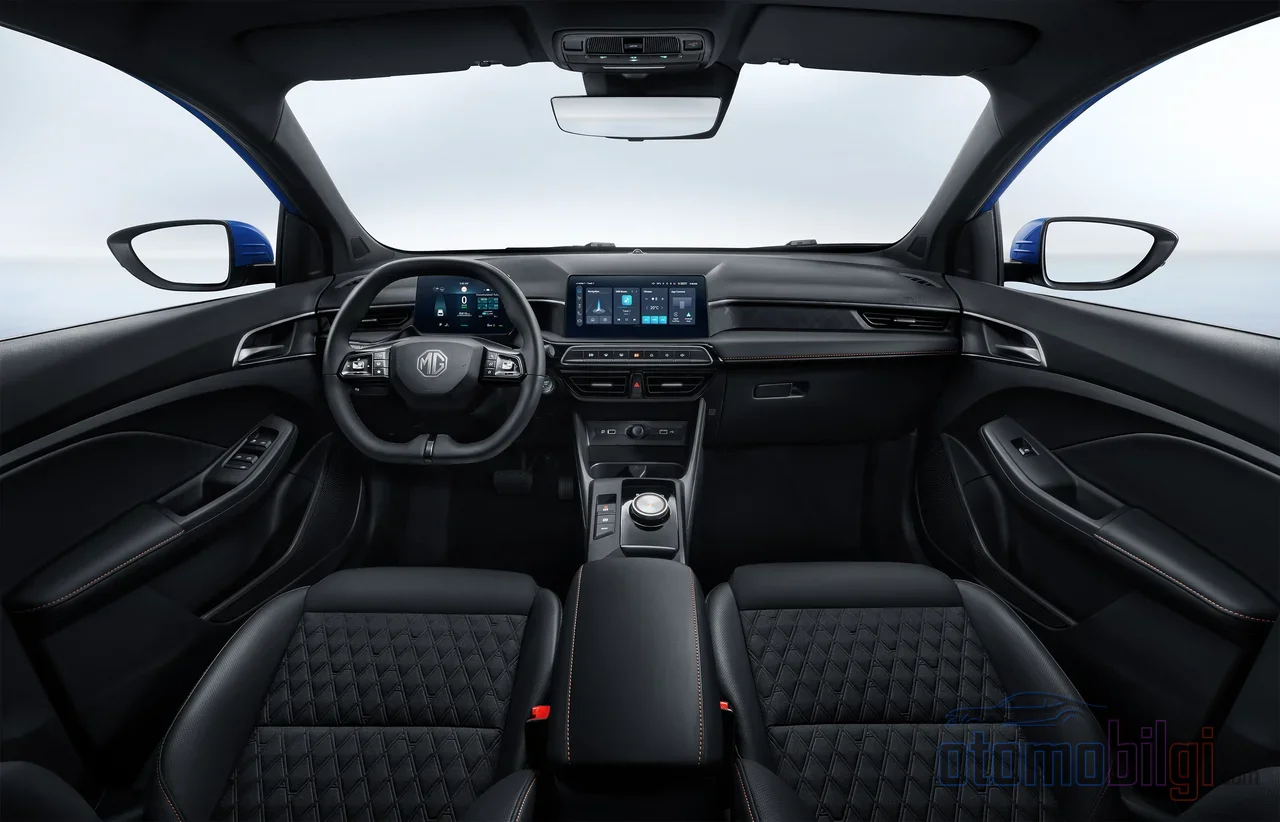
- 10.25-inch central touchscreen: Apple CarPlay, Android Auto, DAB+, satellite navigation and speed limit recognition
- 7-inch HD digital instrument panel
- MG iSMART app: remote locking, vehicle location and status, pre-start climate control, Wi-Fi hotspot
- MG Pilot driver assistance package: Adaptive Cruise Control, AEB (with pedestrian and cyclist detection), lane keeping assist, traffic jam assist, driver attention warning
- Automatic climate control, electric parking brake with Auto-Hold, six-speaker audio system, four USB ports, 16-inch alloy wheels
The Trophy level adds to these a 360-degree camera, LED projection headlights, leather-look upholstery, heated front seats and steering wheel, keyless entry, rear privacy glass, blind spot detection and rear cross-traffic alert. Three driving modes - Eco, Normal and Sport - and three separate energy regeneration levels are also left to the driver's preference. This density of equipment is one of MG's strongest cards when compared with the entry versions of the Yaris and Clio.
What Sets It Apart From Its Rivals
Its position in the B-segment hybrid market can be defined along three axes:
- Power: With 194 PS of system output, it is clearly above the Yaris Hybrid (115 PS) and the Clio E-Tech (140-145 PS). It offers one of the most powerful full-hybrid outputs in its class.
- Equipment/price balance: The standard equipment list gathers at entry level items that most rivals reserve for higher trims (large touchscreen, full driver assistance package, app connectivity).
- Practicality: With its 293-liter boot it surpasses the Yaris Hybrid and is on par with the Clio E-Tech.
There is also an honest picture on the other side. The Yaris Hybrid carries Toyota's hybrid maturity and reliability record behind it; MG's position in brand-level reliability surveys is more debatable on this scale. In the results published by Euro NCAP for the third-generation MG3, adult occupant protection scored 74 percent, child occupant protection 73 percent, pedestrian protection 81 percent and safety assist 69 percent; these scores fall just below class-leader levels. Owner experiences are also mixed: while some long-term users report no faults at all, there are those who have experienced problems stemming from the EGR valve and brake sensors. MG prefers to meet this uncertainty with a 7-year / 80,000-mile transferable warranty; a 12-month / 15,000-mile service interval is also standard.
MG3 Hybrid+ Technical Specifications
| Feature | Value |
|---|---|
| Petrol engine | 1.5 L naturally aspirated, 4 cylinders, 1,498 cc |
| Petrol engine power / torque | 102 PS (75 kW) / 128 Nm |
| Electric motor power / torque | 136 PS (100 kW) / 250 Nm |
| System power / torque | 194 PS (143 kW) / 425 Nm |
| Transmission | 3-speed automatic hybrid, front-wheel drive |
| Battery | NCM, 1.83 kWh nominal (0.92 kWh usable) |
| 0-100 km/h | 8.0 seconds |
| Top speed | 170 km/h |
| WLTP consumption / CO2 | 4.4 L/100 km / 100 g/km |
| Boot (seats upright / folded) | 293 / 983 liters |
Conclusion: Which Car Is Right for Whom?
To define the MG3 Hybrid+ in a single sentence: A price-performance proposition that offers the most powerful full hybrid in the B segment with one of the most densely equipped entry packages. Its consumption is not as frugal as the Yaris Hybrid's; in the city it can dip to the bottom of the four-liter range, but on the motorway the advantage diminishes. Its reliability record does not reach back as many years as Toyota's or Renault's. In return, the 194 PS and 425 Nm system output, the 8-second acceleration and the rich standard equipment offer buyers seeking power and equipment in this segment a package its rivals do not provide. The 7-year transferable warranty also stands as a concrete assurance placed behind this claim. The winning formula is simple: For B-segment buyers who want extra power but don't want to plug in, the MG3 Hybrid+ is currently one of the most compelling answers on the market.