How to Time the Classic Car Market Right When Selling
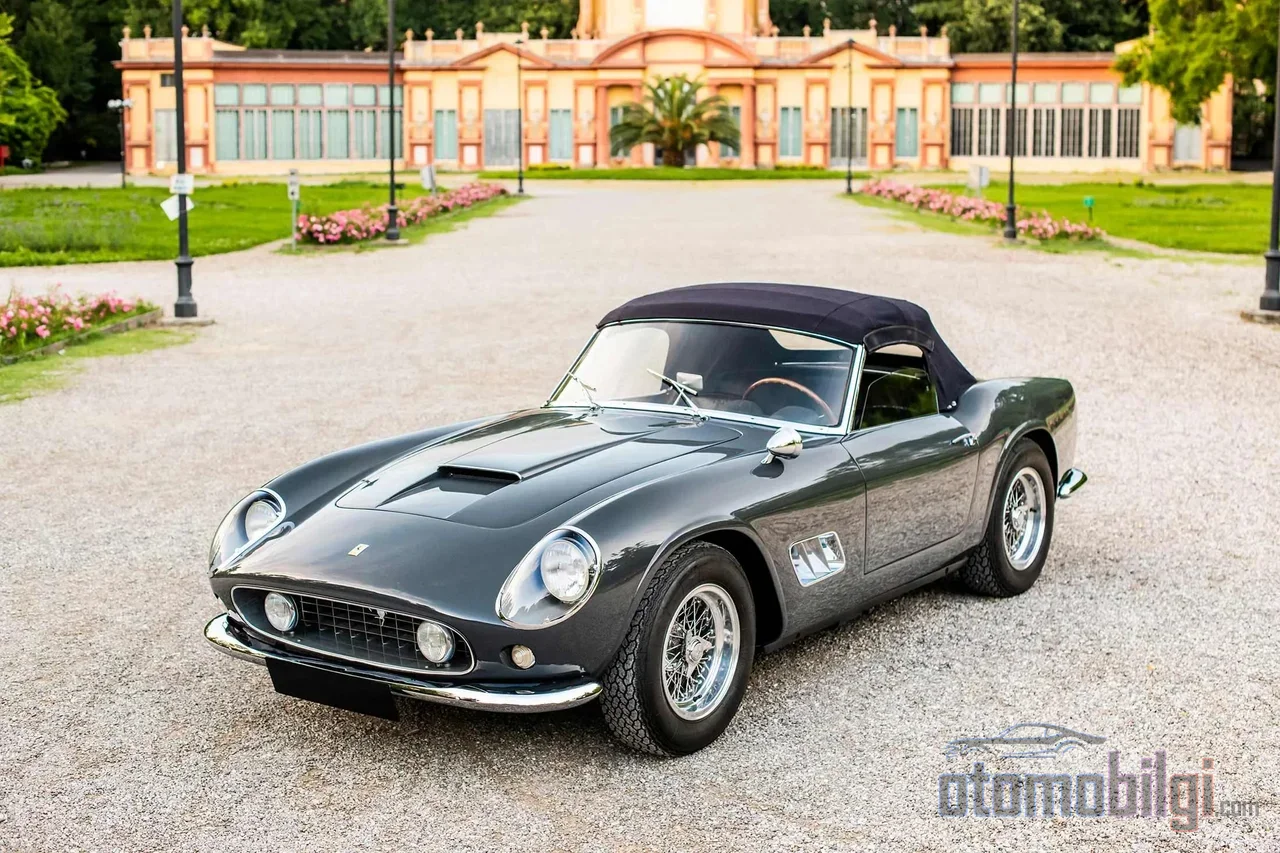
That classic sitting in your garage smiles at you every morning, doesn't it? But have you ever wondered: should I sell it now, or wait one more year? In classic car sales, timing is as much a factor in the money as the vehicle being well maintained. Many people sell before the right season and let the car go at a bargain price; many others, on the contrary, wait while the market cools and leave the car waiting on the market for months in vain. Let's unpack this dilemma together, with numbers and real examples.
Which Is the Best Season for Selling a Classic Car?
It seems like a simple question, but the answer is more layered than you think. The general rhythm works like this: as the weather warms up, interest in classic cars heats up too. Spring and early summer are when shows, weekend drives, and outdoor meetups accelerate, making it the most active time for the market. Convertibles and sports cars sell especially much better in this window; which makes perfect sense when you think of the joy of driving with the top down, right?
Late summer and autumn open a second window. Autumn also has an interesting dual face: for the seller, demand can slow as winter approaches, and the car may not sell before winter arrives. But if you're on the buyer's side, autumn is the golden age, because restorers look for project cars ahead of the winter workshop season. In other words, the same season carries completely different meanings on the two sides of the table.
Highlights
- Spring and early summer are the most active period for the classic market; convertibles and sports cars shine there.
- Arizona Car Week opens the auction season: one sale recorded a 94% sell-through rate and over $60 million in volume.
- At international auctions, the seller's commission is typically around 15% of the sale price.
- The collector car market rating hit its lowest level in 15 years in early 2026.
- A fully restored classic can end up worth less than the cost of the restoration.
How Do Auction Seasons Move the Market?
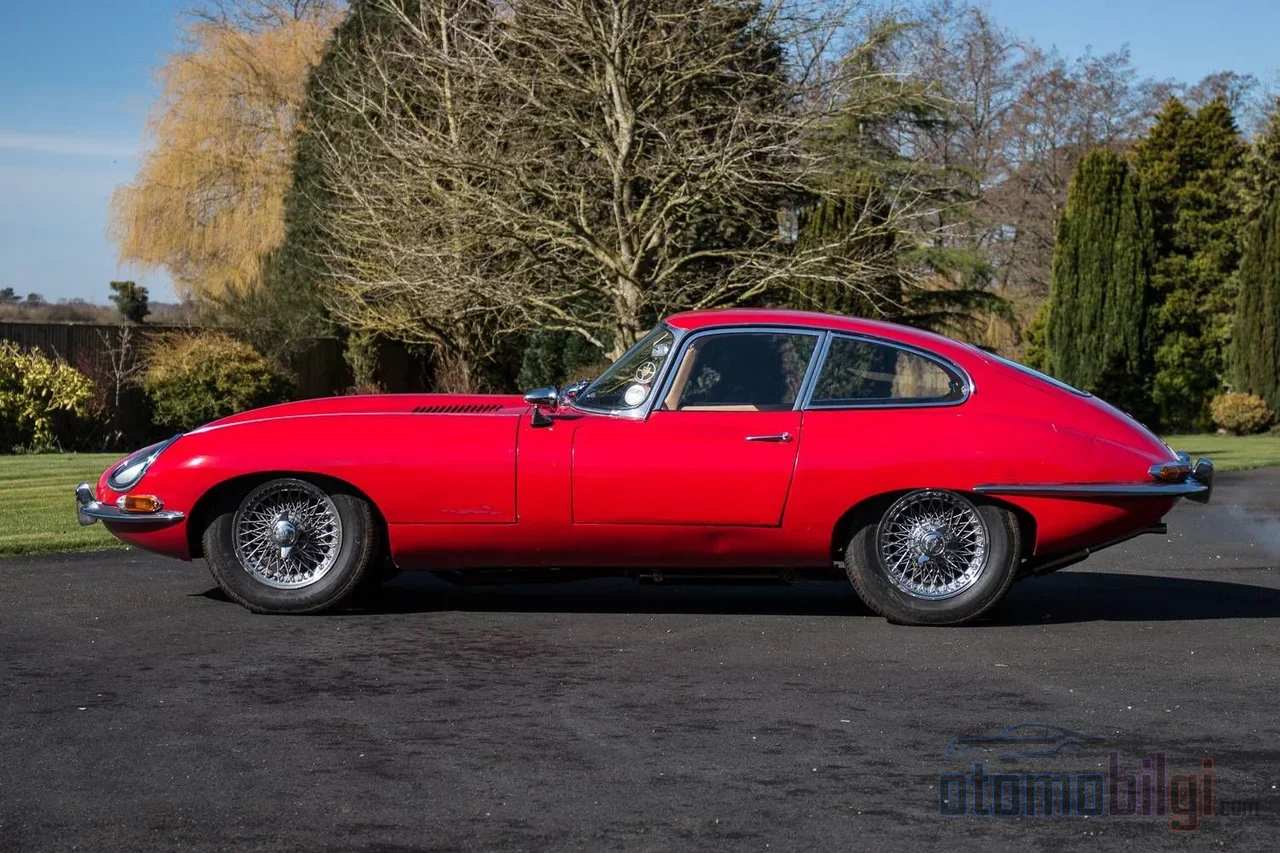
The classic car world has a calendar, and this calendar can work both for and against the seller. The season opens with the winter events in Arizona; an auction house's Arizona sale saw over $60 million in total volume and a striking 94% sell-through rate. Mid-year brings Monterey Car Week in mid-August. Monterey is regarded as the industry's barometer: the latest trends and the market's true temperature are read over this weekend.
The 2026 season showed us what a two-faced thing timing can be. On one hand, a 2003 Ferrari Enzo soared to nearly double its estimate, going for $9.3 million; a 2001 Porsche 996 Turbo exceeded its $80-100K band and sold for $134,400. On the other hand, a 1934 Packard 1104 fell short of its estimate, and a 1910 Daimler 57HP Limousine found a buyer for only $89,600 against a $350-450K estimate. See what I mean? Same season, same venue, opposite results. That's why the auction is not, by itself, a timing strategy.
Market Cycle: Value Surges and Cooling Waves
The classic car market moves in cycles, like waves. After the post-pandemic boom, the market in 2026 is now in a selective phase: prices are not collapsing, but the market has cooled. The collector car market index hit its lowest level in 15 years at the start of the year, and according to some estimates, about 70-80% of values have fallen or gone flat. Vehicles are waiting longer in sale listings; supply is exceeding demand. Buyers have changed too: criteria such as condition, originality, documentation, and story now carry much more weight. Don't you think that's a good thing? A market where passion is discussed instead of speculation is always healthier in the long run.
But the picture isn't one color. Modern enthusiast cars of the 1990s and 2000s are on the rise; the Porsche 911 964 generation, the Ferrari Testarossa and the Lamborghini Countach - models that appeal to a wealthy buyer base - are expected to keep performing well. The Porsche 924 Turbo, meanwhile, is being rediscovered as the standard among appreciating cars. Hagerty's 2026 Bull Market List also paints this wave: the 1995-1998 Nissan Skyline GT-R is priced at $82,350, the 2006-2013 Corvette Z06 at $55,900, and the 2004-2007 Porsche Carrera GT at $1.55 million. The lesson is this: not knowing where a model's wave stands can cost you more than waiting for the perfect season.
Choosing a Sales Channel: Auction, Consignment, or Direct?
Let's say you've nailed the timing. Now comes one of the most critical decisions: which route will you use to market your car? There are three main channels, and yes, the best route depends on the vehicle. In the triangle of net gain, visibility, and stress, you need to find your own balance point. Let's put the channels side by side:
| Channel | Pros | Risk |
|---|---|---|
| Direct sale | No need to hand over the car, you manage the process | Narrow visibility, negotiation is entirely on you |
| Auction | Fast and transparent result, competitive bidding environment | Typical ~15% seller commission, risk of selling below estimate |
| Consignment | Professional representation, wide visibility, retail value | The process slips out of your control, requires patience |
My favorite thing about consignment sales is this: the car is listed at its fair market value at retail, meaning you don't haggle over lowball offers. For vintage cars, consignment is generally considered a smarter, more profitable, and far less stressful route. As for auctions: fast and transparent, but in 2026 the number of cars entering auctions has increased due to the scarcity of buyers, which drags results down. And don't forget, online platforms are not a commission-free paradise: one online platform charges the seller an 8% commission on top of an 10% fixed buyer's premium. Channel choice is actually a silent decision that touches your price.
Timing Your Car's Sale Preparation
So when should you prepare your car for sale? The answer is before the sale decision. In a buyer's market, selling takes extra effort: with soft demand and high competition, pricing and preparation become critical. In the selective phase we just talked about, buyers are not easily convinced; if your document file is incomplete or your condition report is weak, your car can sit in the listing for months. Preparation should be planned backward so that it coincides with the month when the selling season peaks.
There is also a restoration balance sheet here, and let me be frank: this is the issue I warn about most. A fully restored classic can sometimes sell for less than the cost of the restoration. The scale goes like this: simple mechanical and cosmetic work costs 20,000-50,000 dollars, while an average comprehensive project can run 40,000-120,000 dollars. So do not think of restoration as a value-adding tool; plan it as a passion expense and time the sale decision according to this reality. Buying in the fall, restoring in the winter workshop, and selling at the spring peak is a classic balancing formula, but no one should enter this game without doing the cost math first.
Why Are Drivers' Classics Standing Out in the 2026 Market?
One of the most interesting developments of 2026 is this: drivers' classics - that is, cars that live on the road rather than as garage showcases - are outpacing the market along with their sympathetic modifications. Buyers now want a usable machine, not a museum piece. This is also a message for the seller: if your car is genuinely drivable, put that at the center of the listing and promotion. Because buyer behavior is cautious, in a wait-and-see mode; provenance and condition expectations have risen. Be honest with yourself - when you shop for a used car, you skip a listing with no documents and a lazy presentation, don't you? The classic buyer works on the same logic, only the amounts grow by zeros.
When Is the Right Time, Really? Is There a Universal Answer?
Now we come to the final question, for this is the heart of the matter. The seasonal school says spring is the peak, sell there. On the other hand, there is a strong counterargument: there is no universal moment called the best time; the right time is when you have done your homework and the buyer's cash or financing is ready. These two views seem to contradict each other, but in fact they are talking about different things. The spring thesis describes the rhythm of demand; the preparation thesis describes your rhythm. The formula that combines them is roughly this:
- First read the market cycle: is your model on the rise or flat? 1990s-2000s modern enthusiast cars are on the rise in this period, while some classic segments are softening.
- Then choose the season: if it's a convertible, aim for the spring-summer peak; if you want speed and transparency, auction; if you want retail value and less stress, consignment; if you want control, direct sale.
- Next, determine the channel: if you want speed and transparency, go to auction; if you want retail value and less stress, go with consignment; if you want control, sell directly.
- Last but most important: putting the car on the market before finishing your preparation. Every listing opened without documentation, condition report, and photos erodes the car's value through haggling.
The right time is the moment when the market calendar and your personal preparation intersect; if either one is missing, postpone the sale. Remember, the 1989-90 Ferrari bubble taught us this: when prices break away from genuine enthusiasts and lean toward speculation, a crash becomes inevitable; back then, top-end collections lost more than 55%, and Ferraris lost roughly 70% of their value. Today's market is broader, more transparent, and segmented, so a total collapse like that seems less likely; even though rare Ferraris are producing striking outliers, it is still too early to declare a new bull market. So when I say wait, I don't mean wait forever, I mean wait smart.
The Decision That's Left to You
In summary: know the season, read the cycle, choose the channel according to your car and your goal, and don't open a listing before finishing your preparation. Spring is the season for convertibles, autumn for buyers, and the opening of auction season belongs to capital. So which wave is your car riding? Take a look at your model's popularity curve, then check the calendar, and then gather your courage. Because in classic car sales, the most expensive mistake is not selling in the wrong season, but selling without ever preparing. The key to your garage is in your hands now, and so is the decision.
Sources
- Classic Car Auctions | RM Sotheby's
- 2026 Bull Market List – Hagerty
- Is there a "right" time to buy or sell a car? – Hagerty Insider
- The Best Time to Sell a Classic Car – Trade Classics
- Is It The Right Time To Buy A Classic Car – Classicmobilia
- Are Classic Car Prices Dropping in 2026? – This Day In Automotive History
- Collector car market: performance, trends, and opportunities – Lombard Odier
- BAT Guide: How Classic Car Auction Fees Work – Bring a Trailer
- Why Usable Classic Cars Are Leading the 2026 Market – DM Historics
- How to restore a classic car – Hillbank