Techno Classica Essen: The Showcase of the Classic Car World
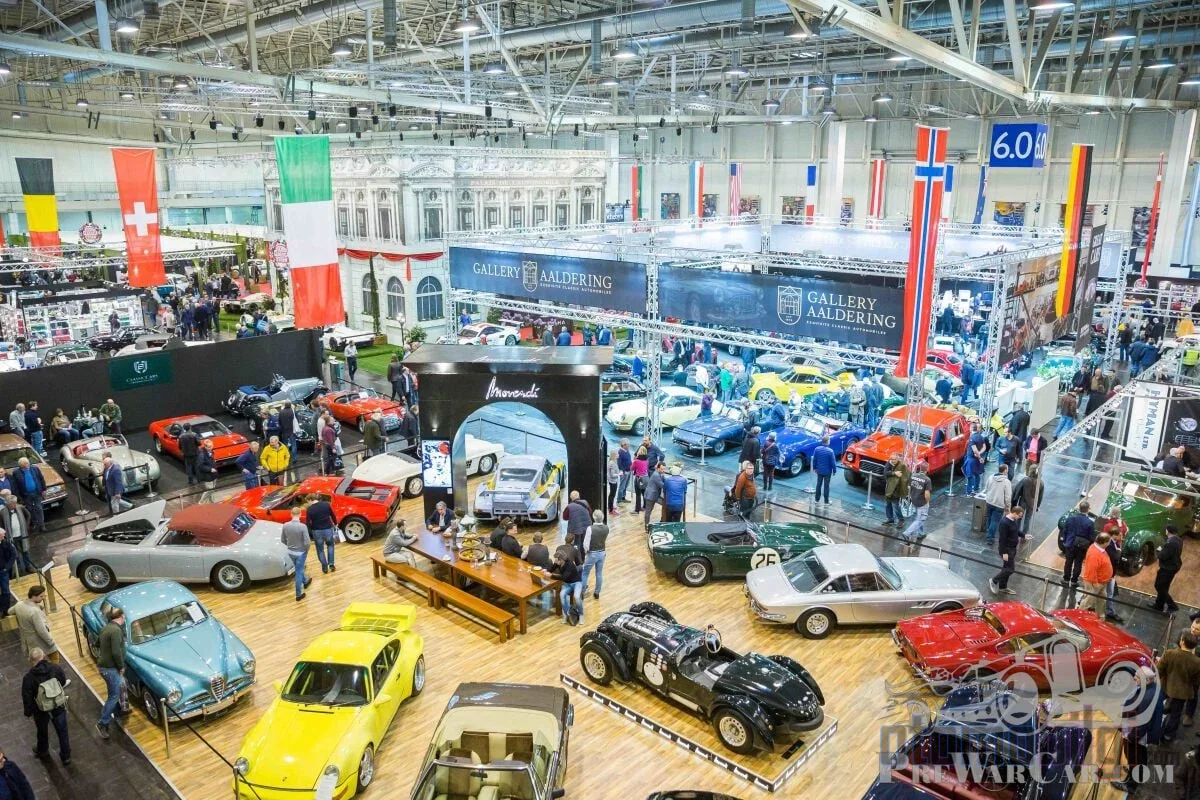
Just think about it: more than 2,700 classic vehicles for sale under a single roof, 1,250 exhibitors, over 200 brand clubs and 188,000 people... That means a crowd the size of a city population, and all of them in love with the same thing: classic cars. That was Techno Classica Essen. Why did I say "was"? Because in 2025 this legendary format in Essen closed its doors for the last time and the story split in two. But don't worry, the most beautiful part of the story is only just beginning.
What was Techno Classica Essen, and how did it grow so big?
Techno Classica was a modern classic car fair held in Essen since 1989. It was positioned as a trading center, a communications platform and a meeting point for the international automotive scene; in other words, calling it just a "car show" would do it an injustice. In its first year, around 250 exhibitors and 70 clubs took part, filling six halls at Messe Essen. Visitor numbers first exceeded 100,000 in 1992 and reached their peak of 201,000 in 2016. The picture in recent years was as follows: 12 halls, 120,000 m² of space (2024), 1,250 exhibitors from more than 30 countries and 188,000 visitors. Not even a high school has 12 halls, just think about that.
Highlights
- Techno Classica Essen, held from 1989 to 2025, was the world's largest classic car fair.
- In recent years it hosted more than 2,700 classic vehicles for sale and 188,000 visitors.
- Prices in the sales halls ranged from a few thousand euros to the upper segment above 100,000 euros.
- From 2026 onwards, Retro Classics Essen (April) will be held in Essen and Techno Classica Salon (September) in Dortmund.
What was in the fair's halls?
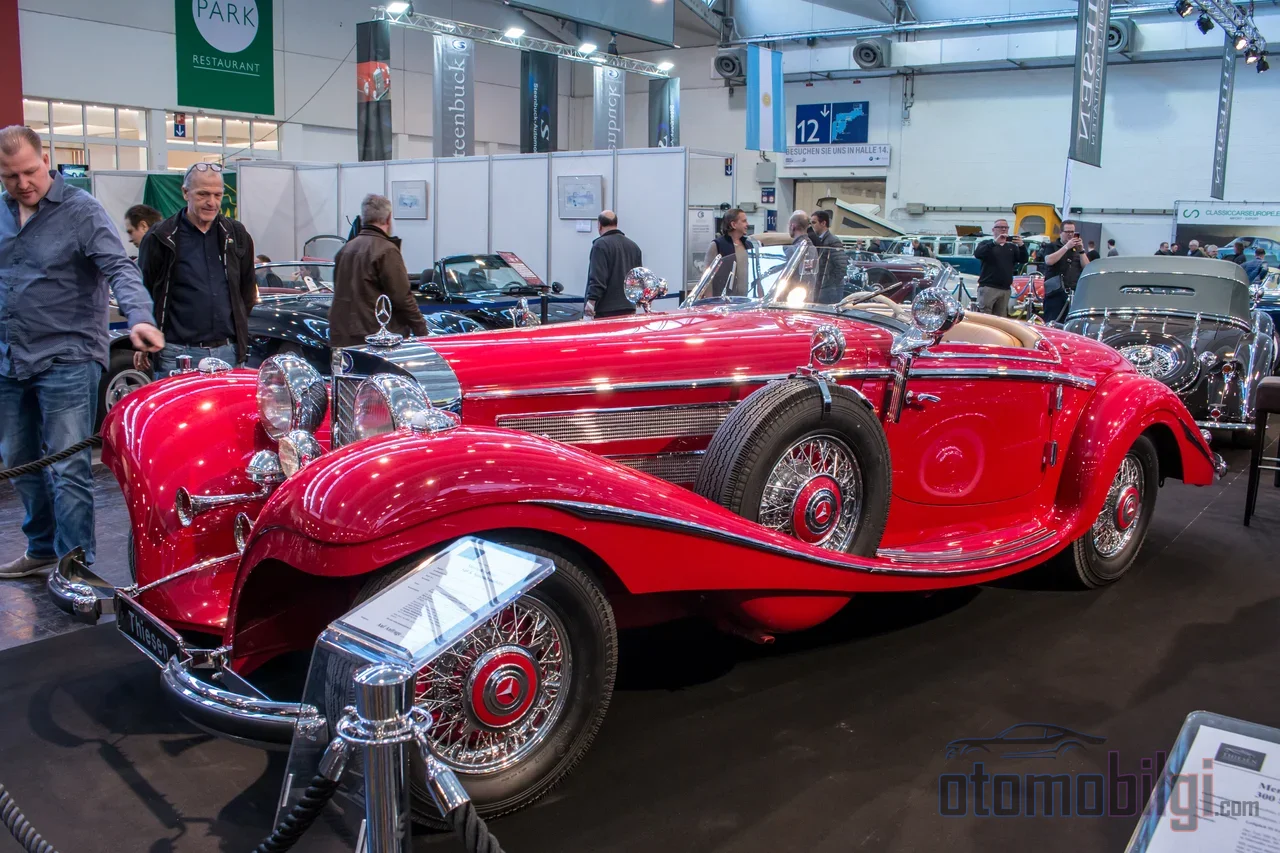
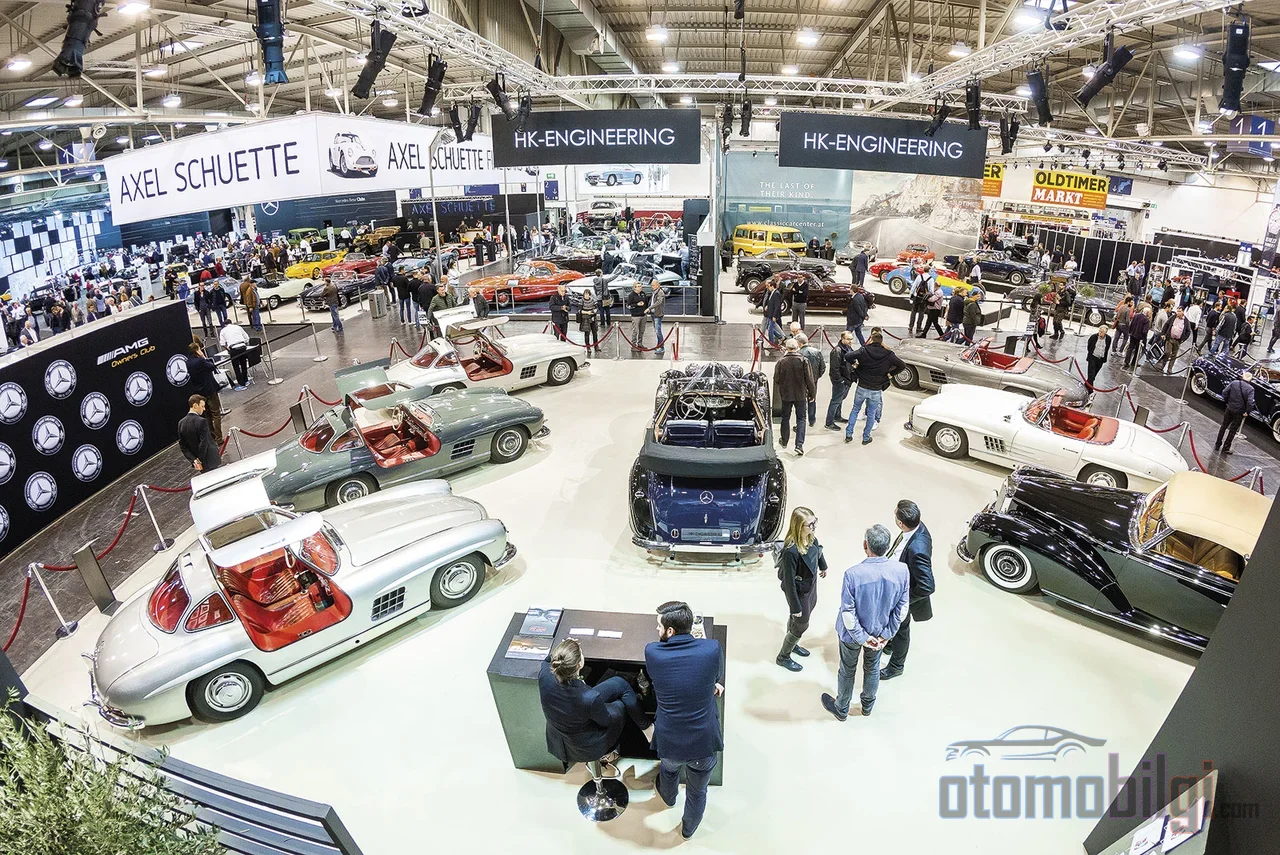
About 90% of the halls was devoted to cars; the remaining 10% went to vehicles such as motorcycles, boats and trucks. The exhibitor roster was like a miniature model of the entire classic vehicle ecosystem: classic car dealers and brokers, the heritage departments of manufacturers like Mercedes-Benz, Porsche, BMW and Ferrari, restoration workshops and coachbuilders, sellers of automotive art, books and memorabilia, and auction houses.
Manufacturer stands and anniversary showcases
Manufacturers used this fair like a shop window. The 2024 example was very colorful: the central theme featured Rolls-Royce's 120th anniversary and a Phantom-focused presentation; the 1958 Silver Wraith State Landaulette belonging to the Dutch royal family was also on display. Anniversaries lined up one after another: Opel's 125th year, Bugatti 115, Morgan 115, Scuderia Ferrari 95, Citroën Traction Avant 90, the 2CV 75, Unimog 75, the Mercedes 300SL and 190SL 70, the Mini 65, the Porsche Turbo 50, and the VW Golf's 50th year. The Porsche Turbo's 50th anniversary stand even featured a Jägermeister-liveried 962C race car. There was also the "Best of Show" award, chosen by a 14-member international jury of journalists and experts; in 2024 this award was won by a 1962 Maserati 5000, a rare example delivered logo-free to Gianni Agnelli himself.
Club stands: The heart of the fair
In my opinion, the real soul of the show beat at the club stands. In 2024, more than 200 clubs were at the show, with representatives of nearly every brand present. Most club stands had enthusiasts providing model-by-model detailed information; although their roots were mostly in Germany, international clubs were not absent either. Another reason for the clubs' strong presence at the show was the need for coordination and joint planning. So if you own a Golf 2, you could find people at the same stand who know the finest detail of your car. Where else could you catch such a conversation opportunity?
Prices in the sales halls: From a few thousand euros to Lamborghini
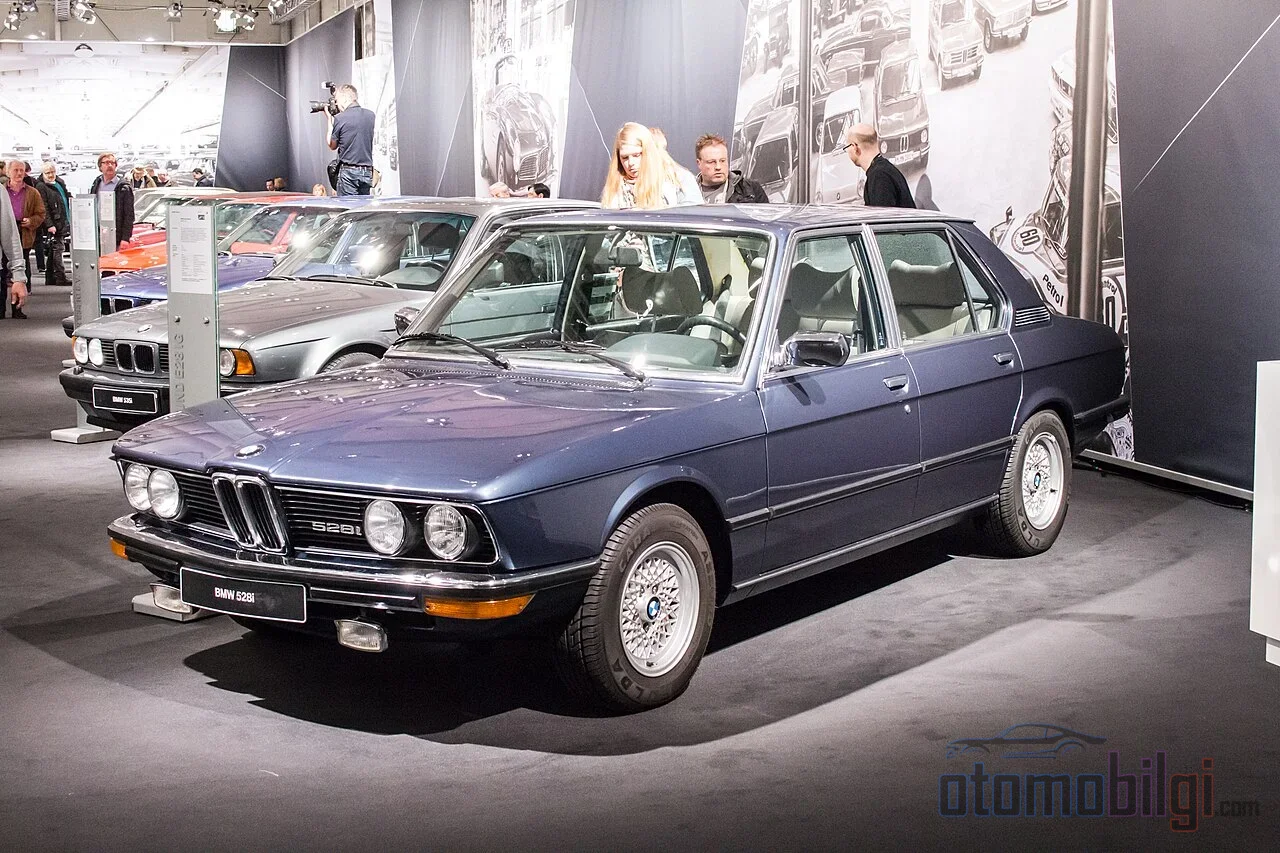
Shall we talk about money? According to the official final report of the 2025 show, the price range in the sales halls was incredibly wide. At one end, Mercedes SLK, Fiat Barchetta, VW Golf 2, Triumph Spitfire or Citroëns for a few thousand euros; at the other end, a 1937 Riley Imp priced at over 100,000 euros, an unrestored 1903 Peugeot, and premium brands like Lamborghini, Spyker, Maserati and Ferrari. The 2024 picture was similar: BMW E30 examples for a few thousand euros, a 1937 Riley Kestrel for 65,000 euros, and the unrestored 1948 Austin Sheerline of the Belgian royal family.
So the show was also a paradise for those thinking "my budget is not enough". Such a wide price range was living proof that the classic car world is not only a hobby of millionaires. No matter what your budget was, there was always a vehicle waiting for you in those halls.
Auctions and the pulse of the market
One of the show's most shining evenings was auction night. RM Sotheby's achieved proceeds of over 18.7 million euros in its first Germany sale in Essen; the top of the sale was the 1937 Mercedes-Benz 540 K Cabriolet A with Sindelfingen bodywork, which changed hands for 2,255,000 euros. COYS, meanwhile, was announced with a sale of about 12 million pounds sterling with 130 vehicles. These figures show that the show is not only an exhibition but also a serious trading center.
Is the market heating up or cooling down?
That is the question that really interests enthusiasts. The picture is mixed but readable. According to the German Oldtimer Index, historical vehicle prices rose 8.1% in the last year; the previous increase rate was 4.2%. In contrast, Hagerty's collector car index hit its 15-year low at the start of 2026, and the overall median price declined 1.6% in the first half of 2026. But 1970s vehicles gained +8.3% in the same period. So we cannot fit this picture into a single sentence like "everything is getting expensive" or "the bubble is bursting": this is a market that moves segment by segment and breathes. The share of post-1990 vehicles is also growing rapidly; according to Hagerty's October 2026 data, these vehicles have accounted for 55% of auction lots and 59% of dollar volume since the start of the year. It would be fair to say the youngtimer era is fully on the rise.
Practical advice for first-time visitors
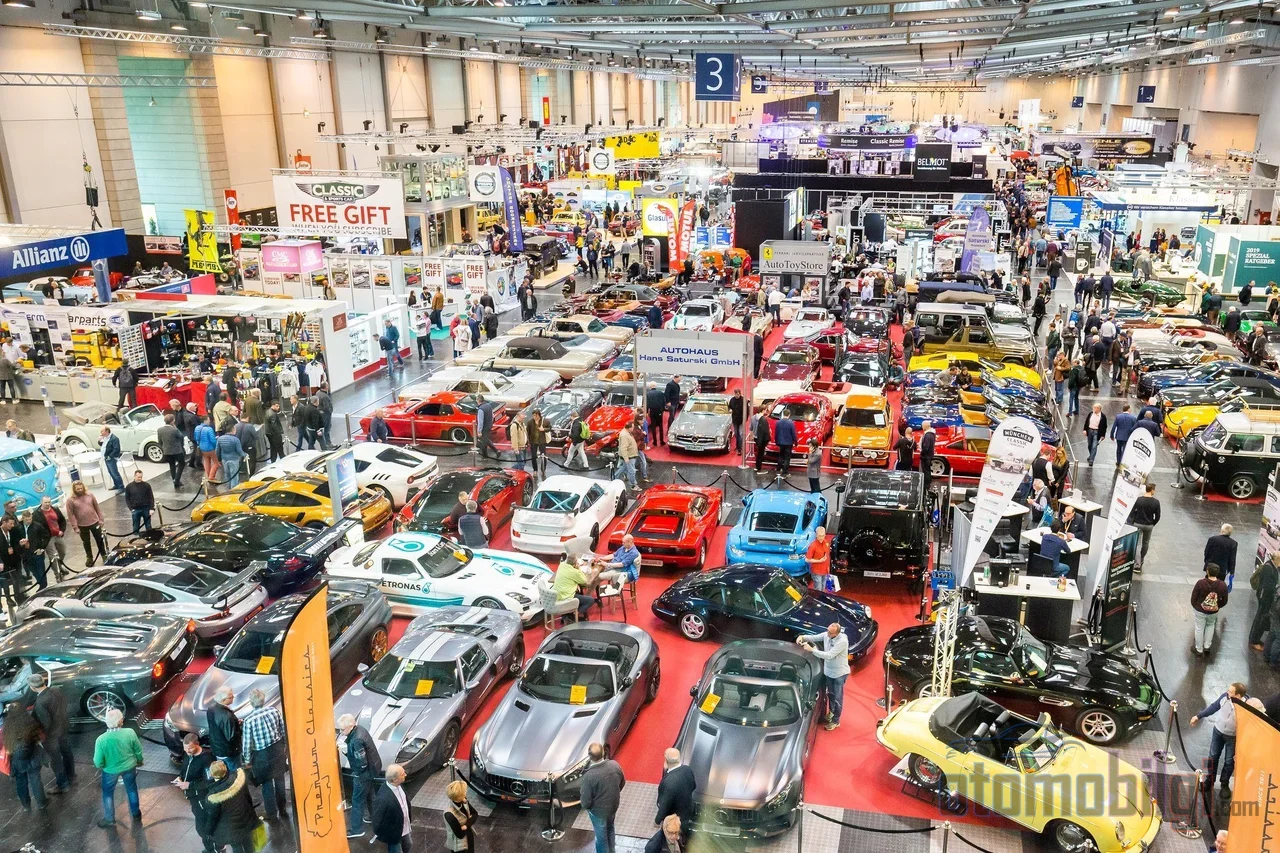
For an experienced fair visitor, seeing it from start to finish took two full days; plan accordingly, knowing this. Comfortable sneakers, relaxed smart-casual attire that isn't too formal, and a large water bottle are the three most useful weapons of the trade. The fair ran for five days in April, and touring all 21 exhibition segments was a time-consuming program.
On the ticket side, the band was as follows: normal day ticket 20-25 euro, youth and student ticket 15-20 euro, roughly 10 euro for ages 8-14, and free for children under 8. The preview day called "Happy View Day" was around 40 euro; a good trick for those who want to avoid the crowds and tour the fair half empty.
As for transportation, during the Essen era the most practical way to reach Messe Essen was via the U11 metro line (Messe Ost/Gruga) or by tram; there was also an on-site parking lot for 3,200 vehicles.
Why was the fair split in two: Retro Classics Essen and Techno Classica Salon
Now let's get to the biggest twist of the story. Techno-Classica Essen was held for the last time in 2025. The team behind Retro Classics Stuttgart took over the organization, and from 2026 onward the event was held in Essen under the name Retro Classics Essen: on 8-12 April 2026, once again at Messe Essen. This fair also drew attention with shared club stands, such as the expanded "English Corner". Meanwhile, SIHA didn't sit idle: in the same year, it opened its doors at Messe Dortmund on 24-27 September 2026 with a new format called Techno Classica Salon; it is being promoted as an international marketplace for classic vehicles, youngtimers, and automotive passion. It is reported that on opening morning, visitors flooded into the hall in their thousands within the first hours. Getting to Dortmund is also easy: via the A1, A2, A42, A44 and A45, you follow the "Messe/Westfalenhallen" signs; there is parking for roughly 8,800 vehicles, and the daily fee is 11 euro per vehicle. Those arriving by train can use the U45/U46 lines from Dortmund Hbf.
So the fact that searching for "Techno Classica Essen" today turns up two separate events is not your fault; the industry is genuinely going through a shake-up, and both sides are positioning themselves as the line of continuity. The practical solution to the confusion is this: in April there's Retro Classics Essen in Essen, and in September Techno Classica Salon in Dortmund.
What does this fair tell us about classic car culture?
The short answer is this: Techno Classica Essen was a living cross-section of collector culture from start to finish, and its spirit lives on today in two separate fairs. The price bands in the sales halls are the most tangible way to take the market's pulse; the manufacturer and club stands are the mechanism through which knowledge passes from generation to generation; and the auctions are where value turns into real money. The sheer variety at the fair showed that classic car ownership is not just about buying a car and locking it in the garage; it is a world woven around a shared passion.
Of course, to be realistic: classic car ownership is often mentioned in forums together with parts shortages, high risk of breakdowns, maintenance costs and unpredictable failures; the "investment or passion" debate never ends. That is why entering this world by visiting fairs, chatting at club stands and watching price bands on-site is the smartest step you can take before spending money. Here's hoping you'll be there when the next fair opens its doors; get your comfortable shoes ready, fill your water bottle and set aside two days. This world is waiting for you.
Sources
- Final report of the 35th TECHNO-CLASSICA ESSEN 2025
- The History of Techno-Classica Essen
- Techno Classica official website
- Techno Classica Essen 2024
- Techno Classica Essen 2026
- Techno Classica Essen 2026 - Location, Date and Opening Hours
- Techno-Classica Essen 2026
- Techno-Classica Essen
- RM Sotheby's official statement
- Magenta Magazine - Show shake-up