Why Does Classic Car Restoration Take Years?
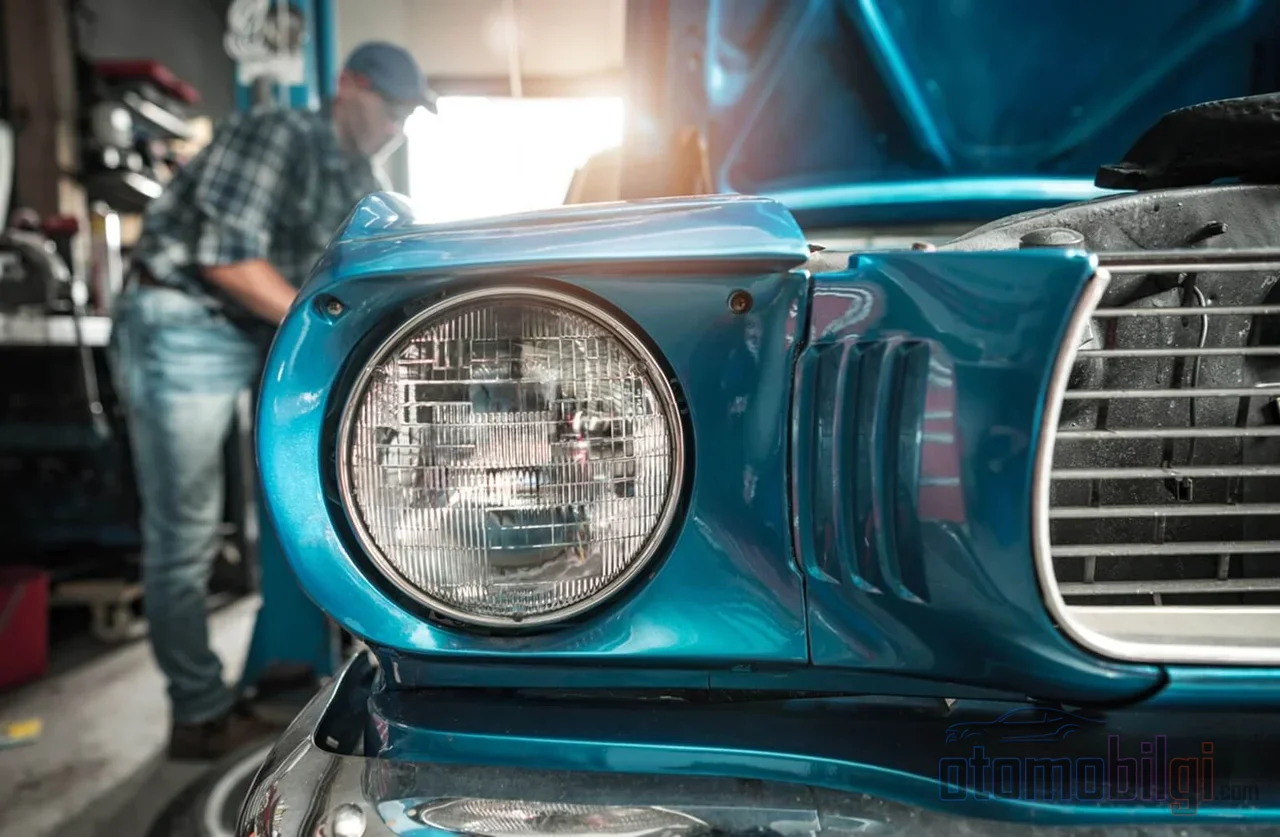
What is the first question that comes to mind when you look at that classic car standing in the corner of the garage, under a dusty cover? Mine was this: "I can restore this over the summer." Then I learned the reality and was surprised. Because classic car restoration is not that "few-week hobby" the internet describes; it is a marathon of parts hunts, mechanics' queues and patience, taking months or even years. So why exactly does this job take so long, and how can you set up a realistic schedule before you even start? Let's take a look step by step.
How long does restoration really take? Let's look at the numbers
First, let's honestly answer the most curious question: the duration varies wildly depending on the scope of the job. A small and partial restoration - meaning just freshening up some of the mechanical components and cosmetics - usually takes 3-6 months. With a full restoration, this extends to 9-18 months. In the most comprehensive jobs, the so-called "frame-off" where the vehicle is completely disassembled and rebuilt onto the chassis, the figure we are talking about is 12-24 months, and with rusty, difficult-condition vehicles this duration can easily be exceeded.
So what about show and concours level, meaning the perfectionism that judges inspect with a magnifying glass? There, the schedule rises to 3-5 years; professional workshops now calculate 4,000-5,000 hours of labor for jobs at this level. Let me add this right away: these figures are not the best-case scenario, but the average of real workshop conditions. In a project where you have all the parts in hand and financing ready, frame-off work can drop to 6-12 months; but a single wrong decision can add even a year to the schedule - one project owner added a full year to his calendar when he realized that replacing the original body made more sense than trying to repair it.
Highlights
- Partial restoration takes 3-6 months, full restoration 9-18 months, frame-off 12-24 months.
- Concours-level jobs take 3-5 years and typically require 4,000-5,000 hours of labor.
- Bodywork, metal repair and rust restoration is usually the longest phase: 2-6 months.
- The paint itself is applied in a few days; the real time accumulates in preparation, curing and polishing.
- Most restoration projects started at home are never completed; the biggest enemies are budget and time exhaustion.
Phase-by-phase schedule: where does the time actually go?
When we hear years as a single number, it sounds shocking, but when you break the time into pieces, the picture makes much more sense. Moreover, the answer to the question of how long a classic car restoration takes lies precisely in the combination of these phases. Here is the temporal anatomy of a typical job:
| Phase | Typical Duration | Why It Matters |
|---|---|---|
| Initial inspection and planning | 1-3 weeks | Rust and mechanical assessment, goal and parts research |
| Disassembly and documentation | 2-6 weeks | Hidden rust and old repairs are revealed, the schedule is revised |
| Bodywork, metal repair, rust | 2-6 months | Usually the longest phase |
| Engine, drivetrain | 2-4 months | Mostly runs parallel with bodywork |
| Electrical system | 1-2 months | Wiring renewal, gauge and headlight restoration |
| Paint preparation and polishing | 1-3 months | Defect correction, block sanding, curing |
| Interior upholstery and trim | 1-2 months | Original materials and special craftsmanship extend the lifespan |
| Final assembly, testing, road evaluation | 1-2 months | The car's proof in the real world |
On bodies, panel fabrication, preparation and paint alone can reach 600-1,000 hours or more. When you calculate with labor at $80-100 per hour, you see how the concept of "hours" turns into a calendar: 400 hours of work in a workshop where you can only dedicate 10 hours a week means roughly 40 weeks - plus waiting times for parts and specialists.
Surprises during disassembly: why does the calendar fall apart after it has started?
Here is the most frustrating but most honest truth of restoration: you cannot consider your plan reliable until the disassembly is finished. When the car is torn down, hidden rust that has been lurking for years under the hood, along the sills and inside the fenders comes to light, along with previous owners' rather creative but failed repairs. Let's think of it with a simple analogy: a treatment plan from a dentist who has already seen you is different from a decision given with your mouth open. In restoration, too, the real plan only becomes clear "after the mouth is opened."
That's why serious workshops see the disassembly-assessment process not as a formality but as the project's turning point, and they revise the schedule after this stage. For vehicles in coastal regions, additional corrosion protection and inspection steps come into play due to the effect of salty air, which again extends the timeline. So your schedule slipping is often not a sign of bad management, but the natural price of doing the job right.
Finding parts and waiting in the craftsman's queue: two tests of patience
The second big time consumer is not the negotiation with the car itself, but with the world: parts supply. Finding spare parts for a classic vehicle is sometimes not a shopping trip but a detective operation. Even for a common model, there can be parts that have been out of stock for years; the recent supply chain crunch created delays even for ordinary parts like brake discs in repair shops. The good news is that workshops with a strong supply network have shown they can obtain a part that hasn't been found for a year within a few days - so the difference lies entirely in whom you ask.
On the other side is the queue for craftsmen and workshops. Top-tier restoration workshops charge figures like $135 per hour and work with a 3-year backlog of jobs. To understand why the queue is so long, consider this: quality craftsmanship is a scarce and sought-after resource. Moreover, this picture holds true worldwide; scenarios where a workshop can take only a few orders a year and each project waits months in the queue are by no means exceptional. When you veer onto the DIY route, the equation changes but doesn't get easier: whether your time and money will individually keep up becomes the biggest determining factor.
External dependencies: why do paint and upholstery work on their own schedule?
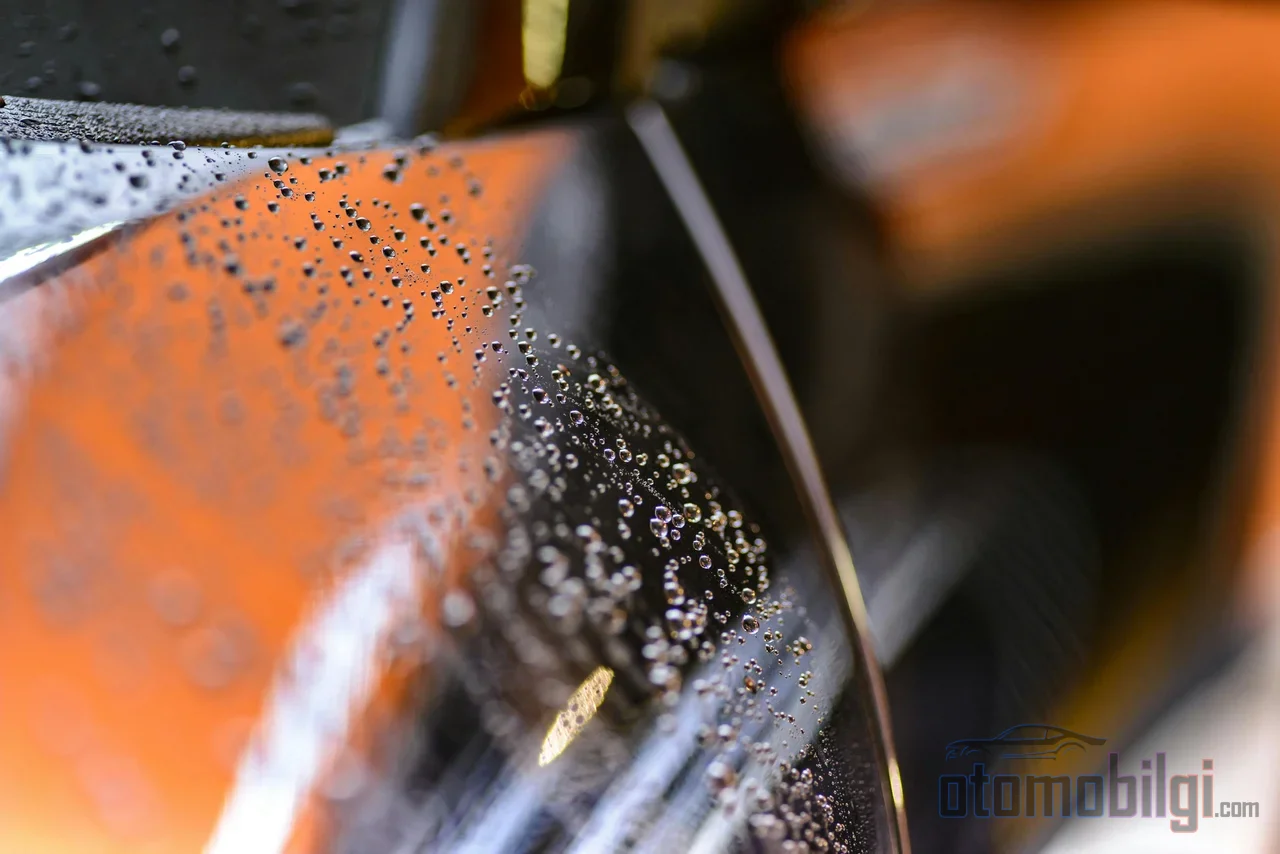
Paint is the most misunderstood stage of a restoration. Everyone assumes the car is painted in a spray booth in a few hours, but the really long part isn't the spraying - it's the preparation. Fixing imperfections, high-build primer and multi-stage block sanding can take weeks; the paint goes on in a few days, but then curing, wet sanding and polishing arrive at their own pace. A rushed paint job almost always means long-term disappointment - a polish done wrong just once ruins the showcase of the entire job.
On the upholstery side, the timeline depends on the scope: a small stitching repair finishes in a few working days, while retriming a pair of seats takes 1-2 weeks. A full interior, custom leather work or a hunt for original fabric stretches this to 1-3 weeks, and sourcing original materials adds its own waits on top. That's why the upholsterer and the paint master should have lines in your calendar weighted equally with the workshop; both are trades with queues of their own.
Before you start, the time plan: how does the budget-supplies balance affect the calendar?
Now we come to the real question: what kind of time plan should you make before starting the project? The common advice of experienced shops comes down to this trio: budget, a supplies buffer and a flexible calendar. If your money only covers the best-case scenario, the project stops at the first hidden rust discovery. A supplies buffer - meaning budget and time above what you calculated - makes a difference of several months on its own, because a project that has been paused doesn't easily restart.
- Don't sign a binding calendar before the teardown-and-assessment is finished; the first revision comes in almost every project.
- Limit customization: every personal touch adds weeks to the calendar.
- Work with easily sourced parts, and plan a separate time slot for the rare-parts hunt.
- Aim for mechanical reliability first instead of cosmetic perfection.
- Also consider partial restoration as a serious option; you get a concrete result in 3-6 months.
There is also the matter of goal clarity: do you want what we call a "driver quality" - a well-usable and safe classic - or a jewel that will take a full score from the judges' table? While the first goal is possible with a 6-14 month calendar, you should plan the second as a 3-5 year journey. Clarifying your goal from the start is the most solid stone of your calendar.
How do you prevent projects from being left unfinished?
Painful but true: most restoration projects started at home never get completed. The reasons sound familiar - money runs out, interest fades, the work exceeds capacity, parts can't be found. If you consider that a project usually goes up for sale half-done when its owner burns out or hits a major life event, you'll see this picture isn't just a hobby matter. And when the cost exceeds the scrap value, the visible rust keeps revealing hidden expenses at every stage.
So what's the solution? In my view, three rules are very clear. First, making an honest hours calculation at the start: 400 hours of work in the shop means 40 weeks if you give 10 hours a week - and when you add queue and parts-waiting times, the calendar shows its true face. Second, touching the project a little but regularly; while a completely stalled project often turns into a dump of effort and money, there is nothing wrong with a half-finished project as long as you keep working on it. Third, taking a step back if necessary: lowering the goal from concours to driver, or handing over a half-finished project to someone who will complete and use it, is also a kind of success. The ultimate issue is for unfinished restorations to actually be completed, preserved, and returned to the roads - no matter by whom.
A realistic timeline for beginners: the short answer
Let us gather the essence of all these lines into a single honest answer. Classic car restoration ranges from 3-6 months (partial work) to 9-18 months (full restoration) and 12-24 months or longer (frame-off) depending on its scope; if you are targeting shows and concours, 3-5 years is normal. Almost half of this time is actually spent searching for sources, waiting in queues, and accurately resolving the surprises that emerge after disassembly. So keep your calendar twice as wide, add a supplies buffer to your budget, and stop making firm promises before the disassembly-assessment is finished.
Let me confess one last thing to you: the real product of a classic car restoration may not be the car, but patience. But when you turn that first key, you are riding a machine that carries a story from every day of those years. Now I leave the question to you: what would a realistic timeline be for that project waiting in your garage?
Sources
- How Long Does a Classic Car Restoration Take? 2026 Guide
- How Long Does a Car Restoration Take?
- How Long Does It Take to Restore a Classic Car?
- Classic Car Restoration: Costs, Timeline & Finding the Right Shop
- Typically how long does a complete body restoration take?
- Six reasons why classic car renovation projects fail
- How to Stop Worrying and Love the Stalled Project
- 2025's Supply Chain Crunch Hits Repair Shops
- How to Plan a Classic Car Restoration Project
- How Long Does Classic Car Upholstery Restoration Take?