How Is Classic Car Valuation Done?
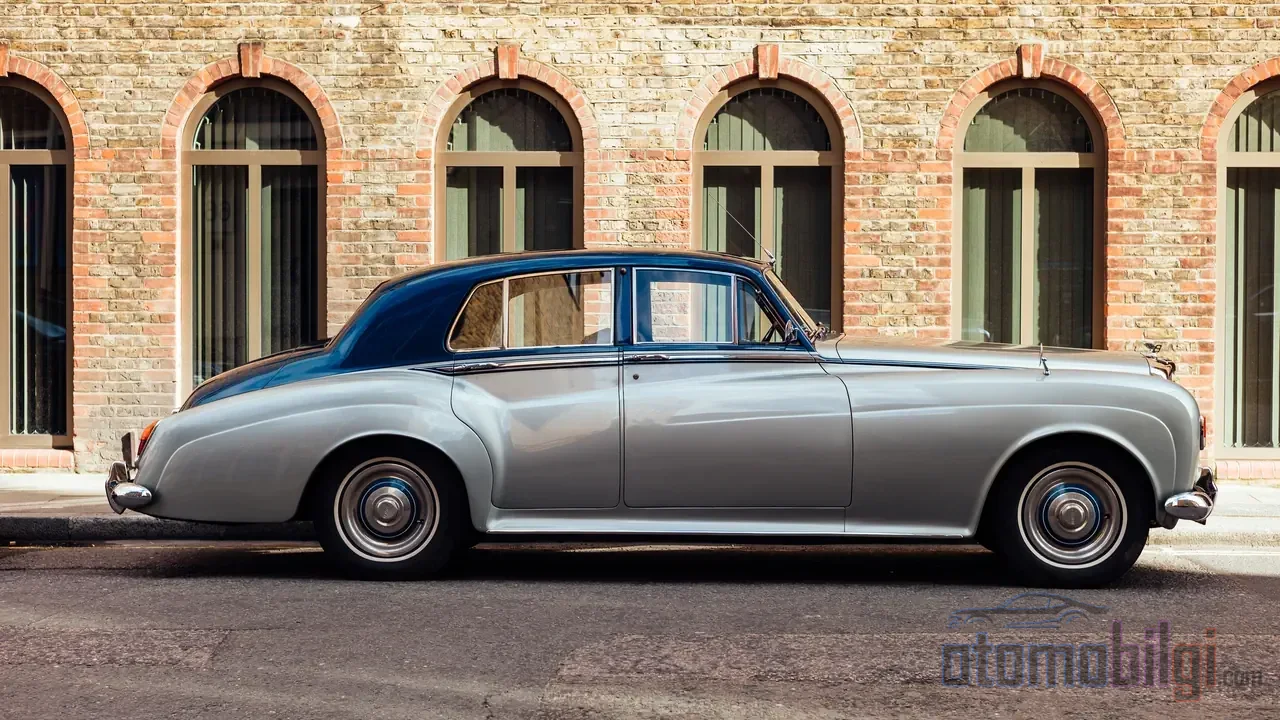
Do you really know how much that car sitting in your garage is actually worth? You browse listings, the cheapest similar one is 400,000, the most expensive is a million - so which one is yours? This is exactly where valuation, known internationally as appraisal, comes into play. In the classic car world, quoting a price is easy, but proving the right price with a document is a completely different matter. In this article, I will explain step by step how valuation is done, which criteria experts focus on, and which official procedures depend on this report. Buckle up, because it is a process that is simpler than you think but more exciting than you imagine.
What Exactly Is Valuation, and How Does It Differ from Online Price Checks?
Classic car valuation is an impartial, written report describing the condition, originality, and market value of a vehicle that is typically at least 30 years old. In international practice, this report determines the vehicle's current market value and documents its condition, originality, and rarity. It is carried out by an independent expert; the result always turns into a tangible document.
Now the obvious question is this: If I can check prices online for free, why should I pay for a report? Because online tools handle the job with a price range. When you enter the brand, model, year, and mileage, the system suggests an estimated range based on listing data. An official valuation, however, looks at the single vehicle in front of it: how well has this specific car been maintained, which parts are original, are the documents complete? Think of it, unlike a recipe, as tasting the dish in your own kitchen - the online recipe gives an average result, while the expert evaluates the plate in front of them.
Moreover, online estimates may not always be sufficient to reflect a vehicle's true market value, and making a buying or selling decision based on a wrong price can cost you serious money. Also remember that dealership or buyer offers may not be objective either; no one will try to give you a price above the figure that serves their own interest. The only impartial thing is the independent expert's written report.
Key Takeaways
- Classic car valuation is an impartial, written report typically prepared for vehicles that are at least 30 years old.
- The most critical criteria in valuation are: condition, originality, restoration quality, rarity, and documentation.
- For notary transfers, an inspection report is only mandatory for vehicles younger than 8 years and under 160,000 km.
- As of February 27, 2026, heirs must register the vehicle within 90 days of the date of death.
- The valuation expert also checks whether maintenance records and restoration documents exist; documents can change the value.
The Criteria That Pass Under the Expert's Eye: Which Test Does Your Car Go Through?
A valuer does not look at the vehicle with a wandering eye; the checklist is very clear. In general vehicle valuation, parameters such as brand, model, fuel type, year, mileage, and damage history are taken as the basis. But with classic cars, the rules of the game are a bit more strict: here condition, history, originality, restoration quality, rarity, and collector demand directly shape the value.
Why is originality so important?
Because in classic cars, originality is one of the most critical factors determining value. The engine, transmission, interior trim, and body parts are examined one by one. In Türkiye, one of the criteria for being considered a classic is that the engine and chassis numbers are still legible - which is exactly where the famous matching numbers concept of the collecting world comes from. If the numbers match, it means the car's identity as it was on the day it left the factory remains intact.
Condition grades and renewal value
In some international valuation standards, the vehicle is given a condition grade. For example, in the well-known German approach, Grade 1 means flawless condition - no defects whatsoever in appearance or history, including originality. Alongside the condition grade, the report also states the market value and the renewal value, which is the cost of re-acquiring a similar vehicle. So when you look at the report, you see both how good the car is and how much it would cost you to find a similar replacement. What a fair system, isn't it?
Then there's the matter of documentation: a complete service history, production documents, and restoration records can make the difference between two seemingly identical cars. Before the valuation, the title, registration, and insurance documents are also expected to be in order. One final warning: don't confuse sentimental value with market value. The car you inherited from your grandfather may be priceless to your heart, but on the market, not every modification adds value - sometimes it's quite the opposite.
How Is a Market Comparison Done and Why Is It So Decisive?
Another branch of the valuation process is market analysis. The expert examines the market values of similar vehicles and also takes into account the region's geographic location and the demand for that vehicle. Because the same car can fetch a different figure in a region where collecting is thriving than somewhere with less interest. Rarity is also one of the fundamental determinants: the fewer units of a model were produced, and the fewer remain on the road, the more demand naturally rises.
Let's also pause on the low-mileage story, because it's one of the most common misconceptions. Low mileage doesn't always win; the maintenance history determines the true value. A regularly serviced, documented, high-mileage car can be worth more than one with low mileage that has been rotting away in a garage. Accident records also seriously affect value: minor damage can cause a 1-3% loss, moderate damage 3-8%, major damage 10-25%, and structural damage 20-40%. When you consider that even a single damage record can move the figure that much, you understand why the expert's eye is so necessary.
Is the Difference Between a Free Estimate and an Official Report Really That Big?
Yes, it is - and let's make that difference concrete. Free online tools give you a quick range and satisfy your curiosity while you sip your morning coffee. As an entry point, this is quite useful: it's great for getting a rough idea of what my car is worth. But think of the logic of a home appraisal; there, too, an independent expert prepares a written report comparing it with comparable properties. The same three principles apply in the vehicle world: independence, a written report, comparison with comparable vehicles.
An official appraisal, on the other hand, takes the vehicle's specific details - its condition, originality, documentation - into account and produces a clear value for a single vehicle. Also, a certified report means a document you can immediately present to an insurance company or a bank. So an online estimate gives you an idea, while an official report gives you evidence. You understand the difference between an idea and evidence at the moments when money is actually changing hands.
In Which Official Processes Is an Appraisal Report Required?
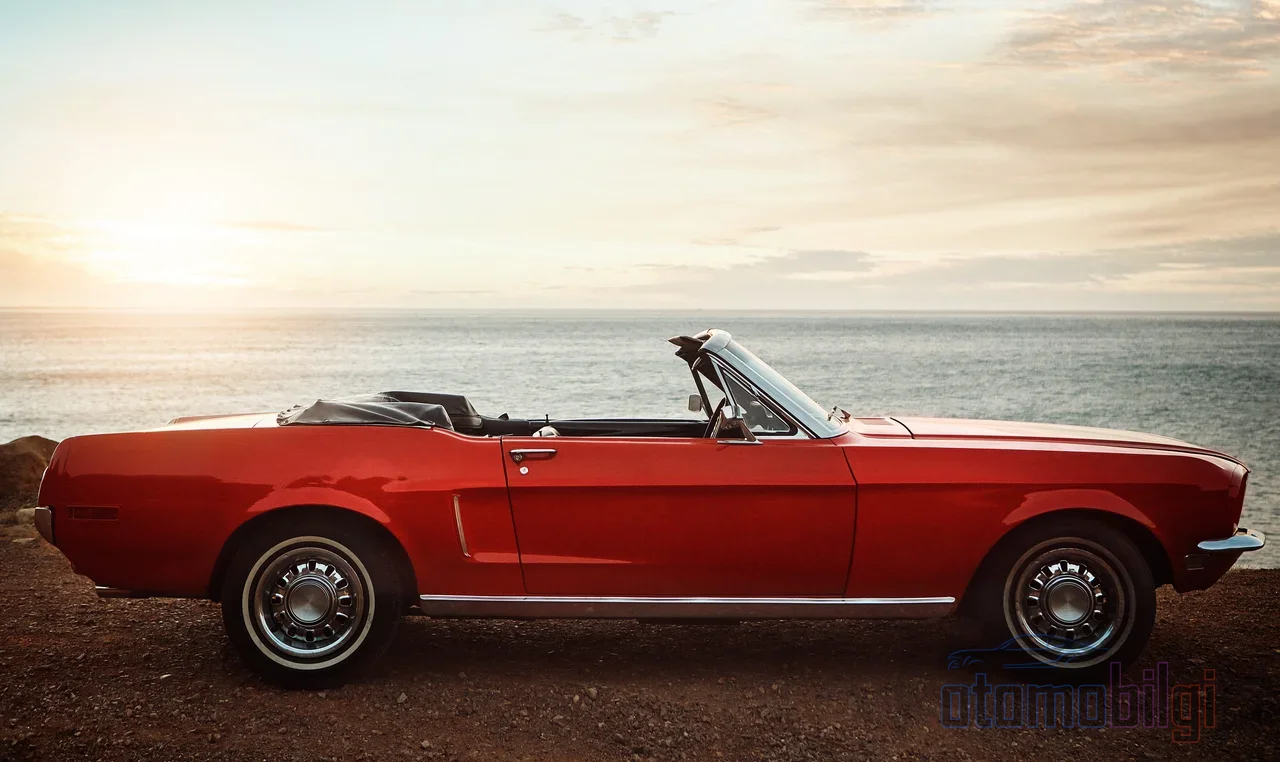
Here is perhaps the most useful section of this article. An appraisal report becomes legally or institutionally mandatory in some situations and plays a critical role in buying and selling, tax, and insurance transactions. Let's look at them one by one.
Insurance and agreed value
In classic car insurance, the agreed value approach is a lifesaver. The logic is simple: the vehicle's real value is fixed in the policy, and in the event of a loss you won't have to argue about the market. That value is shaped by the vehicle's condition, history, originality, restoration, rarity, and collector demand - meaning the correct value cannot be fixed without a report.
Sales and inspection rules
In a second-hand sale, during the notary transfer process, an inspection report is mandatory for vehicles under 8 years of age and below 160,000 km; the report must have been obtained no more than 3 days before the notary transaction. For vehicles exceeding the 8-year and 160,000 km thresholds, this requirement does not apply - classic cars generally remain in this free zone, which is why getting an optional but smart appraisal before a sale strengthens your hand in negotiations.
Inheritance and tax
An inherited vehicle passes to the heirs through a notary procedure. And here there is a fresh and important rule: According to the regulation that came into force on February 27, 2026, heirs must register the vehicle in their name within 90 days of the death. Also, in transfers through inheritance, a declaration must be filed even if the total value of the assets falls below the exemption threshold. So knowing the value of an inherited classic car is not just curiosity, it's part of your tax obligation. There is a similar picture on the customs side: for classic or antique vehicles brought from abroad, the main issue is determining the customs value, i.e. the tax base, and for these vehicles appraisal is not based on a standard list price.
Restoration quality doesn't escape the report's eye
Restoration history is part of the value, too. A documented restoration can make a serious difference among similar vehicles. When buying for collection, it's essential to add maintenance costs to the budget alongside the purchase price; meticulous maintenance is decisive in preserving value. Open-top or soft-top models tend to increase in price. The expert explains in detail in the report how carefully the restoration was done - and this lays the foundation of trust on the buyer's side.
What Boxes Should You Tick When Choosing the Right Appraiser?
Just as important as who will issue the report is the process itself. The golden rule for choosing is this: a certified and independent expert. The expert must be licensed, meet the training and certification requirements; and be appointed independently of the buyer and seller parties in order to remain impartial. In other words, if the cousin of the person selling you the car does the appraisal, it ceases to be a report.
In practice, you can use physical inspection centers or digital valuation platforms. Some inspection centers are accredited by the national standards institution; in such places, the vehicle is examined according to official criteria covering its technical and mechanical condition. The process is fast: the inspection itself usually takes 30-60 minutes, and the report reaches you within 4-7 business days depending on its scope. Classic car appraisal may take a bit longer than this average because originality and provenance research requires extra time - but it's wise to prioritize accuracy over urgency.
Don't forget to prepare the documents before the appointment: the registration certificate, service records, restoration file, and any previous reports. The more documents the expert sees, the more solid the report will be. The documents also make things easier for you during the insurance or notary process.
The Answer to the Question: How Is Classic Car Appraisal Done?
In summary: Classic car appraisal is when an independent, certified expert examines the vehicle's condition, originality, restoration quality, rarity, and documentation, compares them with market data on similar vehicles, and presents the result in an impartial, written report. Online pricing tools suggest a quick range; an official report, on the other hand, is evidence specific to a single vehicle that can be used in insurance, sale, inheritance, and tax processes.
My advice is this: satisfy your curiosity with an online estimate first, then if there is real business to be done with the car - insurance arrangement, sale, inheritance, taxes - get a report from a certified expert without wasting time. Gather your documents, let your vehicle be examined through an expert's eyes, and end up with a defensible value, not just a number. Your car deserves it, and so does your wallet. So if it were you, would you consult the market first or the expert? Which classic car do you think will appreciate the most? Let's talk in the comments!
Sources
- Classic car valuation
- What Is Vehicle Appraisal? How Is It Done?
- Vintage car appraisal
- Classic car appraisal: What your car is worth
- What Is an Appraisal?
- Vehicle Value Query
- How Is Vehicle Value Calculated?
- Inheritance and Transfer Tax
- Traffic Registration for Inherited Vehicles
- How to Know the True Value of a Classic Car