Is F1 Testing the E-Fuel Promise of Its 2026 Fuel?
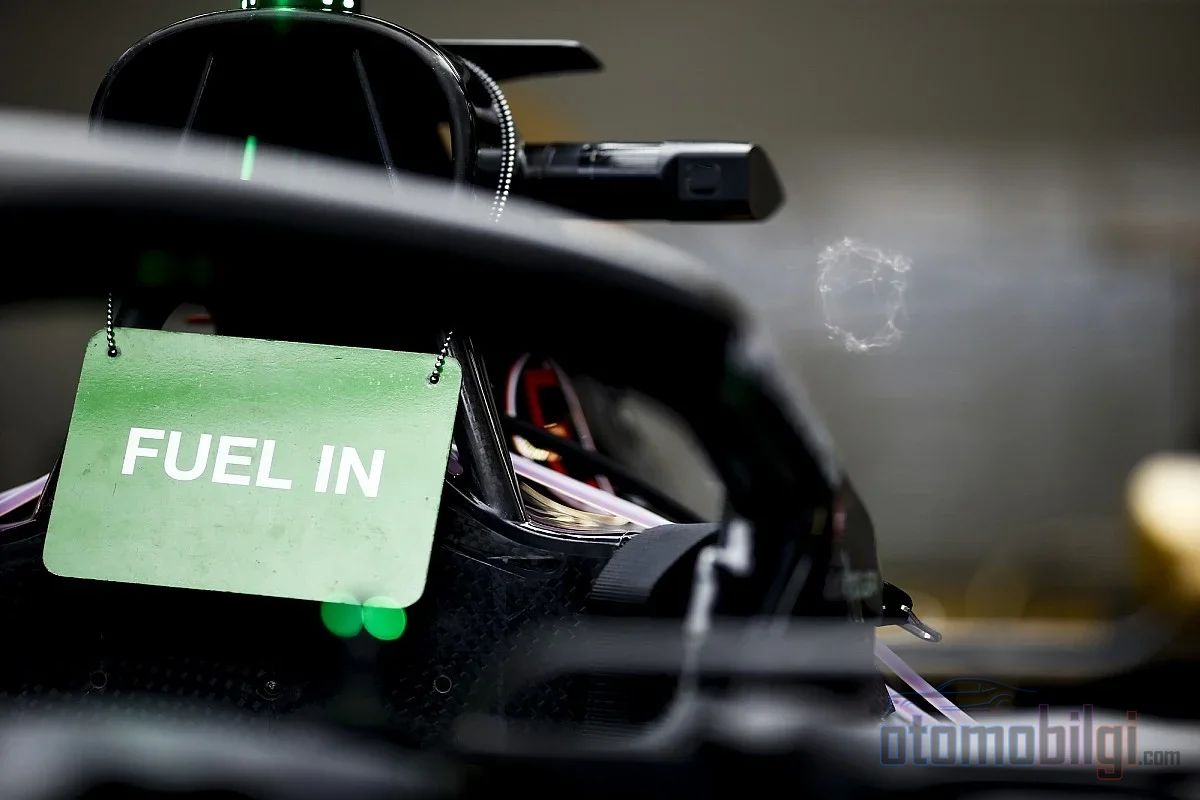
The 2026 Formula 1 season has begun, and what has changed on the grid is not just the cars: the fuel entering the tanks now contains not a single drop of crude oil. How did that sound to you? Yes, exactly like that: the engines racing in the world's fastest circus now run on synthetic fuel produced from CO2 captured from the air, municipal waste, and non-food biomass. But the real question here is this - is this transition truly proof of the e-fuel promise, or just an expensive show? If you're ready, let's take a look together at the first findings from the track laboratory.
What exactly does F1's 2026 fuel revolution change?
Let's first clarify the technical side, because "sustainable fuel" means different things to different people. The rule the FIA has made mandatory from 2026 onward says this: teams may use only 100% sustainable fuel produced from Advanced Sustainable Components (ASC). These components can come from three sources: biomass that does not compete with food production, renewable raw materials of non-biological origin, or municipal waste. And all of them must pass strict greenhouse gas thresholds.
F1's own definition is even more ambitious: the fuel is an e-fuel produced through carbon capture - CO2 obtained from the air or from industrial emissions. So, to put it crudely, you collect carbon released into the atmosphere and turn it back into fuel using renewable energy. Contributions also come from waste and agricultural residue. No batch can reach the track without independent certification - this is a non-negotiable condition of the rule.
Actually, this idea is not new. Back in December 2020, the FIA had already sent the first batches of bio-waste-derived 100% sustainable fuel to engine manufacturers for testing. In 2021 the European Truck Racing Championship, and in 2022 WRC and WEC, had already switched to these fuels. F1, meanwhile, has been using E10 fuel containing 10% ethanol since 2022; the sustainable fuel used last season in Formula 2 and Formula 3 showed no negative effect on performance. So 2026 is not an experiment starting from scratch - it is the last rung of the ladder.
Highlights
- From 2026 onward, 100% sustainable fuel containing no components from crude oil is mandatory in F1
- Energy limit of 3000 MJ/hour: the rule is now based on energy density rather than kilograms
- The fuel is designed as "drop-in": it can run in existing gasoline engines without requiring any modifications
- Synthetic fuel production efficiency ranges between 59-89%, while the cost is far above that of fossil fuel
- Critical finding: synthetic-fuel vehicles can deliver to the wheels only 6-18% of the initial electricity
Why did the rules switch from kilograms to megajoules?
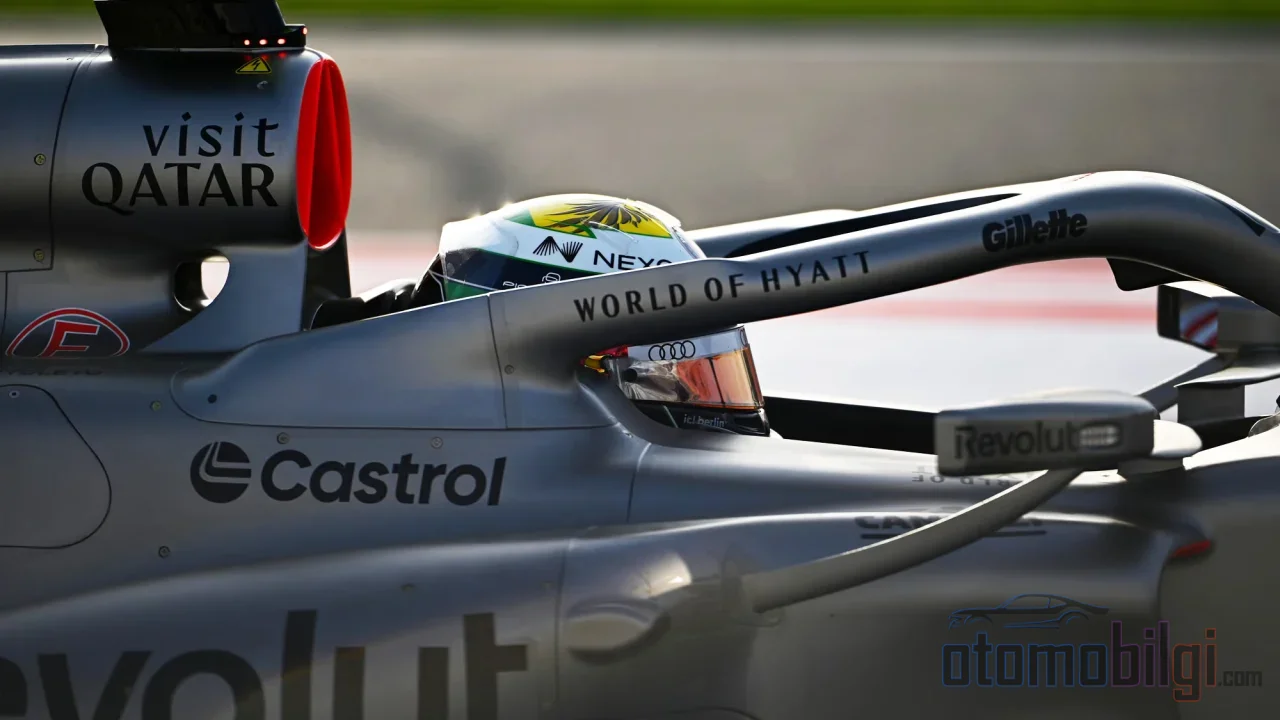
Here is the detail most people overlook but which is the heart of the story: Since 2014, the mass of the fuel in races had been limited. In 2026 the emphasis changed, and the limit became an energy budget of 3000 megajoules per hour. Why does it matter? Because the biggest problem with synthetic and bio-component fuels is energy density. Gasoline is an incredibly good fuel in terms of energy per unit of mass - almost no alternative has been able to match the calorie value it captures per liter since day one.
So when the rule makers started saying megajoules instead of kilograms, they were in effect admitting the following: in the e-fuel era, fair competition should be measured by the energy expended. The electronic brain makes this calculation based on fuel samples certified in advance by the independent body. It's like giving everyone the same amount of water in a swimming pool - but now you're measuring the water in liters, not in buckets.
Which path did the manufacturers choose?
Each team can choose its own fuel, and the strategies split into two. Shell chose the biofuel route with Ferrari, while actors like Red Bull Racing, ExxonMobil and Honda announced their development on the synthetic e-fuel side. Honda's story is particularly interesting: In 2021 they produced carbon-neutral methanol from green hydrogen and wood biomass carbon, and derived high-performance components from it. That year, 58.5% of the components were carbon-neutral - and it was verified that 100% was technically possible. As of 2026, Honda, through HRC as a power unit supplier, is using these fuels on track. Details about the approval process have not yet fully clarified: all fuels must go through multi-stage certification, and during the transition period blends without full approval are reportedly allowed.
The performance question: can e-fuel produce as much power as gasoline?
I'll give you the honest answer, because the point of this is not to embellish things: nobody knows the definitive answer yet. Fossil fuels are extremely high in calorie value, and capturing that energy density from day one is a very big demand for sustainable alternatives. The expectation is performance "very close" to the fossil level and a rapid development curve in the coming years.
The numerical context is as follows: gasoline carries about 18,400 BTU of energy per pound, while nitromethane stays around 5,000 BTU - so different fuel chemistry makes a serious difference. Ethanol's energy content is markedly lower than gasoline's; it requires roughly 2.2 times the consumption for a similar distance. Synthetic fuels have their own specific problems too: according to Honda, carbon-neutral fuels are materials that are harder to vaporize than conventional gasoline. For that reason, development teams are working in two directions: making vaporization easier and developing technologies that improve the combustion of hard-to-vaporize fuels.
It once seemed like a dream, now it's on track
How real is this idea? Sebastian Vettel's "Race without Trace" project held track demonstrations with sustainable fuel using legendary cars like the Williams FW14B, McLaren MP4/8 and Red Bull RB9. The Porsche and ExxonMobil collaboration, meanwhile, focuses on synthetic fuels produced from hydrogen and captured CO2; in 2021, low-carbon fuel was tested under real racing conditions in the Porsche Mobil 1 Supercup. Porsche announced that in 2020 alone it invested around 24 million dollars in e-fuel development. Motorsport is putting serious money into this.
Will it jump to road cars: the promising side
Now let's get to the main issue - what will trickle down from this racing fuel to everyday driving? F1 has required racing cars to use road-compatible fuel for more than 30 years. So the octane value and components of the 2026 fuel are very similar to the pump at a gas station. Distillation profiles, detergent formulations and octane numbers developed in the lab are directly relevant to road vehicles and transport fleets.
The most critical technical concept is this: drop-in fuel. That is, the fuel was designed to be able to replace its fossil equivalent without requiring engine modifications or adjustments - it can work in existing gasoline engines and distribution infrastructure. Imagine this: The FIA explicitly states that it has designed a certification scheme compatible with the more than 1 billion internal combustion engines worldwide, and that the goal is to bring these fuels to the daily vehicle market. The certification infrastructure itself has already been established with a three-stage verification process developed with Zemo Partnership (supply chain, fuel composition, emissions performance). In Honda's green hydrogen-based process, light components after distillation can be used as gasoline substitutes, while heavy components can be valued as jet fuel - even being tested in eVTOL trials.
The skeptical side: efficiency, NOx and the price tag
Okay, the promise side is strong. But what are the critics saying? Here the picture gets considerably darker. The analysis by transport environmental organizations points to two harsh facts: First, vehicles running on synthetic fuel emit as much NOx as fossil-fueled engines - meaning it does not reduce air pollution. Second, the production chain is inefficient: when e-fuel is produced from renewable electricity and burned in an internal combustion engine, only 6-18% of the original electricity reaches the wheels. If you had given the same electricity to a battery-powered vehicle, far more of it would have made it to the road. That is why those who advocate the battery side think that synthetic-fuel combustion is not a better solution for cars.
The cost side is even tougher. The current production cost of synthetic kerosene and methanol is in the range of 1,200-4,200 euros per ton; Process efficiencies range from 59% to 89%. The assessment from Durham University is clear: e-fuels will remain more expensive than fossil fuel until they reach price parity, and the determining factor will be electricity prices. Market size estimates, meanwhile, give wildly different figures depending on the source - a sign that the sector has not yet matured. In fact, F1 not allowing manufacturers to share processing steps is seen as a significant technical difference from developing road fuel: pure, separated processes are essential for racing.
So what's the answer - is the track testing this promise?
The short and honest answer to the question is this: Yes, F1 is today e-fuel's highest-budget real-world test in existence - but the test isn't over yet and early results are mixed. On the track side, the promise holds: the fuel works as a drop-in, the certification chain has been established, the engines are turning laps, and performance is tracking close to fossil-fuel levels. The commercial side, however, isn't holding up yet: production is expensive, the energy chain is inefficient, and until the NOx problem is solved, e-fuel isn't the magic key to climate goals.
My reading is this: F1's real contribution here isn't making the fuel cheaper - it's maturing its chemistry, combustion behavior, and certification infrastructure under the harshest conditions. In the 2026 power units, the hybrid system draws roughly 50% of its power from recovered electrical energy; this is just one part of the sport's biggest transformation package of the last decade. Will the findings here trickle down to road fuel? Technically, the drop-in property says yes. Economically, being able to say yes requires electricity prices to fall and production to scale up. The track laboratory has started the experiment; the result will come from the pump, not the table.
Sources
- All you need to know about F1's Advanced Sustainable Fuels
- A New Era of Sustainable Fuel: FIA introduces major step
- What is F1 Carbon Neutral Fuel? - Honda
- The science behind Scuderia Ferrari's sustainable race fuel
- The game-changing new fuels in Formula 1 - Shell
- FAQs: The F1 2026 fuel switch
- The Single Tech That'll Decide F1 in 2026