Jensen Huang Resigns from Nvidia
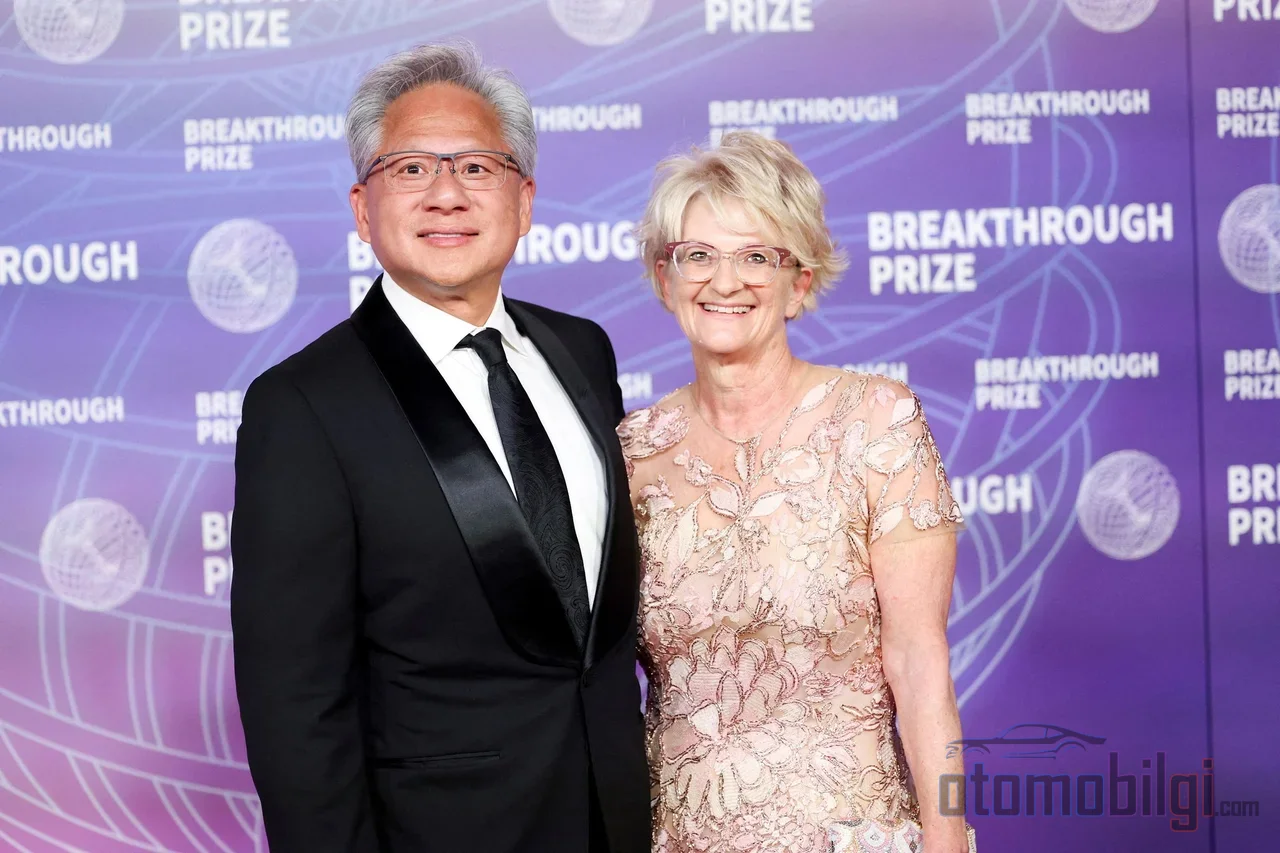
Jensen Huang announced on Thursday, November 12, 2026 that he was stepping down from the chairmanship and CEO seat of Nvidia, effective immediately. The name who had single-handedly led the company for 33 years since its founding in 1993 was gone in a single day; what remained was a giant artificial intelligence chip empire and serious question marks over the automotive world's driver assistance software plans. So how will this sudden departure affect the partnership network stretching from Hyundai to Volvo, from BYD to Mercedes-Benz?
Viewed through the eyes of someone who has been in this business for more than 30 years, Huang's departure is not merely a management change; it means the guarantee over the chip giant's strategic relationships with vehicle manufacturers changing overnight. In the past, Nvidia used to bring graphics cards to mind; the name who made the company part of the software backbone of the global automotive industry today through the autonomous driving platform NVIDIA DRIVE Hyperion was Huang himself.
Why Did Jensen Huang Resign?
The resignation is not a decision that came on its own; behind it lies a process spanning months but with devastating consequences. US intelligence agencies had assessed the Chinese businesswoman Alice Huang as a Chinese spy. According to the claim, the relationship between Huang and this person had been established by a Chinese spy network in order to gather information about Huang. Thereupon, Nvidia's board of directors launched an independent investigation on November 8, 2026. Four days later, on November 12, Huang announced his resignation.
The scope of the investigation was not limited to this either; the disclosure of a second relationship Huang had with an Nvidia executive who reported to him worsened the picture. Huang is 63 years old and the company's largest shareholder; he holds approximately 3.56 percent of the shares, but does not have super voting rights. So his influence in the company, to which he had been deeply committed since its founding, stemmed not from his shares but entirely from his managerial position. That position came to an end as of yesterday.
Who Is Running Nvidia Now?
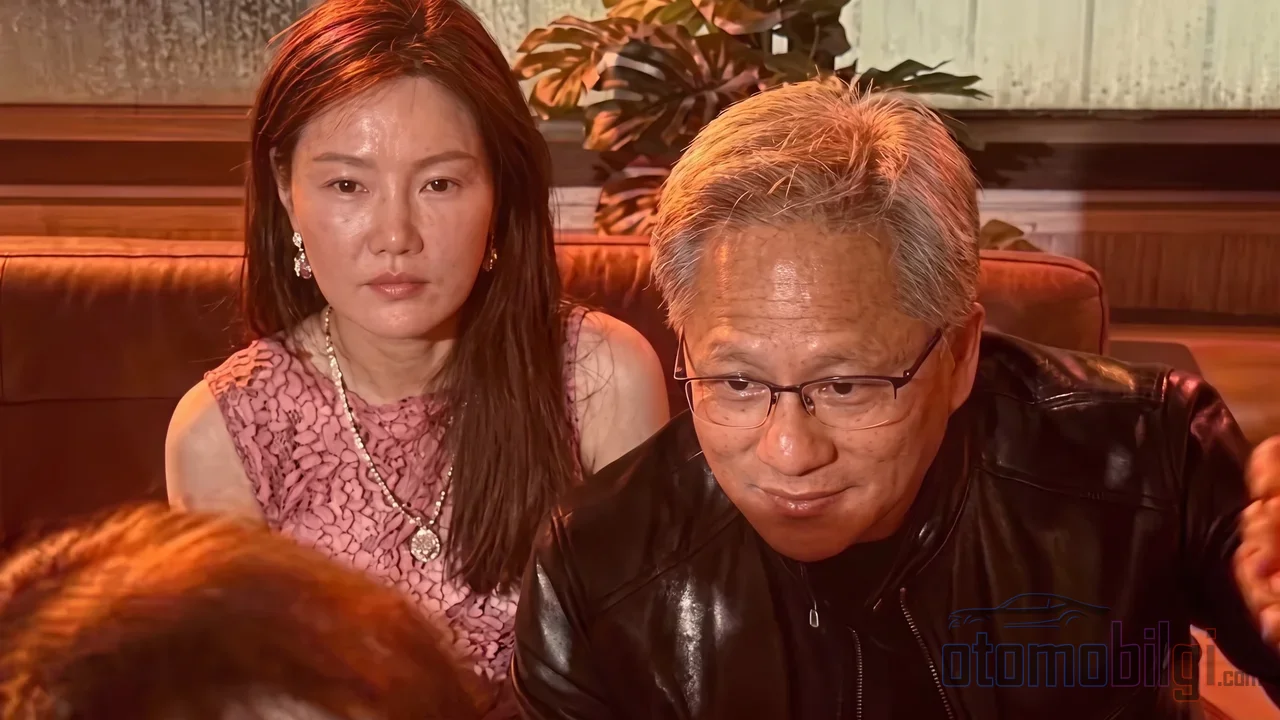
It cannot be said that the management gap was short; the company did not collapse, only the helm changed. CFO Colette Kress was appointed as interim CEO and continues to oversee financial affairs as well. Harvey Jones took over the new chairmanship of the board of directors; Jones also stood out as the name who announced Huang's departure to employees via email.
Highlights
- Jensen Huang resigned as Nvidia CEO, effective November 12, 2026, immediately; he had led the company for 33 years.
- CFO Colette Kress became interim CEO; Harvey Jones was appointed chairman of the board of directors.
- Nvidia's fiscal 2026 revenue is 215.9 billion dollars; the automotive sector accounts for a share of 2.4 billion dollars of that pie.
- Hyundai, Volvo, Mercedes-Benz, BYD, Geely, Nissan and Isuzu are among Nvidia's driving technology partners.
- Huang was invited to testify before the Senate Banking Committee on December 3.
However, temporary appointments do not mean permanent stability. Nvidia has never designated a successor for Huang since its founding; the company's flat, short-hierarchy management structure is going through a succession test for the first time. How long Kress will remain at the head of the bridge during this process, and which direction the search for a permanent CEO will take, remains unclear for now.
What Kind of Company Is Left Behind?
The figures show the scale of the structure Huang leaves behind. Nvidia closed fiscal 2026 with revenue of $215.9 billion; that means an increase of roughly 65 percent year over year. In the April quarter, revenue reached a record $81.6 billion and net profit reached $58.3 billion. The company holds an estimated 90 percent of the market for the most advanced chips used in AI training. In short, Huang is gone but the giant is standing; the question is under whose command and with what priorities the giant will march.
The market has already priced in this uncertainty. After the announcement, the stock fell by as much as 14 percent on Thursday morning, recovered most of the loss during the day, and closed with a decline of over 4 percent. The Philadelphia Semiconductor index fell about 2 percent at the open; competitors such as Broadcom, Qualcomm, and AMD rose in early trading. Some analysts believe Huang's departure could open a window of opportunity for companies like Google and Amazon, which are developing their own AI chips.
What Happens to the Automotive Unit and Partnerships?
This is the main part of our story. Huang's resignation has raised an open question mark in the industry about Nvidia's commitment to automotive. Automotive generates $2.4 billion in revenue for Nvidia; considering fiscal 2026's total revenue of $215.9 billion, that is a small share of the company as a whole. From an investor's perspective, it may seem negligible. But the smaller a business unit's slice is, the more it depends on Huang's personal vision, the more it is shaken by his departure.
The other half of the picture is the growth rate. Nvidia's automotive segment set a record with revenue of $570 million in the last quarter of fiscal 2025, reaching that figure with a 103 percent year-over-year increase. The segment was expected to reach about $5 billion in fiscal 2026. In other words, automotive is one of the smallest but fastest-growing slices of the pie. For a company betting on driver-assist software and a robotaxi future, the fate of this slice is a headline that will be directly affected by the management change.
How Broad Is the Partnership Network?
Nvidia's relationships on the automotive side have deepened considerably over the past two years. At the GTC event in March 2026, it was announced that BYD, Geely, Isuzu, and Nissan adopted the DRIVE Hyperion platform for L4 -level vehicles. Hyundai Motor Group and Kia are among the parties expanding their strategic cooperation for L2 and above autonomous driving technologies. Volvo Cars announced on October 15, 2026 that it expanded its automated driving partnership with Nvidia; Volvo's safety systems will be combined with Nvidia's artificial intelligence and computing technologies. Mercedes-Benz has also expanded its collaboration for future vehicle systems. DRIVE Hyperion has also been positioned as a global platform for robotaxi fleets ready for L4 level.
This list covers a wide spectrum from all over the world, from electric to traditional manufacturers. The two giants of the Chinese market, BYD and Geely, Japan's Isuzu and Nissan, Europe's Volvo and Mercedes-Benz, and Korea's Hyundai and Kia. In an environment where Huang personally champions these partnerships, it is not yet known whether the new administration will give the same priority to the automotive unit.
How Should the Industry Trajectory Be Read?
There are two separate readings, and both are defensible. On the one hand, Nvidia's channel partners are signaling that Huang's departure will not affect the strong AI demand and there is no need to panic. The demand side is indeed solid; when choosing a chip supplier, customers look not only at today's product portfolio but also at the technology roadmap, and this roadmap was built by the company's engineers together with Huang.
On the other hand, cautious voices are also strong. According to some commentators, the Nvidia guarantee that was valid a week ago does not carry the same value today; the borrowing arrangement of AI infrastructure companies tied to Nvidia could be shaped by the new administration's approach. On the analyst front, price targets were sharply cut; J.P. Morgan went from 320 dollars to 215 dollars, Citi from 315 dollars to 225 dollars, and BNP Paribas remained in the minority by keeping its 345-dollar target. The stock is currently trading at around 160 dollars. There are also warnings that Huang's dismissal could produce worse consequences than the original scandal itself.
The Legal and Political Process Ahead of Huang
The resignation is not the end of Huang's problems, but perhaps the beginning of a new chapter. Senator Tim Scott asked Huang to voluntarily appear before the Senate Banking Committee on December 3; it was reported that otherwise a subpoena could be issued. Huang, along with Commerce Secretary Howard Lutnick, has been invited to testify before the committee in December. On the House of Representatives front, testimony negotiations are ongoing; it was reported that Huang agreed to testify in Congress before Thanksgiving. On the legal front, he retained Melinda Haag and Walter Brown from the firm Paul Weiss as representatives.
On the political front, a strange incident took place. US President Trump defended Huang for a week and praised his success; then suggested that former Apple CEO Tim Cook take the helm of Nvidia. This is a presidential suggestion; it is not a decision of Nvidia's board of directors, and it is not yet known whether it will be decisive in the search for a permanent CEO.
What Does This Mean for Automotive Partners?
The short and clear answer is this: The partnerships are in effect at the agreement level, but how long they will last depends on the weight the new administration gives to automotive. Huang describes autonomous driving technology as a solved problem and was arguing that it would become a trillion-dollar business. The architect of this vision has left the table; whether Nvidia under Colette Kress will repeat and defend this claim with the same conviction is one of the most critical automotive questions of the coming months.
From the perspective of vehicle manufacturers, the picture is calmer. For now, there is no reason to think that companies adopting the DRIVE Hyperion platform will change their plans in the short term; the platform has been developed and agreements have been signed. The real risk lies in the medium term: the automotive unit holds a very small share of the company's total revenue, and if the new management is a name with financial discipline at the forefront, the automotive share in resource allocation may be the first item to be defended against at first glance. This means risk of delay and revision in driver assistance software roadmaps.
To be said with the perspective of many years: The automotive industry is not accustomed to the whims of technology giants; a sector that works with long product cycles cannot plan according to quarterly stock market fluctuations. During the Huang era, Nvidia managed to position itself at the center of vehicle software. Now the test will show whether this position belongs to the person or to the institution. Colette Kress's interim management and permanent CEO choice will be the first signs determining the future of the partnership network extending from Hyundai to BYD.