Ken Block's Gymkhana and the Storm It Created on the Internet
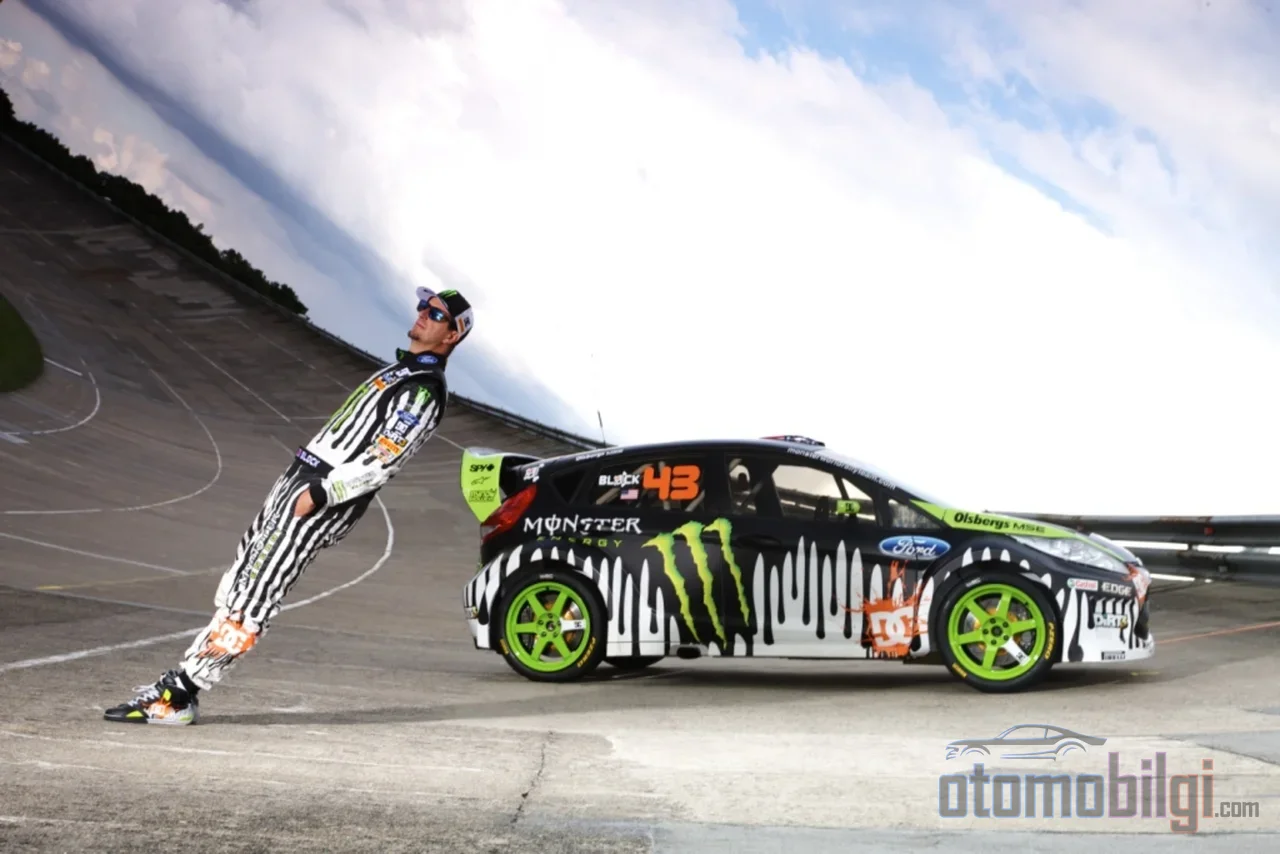
A single video uploaded to YouTube on November 11, 2008, filmed with a Subaru WRX STI in an old warehouse area, changed the course of car culture. With that footage full of tire smoke and minutes-long sharp maneuvers, rally driver Ken Block took car content production out of the monopoly of television studios and carried it to the internet. So how did a practice video become a phenomenon surpassing half a billion views, an icon like the Hoonicorn, and eventually an entire culture called hoonigan?
Gymkhana Practice: How Did a Practice Video Become a Phenomenon?
The story begins with a meeting that happened at just the right time. In the mid-2000s, internet car forums were on the rise, the X Games was already an established event, and skateboarding culture had developed a video-centered aesthetic since the VHS era. Ken Block was the co-founder of DC Shoes; meaning he knew the language of branding, video, and young audiences very well. He began his rally career in 2005 with Vermont SportsCar, was named Rally America Rookie of the Year the same year, and won a bronze medal at the first X Games rally event in 2006.
The first video, Gymkhana Practice, was published on November 11, 2008. The car was prepared as a full race car and was the first Subaru WRX STI built specifically for Gymkhana. In 2009 alone, the first video reached over 20 million views - an incredible figure for that period. Gymkhana Two in 2009 was filmed with Subaru again; then the fate of the series changed.
Highlights
- The first video was published on November 11, 2008, with a Subaru WRX STI.
- All Gymkhana videos combined reached over 500 million views, while Block's channel alone reached over 600 million.
- Most iconic car: The 1965 Ford Mustang Hoonicorn with 1,400+ horsepower.
- Gymkhana Five, filmed in San Francisco, received 5.1 million views in the first 24 hours.
- Block passed away on January 2, 2023 in a snowmobile accident in Utah.
From Subaru to Ford: The Evolution of the Cars
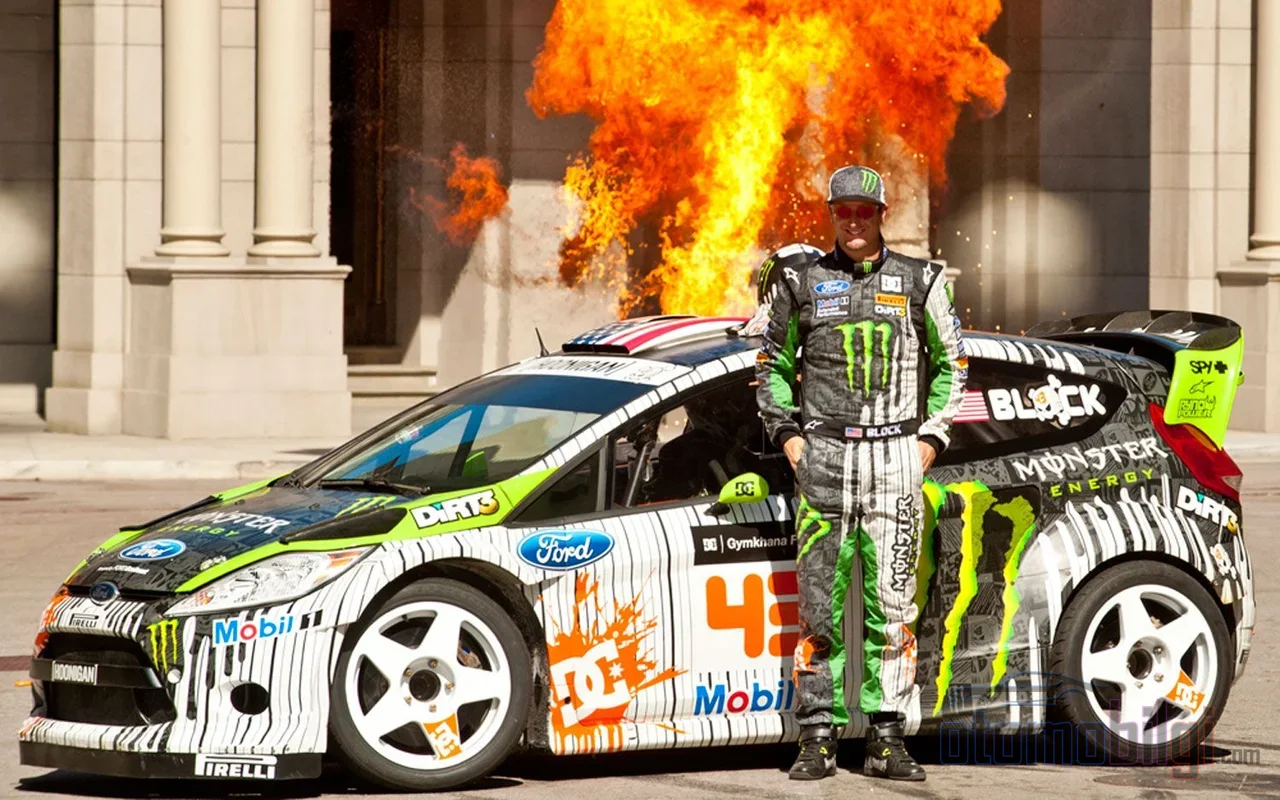
The series was associated with Subaru in its first two videos, but with Gymkhana Three in 2010, the Ford Fiesta era began. The Fiesta, prepared by Olsbergs MSE, became the face of the series with consecutive videos. Gymkhana Five, filmed on the streets of San Francisco in 2012, became the most-watched video of the week with 5.1 million views in the first 24 hours - there was no longer any debate about the power of the internet.
The truly radical transformation came in 2014 with Gymkhana Seven: the star of the series became a fully customized 1965 Ford Mustang, namely the Hoonicorn. The video, filmed on the streets of Los Angeles, brought muscle car aesthetics together with drift culture. The V2 version of the Hoonicorn, producing more than 1,400 horsepower with twin turbochargers and methanol fuel, climbed the 14,000-foot Pikes Peak in the 2017 Climbkhana, drawing attention with a time of 8:13.878. In the following years, locations like Tianmen Mountain were added to the series' map with the 914-horsepower Hoonitruck.
| Video | Year | Featured car |
|---|---|---|
| Gymkhana Practice | 2008 | Subaru WRX STI |
| Gymkhana Two | 2009 | Subaru WRX STI |
| Gymkhana Three | 2010 | Ford Fiesta |
| Gymkhana Five (San Francisco) | 2012 | Ford Fiesta HFHV |
| Gymkhana Seven (Los Angeles) | 2014 | Ford Mustang Hoonicorn |
| Climbkhana (Pikes Peak) | 2017 | Hoonicorn RTR V2 |
| Electrikhana Two | 2022 (released 2023) | Audi S1 Hoonitron |
Why Wasn't Television Enough?
Before Gymkhana, car content was in the hands of television: straight-line motorsport broadcasts, do-it-yourself programs aimed at a more mature audience, and car shows that demanded large production budgets. Appearing on TV required a polished production; the internet had no such barrier. Block's videos emerged precisely at this threshold - they were neither as sloppy as low-production viral clips nor as expensive as television. They filled a gap in between that no one else was filling.
Both catalysts perfected the timing: the spread of GoPro cameras made filming accessible to everyone, while The Fast and the Furious: Tokyo Drift turned burning rubber with imported cars into a cool pursuit in the eyes of the masses. Gymkhana, drawing on the editing aesthetics of skateboarding films, rode this wave. To be fair: Block didn't invent car stunts; directors and producers like Brian Scotto played a major role in the success of the early videos. But what is clear is this: when a marketing genius, the right timing, and the right audience came together, the genre we call car videos was redefined.
Hoonigan Culture and the Drift Generation
Gymkhana's influence wasn't limited to videos. Under the umbrella of Block - who raced with the number 43 car and made history as the first American driver to compete in the WRC in 2010 - the Hoonigan brand turned into a lifestyle. 11-episode side series like Hoonicorn Vs The World created a healthy car culture media ecosystem. We can summarize the approach as follows: YouTube made possible car content too exciting to be produced beneath the television system. The generation of movie cars gave way to the generation of YouTube's automotive stars.
Of course, there were criticisms too. Traditional gymkhana is actually a driving discipline with cone courses that emerged in the English countryside; after Block, most people associated the term solely with tire-burning videos. Others argue that social media commercialized car culture and that authenticity was lost. These are points worth debating; but it is certain that more than 500 million views represent a cultural impact no one can ignore.
Farewell and Legacy
On January 2, 2023, Block lost his life at the age of 55 in a snowmobile accident in Wasatch County, Utah. The world's automotive community was shaken; those who loved him remembered him as a name who drove cars in unimaginable places in unimaginable ways, yet was equally genuine. His final video, Electrikhana Two, was filmed in Mexico City in November 2022 with the Audi S1 Hoonitron and released after his death - in a sense, a farewell extending into the electric era.
His legacy lives on today. In 2024, Hoonigan released a compilation covering all the Gymkhana and spin-off series videos. New video content collaborations with Amazon are on the agenda. And most importantly: Children like Lia, Kira, and Mika Block are competing on tracks as race drivers. Some argue that after corporate changes, Hoonigan's content has lost its former power; this is a controversial view, but the legacy carried by the series itself is undeniable.
Why Did Ken Block's Gymkhana Establish Internet Car Culture?
Because Block permanently changed the way car content reaches audiences. The place of cinema's legendary movie cars and television's big-production shows was taken over by a format where a single video can reach millions, and brands meet content creators directly. Gymkhana transformed the car video from a marketing tool into a cultural genre; it carried drift and hoonigan aesthetics to the digital generation. In the DNA of almost every successful car video you watch on YouTube today, there are traces of that practice done in a warehouse with a Subaru in 2008.