MG4: Europe's Best-Selling EV
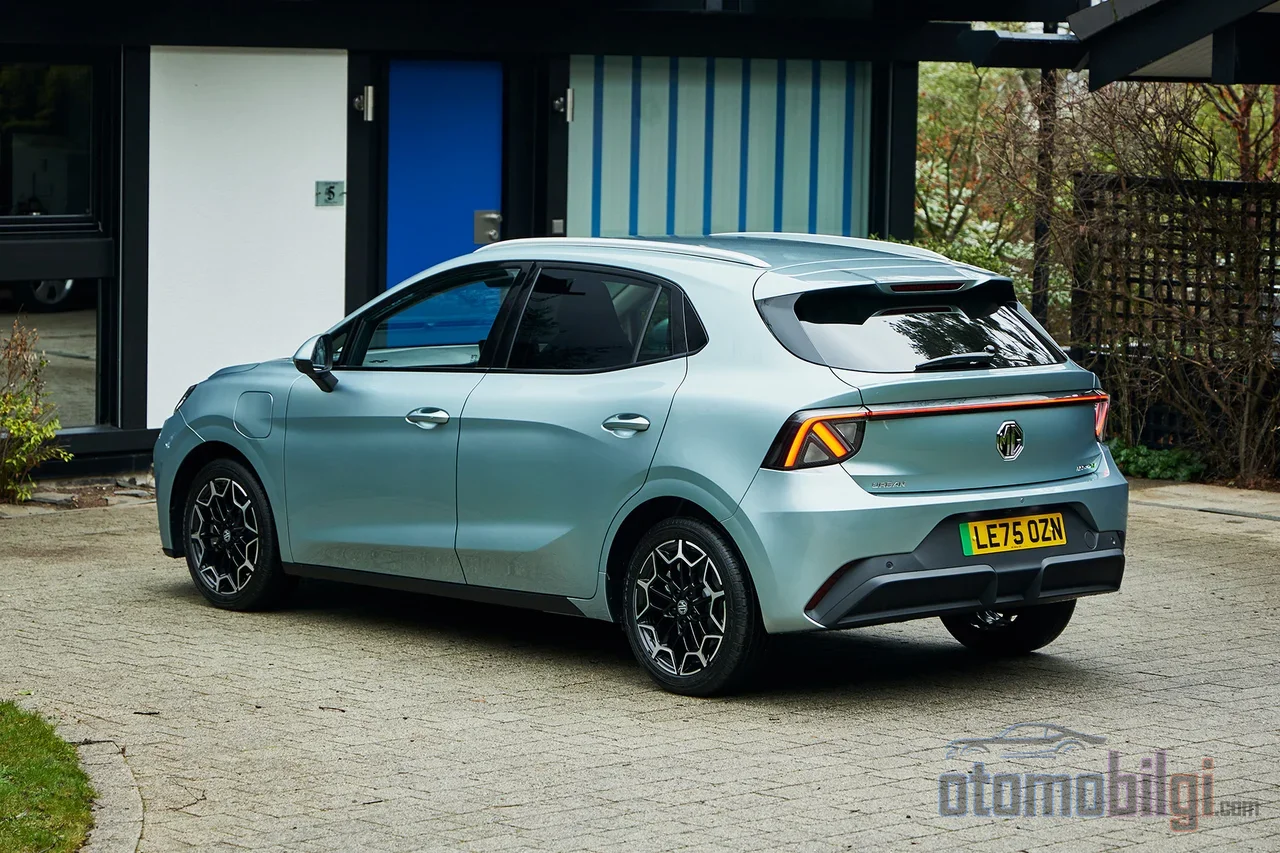
The rise of Chinese brands in Europe's electric car rankings is no longer news, it's statistics. But within these statistics, there is one model that single-handedly carries the main item of the sales charts: MG4. MG, under the umbrella of SAIC Motor, reached a volume of approximately 144,500 units in Europe in the first half of 2026 with only the MG4 and ZS EV; nearly 111,000 of that was pure electric. A family hatchback crossing the 200,000-unit production threshold in less than a year is a pace that challenges even the founding names of the segment.
So what is the formula behind this success? Is it just price, or an engineering calculation? On this page, where we examine the MG4 comparatively with its rivals in terms of its segment, platform, range, and charging character, the answer to the question emerges with numbers. Because the story of the MG4 is not a story of a cheap electric car; it is the story of a cost-benefit curve cut from the right place.
MSP Platform: The Technical Foundation That Makes the MG4 the MG4
The MG4 is MG's first vehicle developed as fully electric, and also the first product of SAIC Motor's architecture called MSP (Modular Scalable Platform). When these two "firsts" are read together, the character of the vehicle becomes clear: The MG4 is not a conversion of a gasoline car with a battery placed on top, but a hatchback designed as electric from the ground up.
The platform's most defining engineering decision is simply its ultra-thin floor battery with a height of 110 mm. This thinness provides two cascading gains: a low center of gravity and, consequently, a suspension that can be tuned stiffer; and secondly, an unbroken cabin floor with no tunnel or in-body wiring elevations. The 2,705 mm wheelbase is distributed at a generous ratio relative to the 4,287 mm body length; this is reflected in both rear knee room and weight distribution.
The drivetrain architecture also challenges the class norm. In standard versions, the motor is at the rear and drive is at the rear; only the dual-motor XPower version becomes all-wheel drive. For readers accustomed to front-engine, front-wheel-drive class standards, this means something simple: a more balanced load distribution in corners, leaving only steering duty to the steering wheel.
Highlights
- Ultra-thin floor battery with a height of 110 mm and a low center of gravity thanks to the MSP platform
- 545 km WLTP range with the new-generation 77 kWh battery
- Peak power of 117-154 kW in DC fast charging, 35-39 minutes from 10% to 80%
- XPower version with 320 kW / 600 Nm and 0-100 km/h in 3.8 seconds
- Production milestone of 200,000 units in less than a year
Battery, Range, and Charging Character: The Numbers Speak
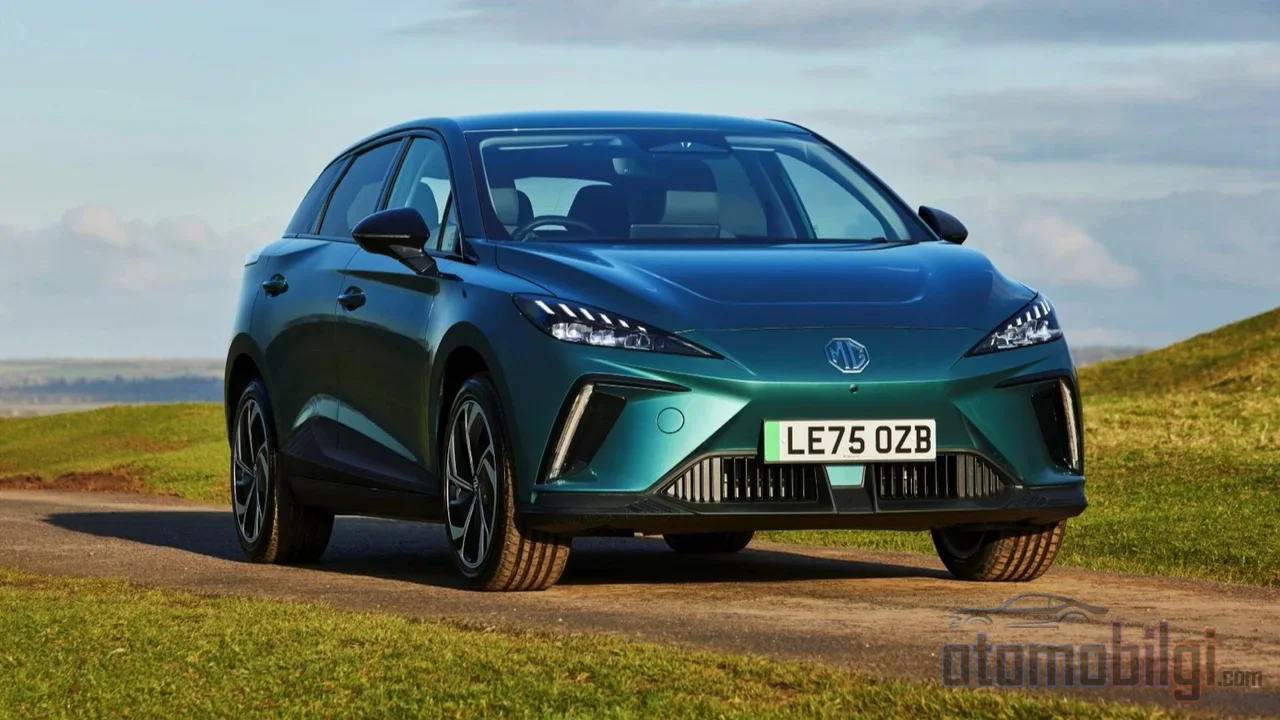
The MG4's powertrain range is wide, and this breadth requires clear differentiation of battery-motor pairings. In the first generation, there were two water-cooled batteries with NCM chemistry: Unit with 51 kWh nominal capacity (50.8 kWh usable) and 64 kWh nominal (61.7 kWh usable). The new generation carries a 77 kWh NCM battery and raises the WLTP range to 545 km. First-generation range figures varied between 350 km and 435 km depending on the battery.
Fast charging: peak value versus real-world reality
On the DC fast charging side, the first generation offers 51 kWh battery 117 kW and 64 kWh battery 135 kW peak power; At a 150 kW station, 10-80% charging takes 39 and 35 minutes. In the new generation, the Long Range version reaches up to 154 kW with its LFP chemistry battery, while Extended Range and XPower stay at around 140 kW.
That's all brochure language so far. The real-world data paints a more realistic picture: The median power of 24 charging sessions at stations with 180-200 kW capacity was measured at 70.2 kW (charging from 22% to 81%). This isn't data that discredits the MG4; it's proof that the fact peak power is only valid in a narrow SOC window applies to this model as well. To put it in engineer's terms: thermal management works conservatively, and range estimates need to be made accordingly. Indeed, it's a known user complaint that the consumption indicator can remain optimistic above actual consumption, and the range display can show up to 40 km more than the actual situation.
On the AC charging side, the first production vehicles were limited to 7 kW; in current vehicles this value has been raised to 11 kW. Also, thanks to V2L (Vehicle to Load) support, the vehicle can power external devices up to 2.2 kW with an adapter. On the consumption side, WLTP figures are in the 16.1-19.0 kWh/100 km band; in the Comfort trim, the typical value is around 17 kWh/100 km.
Interior and Technology: What's In and Out of the Cabin?
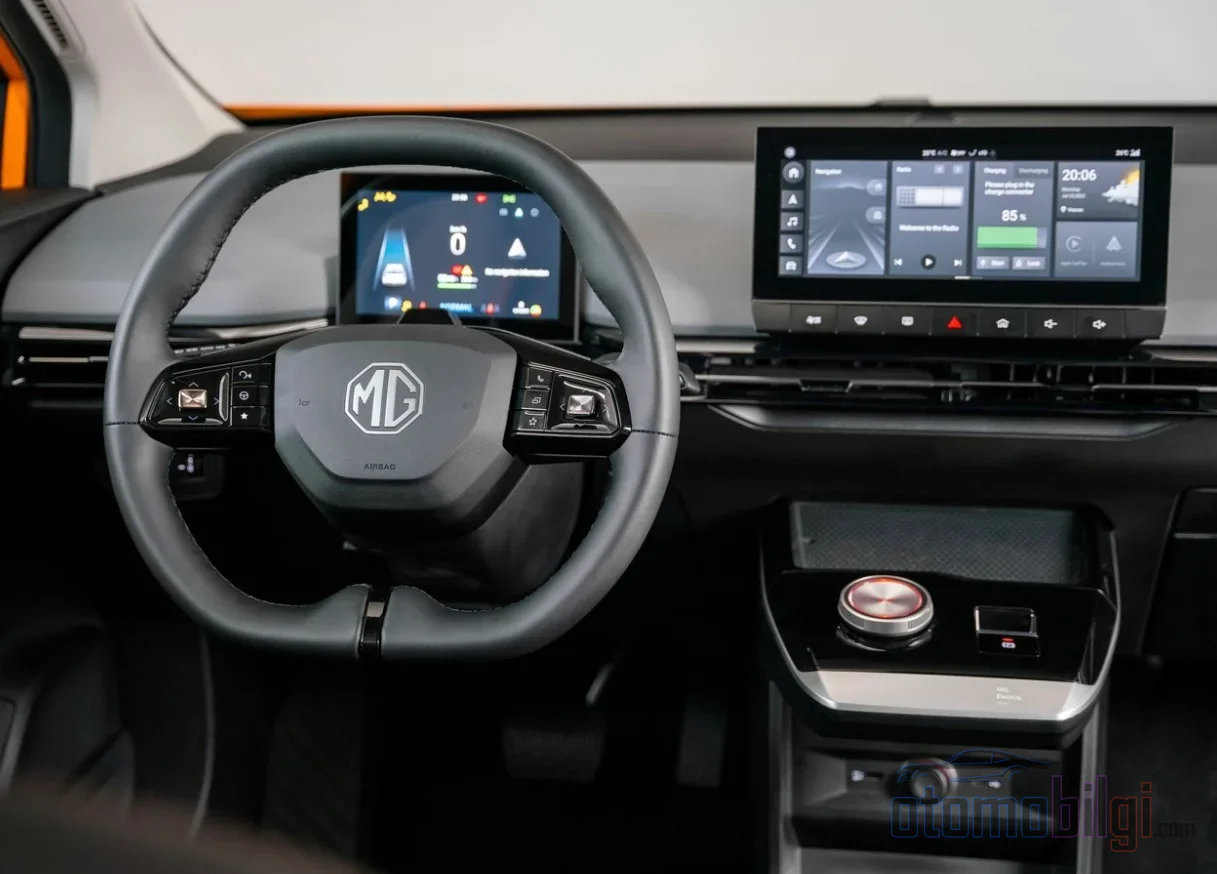
At the center of the cockpit layout is a 10.25-inch touchscreen and a 7-inch digital instrument cluster; Apple CarPlay and Android Auto are part of the standard equipment. Gear selection is done with a rotary dial, and the Trophy trim adds wireless phone charging, heated steering wheel and seats. The iSMART app manages remote climate control, charging scheduling, Bluetooth key and Wi-Fi hotspot functions from your phone.
Driver assistance features are grouped under the MG Pilot umbrella: Adaptive Cruise Control, Traffic Jam Assist, automatic emergency braking (AEB), lane keeping, intelligent speed limit and traffic sign recognition, blind spot detection, lane change assist, rear cross traffic alert, door opening warning and driver attention system. The coverage on this list matches one-to-one with the equipment lists of much more expensive C-segment vehicles; this list is largely the technical counterpart of the MG4's price-performance claim.
Dimensions are also slightly above the segment average: 4,287 mm length, 1,836 mm width (2,060 mm with mirrors), 1,504 mm height. Cargo capacity is 363 liters; folding the rear seats yields a value between 1,164 and 1,177 liters. Curb weight varies between 1,655 and 1,810 kg depending on the version; with a braked towing capacity of 500 kg, it falls below the average among EVs, and this needs to be noted as a usage limitation.
MG4 Technical Specifications Table
| Version | Motor / Drive | Power | Torque | 0-100 km/h | Battery / Range (WLTP) |
|---|---|---|---|---|---|
| Standard Range (51 kWh) | Single motor / Rear-wheel drive | 125 kW (170 PS) | 250 Nm | 7.7 s | 51 kWh / 350 km |
| Long Range (64 kWh) | Single motor / Rear-wheel drive | 150 kW (204 PS) | 250 Nm | 7.9 s | 64 kWh / 435 km |
| Extended Range | Single motor / Rear-wheel drive | 140 kW (190 PS) | 350 Nm | No manufacturer data | 77 kWh / 545 km |
| XPower | Dual motor / 4x4 | 320 kW (429 PS) | 600 Nm | 3.8 s | 64 kWh / 251 km |
In all versions, top speed is limited to 160 km/h. The XPower's 3.8-second 0-100 km/h figure is a respectable performance claim packed into a hatchback body; with its claimed 25-minute fast charging time, it is also in a strong position on the fast charging front. The Extended Range's 0-100 km/h figure has not yet been officially announced; the table should not be filled with speculation.
Against Its Rivals: What Sets It Apart from the ID.3, Born and Dolphin
Volkswagen ID.3 and Cupra Born: The MEB front
The Cupra Born, which shares the same MEB platform as the ID.3, the German reference of the segment, forms MG4's most natural comparison group. The size difference is small but directional: the MG4 is 22-26 mm longer and 27 mm wider than the ID.3. The difference becomes most evident in the price list. In the UK market, the entry MG4 starts at £23,495 while the ID.3 starts at £31,580 and the Born at £32,995; the gap between the MG4 and the Born is quite large for the segment average. About £2,000 of this difference comes from MG's smaller battery in the entry version; the rest is the work of equipment and brand positioning.
Although the Born shares the same base as the ID.3, it stands out with its stiffer suspension and sporty character. However, the entry Born's 58 kWh LFP battery version is limited to 105 kW in DC charging; the MG4's 117-154 kW band is a concrete advantage at this point. On the reliability side, the picture reverses: survey data shows the Born standing out with a score above the MG4's. A known complaint about the MG4 is the vibration problem in certain RPM ranges; 2026 reviews are still debating whether the issue has been resolved. An honest assessment has to write this item against the MG4.
BYD Dolphin: The Chinese rival derby
The BYD Dolphin comparison clarifies the strategic difference between two Chinese giants. In terms of size, the two are nearly twins: both are 4.29 m long with a 2.7 m wheelbase; the MG4 is wider (1.83 m vs 1.77 m), while the Dolphin is taller. The engineering difference lies in the drive architecture: the MG4 is rear-wheel drive with 125 kW and 250 Nm, while the entry Dolphin is front-wheel drive with 70 kW and 180 Nm. The MG4 leads in performance and charging speed, while the Dolphin stands out in efficiency and battery assurance (the Blade battery ecosystem). On the price side, the MG4 64 kWh Trophy stays below the 60.4 kWh Dolphin Design's £30,990 in the UK, at £29,995.
A note about the 9.6-second 0-100 km/h figure circulating in comparisons: that figure belongs to the small-battery entry version of the MG4. The official figure for the 64 kWh Long Range is 7.9 seconds; version confusion must definitely be taken into account when reading comparisons.
Global Market Position and European Success
The numbers concretely reveal the MG4's position in Europe: In the first half of 2026, MG's two main models (MG4 and ZS EV) sold approximately 144,500 units on the continent, with close to 111,000 of those being pure electric; that is an 11 percent increase compared to the previous year. The MG4 family sold over 17,000 units in August 2026 alone, and total production surpassed 200,000 units in less than a year. Within SAIC, MG's European total has reached the threshold of 1 million vehicles; of these, 317,000 are pure electric.
The context also matters: While Chinese brands' European sales accelerated by 80 percent, the overall European market shrank by 3.6 percent. In other words, the MG4's success came not from the wind of a growing pie, but from market share transfer in a shrinking market. This is proof that pricing policy alone was not enough - the product was also conceived correctly. For the 2026 model year, an 8.8-inch digital gauge, a 15.6-inch 2.5K central display, and an AI-powered voice assistant were announced for the MG4's China-market version; to what extent the European tier will meet this equipment is a matter to watch in the period ahead.
Conclusion: Why Does the MG4 Sell So Well?
The short and measurable answer is this: The MG4 offers its rear-wheel-drive electric architecture, the MSP platform's slim battery and low center-of-gravity advantage, a WLTP range span of 350-545 km, and extensive ADAS equipment at a price thousands of pounds below the ID.3 and Born; it is this equation that makes it one of Europe's best-selling electric hatchbacks.
To add from an engineer's perspective: the calculation is not flawless. The screen software's responsiveness and menu depth, the gauges' optimistic range estimates, real charging sessions falling below peak values, the discussed judder issue, and the 500 kg tow limit are items the buyer should not gloss over. But this hand played on the price-performance axis against the German brands that write the segment's rules, as the sales charts prove, found ample resonance with the European buyer.
Sources
- MG4 EV Brochure (MG UK, October 2022)
- MG4 Extended Range 77 kWh Technical Specifications (Carbuyer)
- MG4 XPOWER 64 kWh Technical Specifications (Carbuyer)
- MG4 and Volkswagen ID.3 Comparison 2026 (Carvago)
- MG4 and ID.3 2026 Comparison (Wagonex)
- MG4 Range and Charging Data, November 2026 (Adze)
- MG4 Review (Top Gear)
- MG Expands Its Electric Lineup (MG Türkiye)
- MG4 Battery and WLTP Range Discussion (GoingElectric Forum)
- MG4, ID.3 and Cupra Born Three-Way Comparison (Bobi.car)