Peugeot E-208: City Experience with Over 400 km of Range
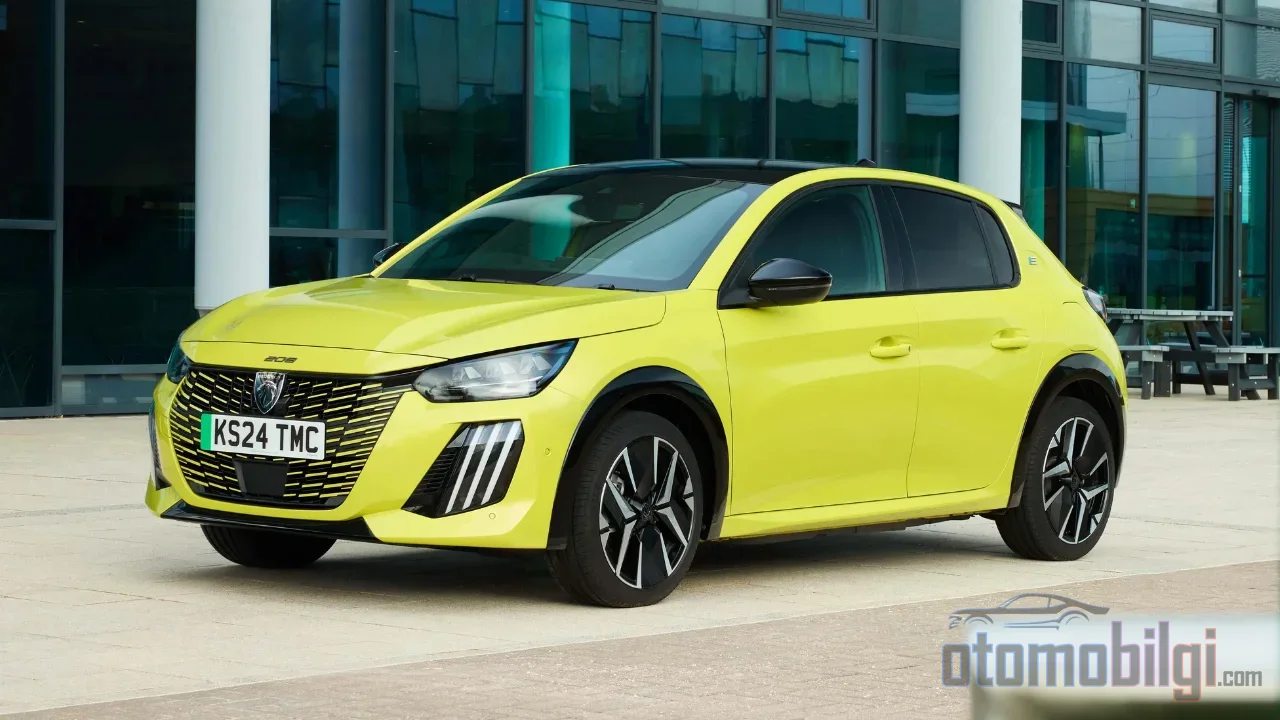
Electric cars in the B segment are no longer a niche, but mainstream. The Peugeot E-208 is one of the models standing right at the center of this transformation: it hit the road in 2019 as the brand's first fully electric car, and in 2024 it became the best-selling electric B-segment model both in France and across Europe. So what is the technical formula behind this success? And is the difference between it and the Opel Corsa Electric from the same group really apparent on paper, or on the road?
The Technical Formula: Two Power Levels, One Logic
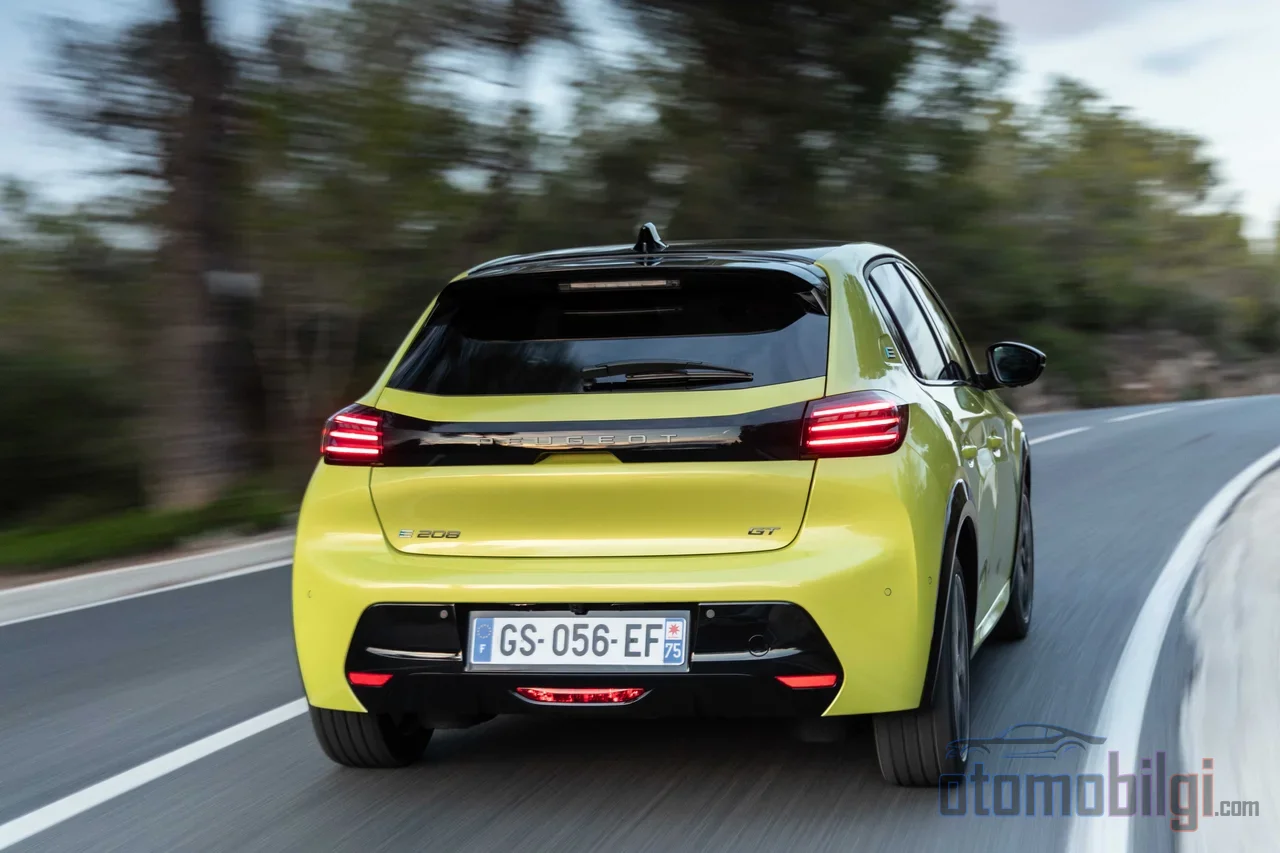
The E-208 has a front-wheel-drive layout with a single electric motor mounted on the front axle. The motor is offered in two different power levels: 100 kW (136 hp) and 115 kW (156 hp). Torque is the same in both versions: 260 Nm, and all of that torque is ready from the very first moment. The result is a 0-100 km/h acceleration figure of around 8.1 seconds in the 136 hp version and 8.2 seconds in the 156 hp version. Top speed is limited to 150 km/h in both; that is more than enough of a frame for a compact city car.
On the battery side, the model's evolution is clearly visible. While the first version came with a 50 kWh gross (46 kWh net) battery, the updated version introduced a 54 kWh gross (51 kWh net) lithium-ion pack. This growth translated directly into range: according to the latest official data, the 156 hp and large battery combination offers a range of 433 km WLTP, and that is a class-leading value. The more common versions with 50-51 kWh net batteries stay in the 362-399 km WLTP band. This difference between versions explains why the E-208's range figures are quoted across such a wide range.
Highlights
- At the top of its class with a range of 433 km WLTP in the 156 hp version
- From 20% to 80% in under 25 minutes with 100 kW DC fast charging
- 260 Nm of torque and 0-100 km/h acceleration in 8.1-8.2 seconds
- Europe's best-selling electric B-segment model in 2024
- One of the most distinctive interiors in its class with the 3D i-Cockpit
Charging Character: A Profile Suited to the Rhythm of the City
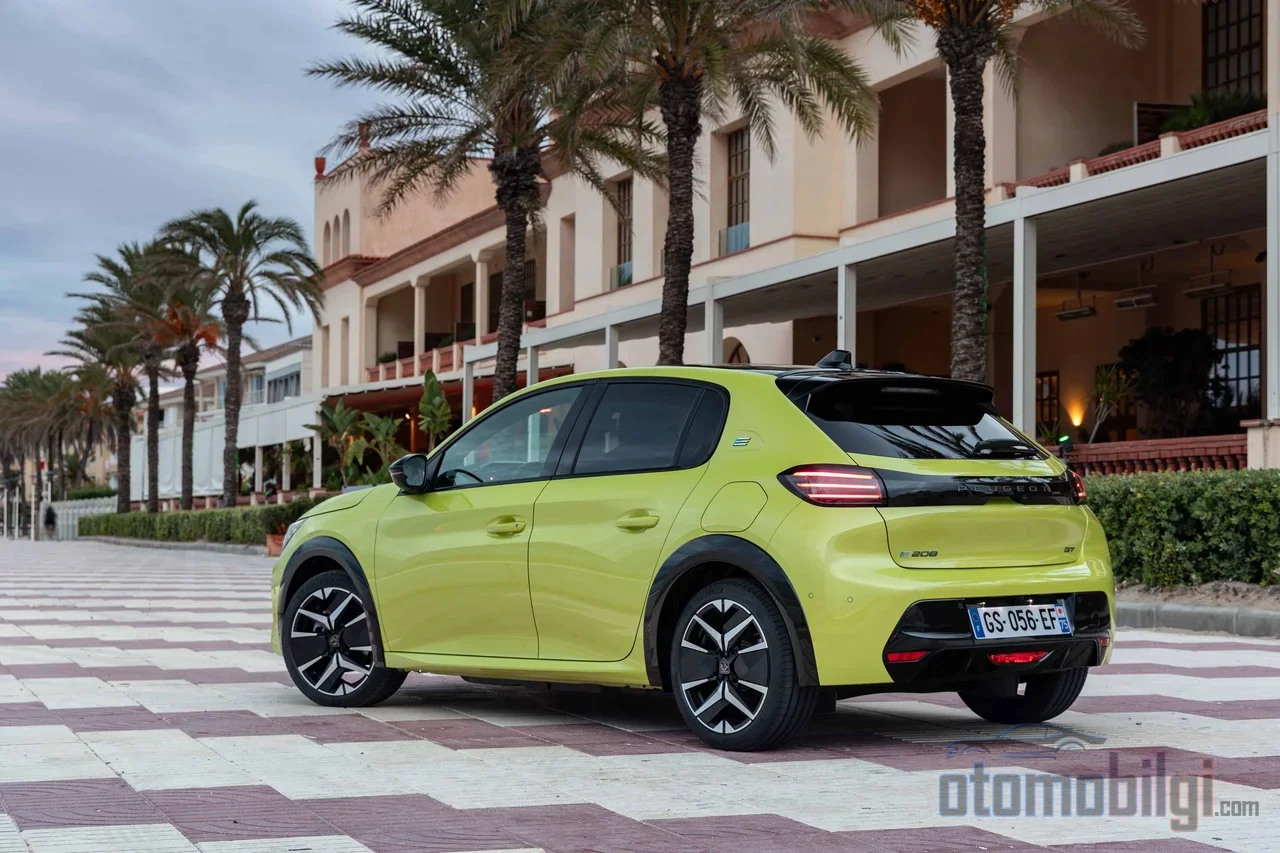
In a city EV, charging speed is just as decisive as range. The E-208 can draw a power of up to 100 kW in DC fast charging; in the current 54 kWh pack, peak values can reach up to 107 kW. The 10-80% range takes about 28 minutes to complete; the 20-80% band, meanwhile, takes under 25 minutes. That means about as long as it takes to drink a coffee during a highway break.
On the AC side there are two options: a 7.4 kW single-phase or an 11 kW three-phase onboard charging unit. A full charge with a 7 kW wall unit takes about 7.5-8 hours; that makes it an ideal profile for an overnight charging routine. Charging from a household socket, at over 20 hours, should only be considered an emergency solution. The charging port is on the rear left side, compatible with the CCS standard. Eco, Normal and Sport driving modes, adjustable regenerative braking and one-pedal driving, together with the heat pump, complete the efficiency picture. Consumption varies between 12.7 and 14.5 kWh/100 km depending on the version and usage.
i-Cockpit: An Interior Identity That Stands Apart From Its Rivals
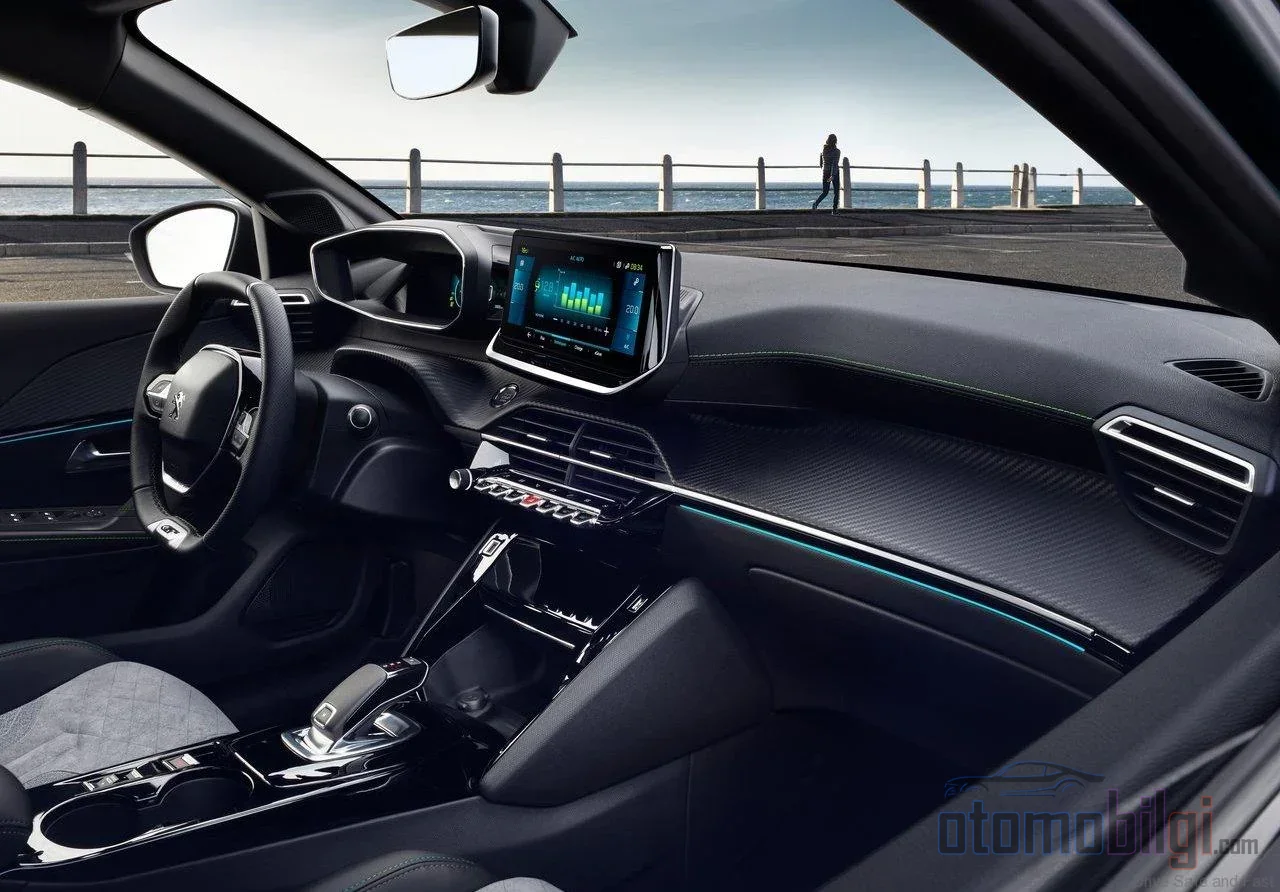
The E-208's technical calling card is strong, but the real differentiation starts inside. Peugeot's 3D i-Cockpit concept combines the small-diameter steering wheel with a compact digital instrument cluster viewed over the top rim of the wheel. This layout takes some getting used to; and it is true that some drivers never adapt to the driving position. On the other hand, the small steering wheel gives the car an extra agility on winding B-roads and places the E-208 among the small electric cars that deliver driving enjoyment.
Equipment Layers
In Allure trim, there is a 10-inch configurable color instrument cluster and a 10-inch HD touchscreen, wireless CarPlay and Android Auto, an e-Toggle gear lever, wireless phone charging and four USB sockets. The GT version adds augmented 3D navigation, a fully automatic park assist and Adaptive Cruise Control with Stop & Go. GT Premium goes as far as blind spot monitoring, a heat pump, Alcantara upholstery, three-level heated seats and a driver's seat with massage function. Piano-key style toggle switches give the interior a mechanical character; and while some reviews note that the design overshadows ergonomics in certain areas, this identity clearly sets the E-208 apart visually from its technical twin, the Corsa Electric.
Practical Dimensions
Exterior dimensions are compact: 4,055 mm length, 1,745 mm width, 1,430 mm height. The boot offers 309 liters with the seats in place and 1,106-1,118 liters with the seats folded. Kerb weight varies between 1,455 and 1,540 kg depending on the version; the difference in battery and equipment explains this range.
Same DNA as the Corsa Electric, Different Character
The E-208 and the Opel Corsa Electric share the same Stellantis technical base: the same 115 kW/156 hp motor, the same 260 Nm of torque, the same 0-100 km/h in 8.2 seconds and the same 150 km/h top speed. Twins on paper. However, version updates have created concrete differences between them. In the latest data, the E-208 pulls ahead in WLTP range with the same 54 kWh battery (410 km versus 402 km, for instance) and is also ahead in DC charging time at roughly 27 minutes versus the rival's 30-minute figure. Real-world tests, however, balance the picture: in some measurements, the Corsa Electric can show up to 4 percent longer real-world range, and in cold weather (-5°C) the gap stays at around 196 km versus 203 km.
So the logic of the choice is not technical but based on character. The E-208 offers a bolder design language, a more distinctive interior and equipment depth; the Corsa is a simpler package. The rival field is not limited to these: the Renault 5, Cupra's small electric car, the MG4, the BYD Dolphin and new alternatives emerging from within the group itself are making the segment's competition tougher every year.
Market Position: From the Top to Fierce Competition
In the E-208's global story, 2024 was a turning point: the model was the best-selling fully electric B-segment car both in France and across Europe. maintained its leadership in France in 2025 with 12,388 units; Peugeot's total electric sales in the country reached approximately 25,000 units. The brand emphasizes that it has the widest electric model lineup among mainstream European manufacturers.
However, the 2026 picture is tougher. In Europe, BEV sales grew by 41.9 percent in the first nine months of the year, and electric vehicles approached a quarter of the total market; In July 2026, market share reached 25 percent. As the pie grows, competition is also intensifying: In the top 10 models list for September 2026, the Tesla Model Y and Model 3, Skoda Elroq and Renault 5 lead, while the E-208 is outside the top 10. It is also known that Peugeot experienced a noticeable weakening in the group's third-quarter sales. The transition from a period of leadership to intense competition changed not the model's identity, but its environment.
For the Performance Enthusiast: GTi Version
In 2026, a performance version joined the family: the E-208 GTi. With 207 kW (approximately 280 hp) of power, 345 Nm of torque, 0-100 km/h in 5.5 seconds and a 50.8 kWh battery, this version remains front-wheel drive. Although the figures should be approached with caution since it is a single-source datum, the GTi is a sign that the model is not positioned solely as an urban economy car.
Why Is the E-208 a Strong Choice in the City?
The answer lies not in a single number, but in the harmony of the formula. The E-208 balances its 362-433 km WLTP range, 100 kW DC fast charging, 260 Nm of instant torque and compact dimensions according to the real needs of urban use. User experiences show that reaching over 400 km of range within the city is not difficult; in highway-heavy use, however, the real range drops below the WLTP value, which is a physics that applies to all electric vehicles. In cold weather, both range and charging speed drop; winter planning should take this into account.
The battery assurance is also sensibly structured: 8 years or 160,000 km warranty, valid if capacity drops to 70 percent. The development process ongoing since 2019 - the gradual increase in range, the 2023 facelift, the light signature inspired by the Le Mans race car in 2024 and the new motor-battery combination - proves that the model is a living product.
Conclusion: The E-208 is an option in the B segment that stands out not with its technical figures, but with the character that carries those figures. Although it shares the same platform with the Corsa Electric, it speaks to a different buyer with its i-Cockpit interior, more assertive design and depth of equipment. Although this model, which once held the title of Europe's best-selling electric compact, has fallen out of the top 10 amid intensifying competition, the formula it offers - balanced range, fast DC charging, personality-filled interior - still deserves a place on a rational short list for those seeking an urban electric vehicle.
Sources
- PEUGEOT E-208 | 100% Electric City Car
- Peugeot E-208 specifications and reviews
- Electric Peugeot e-208 In Detail: Specs, Images, Videos
- Corsa Electric 50 kWh 2025 vs Peugeot e-208: Compact Electric Car Comparison
- Peugeot E-208 or Opel Corsa Electric: range, price, charging
- Opel Corsa Electric vs Peugeot E-208 Comparison
- Opel Corsa Electric vs Peugeot E-208
- Peugeot E-208 GTi (2026)
- Peugeot E-208 115kW GT Premium 51kWh