Otomobilgi.comOtomobilgi.com
  • Türkçe
  • English
  • Deutsch
  • Français
  • Italiano
  • Español
  • Português
  • Polski
  • Magyar
  • Azərbaycanca
  • Bahasa Indonesia
  • Русский
  • 中文
  • 日本語
  • 한국어
  • हिन्दी
  • Tiếng Việt
  • ไทย
  • বাংলা
  • العربية
  • فارسی
  • Türkçe
  • English
  • Deutsch
  • Français
  • Italiano
  • Español
  • Português
  • Polski
  • Magyar
  • Azərbaycanca
  • Bahasa Indonesia
  • Русский
  • 中文
  • 日本語
  • 한국어
  • हिन्दी
  • Tiếng Việt
  • ไทย
  • বাংলা
  • العربية
  • فارسی
  • HOME PAGE
  • NEWS
    Turkish Automotive Industry News
    Global Automotive Industry News
    Turkish Motorsports News
    Global Motorsports News
  • CARS
    INTERNAL COMBUSTION
    • Internal Combustion Models
    • Internal Combustion Engine Technologies
    • Fuel and Consumption
    • Emission and Environment
    • Internal Combustion Ownership
    • History of the Internal Combustion Automobile
    ELECTRIC
    • Electric Models
    • Electric Car Technologies
    • Charging and Infrastructure
    • Battery Technology
    • Range and Consumption
    • Electric Vehicle Ownership
    • History of the Electric Car
    HYBRID
    • Hybrid Models
    • Hybrid Systems
    • Battery and Charging
    • Consumption and Efficiency
    • Hybrid Ownership
    • History of Hybrid Cars
    SUPERCAR
    HYPERCAR
  • TECHNOLOGY
    Driver Assistance Systems
    Safety Technologies
    Lighting and Visibility Technologies
    Infotainment and Connectivity
    Autonomous Driving and Artificial Intelligence
    Future Technologies
  • GUIDES
    Buying Guides
    Sales Guides
    Maintenance and Use
    Ownership and Costs
    Tires and Wheels
    Insurance and Inspection
  • HISTORY & CULTURE
    Automobile History
    Iconic Models
    Classics and Collections
    Türkiye's Automobile Journey
    Automobile Design
    Cars and Popular Culture
  • MOTORSPORT
    Formula 1
    Rallying (WRC)
    Rallycross
    MotoGP
    Formula 2 & Formula 3
    Karting
    24 Hours of Le Mans
    WEC
    NASCAR
    IndyCar
    DTM
    GT Races
    Drift
    Drag Races
  • GET TO KNOW US
    ABOUT US
    CONTACT
  • Türkçe
  • English
  • Deutsch
  • Français
  • Italiano
  • Español
  • Português
  • Polski
  • Magyar
  • Azərbaycanca
  • Bahasa Indonesia
  • Русский
  • 中文
  • 日本語
  • 한국어
  • हिन्दी
  • Tiếng Việt
  • ไทย
  • বাংলা
  • العربية
  • فارسی
  • Türkçe
  • English
  • Deutsch
  • Français
  • Italiano
  • Español
  • Português
  • Polski
  • Magyar
  • Azərbaycanca
  • Bahasa Indonesia
  • Русский
  • 中文
  • 日本語
  • 한국어
  • हिन्दी
  • Tiếng Việt
  • ไทย
  • বাংলা
  • العربية
  • فارسی
  1. HOME PAGE
  2. MOTORSPORT
  3. Drag Races

Drag Races

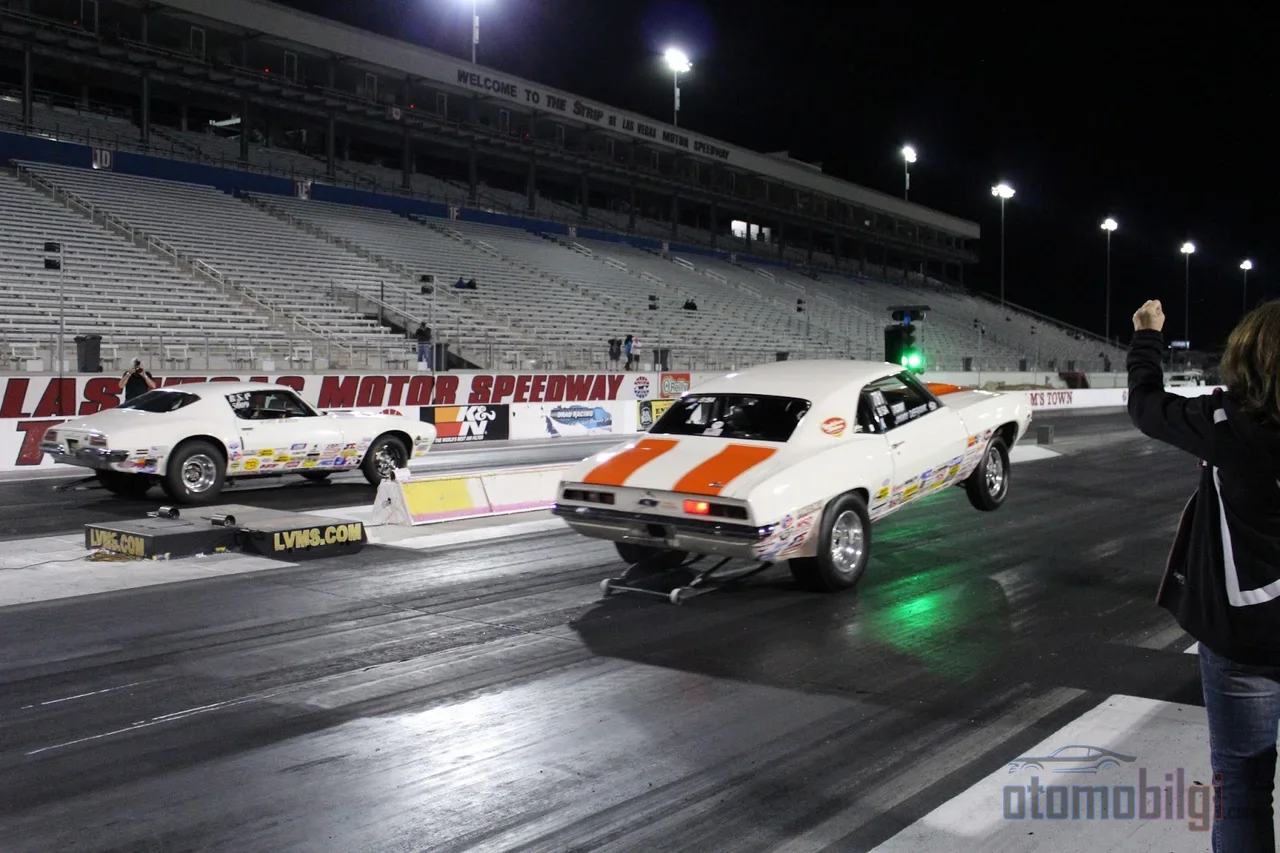
That small piece of paper handed to you at the end of the lap tells you, in numbers, where the run was won and where it was lost.
How Does a Time Slip Card Tell the Story of a Race?
Lütfi Mete Odabaşı25 October 2026

A time slip is the sheet handed to the driver from the control tower at the end of the track when a drag run is over, telling the whole story of the run in numbers. Your reaction time, how fast the car accelerated at which points of the track, the el…

Read More
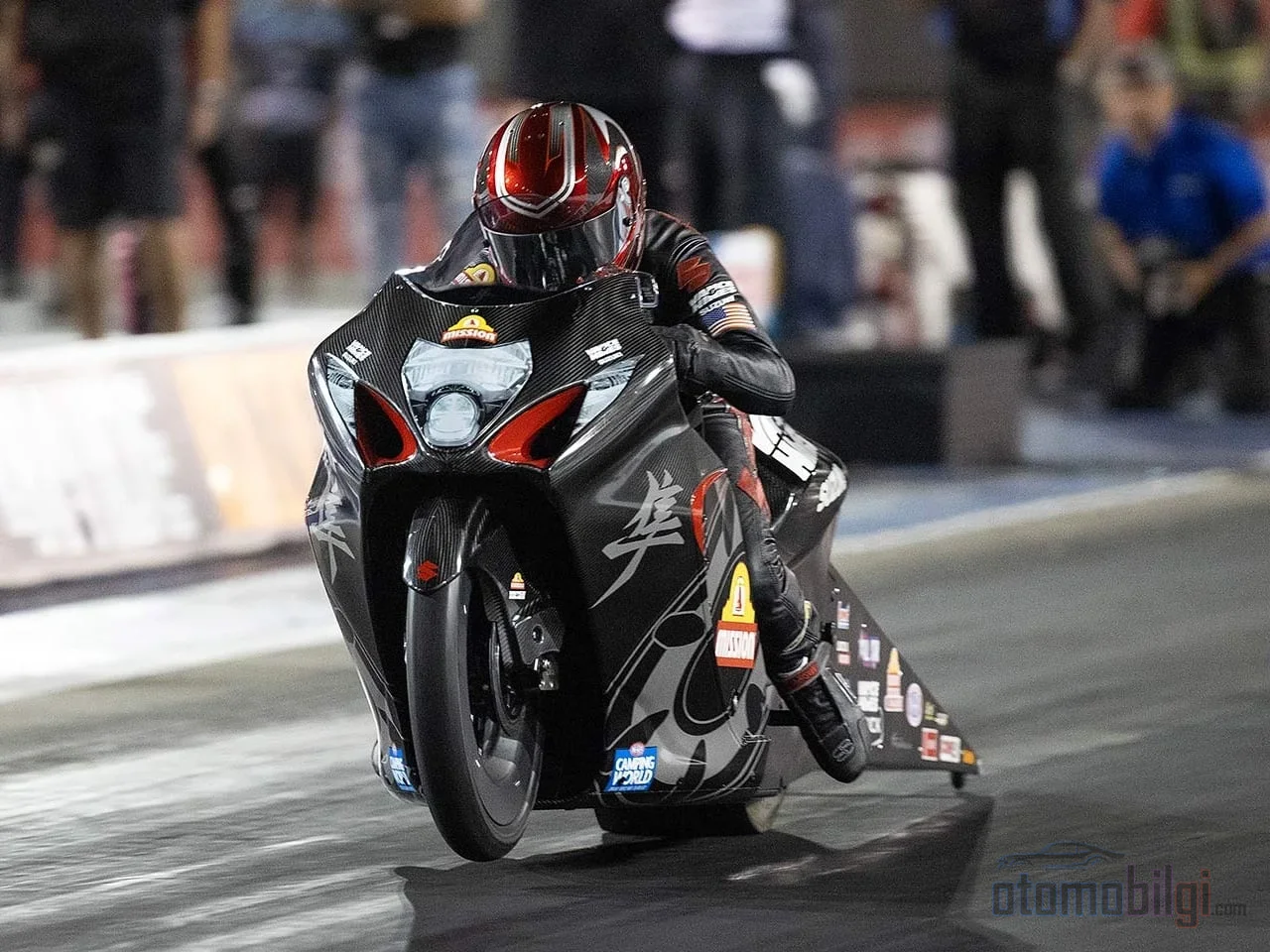
A factory-looking Suzuki is completely redefining the quarter mile, crossing 205 mph in six and a half seconds.
Quarter Mile on Two Wheels: The World of Drag Motorcyclists
Lütfi Mete Odabaşı24 October 2026

Motorcycle drag racing is a speed discipline that sets straight-line records over the quarter mile on two wheels, and the Pro Stock Motorcycle class in the NHRA has represented the pinnacle of this sport as a fully recognized professional championshi…

Read More
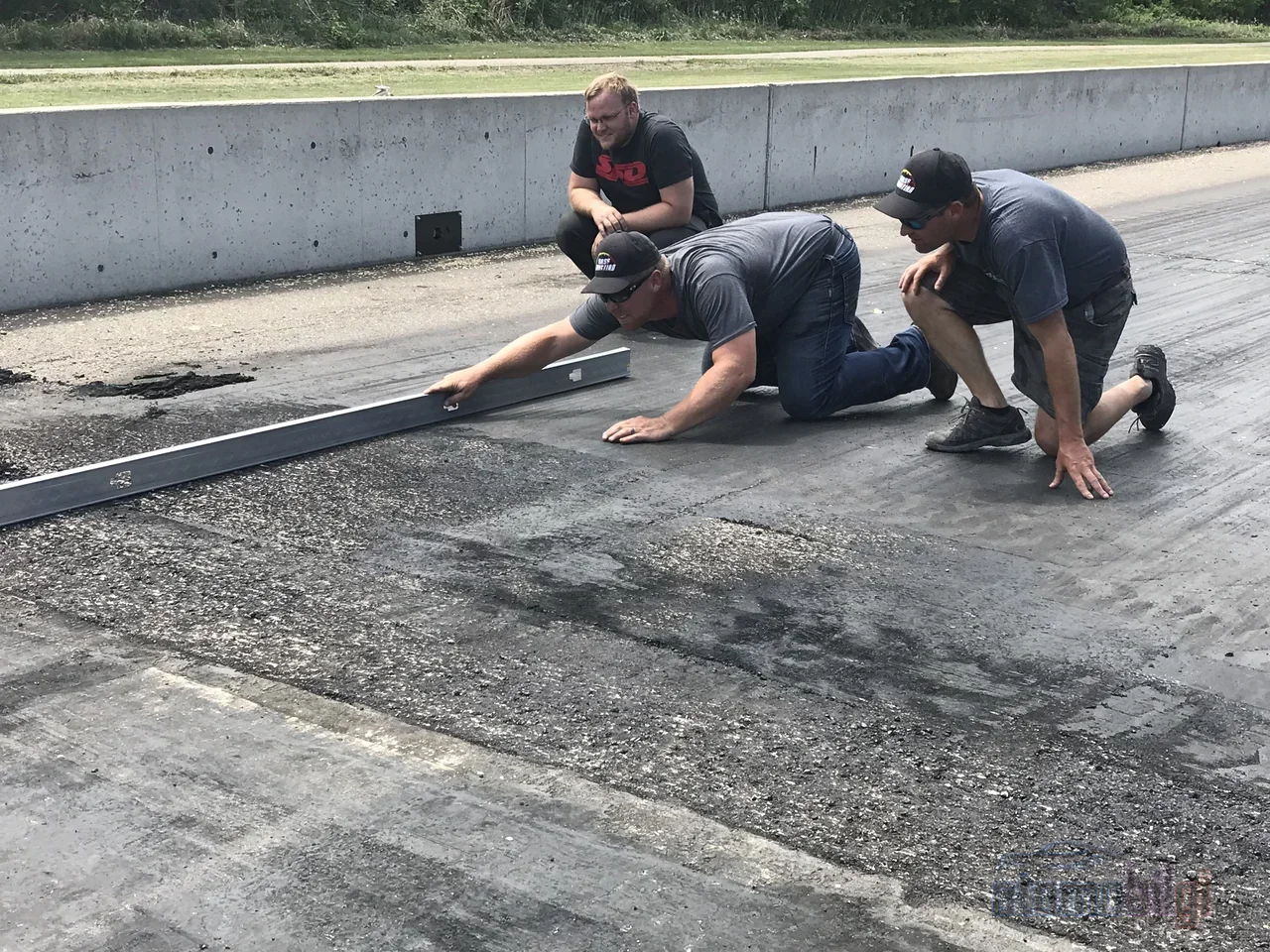
The stickiness of the track is no accident; synthetic resins sprayed onto the asphalt after hours of preparation transfer the engine's power to the road without wheel spin.
Why Is the Track Sticky? The Art of Preparing a Drag Strip
Lütfi Mete Odabaşı22 October 2026

The reason tracks become sticky is special synthetic resins sprayed onto the surface to ensure tire grip at launch, in other words traction compounds; this stickiness reduces wheel spin, allowing the car to transfer its power to the asphalt and launc…

Read More
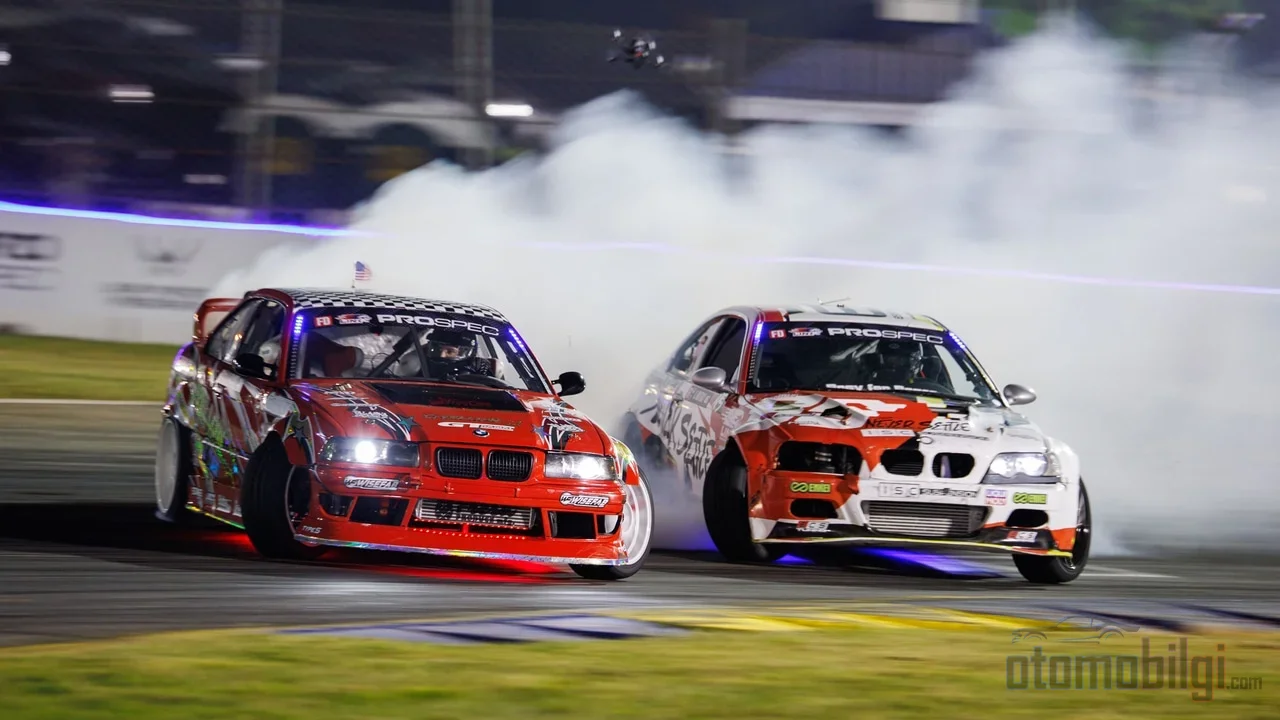
It's not a creased, wrinkled damage; it's the moment when the tire does its job, absorbing the massive torque into the soft sidewall and gripping the track with maximum contact.
Why Do Slick Tires Wrinkle on Launch? The hidden engineering of drag tires
Lütfi Mete Odabaşı21 October 2026

A slick tire wrinkles and squirms at launch, because in drag racing the enormous torque at launch must be absorbed by a soft sidewall: the instant the throttle is fully opened, the tire's flexing sidewalls collapse, a wrinkled image forms, and during…

Read More
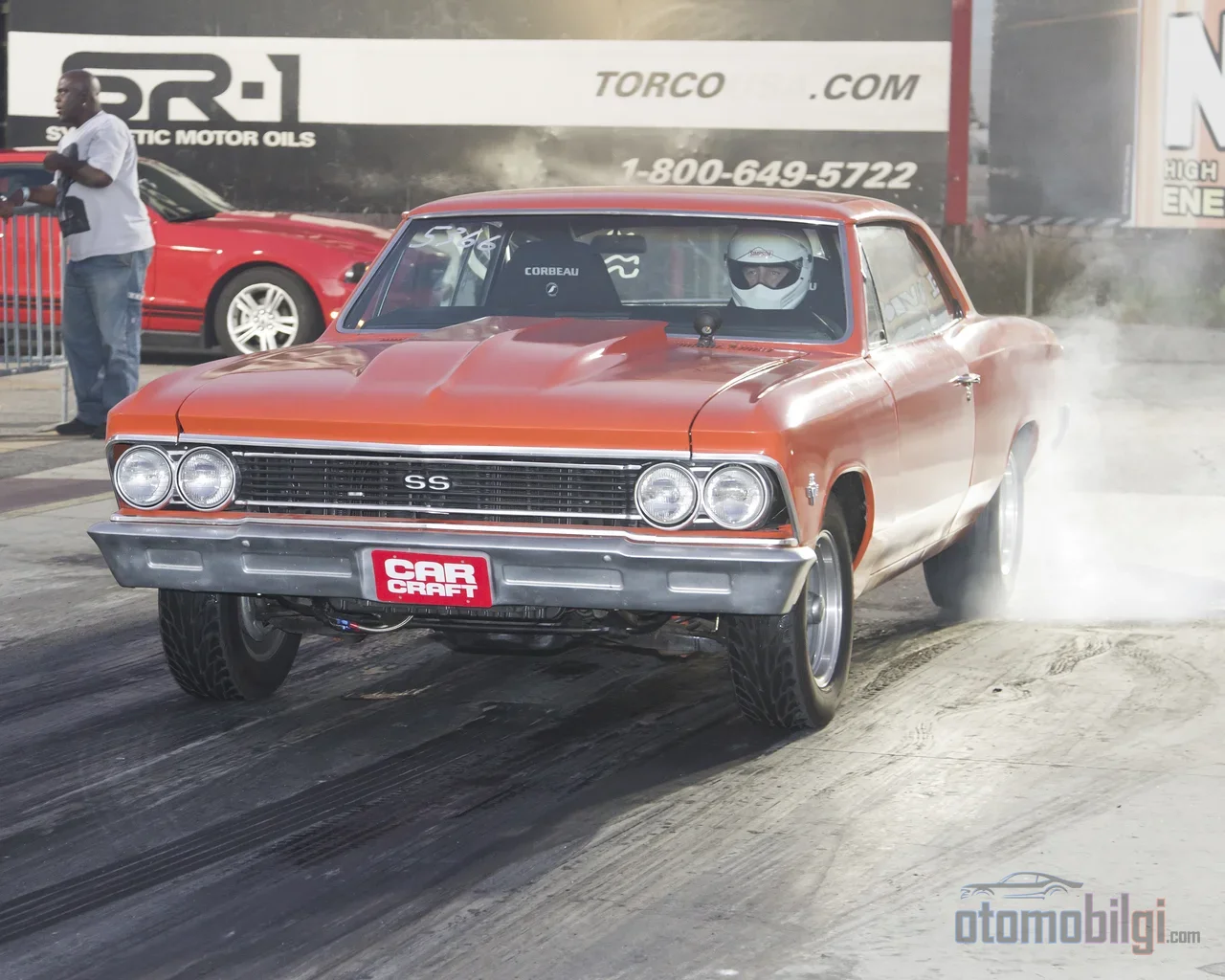
The 0.1 seconds gained in the first 18 meters returns to the driver at the finish line not as half a meter, but as a full advantage.
The First 60 Feet: Launch Physics That Wins Drag Races
Lütfi Mete Odabaşı21 October 2026

In drag racing, the first 60 feet, roughly 18 meters after the starting line, is the section that most determines the quarter-mile result: the engine's power is transferred to the tires over this distance, suspension weight is loaded onto the rear wh…

Read More
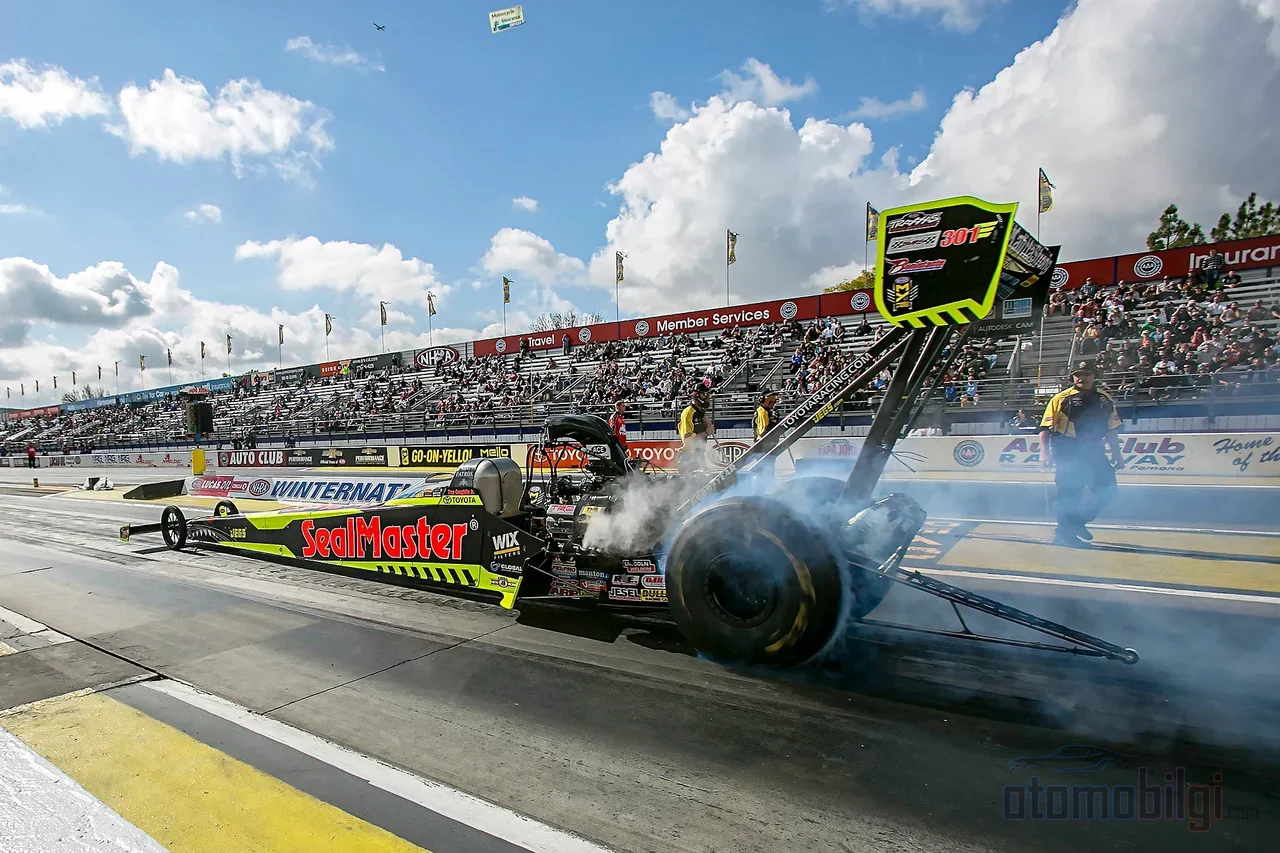
In a Top Fuel dragster, the clutch heats up to 2,040 degrees during a four-second run and often lives only long enough for a single run.
How Does an 11,000-Horsepower Clutch Survive?
Lütfi Mete Odabaşı20 October 2026

The power locked into a Top Fuel dragster's clutch would shred a conventional transmission in a fraction of a second; that is why the roughly 10,000-horsepower nitro engine works through a massive multi-plate clutch that connects to the asphalt with …

Read More
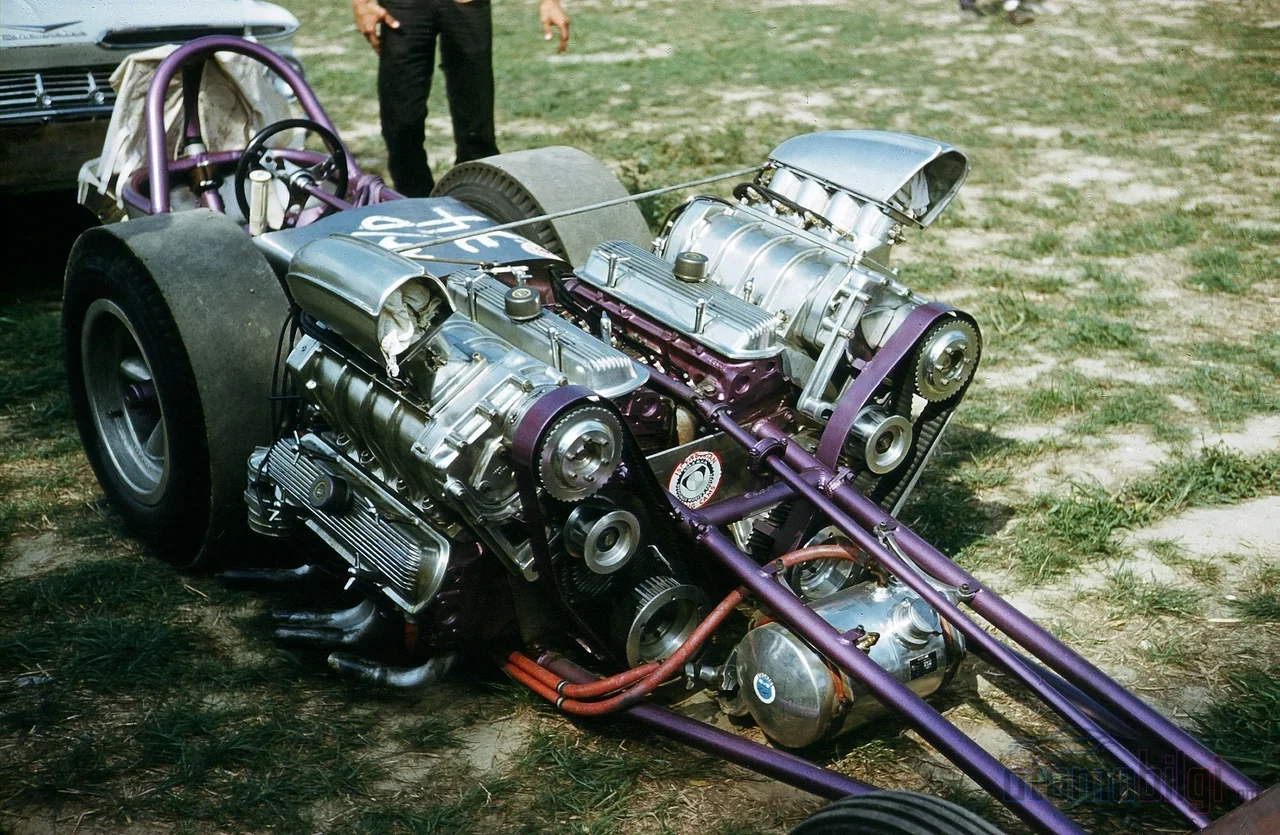
The reason the same car cannot replicate its morning time in the late afternoon on the drag strip is that the oxygen in the air the engine intakes changes throughout the day with temperature, pressure, and humidity.
How Does Air Density Affect a Drag Engine?
Lütfi Mete Odabaşı19 October 2026

On the drag strip, it's the same car, same tires, same fuel... but you just can't match the time you ran in the morning come the afternoon. The secret's name is air density: your engine's power depends directly on the amount of oxygen in the air it d…

Read More
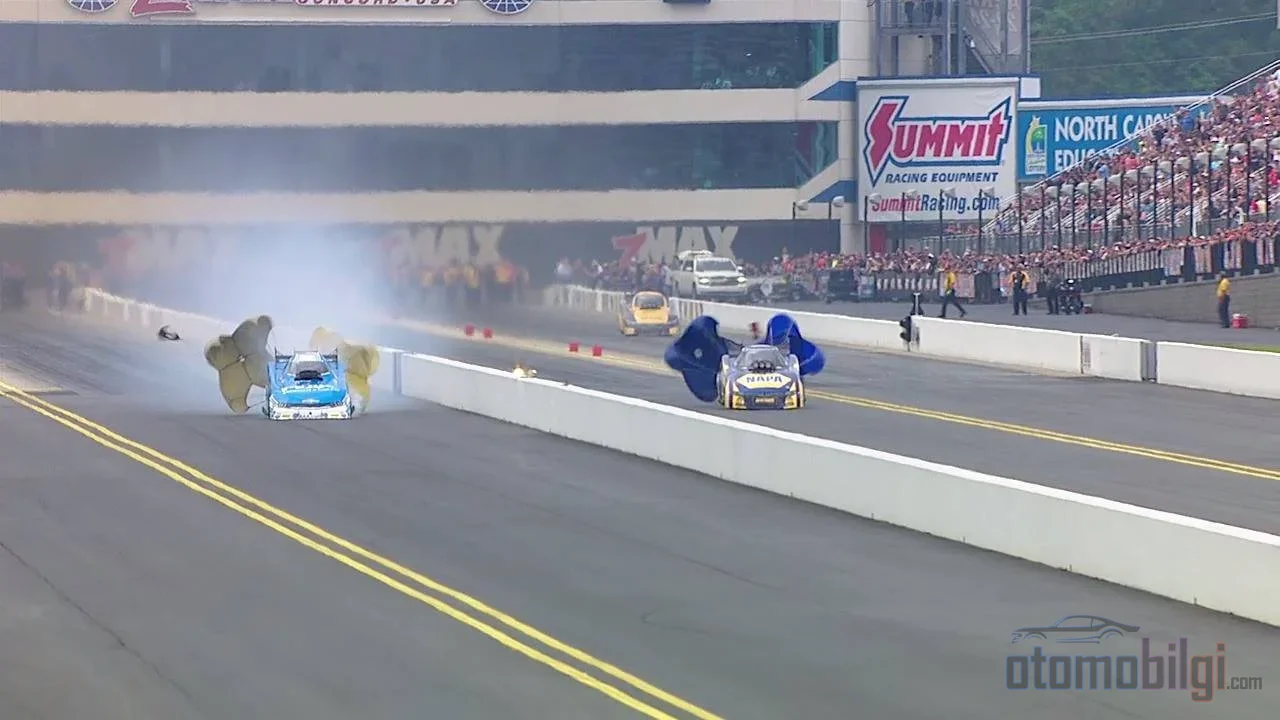
The real race in the quarter mile starts after the finish line: a nitro monster coming from 320 km/s is stopped by a single parachute, and an engine is rebuilt from scratch in 75 minutes.
Parachute and Engine-Cooling Details: What Happens When the Run Ends?
Lütfi Mete Odabaşı19 October 2026

Crossing the finish line is not the end of a drag race; it is actually the beginning of the most critical part. A Top Fuel or Funny Car arriving at over 320 km/s cannot stop by braking; what slows it down is often a single giant parachute. And once t…

Read More
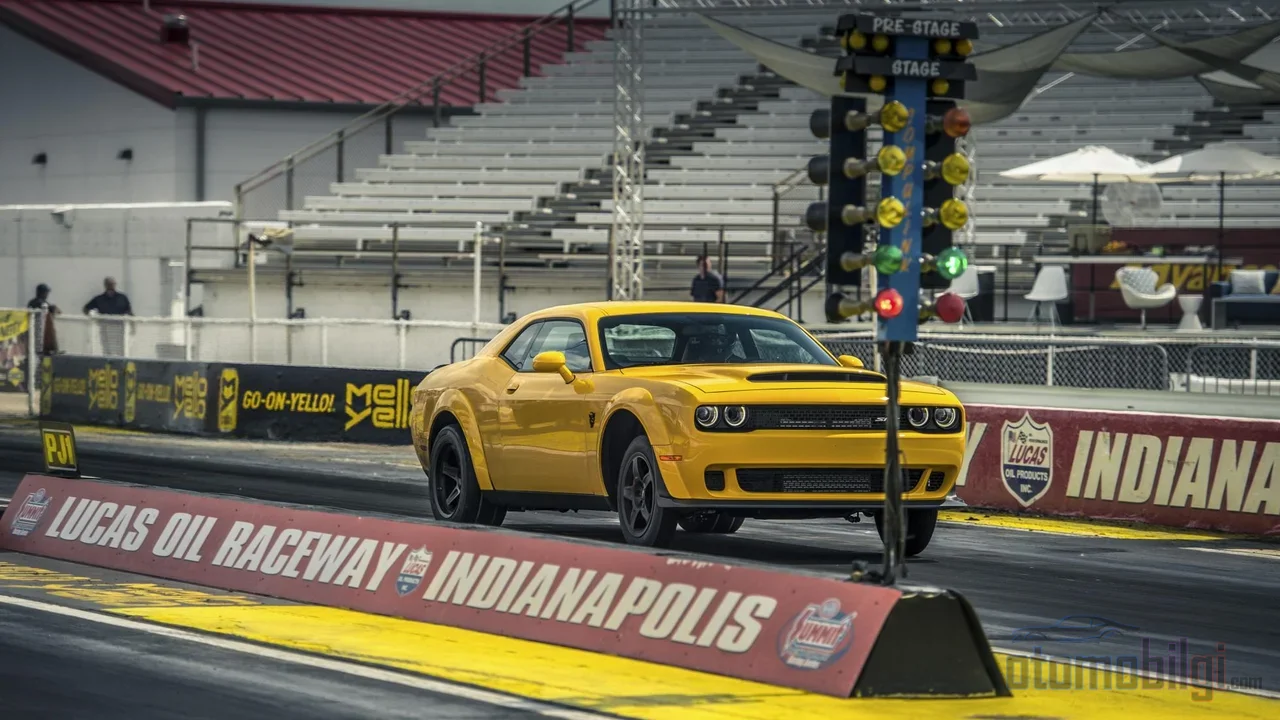
The lights measure thousandths of a second; in drag racing, the real duel begins long before the green light flashes.
Can a Driver Who Red-Lights in Drag Racing Not Win? The Logic Behind Christmas Tree Lights
Lütfi Mete Odabaşı18 October 2026

The light tower standing at the head of the drag strip, the Christmas Tree, is the race's official start button: two cars launch toward the quarter mile, accompanied by a light rhythm measured in thousandths of a second. Ambers, green and red are the…

Read More
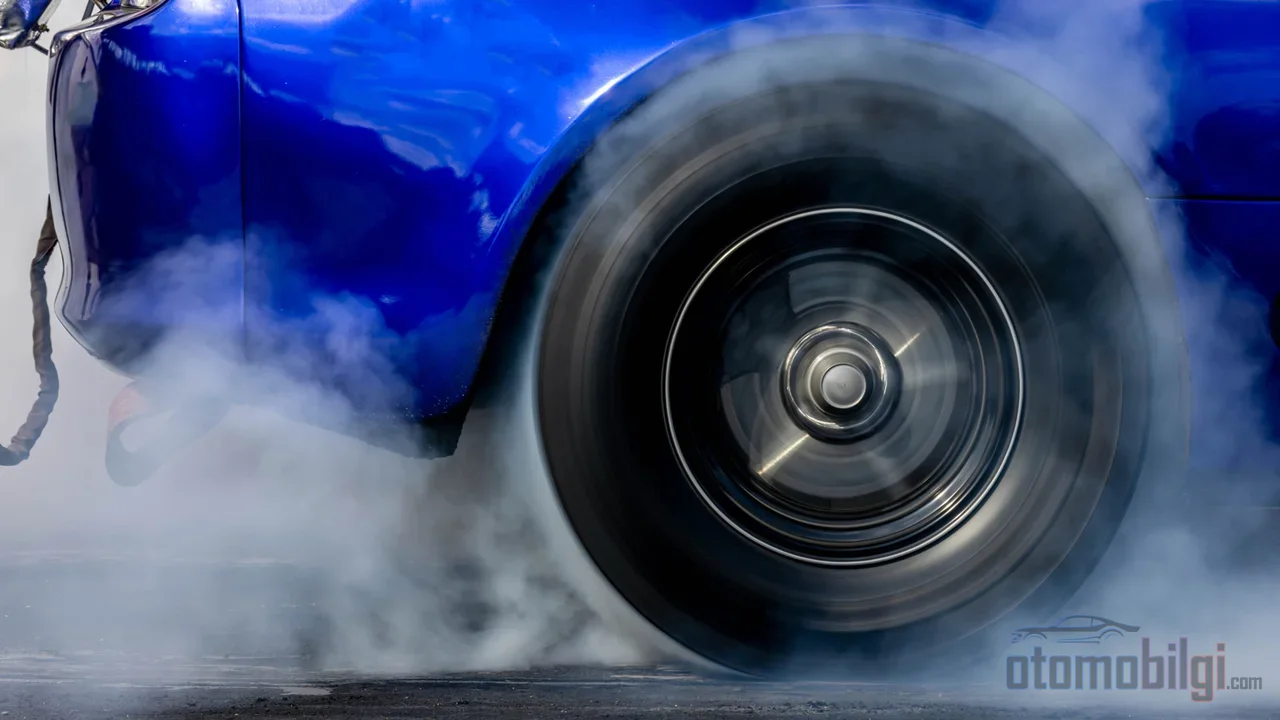
That smoke cloud isn't a show; rubber reaching 90 degrees is a silent physics calculation that wins races at the starting line.
Why Do Drivers Do Burnouts? The Secret of Sticky Tires and the Warm-Up Ritual
Lütfi Mete Odabaşı18 October 2026

In drag racing, a burnout is a technical preparation ritual performed while the car sits at the starting line, spinning the rear tires to heat and soften them and to achieve the grip that will penetrate the track's micro-texture; at the same time, it…

Read More
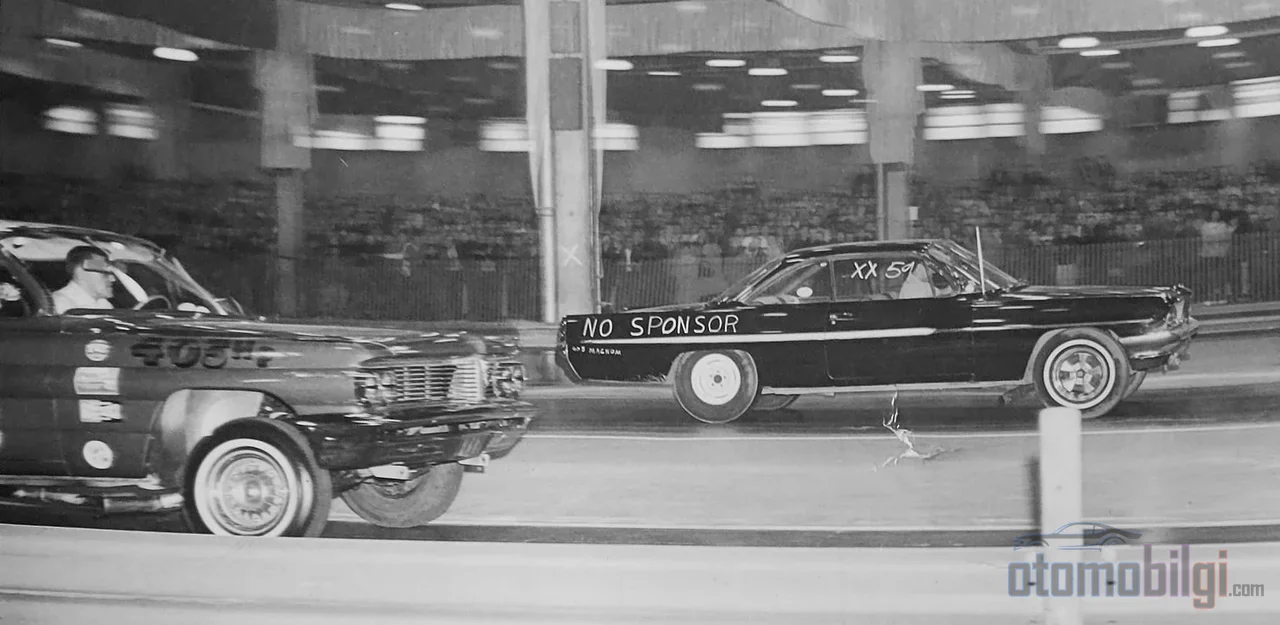
Drag racing was born from informal speed gatherings on California's dry lake beds and transformed into a professional sport at abandoned air bases after the war.
How Did Drag Racing Originate and How Has It Evolved to Today?
Lütfi Mete Odabaşı17 October 2026

Drag racing was born out of informal gatherings in the dry lake beds of 1930s California, where speed enthusiasts tested their engines, and took shape in America's abandoned air bases after World War II, becoming a legal, rule-based sport with the fo…

Read More
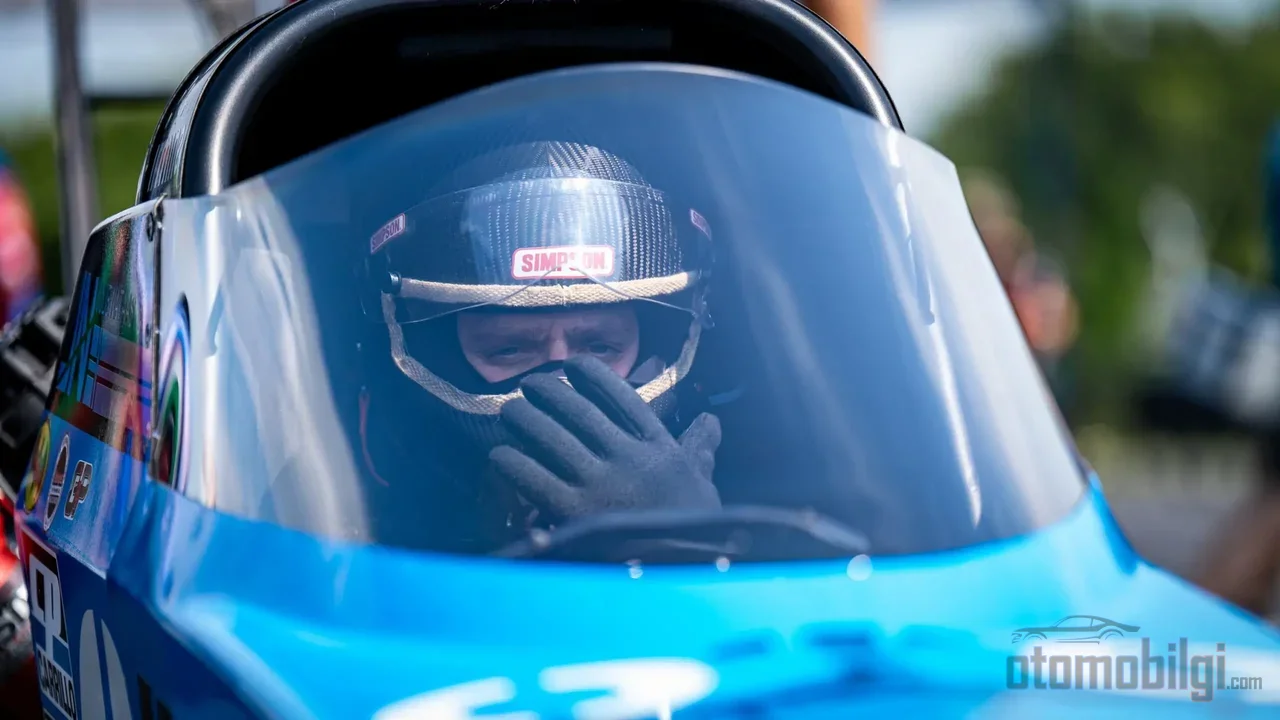
NHRA's class ladder offers an official career path for everyone from the amateur hitting the track on the weekend to the 11,000-horsepower Top Fuel champion.
Climbing to the Top from the NHRA Class Ladder
Lütfi Mete Odabaşı16 October 2026

The NHRA class ladder is an official career path stretching from the amateur street driver at the starting light to an 11,000-horsepower Top Fuel dragster: a tiered system that begins with unlicensed E.T. bracket classes, climbs into Sportsman catego…

Read More
  • Previous
  • 1
  • 2
  • 3
  • 4
  • Next

Share This Page

Category Editor

Lütfi Mete Odabaşı

Lütfi Mete Odabaşı

A young, dynamic automotive and motorsport enthusiast who loves researching and learning. Mete adds value to our automotive news, information, and culture platform with a young person's perspective. He closely follows innovations in automotive technologies and developments in motorsport, turning what he learns into rich, useful content for otomobilgi.com.

Follow Us on Social Media

  • About Us
  • KVKK Disclosure Statement
  • Privacy Policy
  • Contact
Otomobilgi.com
INDEPENDENT AUTOMOBILE CULTURE PLATFORM
Powered by Virgo CMS