Spin and Win: The Most Told Victory of the Indy 500
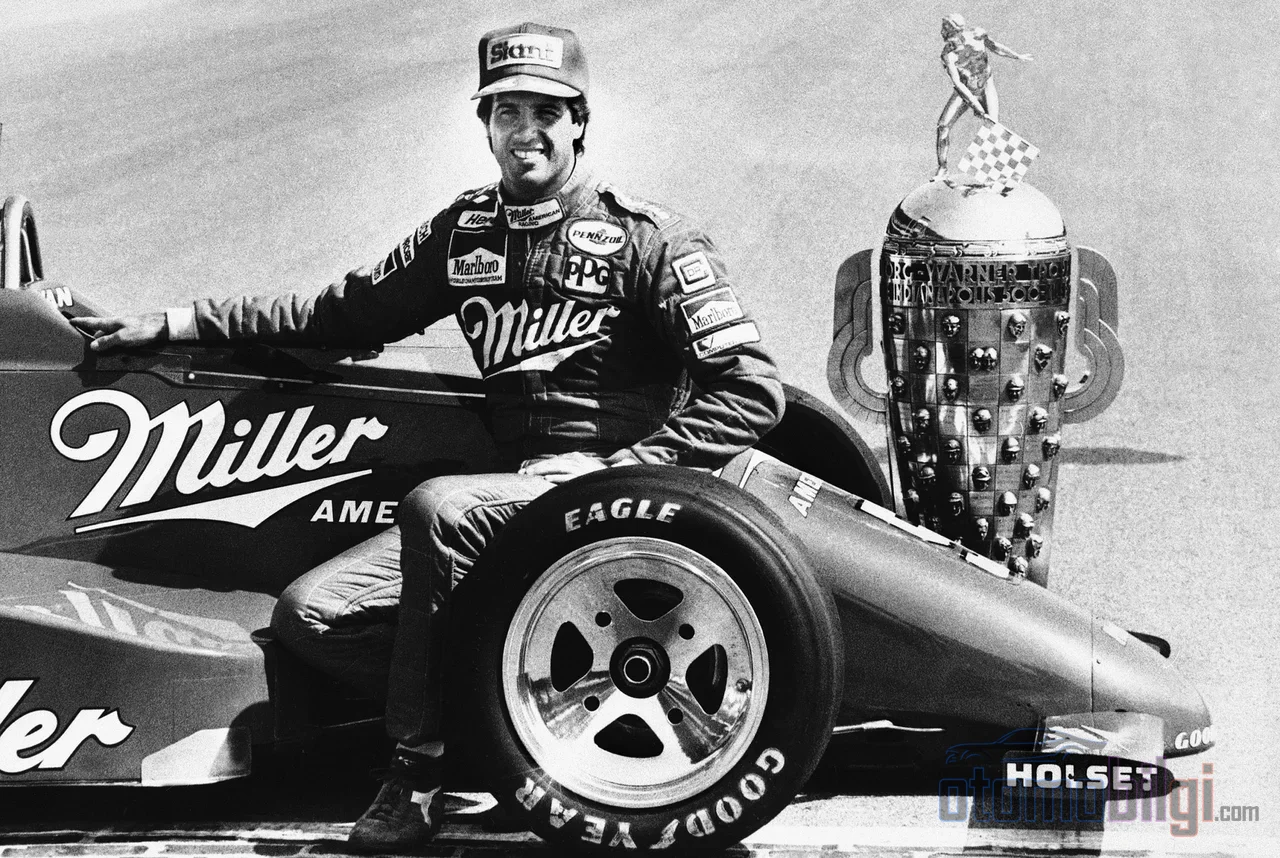
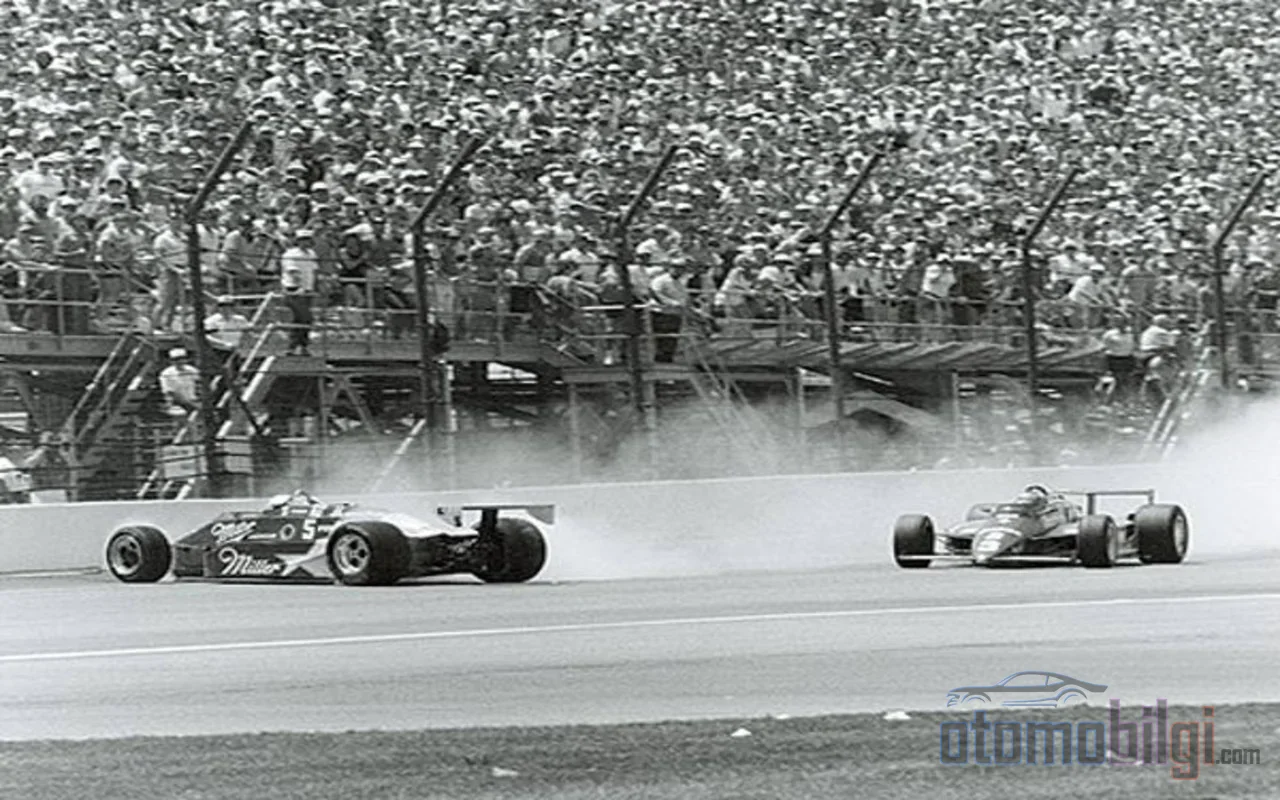
May 26, 1985, Indianapolis Motor Speedway, lap 120. Turn 1. Just before entering turn 1, Danny Sullivan gives a bit more throttle to pass Mario Andretti. Just before entering the turn, he gives a bit more throttle to pass Mario Andretti. Then everything goes wrong within a few seconds: the car jumps right on the short straight, spins a full 360 degrees inside a giant cloud of tire smoke, and... When the spin is over, Sullivan has straightened the wheel and is continuing the race. That same afternoon, it was he again who lifted the traditional milk bottle. That same afternoon, the one who lifted the traditional milk bowl was again himself. This moment, which went down in motorsport history as Spin and Win, is still one of the most told stories of the Indy 500. So what is it that really makes this moment legendary? Was it just the spin, or that cool-headed recovery that followed it?
Who was Danny Sullivan of Louisville?
Daniel John Sullivan III was born on March 9, 1950, in Louisville, Kentucky. What made his career interesting was that he did not follow the classic American driver path: In 1971 he moved to England and received training at the Jim Russell racing school. In other words, from the very start he was a name caught between two worlds: American oval racing and European circuit culture.
He won the end-of-season Can-Am races at Caesars Palace in Las Vegas back to back in 1981 and 1982. In 1982 he stepped into the PPG IndyCar series, and a year later, in 1983, he moved to Formula 1 with Tyrrell. he was one of the few drivers who raced with an atmospheric engine during the turbocharging era. His best moments include a 5th place in Monaco and finishing 2nd, right behind Keke Rosberg, in the non-championship Race of Champions at Brands Hatch. finishing in that position can be counted as such. Tyrrell's 1983 car was unfortunately weak; But this brief European period was not wasted.
Armed with European-style circuit experience, Sullivan returned to IndyCar, caught Roger Penske's attention, and the main chapter of his career began. In his 11-season IndyCar career he took 17 wins and 19 pole positions in CART; during his 6 years at Team Penske he produced 12 wins, 25 podiums and 18 pole positions. During his 6-year period at Team Penske, he produced 12 wins, 25 podiums and 18 pole positions.
Highlights
- May 26, 1985: Sullivan won that same race despite spinning 360 degrees
- and 2, on lap 120 The prize: it took place on the short straight between the corners
- winning margin: $2,064,211; CART career: 2.477 seconds
- Indy 500: 17 wins, 19 pole positions, the 1988 championship
- Indy 500: 12 starts, 1 win, top 5 five times
69th Indianapolis 500, Sullivan's No. 5 Miller American March/Cosworth was running side by side with Andretti's Beatrice Foods Lola across the racing line.
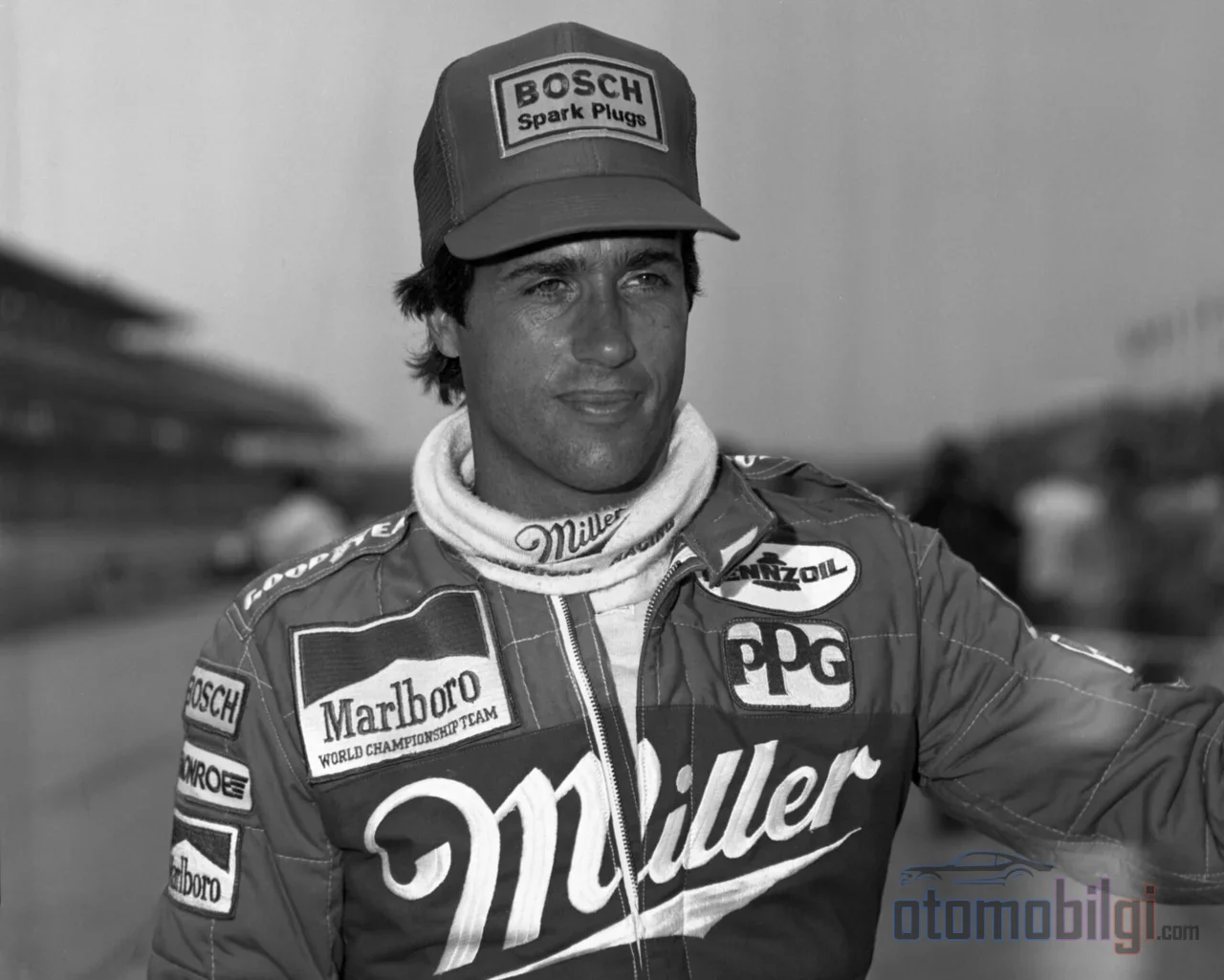
Andretti stayed on the racing line; On lap 120 of the Indianapolis 500, Taking the lead at the exit of the turn, then losing control Sullivan was ahead at the exit of the turn. Sullivan was 1st. he drifted below the white line entering the turn, onto the apron.
Passing at the exit of the corner, then loss of control
Sullivan was ahead at the exit of the corner. But on the short straight between turns 1-2, the car suddenly jumped to the right and did a full spin to the left. If you consider that the speed was around 185 mph at that moment, you understand the horror of the picture: It was not like turning off the ABS and pulling the handbrake while going 120 km/h on the highway, but a scenario far beyond that. You are facing backwards at nearly 300 km/h, in a car with a full tank of fuel, between the walls.
This is where the first layer of the legend lies: Sullivan hit neither the wall nor Andretti, who was right behind him. Andretti also managed to avoid the car spinning on a low line and reclaimed the lead. Both drivers then pitted; The Penske team changed the tires that had flattened during the spin. On lap 122, Andretti passed Emerson Fittipaldi to move back to the front, while Sullivan was progressing through the field on the inside.
By the 130s, the advantage had passed back to Sullivan's hands. On lap 140, he passed Andretti, this time with a clean move, and entered the final 61 laps of the race in the lead. He reached the checkered flag with a margin of 2.477 seconds; he completed the 199 laps at an average of 210.523 mph. For Roger Penske, this was his fifth Indy victory, equaling a record for that era.
So what caused the spin?
The official account points to the car losing its balance while returning to the racing line after passing Andretti: the sudden load change created by the dirty air in front of him and the rebound off the apron at the corner exit pushed the rear axle into losing grip. A detail Sullivan recounted years later is also in circulation: he claimed he misheard the lap count on the radio and, thinking there were 8 laps left instead of 80, accelerated earlier than usual. This claim has remained a secondary account passed on through forums and could not be verified. Neither explanation changes a single fact: without those reflexes at that moment, the story would have ended completely differently.
Winning Car: Penske-March 85C
The car Sullivan drove was the Penske-March 85C, powered by a Cosworth DFX V-8 turbocharged engine. Two figures circulate in the literature for engine power: 700 hp and 720 hp; the V-8 designation is also predominant regarding the cylinder layout. The gearbox was a five-speed manual.
| Specification | Value |
|---|---|
| Chassis | March 85C (Penske preparation) |
| Engine | Cosworth DFX V-8, turbocharged |
| Power | 700-720 hp (varies by source) |
| Gearbox | 5-speed manual |
| 1985 race average | 210.523 mph (199 laps) |
In the 1985 season, many teams were using the March 85C/Cosworth DFX combination; the fact that Adrian Newey passed through the chassis' design pen is an interesting detail reflecting the technical language of the era. In short, Sullivan took the prize that day with a car that was both powerful and balanced right at the limit.
The Championship That Came After the Spin
"Spin and Win" was not a one-time flash. He finished third in the championship in 1986, and in 1988 he secured the CART championship before the final race, with a margin of exactly 35 points. This was the first championship title of his career.
As for the Indy 500: He finished in the top 5 five times in 12 starts, but never won again. His closest moment came in 1988; despite entering the lead in 91 of the first 101 laps, he crashed into the wall due to steering problems. His final IndyCar start came in 1995. He also finished third at the 1994 24 Hours of Le Mans in the Dauer 962LM Porsche he shared.
Off the Track: TV Personality and the Legend's Detour
Sullivan was known not only for his time behind the wheel, but also for his media persona. After retirement, he spent a brief period in NASCAR, then served as a color commentator for ABC Sports for many years, and in later years served as a steward in Formula 1. He made 11 starts in the IROC series and won at Nazareth Speedway in 1989. He served as a judge on the Nissan GT Academy program aimed at young drivers; an arcade game bearing his name, Danny Sullivan's Indy Heat, was even released in 1991. In 2026, Northwood University honored him as one of the business leaders of the year.
2025 marked the 40th anniversary of Spin and Win, and the IndyCar world could not ignore it: the 2025 Indy 500 wristwatch design was dedicated directly to that victory, Sullivan returned to the track on Carb Day to experience the feeling of coming home, and the winning car from 1985 was displayed at Team Penske's shop.
So What Really Makes This Moment Legendary?
Think about it: Completing a full lap at 185 mph without hitting the wall is itself a display of skill. But doing it in the most critical laps of the Indy 500, while dueling with Mario Andretti, one of the greatest racers in history, and then passing the same rival within 20 laps to win the race is a whole different dimension. The spin itself is so memorable that even the final corner move that decided the race is often forgotten; much of the drama comes from the moment of the spin rather than the victory itself. Even so, it would be unfair to dismiss his victory, because the recovery after the spin, the tire change, lap 140, 140 and the controlled management of the final 61 laps are all parts of the same story.
The short answer is this: Sullivan's moment is legendary because, within the same race, he both turned back from the edge of disaster and showed what it takes to leave disaster behind and reach for victory. Most races are won; very few are both lost and won.
Sources
- Memory Lane | 'Spin and Win' Danny Sullivan, 1985 Indy 500
- Driver Details | Indianapolis 500 Historical Stats
- Danny Sullivan - IMS Museum
- Danny Sullivan - Wikipedia
- 1985 Indianapolis 500 - Wikipedia
- 1985 Penske-March 85C IndyCar | RM Sotheby's
- 'Spin and Win' Honored on 2025 Indy 500 Badge - IndyCar
- Paddock Buzz: Danny Sullivan Cherishes Homecoming - IndyCar
- Danny Sullivan - Motorsports Hall of Fame
- Northwood University 2026 Outstanding Business Leader