From Hildebrand to Malukas: The Heartbreaking Finales of the Indy 500
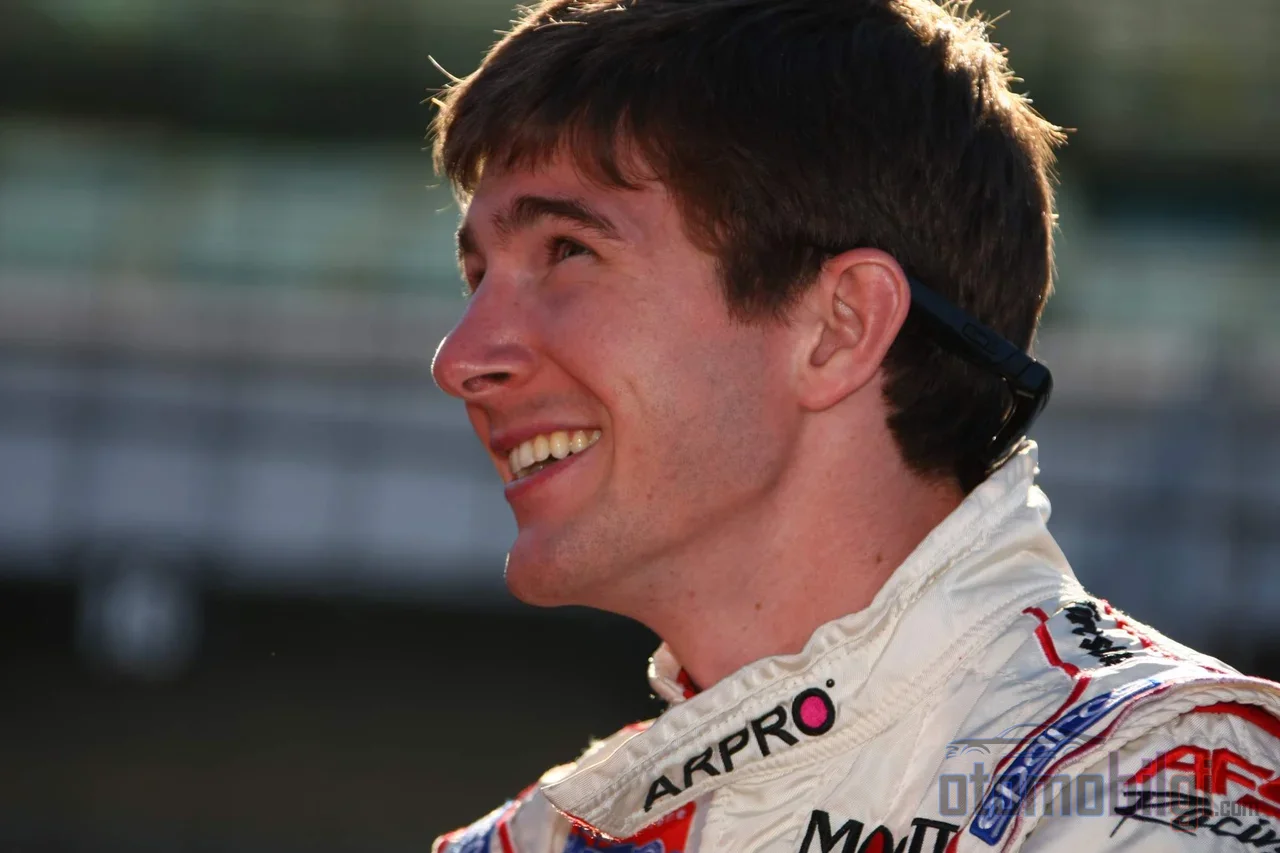
200. lap, final corner, a slow car in front of you and an Indianapolis 500 victory right before your eyes. Then contact with the wall, and it's all over. The moment JR Hildebrand experienced in 2011 is perhaps the most heartbreaking scene in Indy 500 history, but it is not the only one. In a long list, the stories of those who led in the final laps and missed out on victory are as old as the race itself. So what makes this race so cruel?
Even the official statisticians of the Indianapolis Motor Speedway acknowledge the situation with an official list: leading in the final stage of the race never guarantees victory. This list, stretching from 1912 to the present, contains dozens of names, from those whose engines went up in smoke to those who hit the wall on the final corner, from those forced to pit for fuel to those who were passed at the finish line. On this page, we will tell the most unforgettable of those names through the eyes of the loser, not the winner.
Victories That Went Up in Engine Smoke: Mechanical Failures
Imagine this: everything goes fine for 500 miles, your car's nose is ahead of the field, and then a metal part gives up. This is the Indy 500's most classic tragedy. In 1912, Ralph DePalma's engine failed on lap 198, and he could not win the race; in 1920 he suffered a similar fate, this time struck by engine failure again on lap In 1920 he suffered a similar fate, this time at 186. The same driver being knocked out of the same race this way twice shows how old and how enduring this drama is. In the following decades, the list grew quite crowded.
In 1952, Bill Vukovich was eliminated on lap 191 with steering failure; in 1966, Jackie Stewart lost oil pressure on lap In 1952, Bill Vukovich 191. with a steering failure, and in 1966, Jackie Stewart on lap 190. losing oil pressure, and in 1977 Gordon Johncock at 184. In 1992, Michael Andretti's fuel pump giving up on lap In 1992, Michael Andretti's 189. The fuel pump giving up added another line to the Andretti family's painful history at Indy. Perhaps the most interesting case was Parnelli Jones in 1967: The revolutionary STP Turbine, the gas turbine car fans called Silent Sam, was leading when a cheap bearing in the gearbox failed and in 196. 196. Jerry Grant's 187 in 1972. 187 in 1972 is also part of the same list.
Wall on the Final Corner: Momentary Mistakes
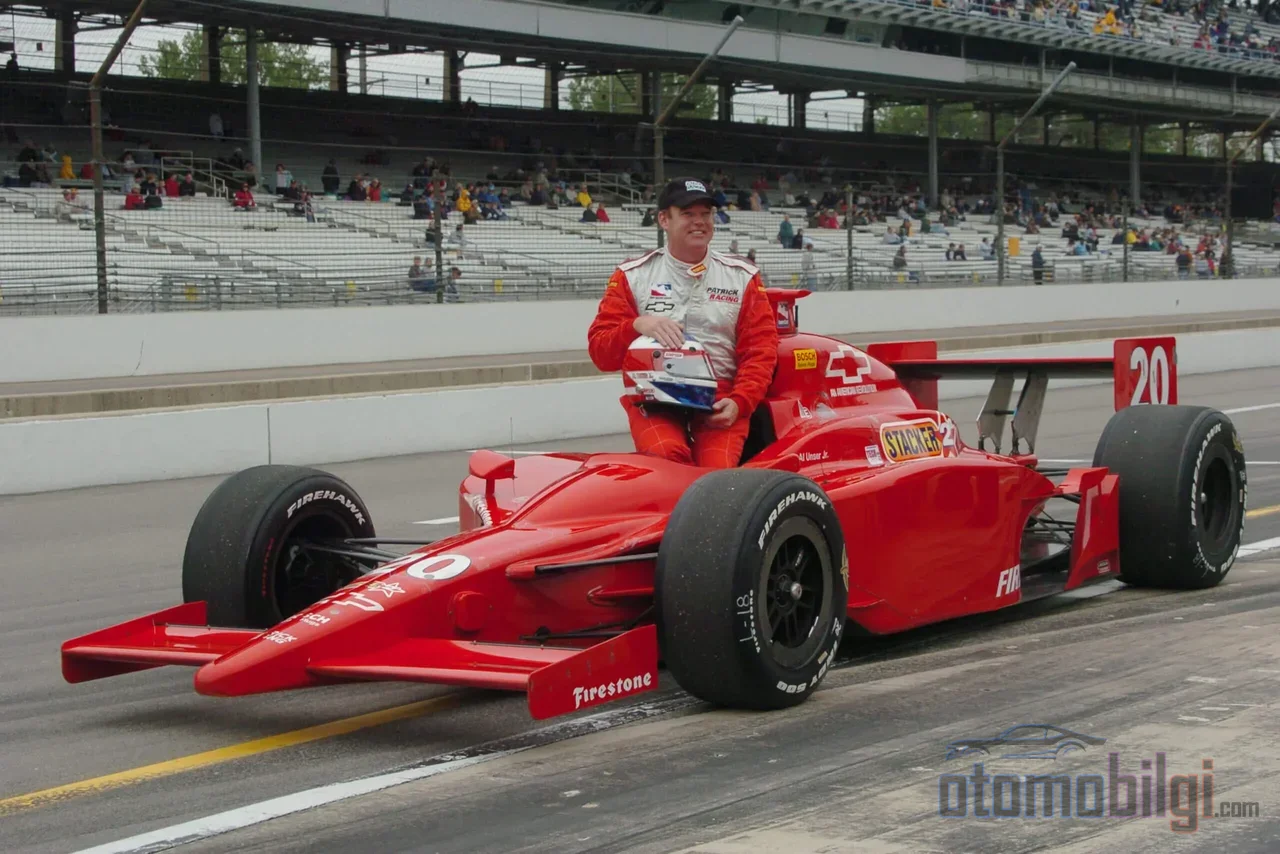
1989: Al Unser Jr. and the Fittipaldi Collision
In 1989, Al Unser Jr. was leading in the final laps when Emerson Fittipaldi's car rose in turn 3 and its wheel made contact with Unser's car. Unser lost control, hit the wall hard, and finished the race second. Unser Jr. won this race in 1992 and 1994, but even years later he said the 1989 loss was the one he remembered most. An attacking rival move ending with such a harsh physical consequence is one of the clearest examples of how thin the final-lap margins of the Indy 500 are.
2011: JR Hildebrand and History's Craziest Finish
You entered the final lap in the lead, you reached the final corner, and there is a slow car in front of you. While trying to pass it, you touched the outside wall and left the victory to Dan Wheldon. Yes, that is exactly what JR Hildebrand experienced in 2011. He could only finish the race second because he crawled across the line in his damaged car, but the winner was Wheldon. The racing world still debates this finish years later, and even the track itself seems to ask whether this was the wildest finish in history. In 1994, Emerson Fittipaldi suffered a similar fate: 184. 184, he hit the wall at turn 4, and his teammate Al Unser Jr. claimed victory under the caution flag. Fittipaldi was leading that lap and was trying to lap a car a lap behind.
Passes at the Finish Line
Some losses are not mechanical or caused by mistakes; the rival is simply faster and passes you exactly where it matters. The 2006 finale is the textbook example of this: Marco Andretti was ahead on the final lap, while Sam Hornish Jr. was about ten car lengths behind at the white flag. Andretti closed off his line thinking Hornish would attack on the inside, but his rival's speed was too much and he stayed wide. Hornish surged ahead on the straight just before the finish line and won the race. Another line was written into the Andretti family's painful history at Indianapolis.
The list is not limited to this. In 1991, Rick Mears passed Michael Andretti on the outside of turn 1. In 2005, Dan Wheldon passed Danica Patrick at 194. 1 of lap 194. In 2019, Simon Pagenaud managed to pass Alexander Rossi at the entry of turn 3, and in 2021, Hélio Castroneves passed Alex Palou at the entry of turn managed to make the pass at the corner entry. In 2012, Scott Dixon at 195. was leading from lap but in 199. 199, Dario Franchitti moved ahead. In 1995, Scott Goodyear's story was even more bitter: he was penalized for passing the pace car on the restart and could not hold on to the lead. In 2023, Marcus Ericsson, and in 2024, Pato O'Ward also failed to withstand the winner's attack on the final lap and finished second.
Highlights
- Since 1912, Indianapolis has kept an official statistics list of those who led on the final laps but failed to win.
- In 2011, JR Hildebrand touched the wall at the final corner on the last lap, and victory went to Dan Wheldon.
- In 2006, Sam Hornish Jr. came from about 10 car lengths behind at the white flag and passed Marco Andretti at the finish line.
- The 2026 Indianapolis 500 went to Felix Rosenqvist with the closest finish in history, a margin of 0.0233 seconds.
Those Who Ran Out of Fuel Beside the Win
There are also races you lose without anyone passing you or hitting the wall: the fuel runs out. Just like your phone battery dying in the middle of everything, but in a finale watched by millions. Tom Sneva in 1978 at 180. 180. Hélio Castroneves in 2010 at 189. after taking the lead only three laps later, 192. 192, he returned to pit lane over fuel concerns. In 2016, Carlos Muñoz, in 2018 Stefan Wilson, and in 2020 Zach Veach also gave up the lead for the same reason; Veach's stop gifted victory to Takuma Sato. In 2004, Adrian Fernandez at 174. when he pitted for fuel on lap the rain came, the race 180. 180, and it was all over.
2026: The Historic Final Where Malukas Lost by a Whisker
The freshest example of this dramatic tradition came on May 24, 2026. The 110th Indianapolis 500 ended with the closest finish in history: the gap between winner Felix Rosenqvist and second-place David Malukas was just 0.0233 seconds. Thus fell the record for the narrowest victory, Al Unser Jr.'s 0.043-second win over Scott Goodyear in 1992.
The final lap began with Marcus Armstrong in the lead. His teammates Malukas and Rosenqvist passed him; Armstrong and Rosenqvist battled side by side for 23 seconds, from the middle of Turn 1 to the entrance of Turn side by side for 23 seconds all the way to the corner entry. Rosenqvist explained that he ran the entire lap flat out on the high line, with no luxury of dropping low because there was no room. Malukas, who was four car lengths ahead at the white flag, said he had done everything, that there was nothing else he could have done. With his final-lap attack, Rosenqvist went down in history as the fifth driver to win this race on the last lap. For those comparing this finish to the 2006 Hornish-Andretti duel, the difference is this: Hornish dealt with a single rival on the last lap, while Rosenqvist wrestled with Armstrong, Malukas, O'Ward and McLaughlin all at once.
Why Is Last-Lap Drama Part of the Indy 500 Legend?
The short answer is this: entering the final lap in the lead at the Indianapolis 500 is not a guarantee of victory; the race officially acknowledges this too. The track's own statistics organization has kept a separate list, since 1912, of those who led in the final stretch but failed to win. What other race keeps official statistics for the losers?
Behind this lies the nature of the race. 500 miles, roughly three and a half hours of flat-out endurance, turns into a finale where everything is compressed into a single lap. Cars running at the limit of oversteer, fuel calculations, tires, and the split-second speed differences on the final straight thanks to what we call drafting - the slipstream advantage - are the stuff of this race. In other words, it is usually not speed that decides the winner, but the driver who makes the right call on the last lap and has a bit of luck as well.
Even the winners themselves point to close finishes as their most unforgettable moments: In a survey conducted with the 27 living Indy 500 winners, the 1992 race won by Al Unser Jr. by 0.043 seconds was chosen as the greatest in history. The ceremonial importance of the final laps is nothing new either; it is told that an army band played alongside Indiana-born Howdy Wilcox as he completed his victory laps. In short, last-lap drama is a tradition this race has carried to the present day.
And there is another reality: every year here produces one winner and 32 losers. That long list stretching from DePalma to Hildebrand, from Michael Andretti to Malukas exists precisely for this reason. The Greatest Spectacle in Racing means a finale where victory is embraced not by everyone, but by only one. Viewed from the loser's perspective, that is when the cruelty of the Indianapolis 500 truly becomes clear.
Sources
- Leaders Late In Race | Indianapolis 500 Race Stats
- Felix Rosenqvist Drives Final Lap for the Ages To Win at Indy
- Dan Wheldon wins stunning Indy 500 after JR Hildebrand crashes
- 1989 Emerson Fittipaldi and Al Unser Jr. Collision
- Al Unser Jr's memorable 1989 Indy 500 loss to Emerson Fittipaldi
- 1994 Indianapolis 500
- Closest Indy 500 finish ever
- Indy 500 Winners Pick Their Favorite 'Spectacle'
- Indianapolis 500 traditions