Switching from Diesel to Hybrid: Annual Cost Calculation 2026
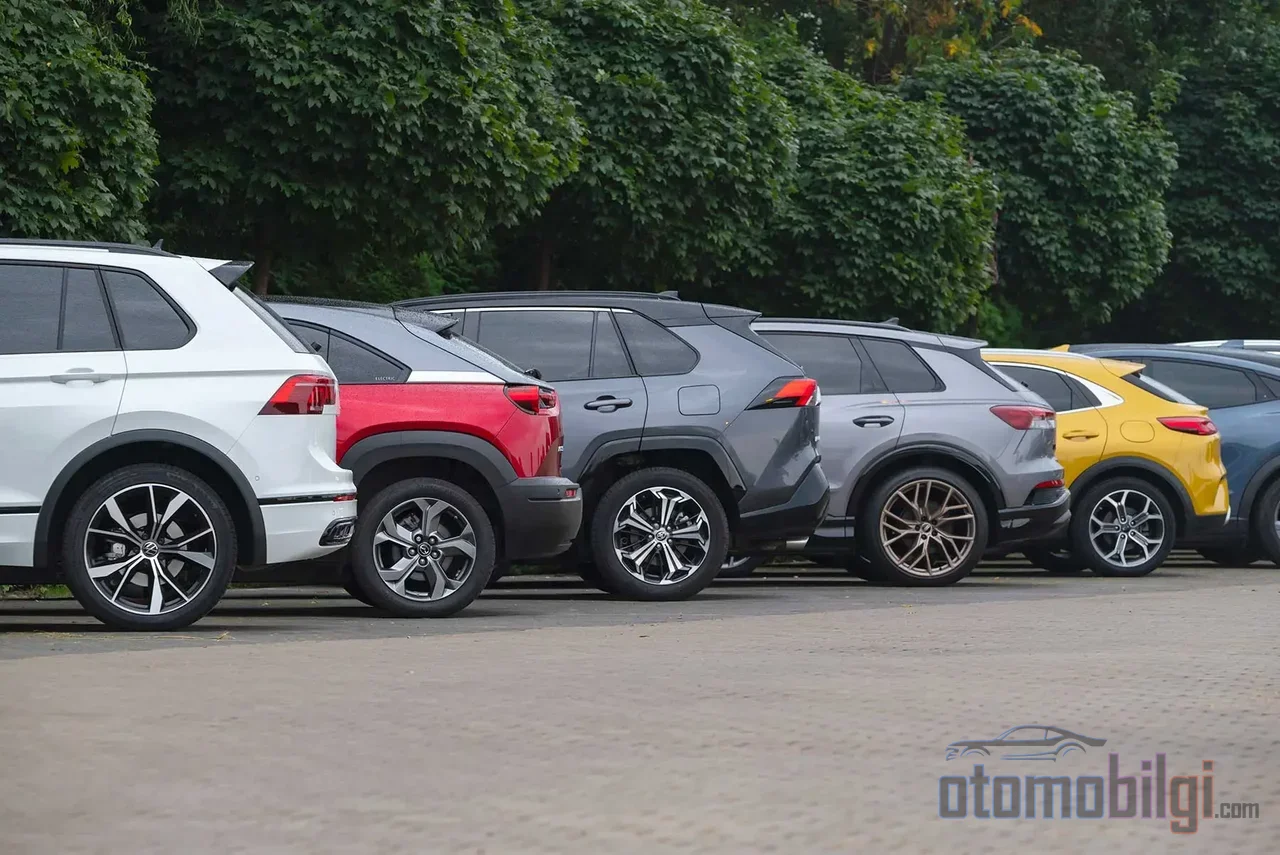
How many times have you done the math on your diesel vehicle: the money you paid at the pump, the oil changed twice a year, the highway run you did for the DPF warning. Then a hybrid pulls away beside you silently and you start thinking about how much you spend per liter in stop-and-go traffic. The question of whether switching to a hybrid really lowers annual costs does not have a single answer; the answer depends on how many kilometers you drive per year, how much of that falls within the city, and how many years you will keep the vehicle. This guide brings together the transition from diesel to hybrid in a single annual cost-of-ownership calculation: fuel, maintenance, insurance, battery risk, and resale value.
The Fuel Item: The Intersection of Diesel Price and Hybrid Consumption
The biggest item in the calculation is fuel. As of mid-2026, the price of a liter of diesel in the Turkiye market runs about 2-3 TL above gasoline; gasoline is in the 63-65 TL range, diesel in the 66-67 TL range. This is where the hybrid's advantage begins: although it runs on gasoline, the electric motor kicks in during city stop-and-go driving, so its real combined consumption drops noticeably below that of a diesel in the same segment.
Let's look at it through a concrete C-SUV example. The gasoline version of the same model consumes about 9.5 liters per 100 km in real combined use, the diesel version 6.5 liters, and the hybrid version 6.0 liters. Since the price of diesel is above that of gasoline, the diesel gives back part of its per-liter consumption advantage at the pump price. As a result, the 100 km fuel cost comes out at roughly 599 TL for the gasoline version, 429 TL for the diesel, and 378 TL for the hybrid.
Highlights
- 100 km fuel cost: gasoline ~599 TL, diesel ~429 TL, hybrid ~378 TL (at 2026 prices).
- Total 3-year cost of ownership at 20,000 km per year: hybrid ~1,731,000 TL, diesel ~1,809,000 TL.
- Hybrid battery warranties are usually 8 years / 160,000 km across brands.
- On the used market, hybrids sell in about 15 days on average, while high-mileage diesels can wait 45 days.
- Fuel savings alone closes the hybrid's purchase price gap beyond 200,000 km; the real gain is in value retention and maintenance.
Usage profile shapes this gap. The hybrid delivers 30-40% fuel savings in the city, and in stop-and-go-heavy use consumption can fall below 5 liters per 100 km; real-world city consumption is measured in the 3.5-4.5 liter range. On long journeys the gap narrows because the electric motor is engaged less. On the diesel side, there is also the matter of health: in short-distance city use, the risk of the DPF, i.e. the particulate filter, clogging grows, and this increases both consumption and maintenance risk.
Maintenance Cost: Brake Pads, Oil, and Diesel's Extra Burden
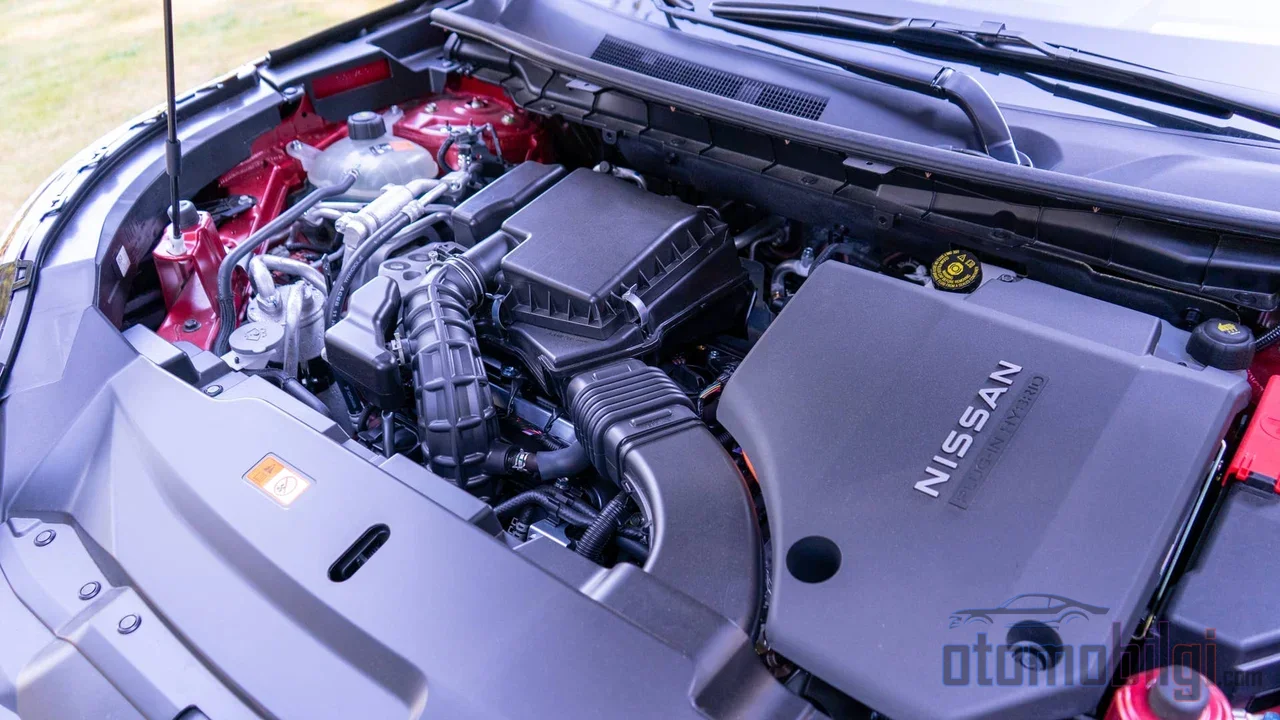
The hybrid's brake and oil advantage
In hybrids, brake pad life is noticeably extended thanks to regenerative braking taking the load off the hydraulic braking system. The pads wear later; there are examples extending to the replacement of the original brake discs at 185,000 km. This is a mechanical advantage that effectively halves the annual budget allocated per brake pad on a diesel vehicle. However, it should not be forgotten: regenerative braking does not completely eliminate the hydraulic system's maintenance needs; brake fluid should be changed every two years.
As for engine oil: a hybrid still has an internal combustion engine, so oil and filter changes continue. Maintenance intervals largely overlap with internal combustion vehicles; the recommendation of servicing every 15-20 thousand km or once a year applies to both technologies. In the three-year maintenance cost comparison, the hybrid comes in at around 50,000 TL, below the diesel's roughly 70,000 TL. The diesel's burden in this item stems from well-known causes: DPF, AdBlue system and injector maintenance are additional cost items with no hybrid equivalent.
Battery: warranty coverage and risk spread over the years
The most questioned item of the hybrid is the battery. It is possible to calm the concern with numbers: hybrid battery lifespan ranges from 8-15 years; when replacement is needed, the cost falls in the 15,000-30,000 TL band. In other words, the battery is not an item the size of the car's price. Manufacturer warranties also strengthen the protection: Hyundai offers an 8-year / 160,000 km battery warranty, Renault applies the same limit, and Toyota allows the hybrid battery guarantee to be extended, for a fee, up to 10 years with no mileage limit from the delivery date. Given that Toyota hybrid batteries have shown service lives exceeding 15 years and 250,000 km, that as of 2026 batteries have been proven to operate trouble-free up to 15 years of age, and that independent shops performing cell repair are becoming widespread, when you spread the out-of-warranty battery risk over a 10-year ownership period, the annual cost does not exceed a few thousand TL.
Insurance, Tax and Purchase Price Difference
Since the comprehensive insurance premium is calculated based on the vehicle's value, the hybrid version, which sells at a higher price, incurs somewhat higher comprehensive insurance; on a vehicle valued at 3.5 million TL, the total of traffic insurance and comprehensive insurance is between 45,000-55,000 TL per year, and the difference between versions usually does not exceed a few thousand TL. Over the three-year period, the insurance item is estimated at around 155,000 TL for the diesel and around 160,000 TL for the hybrid. In other words, the comprehensive insurance difference alone is not an item that would change the decision.
Hybrids have no advantage in the motor vehicle tax: MTV is levied based on engine displacement rather than emissions, and versions with the same displacement are taxed in the same bracket. All three of the 1,598 cc petrol, diesel and hybrid versions are taxed in the same annual MTV bracket (around 12,028 TL). The real tax advantage exists only with fully electric vehicles; an electric vehicle owner pays about a quarter of the MTV of an equivalent combustion vehicle.
The heaviest item is the purchase price difference. In the reference C-SUV, the hybrid is about 450,000 TL more expensive than the petrol version and about 340,000 TL more expensive than the diesel version. This is the critical point of the calculation: the hybrid's per-km fuel savings over diesel is at around 2.2 TL, and if this difference is only tried to be offset through fuel, the break-even point exceeds 200,000 km. The claim that a hybrid pays for itself through fuel is, with the 2026 price structure, largely a myth. The real equation requires looking for the difference in items other than fuel.
Second-Hand Value: The Hidden Center of Gravity of the Calculation
The most overlooked item in the annual cost calculation is depreciation; over a three-year period, depreciation estimates of approximately 1,235,000 TL for gasoline, 1,290,000 TL for diesel, and 1,258,000 TL for hybrid are factored into the calculation. Not only these figures, but liquidity also matters: in 2026, hybrids sell in an average of 15 days in the second-hand market, while high-mileage diesels can wait 45 days; the impact of engine type on sales speed has reached up to 30%. Diesel second-hand value is trending downward under regulatory pressure, while hybrid is on the rise. The market also confirms this direction: in 2026, more than half of the vehicles sold in Turkiye are hybrid or electric, with full hybrids at around a 51% share.
A practical note for the diesel owner making the switch: standard inspection is not enough for hybrid second-hand buying and selling. Since the battery is a closed system, a hybrid system scan, battery capacity report, inverter condition and cell balance check are required; these tests can be performed at the brand's authorized service centers or hybrid specialist centers. Sharing the battery health report when getting a comprehensive insurance quote works in negotiating premium and coverage.
Total Cost: At 20,000 km Per Year, Who Is Ahead?
| Item (3 years, 20,000 km per year) | Diesel | Hybrid |
|---|---|---|
| Fuel (60,000 km) | ~257,400 TL | ~226,800 TL |
| Maintenance | ~70,000 TL | ~50,000 TL |
| Insurance | ~155,000 TL | ~160,000 TL |
| Depreciation | ~1,290,000 TL | ~1,258,000 TL |
| Total cost of ownership | ~1,809,000 TL | ~1,731,000 TL |
The totals in the table favor the hybrid because they exclude the purchase price: for a driver doing 20,000 km per year, the hybrid's three-year cost of ownership comes out approximately 78,000 TL lower than diesel. This difference is formed by the sum of fuel (~30,600 TL), maintenance (~20,000 TL), and depreciation (~32,000 TL) items. However, when you also add the ~340,000 TL price difference paid at the time of purchase to the equation, the picture changes: the annual ownership advantage recovers the capital difference only over long years. It is precisely this distinction that makes the calculation honest.
At Which Mileage Is Which Decision Reasonable?
Mileage thresholds can be summarized with clear lines: for a driver staying below 15,000 km per year, diesel's price difference and maintenance burden carry the economic advantage. At 15,000 km per year, diesel and hybrid produce similar fuel costs; the deciding factor turns into the difference in maintenance and depreciation. Above 20,000 km per year and in city-heavy use, the hybrid pulls ahead; if more than 70% of the use is within the city, hybrid savings peak. For users driving less than 30,000 km per year, the economic case for diesel is already weak.
The profile for whom staying with diesel still makes sense is also well defined: if more than half of the driving is on long roads or the vehicle regularly carries loads, diesel maintains its advantage in both consumption and comfort. On long roads, the hybrid's savings decrease; for example, in the Mondeo, out-of-town consumption rises to 4.5 liters per 100 km for the hybrid while dropping to 4.2 liters for diesel. A diesel user with a DPF must do at least one highway drive longer than 20 minutes per week for the health of the filter; for a city user who cannot do this, the case for staying with diesel weakens.
Another alternative is fully electric: for a driver with home charging capability, the annual energy cost for 10,000 km is around 7,500 TL, far below all the alternatives; in fact, even an LPG-equipped gasoline car can cover the same distance more cheaply than the hybrid, at around 35,000 TL (hybrid: ~36,180 TL). If there is no home charging, the calculation changes: the energy cost for 10,000 km at a fast-charging station jumps to around 25,375 TL, and even with the tax advantage it requires careful calculation. With the LPG option, disadvantages such as warranty coverage, loss of trunk space, and second-hand market perception balance out the price advantage.
Conclusion: Who Benefits from the Hybrid Transition in Annual Cost?
The short answer is this: switching to hybrid reduces annual costs for diesel owners driving over 20,000 km per year, mostly in the city, who will keep the vehicle for at least three years and want to sell it quickly and at a good price; fuel savings alone do not justify this transition - the difference lies in value retention, lower maintenance, and liquidity. Staying with diesel makes more sense for annual usage below 15,000 km with mostly long-distance driving, while high-mileage city users with home charging should look at fully electric. When you factor in that consumption increases by 10-20% in winter and air conditioning load can add another 8-10%, and combine your own profile with the items above, you will see that this decision is not as ambiguous as it is thought to be.
Sources
- Diesel, Gasoline, or Hybrid in 2026? Which Engine Makes Sense?
- Gasoline, Diesel, or Hybrid? A 3-Year Cost Comparison
- Diesel or Hybrid? Fuel Type Comparison Guide 2026
- Toyota Hybrid System Check and Hybrid Battery Warranty
- Should You Buy Gasoline, Diesel, or Hybrid in 2026? Fuel Savings Guide
- What to Look for When Buying a Used Hybrid Vehicle?
- Battery Life and Battery Replacement Costs in Electric Vehicles