What Should the Brake Pad and Oil Change Intervals Be in a Hybrid Car?
Share This Page
In a hybrid car, brake pads can typically last 100,000-160,000 km ; engine oil, on the other hand, is changed based more on time than mileage, at intervals such as 16,000 km or 12 months , whichever comes first. Since regenerative braking takes most of the load off the friction brakes, the pads wear little, but this time rust and sticking calipers come into play; similarly, because engine running time is shortened by the hours spent in electric mode, the calendar becomes more decisive than the odometer. This guide covers both maintenance items with concrete figures and cooling system intervals.
Highlights
- Hybrid brake pad life in everyday use is above 100,000 km; the typical range for gasoline cars is 40,000-70,000 km.
- Pad thickness when new is 10-12 mm; 6.4 mm below that, it is time to replace.
- Engine oil: 16,000 km or 12 months (0W-20 synthetic), whichever comes first.
- Brake fluid should be changed every 2 years under Türkiye conditions.
- On Toyota hybrids, the inverter coolant's first replacement is around 240,000 km / 15 years, then every 80,000 km / 5 years.
Why Does Regenerative Braking Extend Brake Pad Life?
In a hybrid system, when you slow down, the electric motor briefly works as a generator: it converts the rotational energy of the wheels into electricity and charges the battery. This process is called regenerative braking, and the practical outcome is this: although most of the decelerations in daily driving feel like pressing the brake pedal, they are physically provided not by the friction brakes but by the counterforce the motor applies while generating electricity. The mechanical pads and discs come into play only for full stops and emergency braking.
Numerically, the difference is significant. In a conventional gasoline vehicle, pad life is typically in the 40,000-70,000 km range under normal conditions. In hybrid models, it is quite ordinary for the original pads to last over 100,000 km ; some Prius owners have documented exceeding 160,000 km with the original pads. Evaluations of electric vehicles give a similar multiplier: thanks to regenerative braking, pad life can extend 3-4 times compared to gasoline cars and can exceed 150,000 km.
So when thinking about brake maintenance in a hybrid vehicle, the wear budget needs to be reimagined. Pad replacement becomes an item that comes up only once or twice over the vehicle's lifetime - at least if used correctly.
The Real Problem With Lightly Used Brakes: Not Wear, But Rust
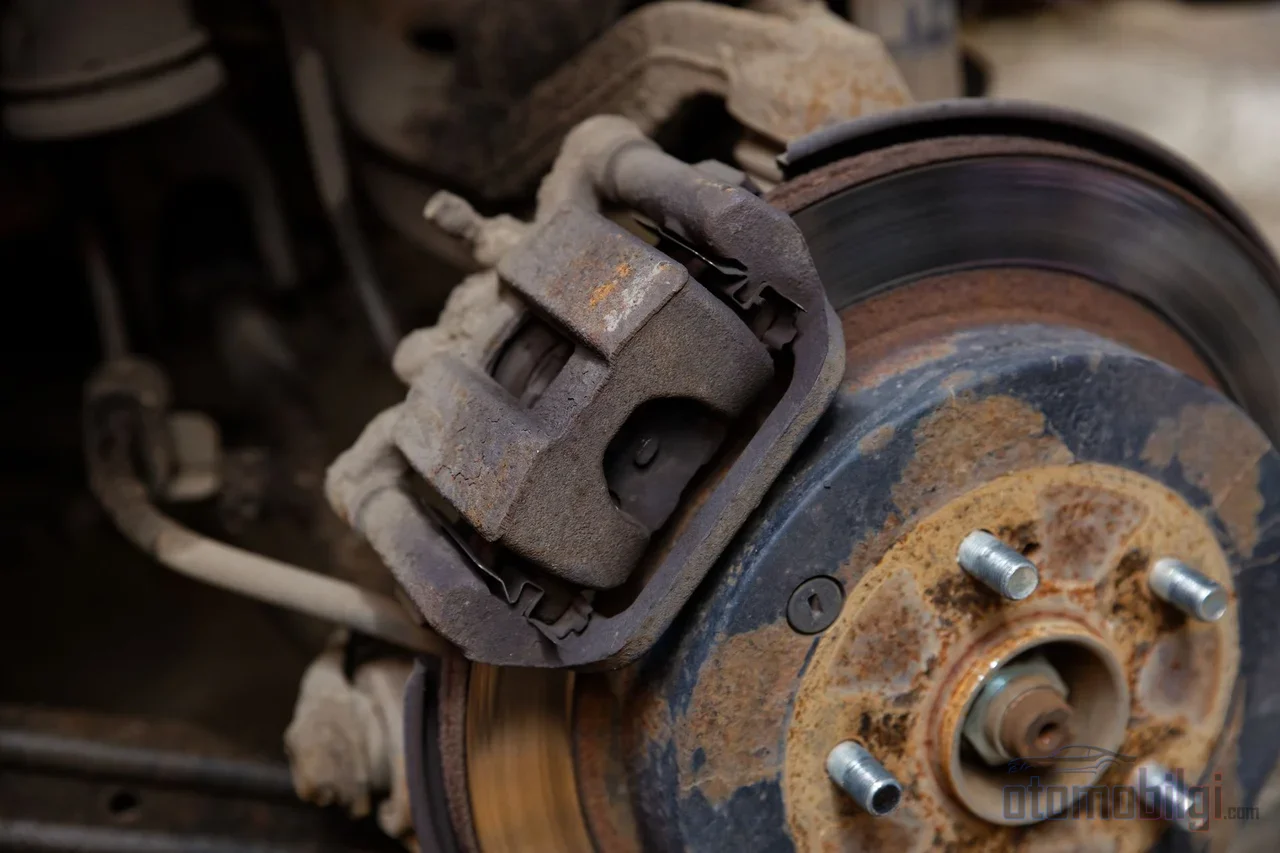
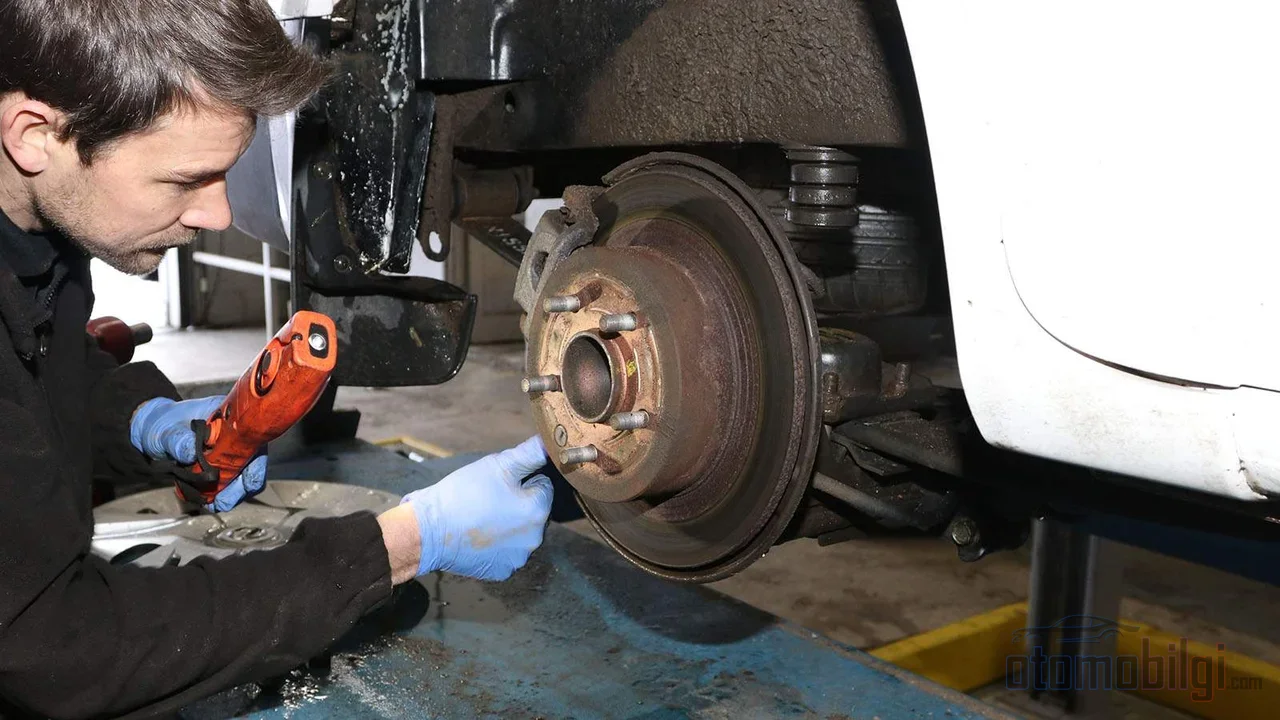
Regenerative braking is a double-edged sword. The pads last for years, but because the friction brakes engage so rarely, corrosion takes over the wear problem. A layer of rust forms on the disc surface; the sliding pins that allow the caliper to move with the pads can lock up, especially on salty and humid roads. If a locked caliper keeps pressing the pad against the disc, the result is the exact opposite of regenerative braking: one-sided and rapid wear, overheating, and disc damage.
Türkiye also has an example familiar with this picture: the case of a user who 800 kmwent to the service five times with complaints of brake pad squeal in a new hybrid vehicle shows that regenerative transition can create an early-stage pad-disc compatibility problem. The system overlooking the pads because they will never wear out is the scenario experts describe as a costly mistake.
When Should Brake Pads Be Checked and When Should They Be Replaced?
The practical rule is this: the annual brake inspection should be done not because hybrid pads wear out quickly, but because the system needs to be checked for rust and sluggishness. The schedule Toyota recommends for the Canadian market is a brake system inspection every 8,000 km or every 6 months ; for Türkiye, Bosch Car Service's approach is to check pads, discs, calipers and noises every 10,000–15,000 km. During these visits, corrosion on the disc surface and the movement of the caliper pins are also reviewed.
The replacement threshold is measured by wear: new pad thickness is typically 10–12 mm, while the inspection and replacement limit is approximately 6.4 mm. Applying the 30,000–50,000 km band given for gasoline vehicles in general Turkish guides to hybrids and having them replaced early is an unnecessary expense in most cases; the criterion is not mileage, but the measured thickness and disc condition.
Oil Change in a Hybrid Car: Mileage or Time?
A hybrid's gasoline engine lives a strange life: it frequently remains inactive in electric mode, and in stop-and-go traffic it goes through moments of not running at all for hours. Since engine running time is shorter, the load on the oil is also reduced; for this reason manufacturers set longer oil intervals for hybrids than for gasoline vehicles. The typical synthetic recommendation is 16,000 km (10,000 miles) or 12 months, whichever comes first, and the vehicle runs on 0W-20 grade synthetic oil. Compared to the general 10,000 km / 12 months rule in gasoline vehicles, the mileage side is longer.
The reason time matters more than mileage is the chemistry of the oil. An engine that runs little creates the illusion that the oil has not run out; but oil degrades not only under friction load but also from the moisture and temperature cycles it is exposed to while sitting in the sump. In short-distance use, the engine shuts off without ever fully warming up, and the moisture accumulated inside is not expelled - in this case, the calendar runs out before the odometer. Service sources in Türkiye follow the same logic: engine oil once a year or within the 10,000–15,000 km band, with the time criterion taking precedence in short-distance-heavy use.
- Hybrid with synthetic oil: approximately 16,000 km or 12 months, whichever comes first.
- Hybrid using mineral oil: approximately 8,000 km (5,000 miles), a shorter interval.
- First maintenance (Toyota Türkiye practice): engine oil and filter replacement at10,000 km
- , plus a general brake system inspection. Mostly used in electric mode:
It should also be noted that owners disagree on the interval. Alongside those who consider the manufacturer's long interval sufficient, there are also users who change at intervals shorter than 5,000–6,000 kmand interpret the long interval as a policy of pushing frequent service cycles. The safe and cost-reasonable middle ground is to stick to the time limit in the manual and tighten the schedule for predominantly urban, short-distance use. Saving on oil quality is considered a mistake by both camps.
Brake Fluid: The Forgotten Second Fluid
No matter how long the pads last, the hydraulic fluid has its own lifespan. Brake fluid is hygroscopic, meaning it absorbs moisture over time; fluid with increasing moisture loses its boiling point and the pedal feel softens during long braking. Honda sources show the typical interval as 3 years or as the manual's maintenance code; in Türkiye, service sources recommend replacement every 2 years . Intervals of 4–5 years also circulate on Toyota owners' forums, but if the pedal starts to feel spongy, waiting is pointless: the time for a flush has come. The two-year schedule is the most defensible interval for Türkiye's conditions.
When Do the Cooling System and Inverter Cooling Get Changed?
A hybrid has two separate heat problems: classic engine cooling and the cooling of the inverter, the heated heart of the high-voltage side. The second circuit operates with a separate reservoir and a separate schedule in most models; in Toyota hybrids, the first replacement of inverter coolant comes at a very late period, followed by regular intervals. In Ford hybrids, the inverter controller's coolant reservoir is separate and pre-diluted coolant is added by opening its cap.
An official hybrid period chart published by manufacturers for the Türkiye market is not yet at hand; therefore, the table below is compiled from global manufacturer schedules. When applying it in Türkiye, hot climate and short-distance use should be taken into account: assessments regarding Australian conditions show that in theory 160,000 kmlong-life fluids are in practice depleted earlier in a hot climate.
| Fluid / System | Recommended Interval | Note |
|---|---|---|
| Engine oil (0W-20 synthetic) | 16,000 km or 12 months | Whichever comes first; calendar leads in short-distance use |
| Brake fluid | Every 2–3 years | Regardless of mileage; immediately if the pedal feels spongy |
| Brake system inspection | Every 8,000–15,000 km / 6 months | Rust, caliper pins, pad thickness |
| Inverter coolant (Toyota) | First at ~240,000 km / 15 years, then 80,000 km / 5 years | Separate reservoir, separate schedule |
| Engine coolant (Toyota) | First at 160,000 km / 10 years | Independent of the inverter circuit |
| Hybrid/BEV coolant (general) | 10 years / ~320,000 km or you could say lifetime per the manufacturer | Considered earlier in hot climates |
| First hybrid maintenance visit | ~8,000 km / 6 months | Tire rotation, pad and disc inspection |
A note: while some manufacturers sell coolant with a "lifetime" label, service sources see 10 years / 200,000 miles as the replacement window, and hot climates bring that window forward. The "lifetime" expression should not be read as an infinite guarantee.
Practical Maintenance Schedule for Use in Türkiye
When you combine the figures above, the picture that emerges is that hybrid maintenance is actually cheaper than gasoline but a job that requires more calendar discipline. The typical usage profile in Türkiye - short distances, heavy traffic, high summer temperatures and winter salt along the coastline - strengthens the calendar side in all three items.
- Every 10,000 km or once a year: engine oil and filter, general inspection of the brake system (rust, calipers, disc surfaces).
- Every 2 years: brake fluid replacement.
- Once a year in addition: brake pad thickness measurement; 6.4 mm replace pads that wear below this, regardless of mileage.
- In the long term: plan the inverter and motor coolants according to the manufacturer's schedule; if you consider selling the car, these records also protect its second-hand value.
In short, with hybrid ownership, brake pads ease your wallet, while the oil and fluid schedule demands discipline. A car that follows the calendar truly captures the low running cost per kilometer that the hybrid promises.
Sources
- How Toyota Owners Know: When to Replace Brake Pads
- Brake Maintenance In Electric Vehicles
- Hybrid Car Engine Oil Change Tips - HVI App
- Hybrid and PHEV Oil Change Intervals: What You Need to Know
- Is It Time To Switch To Specialized Hybrid Oil?
- Hybrid Fuel System Maintenance Tips
- How Often Should You Change Synthetic Oil?
- Hybrid & BEV Cooling System Maintenance
- Toyota Camry Maintenance Schedule
- Engine Coolant Check HEV - Ford Service Content
- Honda CR-V Maintenance Schedule & Codes
- Toyota Hybrid Maintenance Schedule at a Glance
- Vehicle Maintenance Periods
- Brake Maintenance - Bosch Car Service Türkiye
- Periodic Vehicle Maintenance in 5 Steps
- Toyota 10,000-160,000 km Maintenance Guide
- Why Regenerative Braking Is Bad for Your Brake Pads