First Winter Guide for Those Switching from Gasoline to Hybrid
Share This Page
If you have recently switched from a gasoline car to a hybrid, one thing will seem foreign to you in your first winter: increased consumption and the engine kicking in far more often than you expected. Neither of these indicates a fault; in the cold, every internal combustion engine warms up more slowly, and the hybrid system is designed to lean on the gasoline engine so as not to strain the battery. Consumption in winter increases by an average of 10-20%, and on short urban distances by up to 20% ; the restriction of electric mode, regenerative braking feeling different on ice, and the strain on the 12-volt battery are all parts of the same picture. This guide aims to help you distinguish, in measurable terms, what is normal and what is a problem.
Highlights
- Winter consumption increase of 10-20%; on short urban distances it can reach up to 20%. could rise.
- Winter tires increase consumption by 2-5% ; this is not a fault but a safety requirement.
- Tire pressure loses approximately 10°C for every 1-2 PSI drop in ambient temperature.
- Hybrid battery warranties vary by brand; the common guarantee level is 8 years. is at the level of.
- Cold causes only a temporary performance drop in the battery; permanent wear is triggered by excessive heat.
Does a hybrid car burn more fuel in winter? What physics really says
Yes, it does - but this is not a flaw specific to hybrids. The main mechanism behind winter consumption increase is the same for every type of vehicle: the engine reaches its ideal operating temperature of around 85-90°C much later. During this period, the engine brain (ECU) runs with a rich mixture and high idle speed; that is, extra fuel is deliberately spent to warm up the cylinders. On top of this come the thickening of engine and transmission oils in the cold, increased friction, extra aerodynamic drag from the density of cold air, and the load that electric equipment places on the alternator.
Short-distance urban driving is the scenario that triggers this increase the most, because the engine never reaches full warm-up point. The winter fuel formula - additives that control evaporation - used by fuel companies in Türkiye between November 1 and March 31 slightly increases consumption. So comparing the gauge with summer values is misleading; compare it not even with yourself, but with the season.
Why doesn't electric mode engage in the cold? The logic of the system design
This is the question new hybrid owners ask most often: "In summer it pulled away silently, why does the engine start right away now?" The answer is simple: the hybrid system does not need the internal combustion engine for starting, except in very cold weather or when the hybrid battery is completely empty. In the cold, the engine's frequent engagement is the system's self-protection strategy - when the engine runs, it both warms up and feeds the battery. Once the engine shuts off and cools down, the system restarts it when the temperature falls below the threshold; on short distances it repeats this many times.
This behavior does not eliminate the hybrid's true strength in urban traffic. In city driving, a full hybrid system can achieve up to 70% percent can drive on electricity alone and recharges itself. Until the warm-up cycle is complete, the share of electric mode remains low - read this not as an efficiency loss, but as the natural operating parameter of the cold season.
Effect of the heating system on fuel: The heater is actually free, the real culprit is elsewhere
A common belief is that the heater consumes extra fuel in a hybrid. In a hybrid with an internal combustion engine, heating uses the heat of the coolant; it does not directly burn fuel itself. The real electrical load comes from the windshield defroster, seat and steering wheel heating - these place extra load on the engine through the alternator and raise consumption. Practical takeaway: preferring seat heating and equipment that directly warms your body instead of heating the cabin is more economical than keeping the windshield defroster on continuously.
The habit of warming up the engine at idle works the other way around. Idling for more than 30 seconds increases consumption. Waiting 30-45 seconds and then moving off gently at low revs warms the engine faster and does not waste unnecessary fuel. The belief that "letting the engine idle protects it" is incompatible with modern engine and oil technology.
How does regenerative braking change on icy surfaces?
Regenerative braking converts the vehicle's kinetic energy into electricity when you lift off the accelerator and stores it in the battery. On smooth surfaces, this is the backbone of the hybrid's fuel economy. In winter, however, two details need to be known. First, the system can apply braking force on the rear wheels as well; on icy or snowy surfaces, this force distribution feels different. Second, in hybrids regenerative braking is always active and cannot be reduced or adjusted into one-pedal driving as in fully electric vehicles - meaning you yourself have to adapt the vehicle's deceleration character to winter surfaces.
Practical result: when there is ice and snow, avoid sudden braking and increase your following distance well above summer values. Regenerative braking itself remains a useful feature; what changes is that the force transitions occur on a more fragile icy surface.
Batteries in the cold: The winter behavior of the 12-volt battery and the hybrid battery
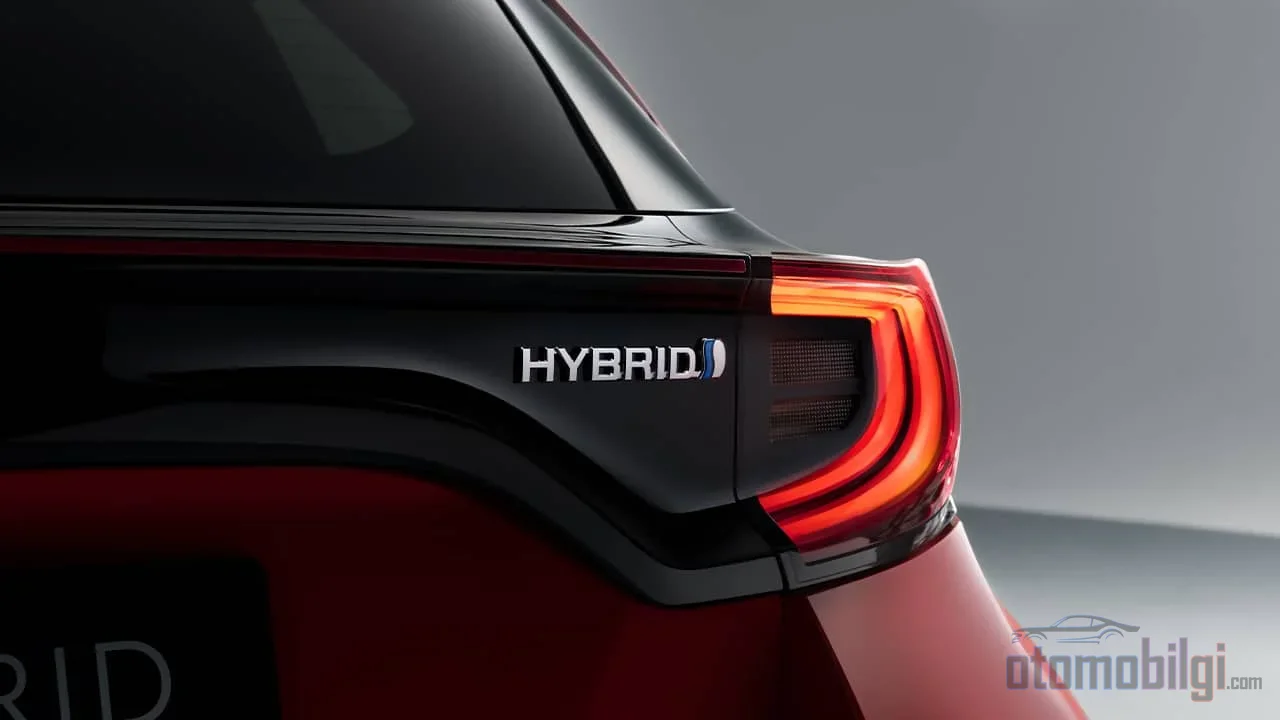
In winter problems, the critical component is often not the big battery but the 12-volt auxiliary battery. This battery is responsible for control units, locks, lighting, and engaging the high-voltage system; since battery capacity can drop 20-50% in the cold, this is the weakest link. If you leave the vehicle unused for a long time, the battery level may drop and the vehicle may not start - start the vehicle periodically during long holidays or idle periods.
As for the hybrid battery itself: cold causes a temporary performance drop, not permanent damage. What truly degrades the battery's chemistry quickly is excessive heat. The outlook on lifespan is reassuring - with regular use, batteries serving beyond 200,000 km are common. Warranty conditions vary by brand and the coverage offered: the common assurance on the market is 8 years at that level, manufacturers can extend the battery warranty for vehicles that pass hybrid system checks to 1 year/15,000 km. The conditions in your vehicle's own warranty document are the deciding factor; don't expect a single universally valid period.
Winter tire selection: Increased consumption and 2026 model recommendations
Winter tires increase consumption by 2-5% due to rolling resistance. This increase is a physical fact, not a malfunction; compared to the safety requirement, the cost is negligible. Fuel-efficient (low rolling resistance) winter tires limit this increase. Also remember: every 10°C drop in ambient temperature means a loss of about 1-2 PSI in tire pressure - check the pressures once a week in winter.
The market is wide: tens of thousands of winter tires are listed in online price engines, and affordable options in the 205/55 R16 size are available in the four-digit TL range. Among the standout 2026 models are the Michelin Alpin 7, Bridgestone Blizzak 6 and Lassa Snoways 5 ; for those looking for all-season alternatives, the Michelin CrossClimate 2, Continental AllSeasonContact 2 and Goodyear Vector 4Seasons are strong candidates. Tires with low rolling resistance designed specifically for electric and hybrid vehicles - such as the Michelin e.Primacy
- also help limit the extra consumption in winter.
| Realistic expectation table: What is normal, what is a problem? | Situation | Normal? |
|---|---|---|
| Explanation | 10-20% increase in consumption | Normal |
| Late warm-up, rich mixture, electrical load, tire pressure | The engine frequently kicking in within the city | Normal |
| Electric mode is restricted in the cold; it is by system design | Regenerative braking feeling different on ice | Normal |
| The system is always on; avoid sudden braking | 2-5% increase in consumption with winter tires | Normal |
| Rolling resistance; a safety requirement | Reduced battery performance in the cold | Temporary; extreme heat triggers permanent wear |
| A vehicle that won't start after long periods of disuse | Precaution needed | The 12V and battery levels drop; run the vehicle periodically |
A final framework: hybrid is the most sensible technology for users who consume over 15,000 km per year and for whom more than 60% of their driving is in the city; in the class where urban consumption stays in the 4-4.5 liter range, it leaves its gasoline equivalents far behind even in winter. If, in your first winter, you learn to read the gauge in terms of seasonal variables, you will see in spring, when consumption recedes, that it is not a repair but the end of a reckoning with physics.
Sources
- Why Does Fuel Consumption Increase in Cold Weather? | Oilmarkt Blog
- Does Fuel Consumption Increase in Winter Months? What Should You Do?
- Why Does Fuel Consumption Increase in Winter?
- Things to Consider When Using a Hybrid Car
- What Is Regenerative Braking?
- What Is Regenerative Braking in Electric Vehicles and Why Is It Important?
- Regenerative braking - Advanced Driving Academy
- Toyota Hybrid System Check and Hybrid Battery Warranty
- What Is Hybrid? - Toyota Türkiye
- How long does a hybrid car battery last?
- How to Extend Battery Life in Hybrid Cars?
- What Is the 12-Volt Battery Used for in Hybrid Cars?
- When Does a Hybrid Car Make Sense? - 2026 Decision Guide
- Charging warning for electric and hybrid vehicles during the full lockdown period
- The best winter tire recommendations
- Best Winter Tire Brands and Models (2026-2027)
- All-Season Tire Recommendations 2026
- The Best Electric Vehicle Tires
- Winter Driving Tips for All Vehicle Types 2025-2026
- Why Do Cars Consume More Fuel in Winter? - Forum