Tire Selection in Hybrid Cars: The Balance of Fuel Efficiency and Comfort
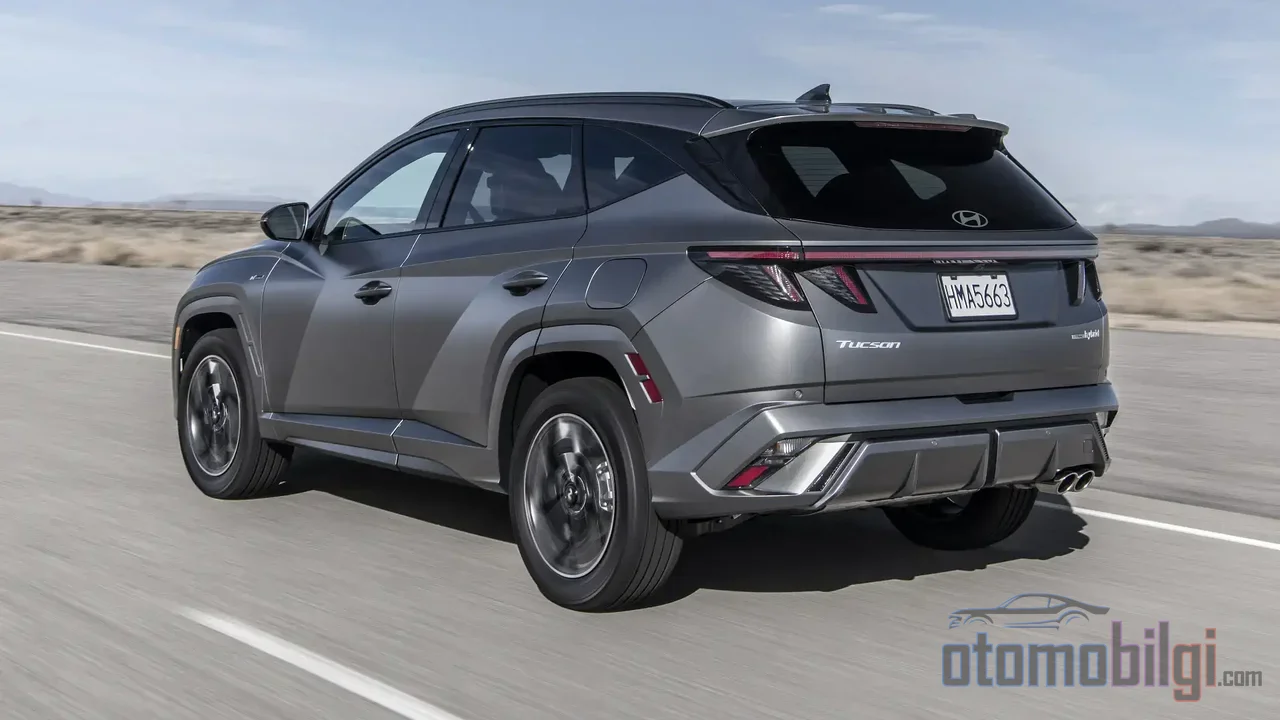
Even when a hybrid car's engine is off, the tires keep working - and in a quiet cabin, you can hear it. In a gasoline car, the exhaust and engine noise mask this; in electric mode, the tire's contact with the asphalt becomes the cabin's main source of noise. The same tire also determines fuel consumption. In other words, a hybrid owner's tire choice is not a single purchase, but a three-way balance between consumption, comfort, and braking performance. In this article, we cover the physics and numbers behind this balance, the effect of the hybrid's low-rev torque character on the tires, and what to look for when it's time for a replacement.
How Does Rolling Resistance Affect Fuel Consumption?
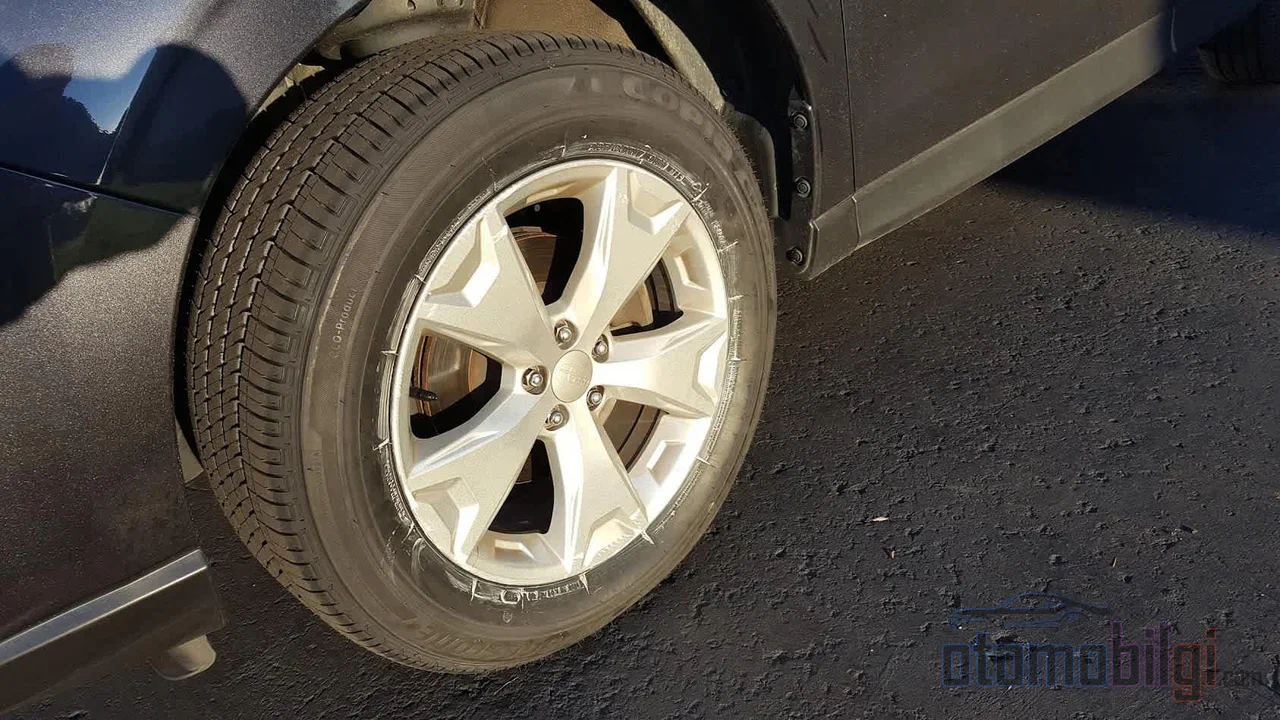
As a tire rolls on the road, it is constantly deformed; the rubber loses energy during this deformation, and that energy is released as heat. Deformation, friction, and air resistance are the main components of rolling resistance. The higher this resistance, the more energy the vehicle needs to maintain the same speed. In a hybrid vehicle, part of this energy comes from gasoline and part from the battery; so high rolling resistance hits both the fuel tank and the range.
The numerical dimension is clear: a 30% increase in rolling resistance leads to 3–5% higher fuel consumption. In the opposite direction, a 10% improvement in rolling resistance means savings of up to 2%. Experimental studies show that low rolling resistance tires can improve steady-speed consumption by roughly 0.5 liters per 100 km. The nuance here is this: rolling resistance affects not only the tire itself but also the vehicle's overall energy balance; since hybrids make intensive use of regenerative braking, this difference becomes more visible in urban driving profiles.
That is why manufacturers develop special compounds and constructions for hybrid and electric vehicles. Silica-rich raw material blends, lightweighted structures, and stiffened shoulder blocks reduce energy loss. Michelin's e.Primacy model promises an average saving of 0.21 liters per 100 km, which roughly amounts to 80 euros over the tire's lifetime; in vehicles like the VW e.Golf, range can increase by 7%, or about 30 km.
Key Takeaways
- A 30% increase in rolling resistance raises consumption by 3–5%; a 10% improvement yields savings of up to 2%.
- LRR tires can improve hybrid consumption by 3–6% and electric range by 4–7%.
- More than half of all vehicles are on the road with pressure at least 0.3 bar below spec; this alone increases rolling resistance by 6%.
- Hybrid and EV tires typically wear out within the 30,000–40,000 km band and degrade faster due to torque.
- A polyurethane foam liner on the inner surface can reduce cabin noise by up to 9 dB(A), depending on the vehicle and road surface.
Can You Get Efficiency Without Sacrificing Grip?
Is there no price to pay for low rolling resistance (LRR)? Partly, yes. The efficiency promise is sometimes inflated by marketing language; but it is a physical fact that LRR tires genuinely deliver lower resistance through lighter and stiffer materials. The real challenge is the most critical point of debate in tire engineering: part of rolling resistance is necessary for grip. A tire's contact patch with the road is roughly the size of a postcard, and this small surface must deliver both efficiency and braking at the same time.
That is why reducing rolling resistance to zero defies physics. Only about one percent of tires manage to combine Class A rolling resistance with Class A/B wet braking at the same time. So there is an unavoidable trade-off when shopping: some LRR models show a higher initial price (a difference of 10-30 pounds per tire) and longer wet braking distances. A hybrid's regenerative braking preserves the brake pads regardless of dry or wet conditions; but when the tire's grip reaches its limits, the physical brakes kick in and the distance difference there becomes noticeable.
Why Does Road Noise Become Disturbing in Electric Mode?
In a gasoline vehicle, the engine, exhaust, and transmission sounds mask the tire's asphalt hum. When a hybrid switches to electric mode, these masks disappear and tire-road noise comes to the fore. It goes unnoticed in the first kilometers of driving; but as speed increases, tire noise gradually becomes more dominant. Depending on the quality of the road surface, this can turn into a disturbing hum even in the city.
The solution lies in the tire's internal structure. Tires lined with polyurethane foam absorb sound waves, reducing the noise transmitted into the cabin; depending on speed, vehicle type, and surface type, a reduction of up to 9 dB(A) is possible. Different manufacturers offer this approach on the market under similar brand names; the foam layer applied to the inner liner is now almost a standard feature of the hybrid and electric tire segment.
Why Do Hybrid Tires Wear Out Faster?
Hybrid vehicles are heavier than classic gasoline cars; the battery and electric motor add mass. In addition, the electric motor delivers its torque in full from the very first moment, meaning the force on the tire surface during acceleration is sudden and high. When these two combine, tread wear accelerates and durable tread design becomes a necessity.
The real-world picture does not always match manufacturer claims. The overall lifespan of hybrid tires is reported to be in the 30,000-40,000 km range; but some users, such as a hybrid SUV owner, have shared that the original tires wore out after around 20,000 miles. OEM tires usually do not come with a mileage warranty; experienced drivers note that it is common to get only half of any tire's guaranteed mileage in real life.
In that case, long-lasting alternatives gain serious value. Among the standout options are the PHEV-focused, long tread life Michelin Defender 2, the Goodyear Electric Drive GT2 with a 45,000-mile wear warranty, and models carrying a 70,000-mile limited tread life warranty. Names such as Goodyear Assurance MaxLife, Continental TrueContact Tour 54, Bridgestone Ecopia EP422 Plus and General AltiMAX RT45 stand out in test lists for their hybrid compatibility. For those seeking a balance of noise and efficiency, Pirelli P Zero ELECT or Pirelli Noise Cancelling System tires, and for winter use, Michelin X-Ice Snow (9% lower rolling resistance than the previous generation) are frequently recommended. In the 2026 all-weather test, Pirelli Cinturato WeatherActive took first place.
What Criteria Should You Consider When Buying New Tires?
The most practical compass for shopping is the tire label. The EU label shows fuel efficiency (A-E), wet grip (A-E) and noise value (dB) side by side. For hybrid and electric vehicles, A-B class rolling resistance is recommended; a few decibels of difference in noise value makes a serious difference in cabin comfort. Here is what this means in practice for hybrid models widely sold in Turkiye:
| Model / Segment | Example Tire Size | Standout Tire Preference |
|---|---|---|
| Toyota Corolla 1.8 Hybrid | 225/45 R17 | Michelin e.Primacy (A-class efficiency) |
| Efficiency-focused budget option | - | Accelera Eco Plush, Zeetex SU6000 ECO (C class) |
| Balanced performance | - | Yokohama BluEarth-GT AE51 (B class) |
| Noise sensitivity | - | Pirelli Noise Cancelling System tires |
| Longevity priority | - | Goodyear Electric Drive GT2, Michelin Defender 2 |
The scope of the replacement also matters. Replacing all four tires together is the most correct approach; mixing tire types reduces both efficiency and grip advantages. If a single tire replacement is needed on AWD hybrids, the size and tread depth should be close to the existing ones; matching on the same axle is the safest solution. In Turkiye, the electric and hybrid market exceeded 149,000 units in the first four months of 2026, reaching a 51.4% market share; meaning these questions are no longer a minority issue but a matter for half of vehicle owners.
Pressure, Maintenance and Use in Turkiye
The cheapest and most neglected efficiency tool is air pressure. Road measurements show that more than half of vehicles operate with at least 0.3 bar under the correct pressure; a 0.3 bar deficit increases rolling resistance by 6%, and a 1 bar deficit by 30%. The recommended values are written on the label on the driver's door B-pillar, and pressure should be checked at least every two weeks. Since hybrid tire sizes are usually in the 17-18 inch range, the volume is small and pressure loss is felt more quickly on consumption.
Winter conditions are a separate topic: Winter tires become mandatory when the air temperature drops below 7 °C, and tires with a tread depth of less than 3 mm prove inadequate on snowy surfaces. Starting off at low rpm in electric mode noticeably increases grip loss on a tire with shallow tread depth. The battery life of TPMS sensors is generally around 5-7 years; checking the sensors during a tire change and replacing them if necessary prevents a second, later cost item. There are also field reports that hybrid versions may not come with a spare tire; setting off with a repair kit or roadside assistance package instead of one in the trunk is a smart move.
Practical Conclusion: What Should a Hybrid Owner Prioritize When Choosing Tires?
In short, the answer is simple: when choosing tires for a hybrid vehicle, first look at the rolling resistance class, then compare the noise value and tread life. When an A or B class rolling resistance rating, a low decibel value and a wear warranty above 45,000 miles come together, the trio of consumption, comfort and longevity becomes defensible on paper at the same time. While paying the price of an LRR tire, also check the wet braking class; a tire that sacrifices grip entirely for efficiency upsets the hybrid's balance of safety and economy.
When the right tire, the right pressure and regular tread depth checks combine, the hybrid owner feels the difference in the annual fuel bill, forgets road noise in the quiet cabin, and gets more miles per set of tires. With the hybrid market's share in Turkiye approaching half, this is no longer a nuanced technical detail but a daily ownership matter for the majority.
Sources
- What impact does tyre rolling resistance have on fuel efficiency - Michelin
- Electric vehicle tires - Everything you need to know - Continental
- Everything About Low Rolling Resistance Tyres - Tire Streets UK
- Tyre rolling resistance and its influence on fuel consumption - Combustion Engines
- Best Tires for Hybrid Cars - SimpleTire
- Why is tire noise more noticeable in an EV? - Giti
- Michelin e.Primacy fuel economy - Michelin Türkiye
- Electric and Hybrid Cars Break Records in Türkiye - Lastikçim Blog
- Ford Winter Maintenance Recommendations - Kent Ford
- Tire Pressure Specifications - Ford Owner Manual