Tire Wear Patterns: Which Mark Leaves Behind Which Problem?
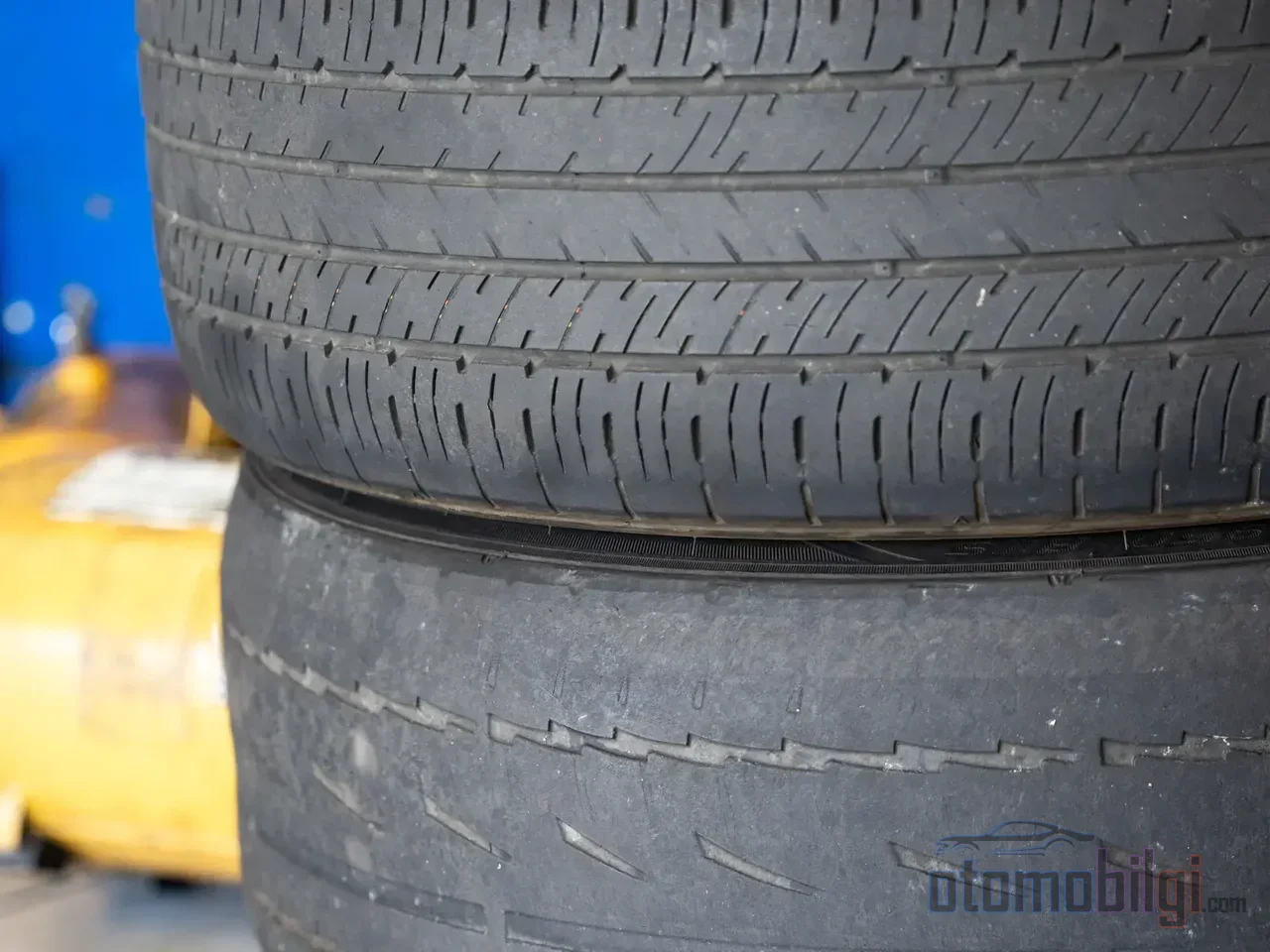
A driver who knows how to read a tire's tread learns most of what is going on under the vehicle before ever opening the service door. Over the years I have seen this: a tire is a silent report of every mechanical fault it carries. Incorrect pressure, misaligned steering geometry, a worn shock absorber, or an unbalanced wheel - each leaves its signature on the tread surface. The question is this: can misalignment really be detected from tire wear, and if so, which wear pattern reveals which fault?
That is exactly the subject of this page. Tread depth measurement tells you the tire's remaining life; the wear pattern tells you the cause of the fault. The two answer different questions, and the second is a language anyone can learn to read with a little eye training.
Why Is Tire Wear Pattern a Diagnostic Tool?
The contact patch between the tire and the road is roughly the size of a hand, and all of the vehicle's dynamic loads pass through this small area. If the pressure is correct, the angles are in place, and the suspension is healthy, the tread surface wears evenly. When one of these three goes wrong, the shape of the contact changes, and the tire virtually casts the failing component's impression onto its tread. Expert technicians can diagnose suspension and balance problems just by looking at the wear; this is not a tradesman's saying, but a natural consequence of how a tire works.
The practical method is simple: feel the tread with your hand and measure the tread depth at three positions - the inner shoulder, the center region, and the outer shoulder. If the difference between the positions is more than 2/32 inch (about 1.6 mm), something is not right. When a finger is run across the blocks from one edge to the other, a healthy tread feels the same in every direction; if there is sharpness, there is a story there.
Edge Wear: The Signature of Misalignment and Camber Faults
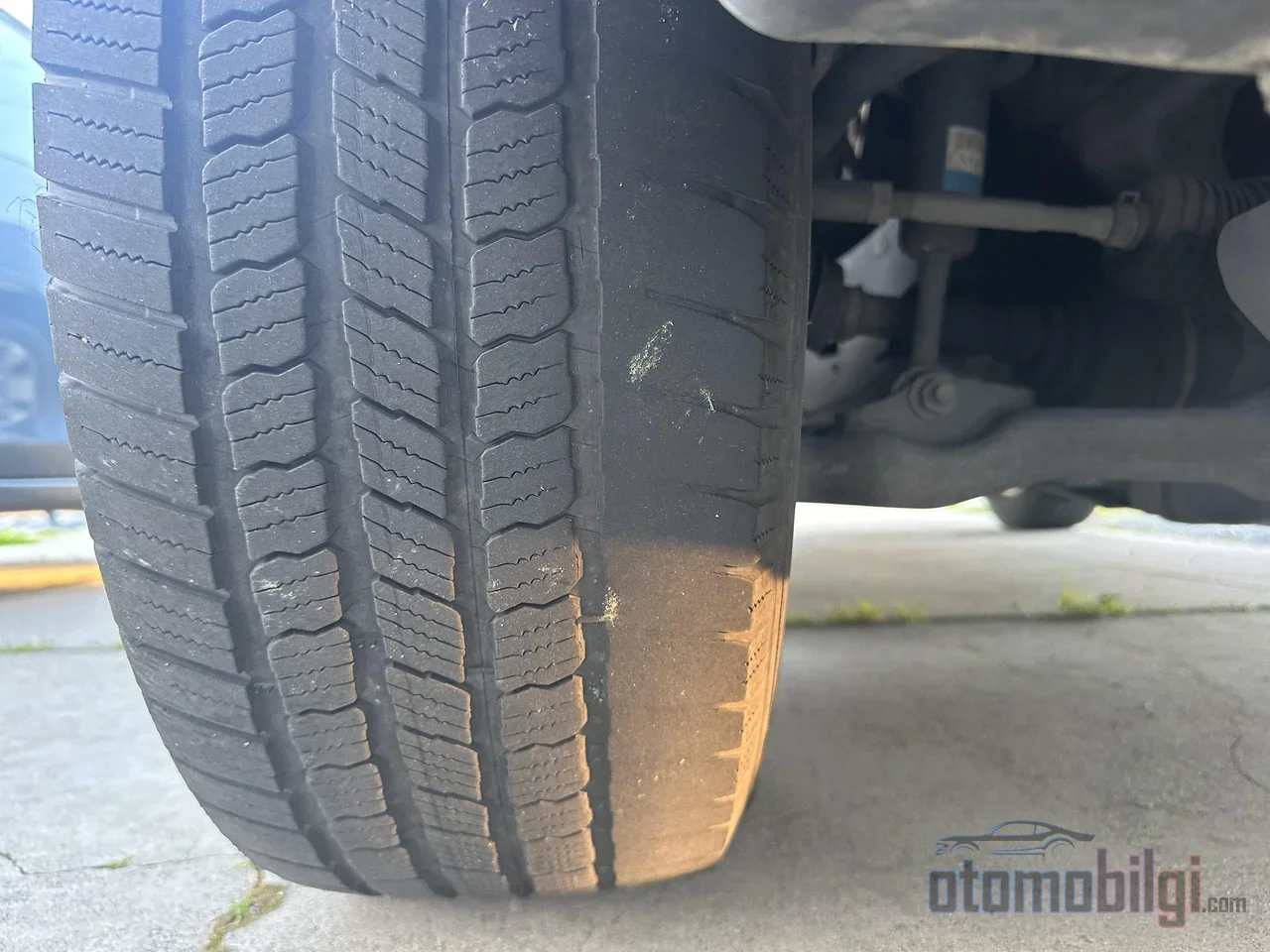
If one edge - inner or outer - wears noticeably faster while the rest of the tread is intact, the wheel angles are most likely out of specification. Two concepts come into play here.
How to Read Camber Wear?
Camber is the angle the wheel's centerline makes with the vertical. If the outer shoulder wears, the camber is too positive; if the inner shoulder wears, it is too negative; the tire rotates as if tilted to one side, and the load piles up on that edge. This is the most common explanation for uniform one-sided wear. However, in practice, for inner edge wear, looking at the angle alone is not enough: bushings, springs, and overloading can produce the same picture. So at the service shop, measuring the angles is sometimes a sign that a part needs replacing.
Toe and Feathering Wear
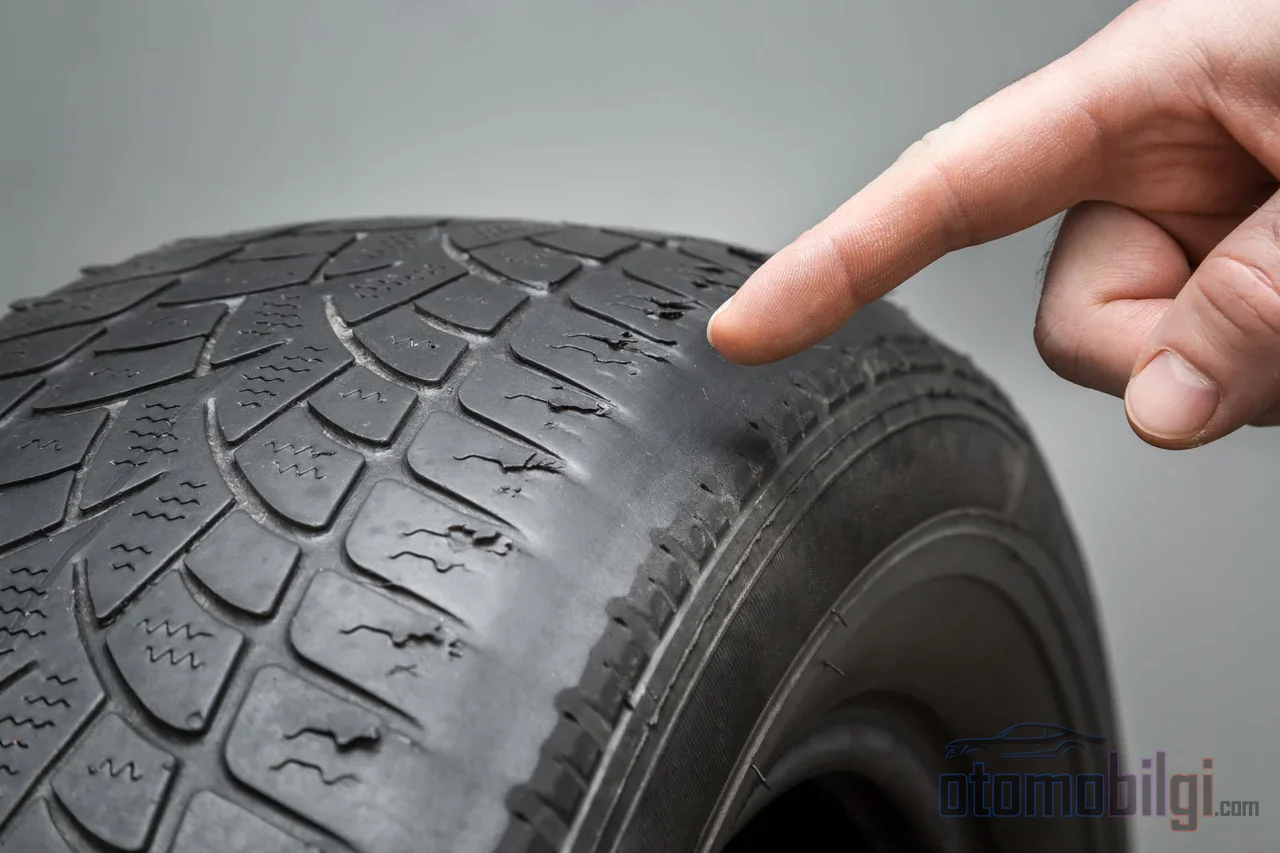
The toe angle determines whether the wheels' noses point inward or outward in the direction of forward travel. Toe deviation leaves a feathery texture on the tread blocks: one edge of the blocks is sharp, the opposite edge is rounded. This can be hard to see with the eye; when a finger is run sideways across the tread, the shaved side and the smooth side can be felt. The permanent fix is a four-wheel alignment; after correct adjustment, the feathering does not progress. Even so, not every feathering can be reduced to an alignment issue. worn steering linkages or axle tracking problems are not fixed by a wheel alignment. Looking at which tire position the wear developed on is half of finding the cause.
Highlights
- Inner or outer edge wear typically indicates camber or toe misalignment.
- Fast wear in the center means overinflation, wear on both edges means underinflation.
- Scalloped wear (cupping) points not to alignment but to a suspension or balance problem.
- A wheel alignment does not repair wear that has already occurred; it only stops new wear from developing.
- A difference of more than 2/32 of an inch in depth between positions is a warning sign.
Pressure Clues: Center and Dual-Edge Wear
The easiest patterns to read are the ones related to pressure. On a tire inflated above the recommended value, the center of the tread bulges outward and becomes the main contact point carrying the vehicle's weight; the result is fast wear in the center. The solution is to go back to the owner's manual, not the label on the tire's sidewall: bring the pressure to the value recommended by the manufacturer.
The opposite picture is more common and more expensive. The tread of an underinflated tire sits on the road rounded rather than flat; the load falls on the shoulders and both edges wear out quickly. Low pressure also increases rolling resistance and heat buildup; the excess heat generated shortens the tire's life and reduces its durability. That is why, when dual-edge wear is seen, the first task is to correct the pressures, and the second is to think about how this habit was acquired. After the pressure setting is corrected, the wear pattern does not fix itself; but new wear proceeds in a healthy way.
Scalloped Wear: Not an Alignment, but a Suspension Problem
Next comes the most commonly misdiagnosed pattern: cupping, that is, scalloped or feathered wear. It appears as randomly distributed smooth patches and small pits on the tread surface; when you run your hand over it, you feel a wavy surface. Drivers usually blame it on a misalignment, but the picture is different: cupping indicates a dynamic suspension problem, not a static alignment error.
The mechanism works like this: worn shock absorbers, struts, bushings, ball joints, or related steering and suspension components allow extra movement between the tire and the road. The tire contacts the road not at a consistent angle, but by bouncing and hitting; each impact takes a piece from the tread, and the result is that characteristic scalloped surface. Worn control arm bushings and tie rod ends can also produce the same picture.
There is a subtle detail here: even a small balance imbalance, a deviation of as little as a quarter of an ounce of weight, can cause cupping especially on the rear tire. That is why, when scalloped wear is seen, the list of suspects is not a single name. The correct order is this: first suspension service, then the condition of the tire, and last, alignment and balance. Balance is already a quick job; having the wheel balance checked regularly, roughly every 8,000-11,000 kilometers, noticeably extends tire life.
Cross Wear and Other Patterns
Patchy, irregularly distributed wear on the tread usually indicates misalignment; the solution may be that rotation time has come, and probably an alignment adjustment will also come into play. A lesser-known pattern is heel/toe, meaning one side of each tread block wearing much more than the other; it has two causes: aggressive driving and irregular rotation habits. The remedy is simple: regular rotation and a gentle throttle. As a rotation interval, most manufacturers recommend 8,000-13,000 kilometers, roughly one oil change period; the value in the manual should be taken as the basis.
When Is Alignment Service, When Is Suspension Service?
Reading the pattern correctly is synonymous with knocking on the right door at the service shop. A rough map goes like this: single-edge wear and feathering point to alignment service; center or dual-edge wear points to the pump; while sawtooth wear first directs you to a suspension check, then back to tire and alignment adjustment.
There are also clear signals that require not delaying the alignment check: if the car pulls to one side, the steering wheel does not sit centered while driving straight, there is vibration in the steering wheel, or the tires are wearing quickly and irregularly, there is no need to wait. Damage aside, the replacement of any component that affects the alignment is also sufficient reason for an alignment check. The alignment adjustment itself is a standard, quick procedure on most vehicles; the cost of delay, however, is paid from the tire's lifespan. Even a misalignment of a few percent can make new tires short-lived.
Can a Worn Tire Be Saved After an Alignment?
The answer to the page's main question is clear: yes, misalignment goes hand in hand with tire wear, but no, alignment does not bring back wear that has already occurred. The adjustment corrects the angles that cause the wear; the lost tread block does not come back. Moreover, once irregular wear has formed, the tire tends to keep following that pattern. An alignment stops the progression of the problem, but does not erase its history.
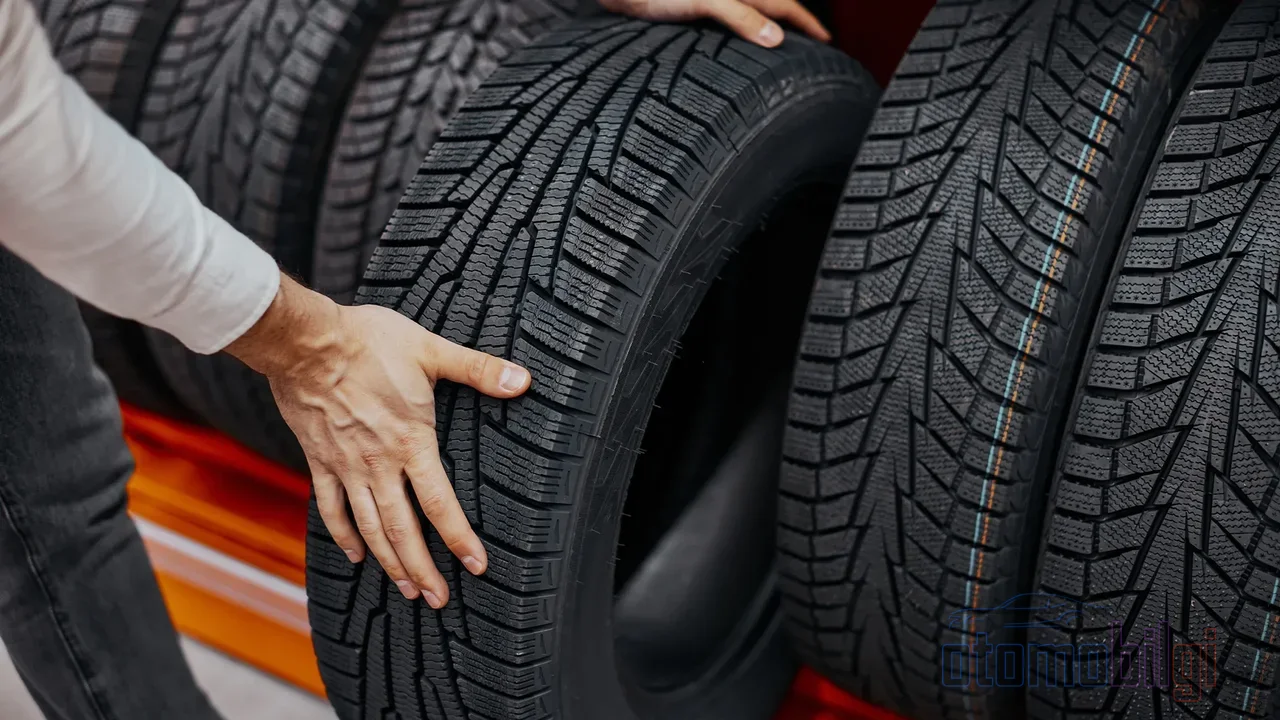
So does the tire go in the trash? Not in every case. If the wear is light and the tread depth is above the wear bars, the tire can continue to be used; after the fault is fixed, a full rotation cycle helps even out the wear. Make the decision by looking at three things: feel the tread by hand, check the wear bars, measure the tread depth. A tire worn down to the wear bars must unquestionably be replaced. When buying new tires, the sequence matters too: a new tire set rolling on a bad alignment will be shorter-lived than one bought after the adjustment.
When you hear a rhythmic hum, do not always think of the wheel bearing; a tire with cupping produces the same sound and is often a harbinger of worn shock absorbers. Your tire may be trying to tell you something, and knowing what it is saying benefits both your wallet and your safety.
Sources
- How to Read Tire Wear Patterns - Firestone Complete Auto Care
- Symptom: Wear in Center - Michelin
- Symptom: Wear on Both Edges - Michelin
- Tire Cupping: What It Means, Causes, and What to Do - Bridgestone
- Tire Wear Patterns: How to Check for Worn Tires - Goodyear
- Wheel Alignment Explained - Continental Tire
- Understanding Tire Wear - Know Your Parts
- Tire Wear, Tire Cupping, Causes and Correction - Atlantic Motorcar Center
- Reading Tire Wear Patterns - Gillman Chrysler Dodge Jeep Ram
- Can an Alignment Fix Uneven Tire Wear? - Norris Tire & Auto