Transverse or Longitudinal? What Does Engine Placement Determine?
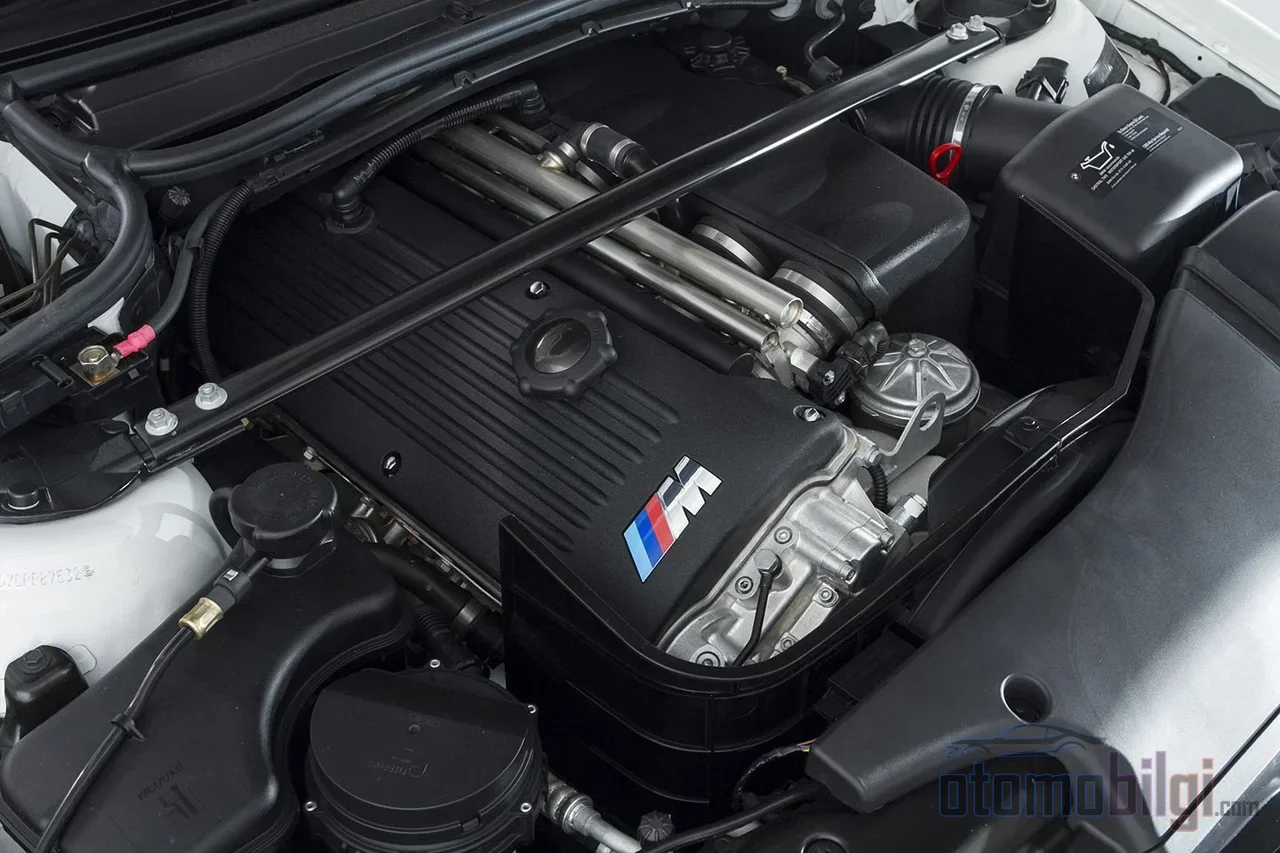
Two engines sitting under the same hood can create two completely different cars because of the direction of the crankshaft. Some manufacturers mount the engine transversely, others longitudinally, and this single decision directly determines the vehicle's drive system, transmission architecture, interior dimensions, and even its cornering behavior. The origin of the difference between a hatchback and a classic sports car often lies in this geometry under the hood. So what determines the answer to the question of transverse versus longitudinal? On this page, we break down the engineering logic behind the layout decision step by step.
What Exactly Does Transverse and Longitudinal Layout Mean?
Engine layout is defined by the direction of the crankshaft relative to the vehicle. In a transverse layout, the crankshaft sits perpendicular to the vehicle's direction of travel; the cylinders are arranged from left to right. In a longitudinal layout, the crankshaft is parallel to the vehicle's long axis and the cylinders are lined up from front to rear.
Although this definition may seem like merely a difference in direction at first glance, its consequences run deep. With a transversely mounted engine, there is no need to rotate the power flow 90 degrees to drive the front wheels; the transmission is mounted in line with the crankshaft, on one side of the engine, as a transaxle, and is connected to both front wheels with short shafts. In a longitudinal layout, the engine sits on the centerline, the transmission extends behind it toward the cabin, and a shaft runs under the vehicle all the way to the rear differential. This fundamental difference in the power transmission chain is exactly why almost all everyday cars are transverse, while classic sports cars and 4x4s are mostly longitudinal.
Highlights
- Engine layout is defined by the direction of the crankshaft: transverse or longitudinal.
- Transverse layout is the most compact solution with front-wheel drive; it enlarges the interior and lowers cost.
- Longitudinal layout provides more balanced weight distribution, room for large engine displacement, and space for complex 4WD systems.
- Transverse engines typically use 4-cylinder or V6 units; larger engines are mounted longitudinally.
- Unequal-length shafts cause steering pull known as torque steer in front-wheel-drive vehicles.
Why Are Nearly All Everyday Cars Transverse?
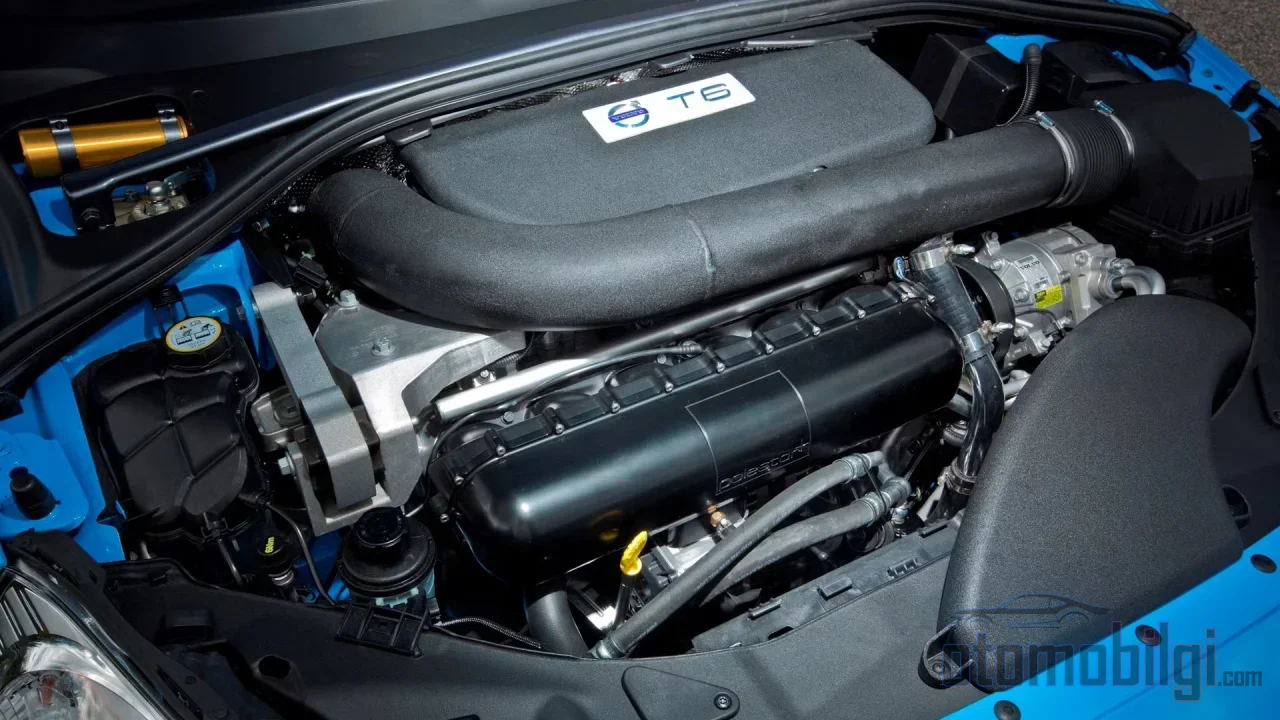
In the vast majority of modern passenger cars, the engine is mounted transversely, and there is not a single reason for this; several advantages come into play at the same time. The first is packaging, that is, efficiency in using space. A transversely mounted small-displacement engine allows the engine bay to be designed small; the space saved converts directly into cabin size. Since a front-wheel-drive vehicle also does not need a transmission tunnel, rear-seat legroom and floor width increase noticeably. This arrangement also provides a shorter front axle distance; it reflects into daily use as easier maneuvering and parking in tight spaces.
The second reason is simplicity in power transmission. The structure known as the transaxle, where the transmission and front differential merge into a single housing, delivers the power coming from the crankshaft directly to the wheels without turning it 90 degrees. This means fewer moving parts than a rear-wheel-drive layout and theoretically lower drivetrain loss; it also eliminates the need for the extra differential unit that front-wheel drive would require. The third reason is weight distribution: since the engine and drivetrain sit on or very close to the front axle, the load on the front wheels increases, which helps traction especially on wet and slippery surfaces.
There is also a gain in terms of cabin safety. Turning the engine 90 degrees enlarges the crush zone under the hood; the cabin can also be positioned closer to the front wheels. When all these reasons combine, it is no surprise that the transverse layout has become the standard in modern everyday cars: a wider cabin, lower cost, and a good match with the front-wheel-drive transaxle.
The Limits of the Transverse Layout and Torque Steer
This layout also has its costs. The engine displacement that can be mounted transversely is physically limited; in this layout, engines generally remain at the four-cylinder or V6 level. There is not enough width under the hood for larger and more powerful units; therefore, large-displacement engines are almost always mounted longitudinally.
The second limitation is the torque steer problem, which becomes more pronounced as power increases. Since the transmission is mounted on one side of the engine, the output shafts reach the two front wheels in unequal lengths. The longer shaft has lower torsional stiffness; power is transmitted to that wheel less efficiently, and the steering pulls slightly to one side when accelerating. This effect is entirely the result of the geometry in the machine and becomes noticeable in front-wheel-drive, high-torque vehicles.
When Is a Longitudinal Layout Preferred?
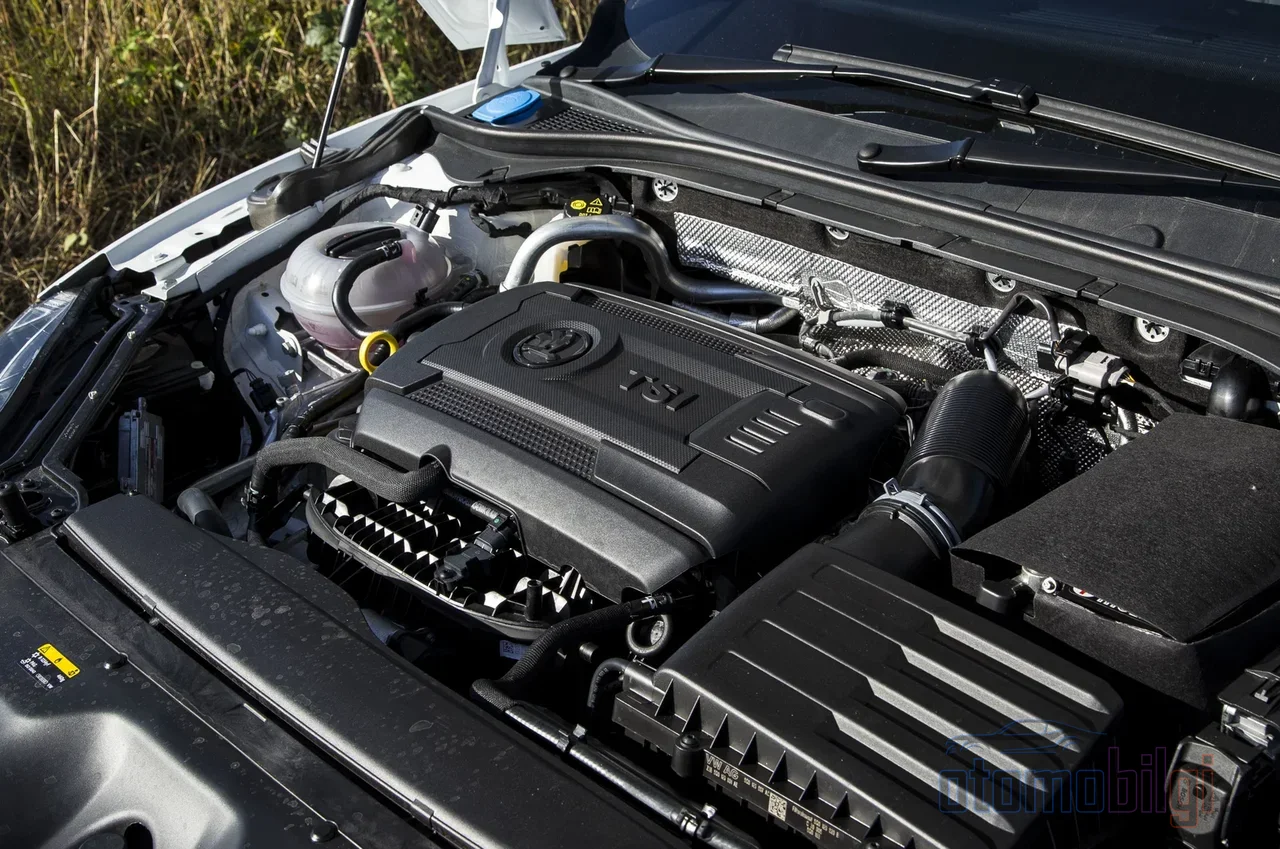
Longitudinal engines are mostly used in front-engine, rear-wheel-drive cars and 4x4s; this layout is also seen in rear- or mid-positioned performance vehicles. This choice is no coincidence. Since the crankshaft is aligned with the vehicle's longitudinal axis, the power flows directly from the transmission along a shaft to the differential at the rear; no 90-degree turn is needed in the direction of flow. For mid-engine racing and performance vehicles too, the longitudinal layout is considered optimal, both because it supports large engine displacement and because it naturally matches rear-wheel drive and all-wheel drive.
Its most critical advantage is weight distribution. Since the engine extends along the centerline, the mass is distributed more evenly along the vehicle's longitudinal axis; in a rear-wheel-drive vehicle, this results in better load on the rear wheels and a more predictable driving character. The longitudinal layout also provides the physical space needed in the engine bay and around the transmission for a transfer case and complex all-wheel-drive equipment. In conventional 4WD systems, the front axle is engaged through the transfer case inside the transmission; this architecture is a natural extension of the longitudinal layout.
The Price of Longitudinal Layout: Interior Space
The price for these advantages is paid in the cabin. The transmission must extend between the front seats in a way that pushes the dashboard back; and the transmission tunnel is inevitable. The result is lower interior space efficiency compared to the transverse setup. Access to the engine bay, on the other hand, is generally easier, and the suitability for powerful engines makes this layout ideal for sports cars and 4x4s. In compact everyday vehicles, however, the same packaging problem becomes a major disadvantage; while a two-door, rear-wheel-drive V8 sports car benefits from a longitudinal engine, a four-seat family hatchback generally delivers better results with a transverse layout.
Drivetrain and Layout: Which Matches with Which?
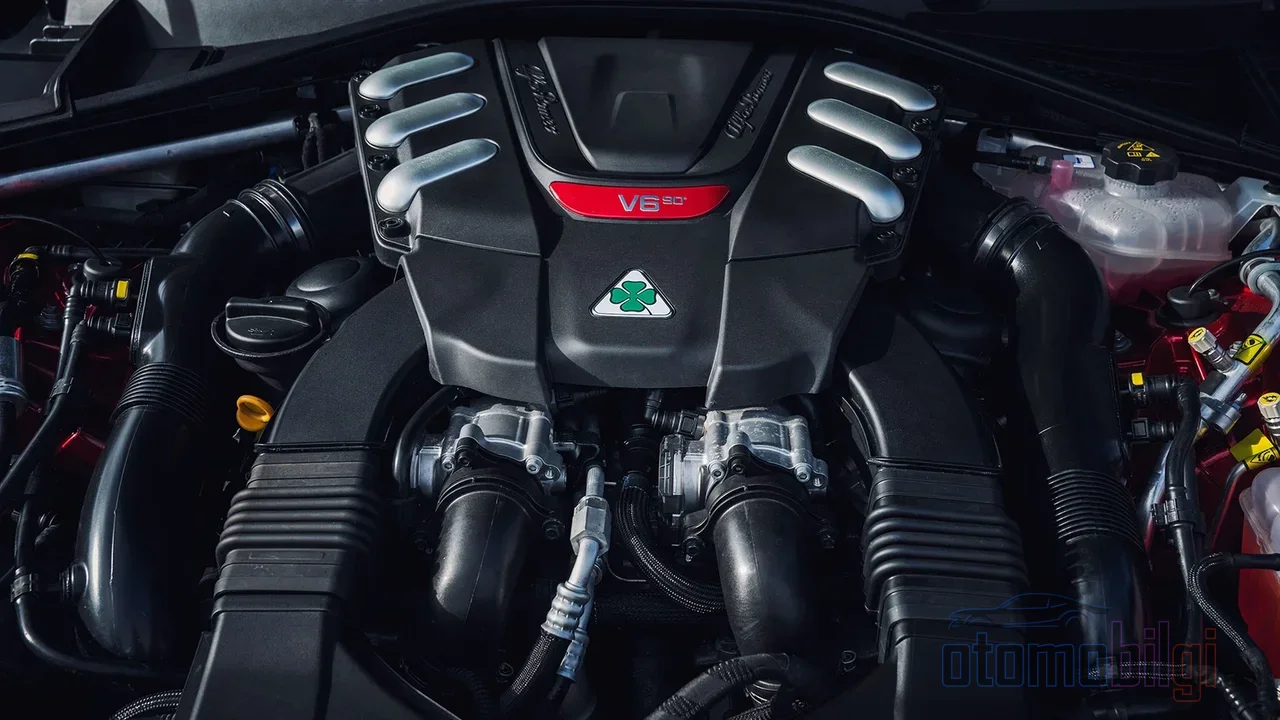
There is a strong but not absolute relationship between layout and drivetrain. Front-wheel drive is almost always paired with a transverse engine; because the transaxle architecture combines the two with the fewest parts. Rear-wheel drive naturally pairs with a longitudinal engine; a single differential is sufficient and the power flow follows a straight line. In all-wheel drive, both layouts can be used, but their paths differ.
| Layout | Typical engine orientation | Power transmission | Notable strength |
|---|---|---|---|
| Front-wheel drive (FWD) | Transverse | To the front wheels via the transaxle with short shafts | Most compact, lowest cost |
| Rear-wheel drive (RWD) | Longitudinal | From the transmission via a driveshaft to the rear differential | Balanced weight distribution |
| 4x4, longitudinal engine | Longitudinal | The front axle is engaged via the transfer case | Conventional, robust architecture |
| 4x4, transverse engine | Transverse | An additional shaft from the transaxle to the rear differential | Fewer parts, demanding engineering |
There are exceptions too. Audi is a well-known example of using front-wheel drive despite a longitudinal engine; in this solution, the engine is placed much further forward than usual, weight distribution is affected, and the tendency toward understeer, that is, a lack of steering response, increases. This example also demonstrates an important truth: a longitudinal layout does not automatically guarantee ideal weight distribution. When the distributions of some transverse and longitudinally laid-out sports sedans in the same class are compared, the engine's position relative to the front axle proves more decisive than the orientation itself. There is a similar subtlety in all-wheel drive: the further the engine is ahead of the front axle, the greater the likelihood of delayed response at corner entry; in this respect, a longitudinal layout is not always advantageous.
Two Different 4x4 Architectures
All-wheel drive is the area where the layout difference is most clearly visible. In the longitudinal layout, the transfer case is inside the transmission and the front axle is engaged from there; in systems like Subaru's symmetric AWD, the drive hardware is arranged along the center line, and the Boxer engine also supports this architecture with its low center of gravity. In a transverse layout, the front differential is integrated into a single body with the transmission, there is a separate differential at the rear, and a shaft extends backward from the transaxle. This solution offers fewer parts and a more compact package; but it is more difficult from an engineering standpoint. Haldex-type systems, developed for vehicles that could not fit a conventional longitudinal all-wheel-drive package under the hood, also formed the basis of the first transversely mounted four-wheel-drive models.
How Does the Layout Decision Shape the Transmission and Space Use?
However the engine sits, the transmission is designed accordingly. In a transverse layout, the transmission is positioned as a compact transaxle next to the engine; regardless of whether it is manual, automatic, DCT or CVT, all gearboxes must operate within this narrow volume. In a longitudinal layout, the transmission extends along the centerline, directly behind the engine, and allows for a longer body; this flexibility paves the way for more robust transmissions capable of withstanding high torque values. Torque delivery is also directly related to the layout: in a transverse layout the power reaches the wheels by the shortest route, while in a longitudinal layout it is transferred through a long shaft and rear differential.
The picture on the space side is clear. Transverse layout; maximizes cabin space with a small engine bay, a flat floor without a transmission tunnel and a short axle distance. Longitudinal layout; reduces cabin efficiency with a transmission tunnel and a dashboard pushed backward, but provides the volume needed for a large engine, balanced distribution and advanced 4x4 equipment. The space savings of the transverse layout are so valuable that, alongside light automobiles, it has been preferred for the same reason even in armored combat vehicles.
A Brief Historical Note: The Legacy of the Mini
The spread of the transverse layout began with the original BMC Mini. In the Mini, in order to take space savings to the limit, the transmission was integrated directly into the engine's crankcase, that is, the oil sump. This radical solution was abandoned over time; today the transmission is usually mounted to one side of the engine. It is precisely this change that is the detail that brings the torque steer problem to the fore by introducing shafts of unequal length into the vehicle geometry. There are also few exceptions in history; examples using a longitudinal engine with front-wheel drive show that it is possible to stretch the rules of this layout, but that it usually comes at a cost.
So Which One Is Better? The Clear Answer
The short answer to the question is this: the layout is chosen according to the vehicle's purpose; there is no universally superior solution between the two layouts. The transverse layout is by far the most efficient solution in terms of interior space, cost and compactness in front-wheel-drive daily cars, while the longitudinal layout is the right architecture for large-displacement engines, balanced weight distribution, rear-wheel drive and advanced four-wheel-drive systems. A family hatchback and a rear-wheel-drive V8 sports car give two different correct answers to the same question. In performance cars, longitudinal mounting is the general rule, while some compact sports cars where space is critical use a transverse layout.
The next time you look at a car's technical identity, pay attention to the engine's orientation before the transmission type: is the crankshaft transverse or longitudinal? This single question explains the vehicle's drivetrain, cabin dimensions, and much of its driving character even before the brochure is opened.
Sources
- Longitudinal and transverse engines explained
- Transverse vs Longitudinal Engines: Which Is Better?
- Engine layouts in cars and how they make a difference, explained
- The Advantages of Front-Wheel Drive
- Longitudinal engine
- Transverse engine
- Why Subaru Builds AWD Differently
- Transverse and longitudinal engine layouts
- Longitudinal vs Transverse Engines
- Transverse Vs Longitudinal | Engine Placement Explained