Inline, V, or Boxer? How Cylinder Layout Affects the Drive
Share This Page
Cylinder layout carries the engine's character into the driving experience more noticeably than power and torque figures. Inline (R4, R6), V-type (V6, V8), and boxer layouts differ from one another in terms of mechanical balance, vibration, center of gravity, sound, and engine bay packaging. In short: R4 offers packaging and cost, V6 offers power and torque, while the boxer offers a low center of gravity and balance; the question to ask is not which one is "better," but which is better suited to a given vehicle and use.
Highlights
- The boxer-four, which eliminates first and second order harmonics, 180 degrees has paired piston movement.
- The inline-6 is considered the most balanced layout after the V12; it applies the lowest and most even stress to the crankshaft.
- The R4 has advantages in maintenance with a single cylinder head gasket and fewer moving parts.
- The boxer's weak point is not parts but access; spark plug and head gasket jobs require more labor.
- Up to four cylinders inline, and V layout for eight cylinders and above is the general preference of manufacturers.
What Is Cylinder Layout, and What Are Its Basic Types?
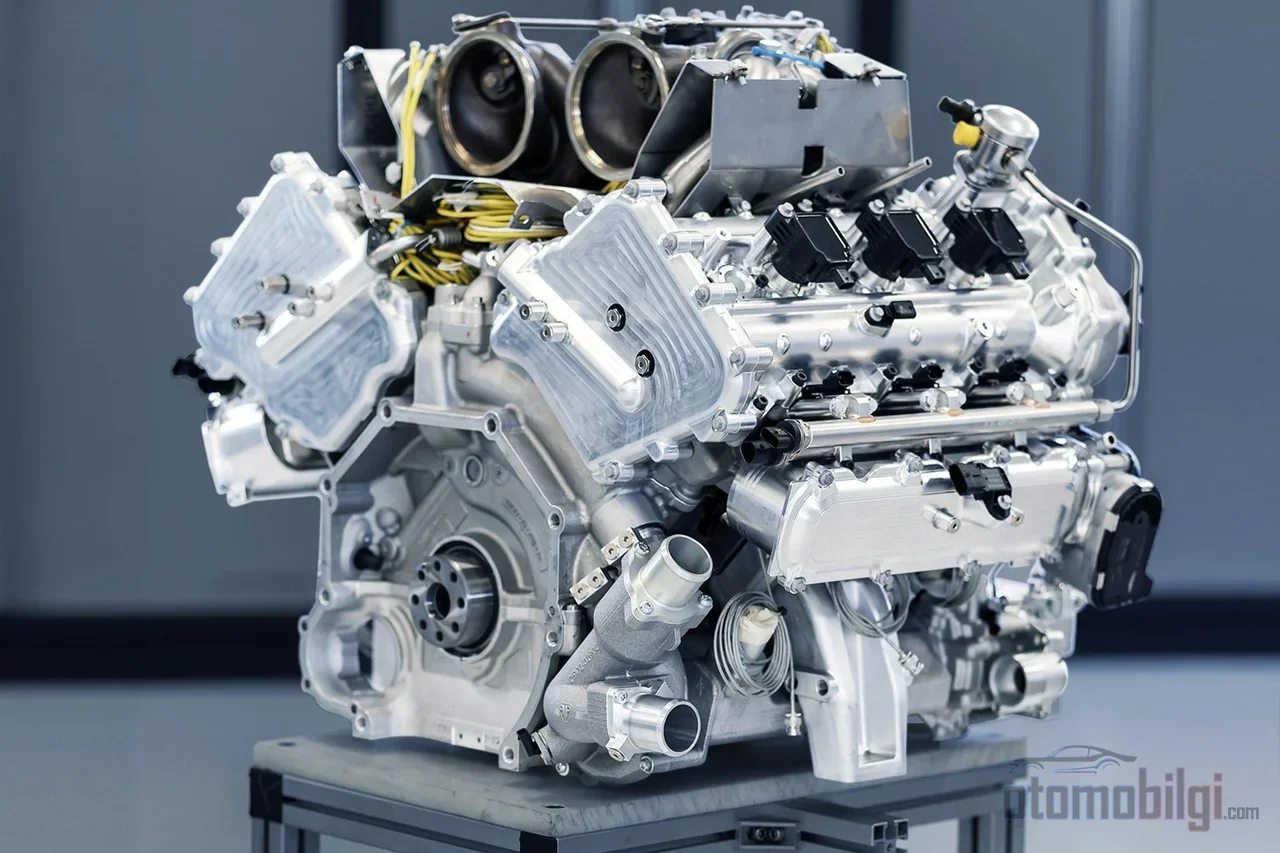
Cylinder layout describes how the engine's cylinders are positioned relative to the crankshaft. In an inline engine, all cylinders sit in a single row and the pistons move up and down; inline-3, inline-4, and inline-6 are the most common examples. In a V engine, the cylinders are arranged in two angled banks; this shortens the crankshaft, saves space in the engine bay, and offers a low profile suited to low hood lines.
The boxer engine, on the other hand, has a completely different geometry: Two cylinder banks are placed horizontally opposite each other, and the pistons move toward each other, then outward. The name "boxer" comes from this opposing piston movement, resembling a boxer's fists. There is a nuance to note: the boxer is a subtype of the flat (horizontal) engine; not every flat engine is a true boxer.
Mechanical Balance and Vibration: Which Layout Runs More Smoothly?
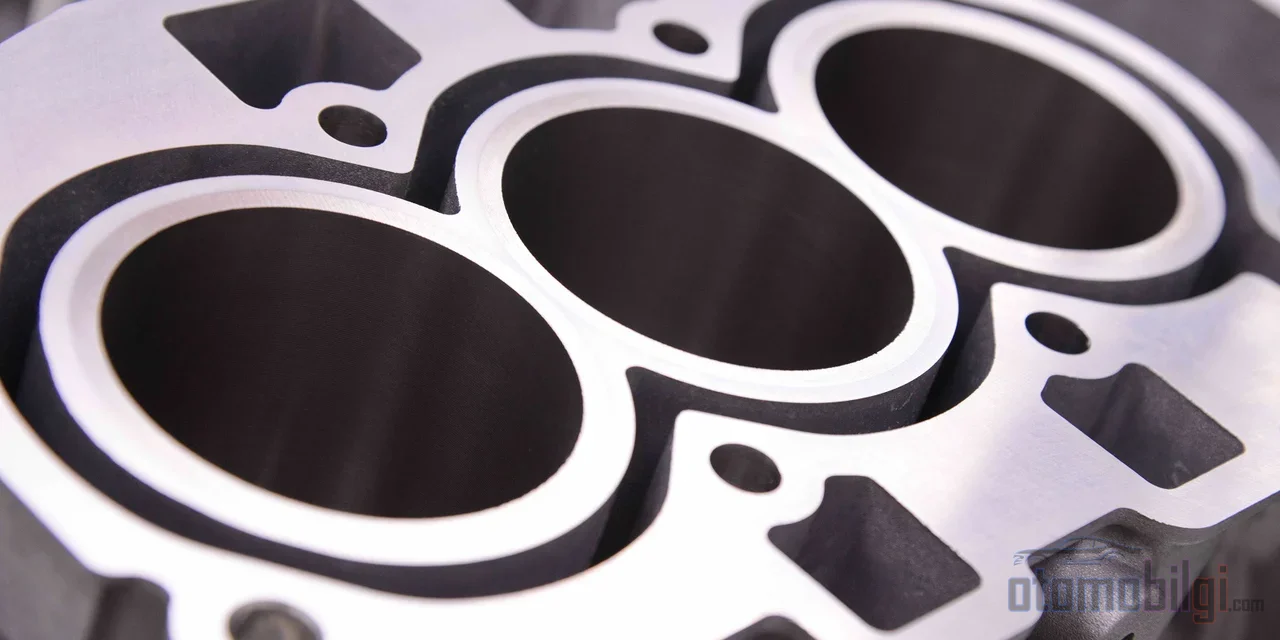
The logic of balance is simple: If the movement of one cylinder can completely cancel out the vibration created by another cylinder in the exact opposite direction, there is no need to add extra balance components to the engine. The boxer engine is the purest form of this logic; opposing pistons reach top dead center simultaneously and balance each other. The boxer-four has no first or second order harmonics; therefore, it is one of the layouts that needs extra balance components the least.
On the inline side, the inline-6 holds a special position: It is considered the most balanced layout after the V12 and applies the lowest and most even stress to the crankshaft. At the expense of a longer crankshaft, it delivers smooth power transmission through its natural mechanical balance; which is why it has been the choice of luxury and performance brands for decades.
The R4, on the other hand, is the middle ground in terms of balance. Second-order vibrations cannot be fully canceled out; therefore, some manufacturers use a balance shaft to reduce vibration. The general rule is this: more cylinders mean smoother power delivery; the correct firing order also reduces vibration and improves balance. For example, an inline-5 divides the 720° cycle into five, firing at every 144° of crank angle and following the 1-3-5-4-2 order.
How Does the Center of Gravity Affect Driving?
The most tangible driving advantage of the boxer is that its flat profile lowers the vehicle's center of gravity. A low center of gravity improves overall balance and stability, reduces body roll, and lightens the load on the suspension system. A body that leans less also gives the engineer the option of choosing softer springs; in other words, less compromise between comfort and handling. Porsche has championed this principle for years: a low center of gravity provides a sportier and more dynamic character not only in corners but in every driving situation.
However, an honest nuance is needed here: a low-mounted engine does not mean every boxer-powered car will handle better than every vehicle with an inline engine. Suspension design, tire choice, weight distribution, steering geometry, and chassis tuning are just as decisive as engine height. Whether the engine is placed at the front, in the middle, or at the rear also directly affects weight distribution; high-performance vehicles prefer a mid or rear engine for handling.
Engine Bay and Maintenance: Not a Parts Issue, an Access Issue
The inline engine's narrow design leaves room in the engine bay for the suspension, cooling, steering, turbo plumbing, and crash structure. Top access is easy for mechanics; spark plug, valve cover gasket, and oil leak jobs are quick. The R4's parts-count advantage also helps: a single cylinder head gasket, fewer moving parts, half as many oxygen sensors and catalytic converters.
With the boxer, the picture is different. The horizontal cylinders give the engine a wide side profile and narrow access to the cylinder heads. Jobs like spark plug replacement, valve cover gasket, or oil leaks involve working on two heads; the problem is not the number of parts but labor time. Maintaining an engine with poor access becomes expensive; boxer engines are therefore more expensive than inline engines in terms of build and maintenance costs. The low position also brings side effects such as the exhaust being split into two separate exit points and, in some applications, increased oil consumption. The reputation created by head gasket and oil leak problems in older Subaru engines cannot be applied to every boxer; the design changed over time and the maintenance history remains decisive.
| Feature | R4 (Inline 4) | V6 | Boxer |
|---|---|---|---|
| Cylinder layout | Single row | Two angled banks | Two horizontal banks |
| Balance / vibration | May require a balance shaft | Smoother than a four-cylinder | Requires the fewest balance components |
| Center of gravity | High | Medium | Low |
| Engine size | Long, narrow | Short, compact | Wide, low |
| Maintenance access | Easy, from above | Medium | Difficult, side access |
| Typical use | Compact, sedan, crossover | Stronger daily vehicles | Sport and AWD-focused vehicles |
Why Does the Sound Character Differ?
Engine sound is the acoustic signature of the firing order and exhaust layout. Boxer engines sound different from all other layouts; moreover, even the same boxer configuration differs from brand to brand. Subaru's characteristic "boxer rumble" comes from unequal length exhaust headers, and because of this the exhaust pulses do not form a consistent rhythm; imitating this sound is harder than it seems. Toyota's team, which studied the sound of their sports car, describes the boxer sound as "a regular vibration" and notes that it is noisier than an inline engine.
On the inline side, an inline-6 runs quieter and with less vibration than a V6; it generally offers more torque at low rpm. The V6, compared to a four-cylinder engine, reports a less strained, quieter running character and higher towing capacity.
Which Layout Is Preferred in Which Vehicle Class?
The industry's practical rule is clear: engines with four or fewer cylinders generally use an inline layout, while engines with eight or more cylinders generally use a V layout. Almost all four-cylinder engines come with an inline layout and form the backbone of small to mid-size vehicles.
- R4: Compact cars, sedans, crossovers and small performance cars; packaged in a narrow engine bay and at affordable cost.
- R6: Requires a longer body, but its natural balance makes it the classic choice of the luxury and performance segment.
- V6: Engine bays where more power, more torque and high-rpm responsiveness are desired but there is no room for a V8.
- Boxer: Sports cars where handling stands out and designs with low hoods; on the production side, it is the signature of only a handful of brands.
On the daily-use side, the picture is even clearer. Four-cylinder engines are more common than V6s; most drivers report better fuel economy with four-cylinder engines in daily use. Turbocharged four-cylinders are more fuel-efficient than V6 models. The V6's card is power, torque and faster acceleration; in large or heavy vehicles it runs with less strain. Although the boxer and AWD pairing is common, it should be remembered that these are separate design decisions.
Is a Boxer Engine Better Than an Inline Engine?
The honest answer to this question is no; because an engine is not inherently good or bad. The boxer offers a low placement, a balanced feel and a unique character; the inline engine provides easy packaging and widespread service knowledge. In many respects, the real comparison is about the nature of balance: while boxer proponents argue for superior balance and a low center of gravity, the other side claims that the inline-6's balance is the best after the V12. Defenders of the boxer also raise the question of "why don't we lay the inline engine on its side"; the only clear disadvantage of this approach is one-sided cylinder wear caused by gravity.
The right question is not "which engine wins," but "which car, which driver, and which costs it suits better." The vehicle as a whole - transmission, cooling system, service records, parts availability - is more decisive than the cylinder arrangement. Naturally aspirated inline four or six-cylinder engines are the easiest to maintain; the boxer pays for its advantage in handling and character with longer labor time in servicing. Layout is a character choice, not an absolute ranking table.
Sources
- Boxer Engine vs Inline Engine: Which Is Better? - EngineDIY
- Flat-four engine - Wikipedia
- Flat engine - Wikipedia
- Engine configuration - Wikipedia
- The flat engine tradition - Porsche Newsroom
- Engine Configuration and Smoothness - Autozine
- The Boxer Sound Rumbles On - Toyota Times
- V6 vs. Four-Cylinder: Worth the Upgrade? - US News
- Difference Between V Engines, Inline Engines, and Flat Engines - JTECH
- How does engine placement affect handling? - HowStuffWorks