Türkiye's Car Production Has Gone Back 13 Years
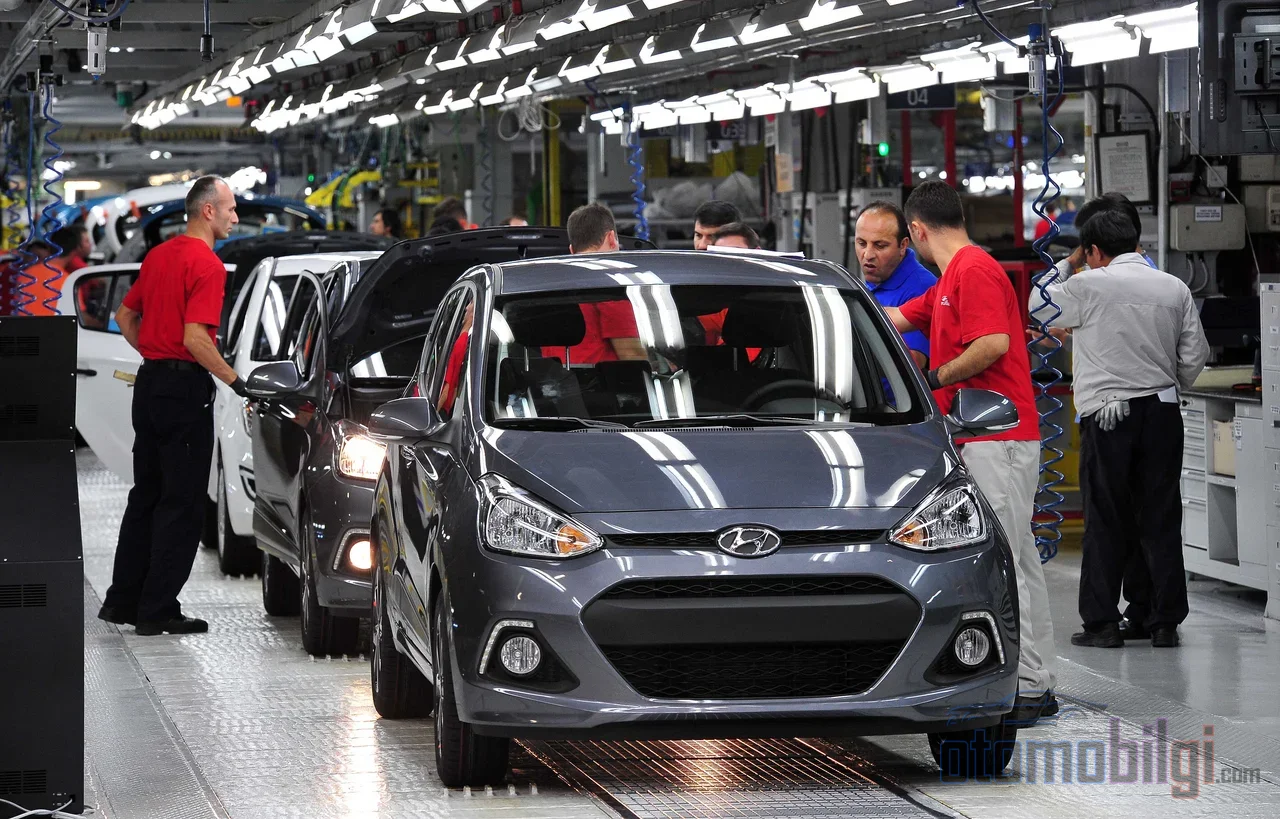
The Automotive Industry Association's (OSD) January-October period data has been announced, and the picture tells a story that goes beyond the usual monthly production bulletins: Turkiye's automobile production fell to 592,163 units in the first ten months, returning to levels seen roughly 13 years ago. Moreover, this is a contraction documented directly by the numbers coming off factory lines, independent of sales news. So how did export revenue increase while the automobile side shrank so sharply? The answer lies hidden in a sector picture split in two: between volume and value, and between passenger cars and commercial vehicles.
OSD October 2026 Data: A 13-14 Year Low in Production and Exports
According to the January-October results announced by the OSD on November 16, 2026, total automotive production declined by 6 percent to 1,092,519 units. Including tractor production, the total reached 1,109,736 units. While the decline in the overall total looks modest, the picture gets harsher in the passenger car segment: automobile production fell by 17 percent to 592,163 units, and this level corresponds to the lowest in 13 years for first ten-month automobile production. On the export side, automobile volumes shrank by 25 percent, falling to 364,639 units; which marks a 14-year low in automobile exports. The depth of these two declines must be kept separate: the 13-year figure in production and the 14-year figure in exports are two different low points for two different indicators.
Highlights
- Automobile production fell by 17 percent in January-October to 592,163 units; the lowest ten-month level in the last 13 years.
- Automobile exports shrank by 25 percent to 364,639 units; a 14-year low.
- Export revenue increased by 3 percent to 35.2 billion dollars; the automotive sector maintained its lead in the sectoral export rankings.
- Commercial vehicle production rose 12 percent and exports 11 percent; light commercial vehicle production increased by 13 percent.
- The total domestic market shrank by 15 percent to 916,149 units; the passenger car market contracted by 17 percent.
Looking at October alone, the trend that deepened throughout the year continued. In October, total production fell by 8 percent to 121,360 units, while the loss in automobile production reached 20 percent; only 63,797 automobiles were produced within the month. The interim data announced during the year pointed in the same direction: in the January-July period, automobile production had fallen 19 percent, and in January-September total production had declined 6 percent. So this is not the shock of a single month; it is a contraction that deepened steadily on the automobile side throughout the year.
Production Fell, Export Revenue Rose: The Anatomy of the Divergence
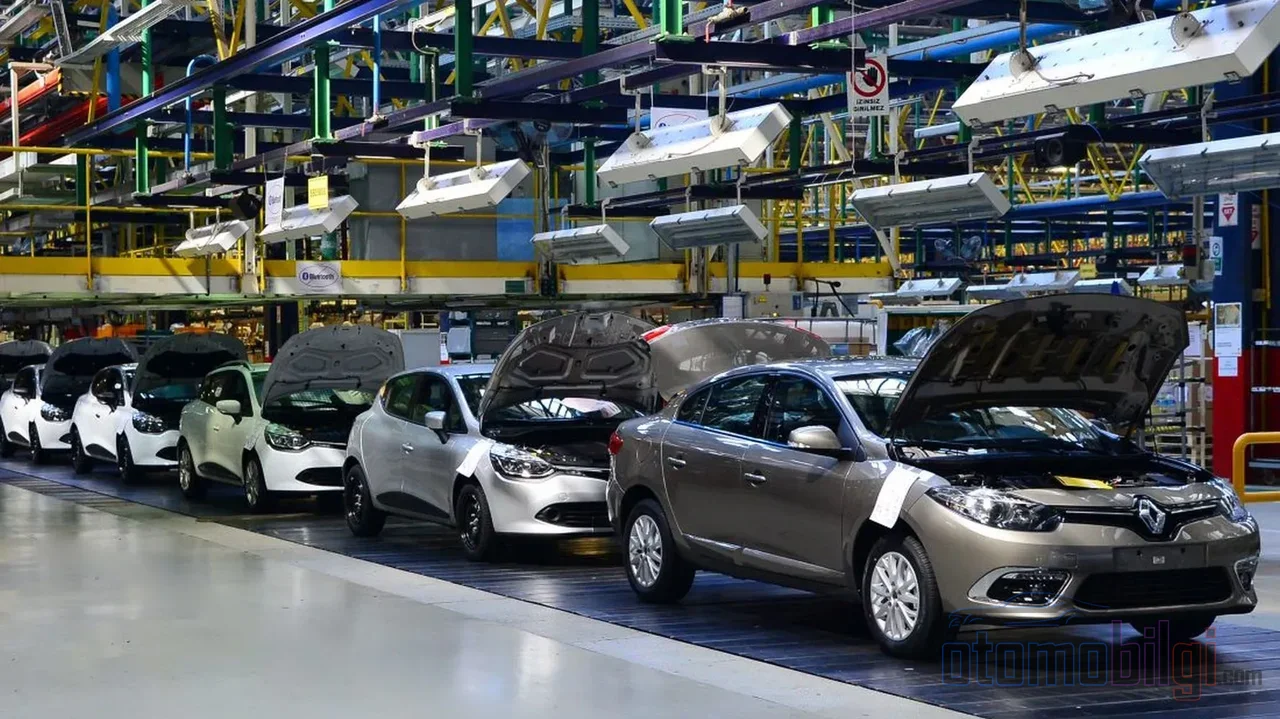
The most striking aspect of the data is the scissors that opened between volume and value. While total automotive exports in January-October fell by 9 percent in volume terms to 779,557 units, export revenue rose by 3 percent to 35.2 billion dollars according to Turkish Exporters Assembly data. With a 17 percent share, the automotive sector also retained its first place in the sectoral export rankings. This picture, which brings in more foreign currency while selling fewer vehicles, has a price: meaning that unit values, i.e. the per-unit price of exported products, are rising.
The supply industry carries the value side
The composition of value-based growth is also significant. According to Uludag Exporters' Association data, car exports fell 6 percent in dollar terms, declining to 8.9 billion dollars, while main industry exports rose 3.1 percent and supply industry exports rose 2.8 percent. In short, while finished car exports shrank both in volume and value, the increase in export revenue is being carried by supply industry products such as engines, transmissions and electronic components, along with commercial vehicles. The supply industry growing in dollar terms in the face of declining car exports signals that the product composition of exports has quietly changed.
Commercial Vehicles, The Side That Balances the Contraction
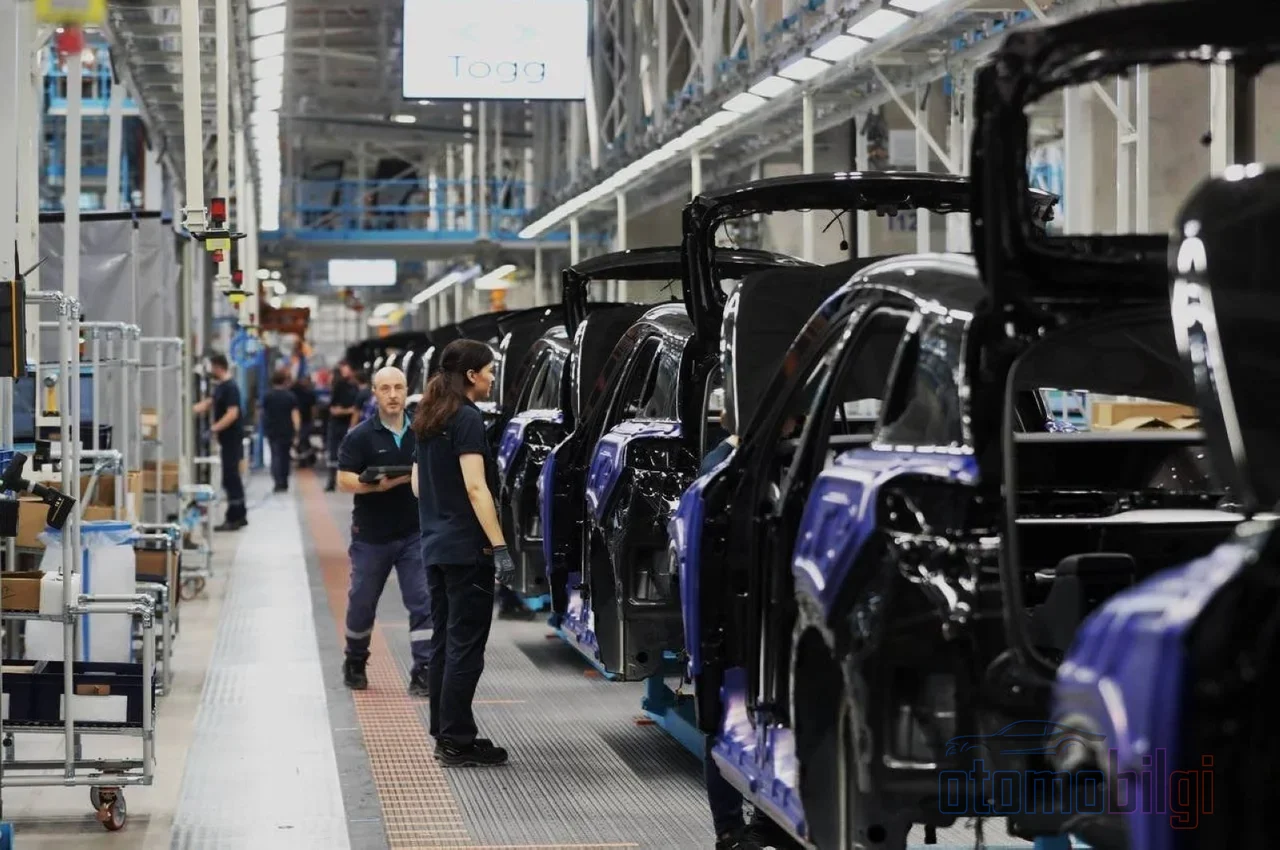
The second clear divergence in the OSD data is between cars and commercial vehicles. While car production and exports fell sharply, commercial vehicle production rose 12 percent and exports rose 11 percent. By group breakdown, light commercial vehicle production rose 13 percent, and in the heavy commercial vehicle group production rose 5 percent. Production increases by Ford Otosan and Tofas were effective in this rise. The backbone of the Turkish automotive industry had already been shifting toward the commercial side in recent years; 2026 data shows that this transformation is now the most visible fact in the statistics.
On the tractor side, exports rose 11 percent, reaching 10,322 units; however, capacity utilization in tractor production falling to as low as 28 percent additionally reveals the scale of the troubles in this group's domestic market. Capacity utilization rates give a fairly clear picture of industry in general: capacity utilization across the automotive industry overall is 61 percent, 63 percent in the light vehicle group covering cars and light commercial vehicles, 67 percent in buses and midibuses, and around 60 percent in trucks. These figures describe an industry running at half speed.
| Indicator | January-October 2026 | Change |
|---|---|---|
| Total automotive production | 1,092,519 units | -6% |
| Car production | 592,163 units | -17% |
| Commercial vehicle production | - | +12% |
| Total automotive exports (units) | 779,557 units | -9% |
| Car exports | 364,639 units | -25% |
| Total automotive exports (value) | 35.2 billion dollars | +3% |
| Total domestic market | 916,149 units | -15% |
| Car market | 692,916 units | -17% |
Why the Domestic Market Matters: The Second Engine Driving Production
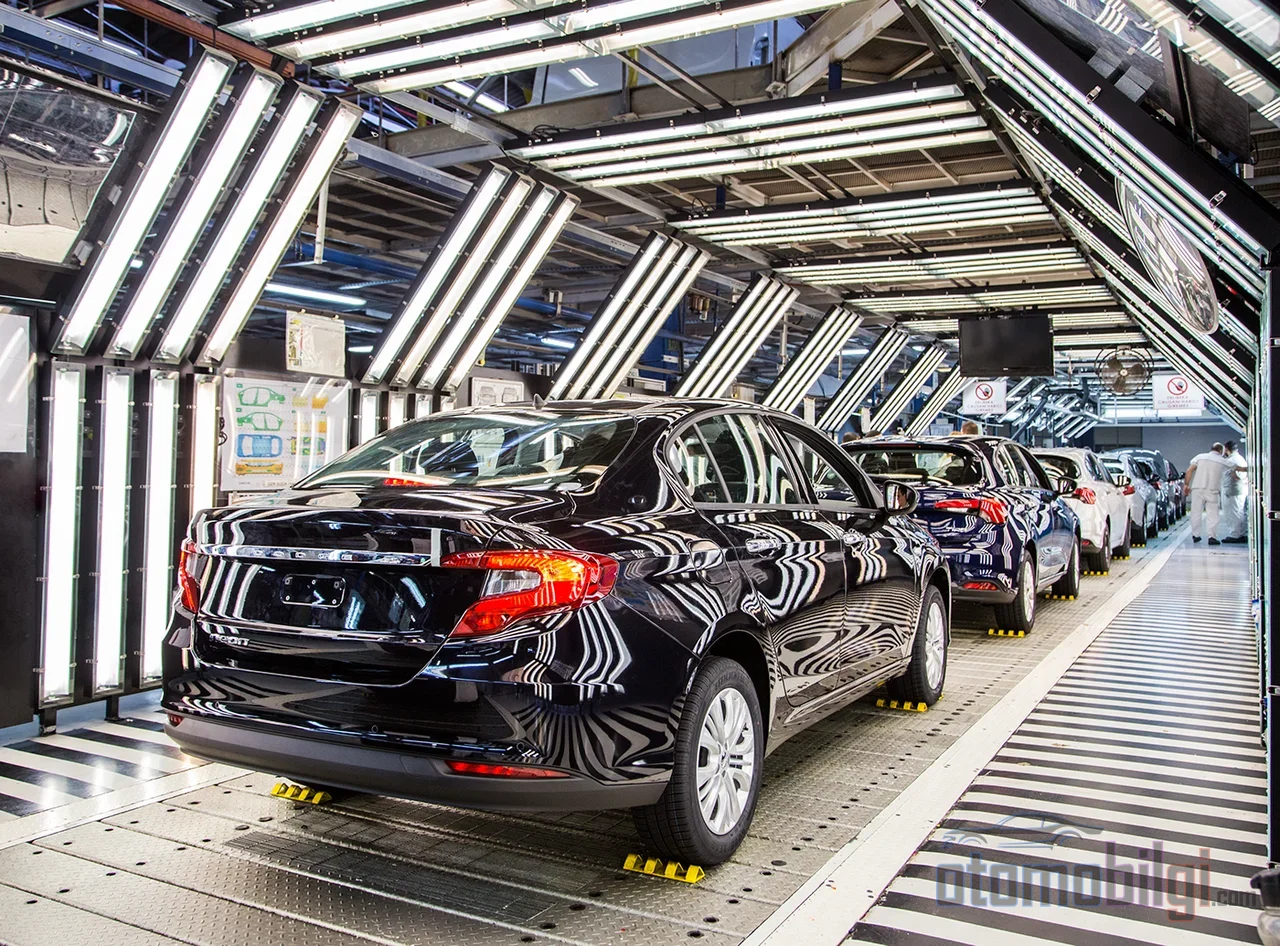
Throughout its history, the Turkish car industry has run on two engines: exports and the domestic market. In 2026, both weakened at the same time. In the first ten months, the total automotive market contracted 15 percent, falling to 916,149 units; the car market fell 17 percent to 692,916 units. The commercial vehicle market declined 9 percent, within which light commercial fell 9 percent and heavy commercial 7 percent. While the share of imported vehicles in car sales rose to 65 percent, the share of domestically produced cars remained at 35 percent; in the light commercial market the domestic share is at 24 percent. In other words, in the shrinking domestic market, a large slice of the remaining pie is now going to imported vehicles; this is a second pressure that also makes it harder for the mass-produced cars to find a place in the domestic market.
The traces of this picture are also visible in traffic: according to TUIK data, the number of vehicles registered to traffic in October fell by 26.8 percent. The registration statistic tells the same story as the production data, from the other end of the market.
What Does Going Back 13 Years Mean?
Let us clarify the exact meaning of the statement in the title: Turkiye's automobile production fell to just under 592 thousand units in the first ten months of 2026, returning to the level of roughly 13 years ago; and automobile exports shrank by 25 percent, hitting the bottom of a 14-year period. This indicates a level in automobile production last seen before 2013, and in exports an even earlier one. More than a decade of accumulated capacity of a production base seems to have been erased this clearly, not in a single year, but in a single year's data.
The cause analysis is limited at the data level; however, the figures carry their own explanations. Two forces that squeezed automobile production worked at the same time: a 17 percent contraction of the domestic market and a 25 percent collapse in automobile exports. The lines that could not withstand both slowed down, and capacity utilization fell to 61 percent across industry as a whole. Meanwhile, there may also be scope differences in market measurements; different data providers measure the market in different ways. This page is based on OSD's official figures.
Conclusion: The Year of an Industry Split in Two
2026 was not a single story for the Turkiye automotive industry, but a year of two stories progressing at the same time. While automobile production and export figures fell to the bottom of 13-14 years; commercial vehicles grew both in volume and in exports, export revenue rose to a record of 35.2 billion dollars in sharp contrast, and export leadership was maintained. From the years when automobile exports pulled the industry to today, the weight of the balance has visibly shifted to commercial vehicles and the supplier industry. The remaining question is this: is the contraction on the automobile side cyclical, or a permanent trace of a shift in composition? In an industry where capacity utilization is stuck at 61 percent, the first signs of the answer will be seen in production planning during the winter months.
Sources
- OSD - Automotive Industry October 2026 Results
- Türkiye's automobile production went back 13 years
- Automobile production and exports declined, commercial vehicles saw an increase
- Automotive production fell, export revenue increased
- Automotive production decreased by 6 percent in January-October
- OSD Data and Stock Exchange Companies
- Sharp drop in car sales: The domestic market is contracting