What Changes With Battery Pre-Heating Before Fast Charging?
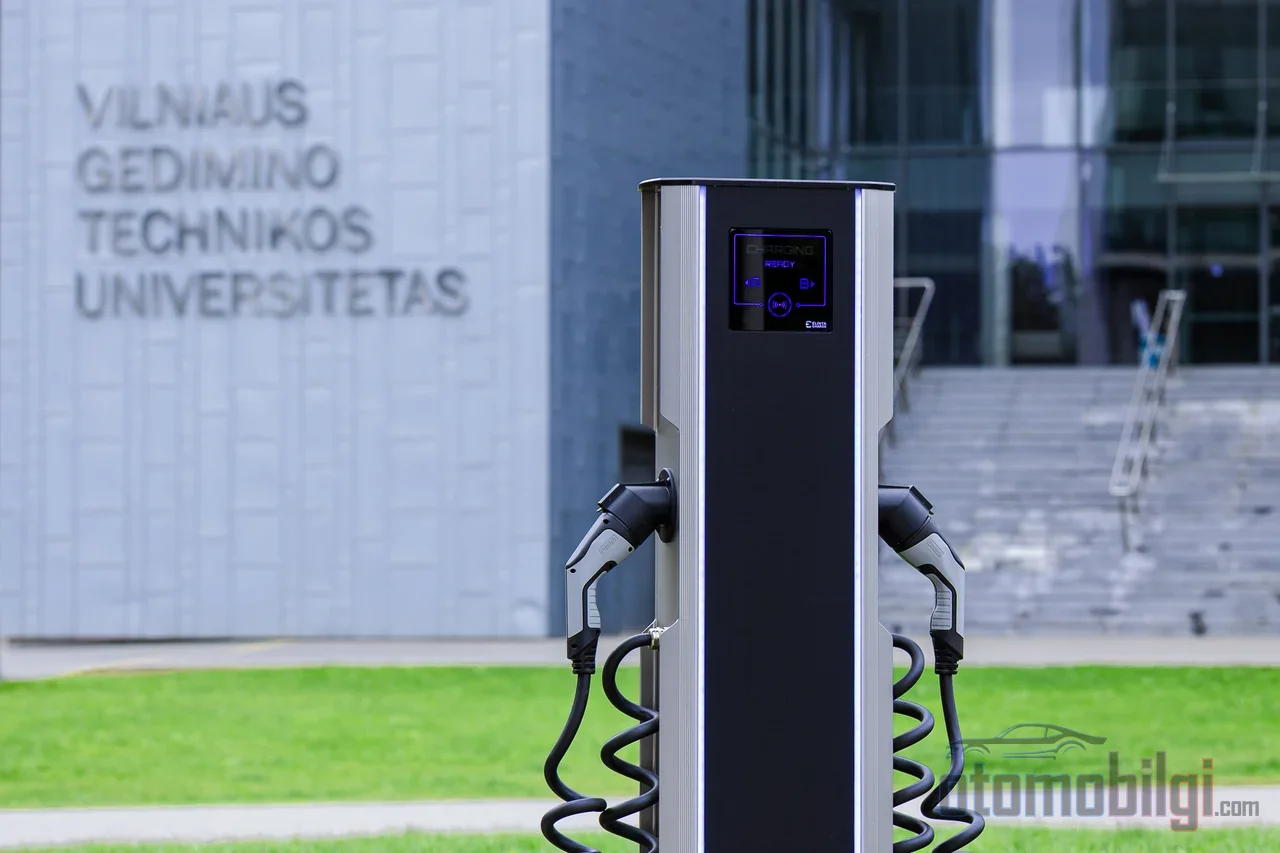
On a winter morning, you plugged into a fast-charging station, and the screen reads 150 kW; but the vehicle is charging at 40-50 kW, and the number stays put for minutes on end. The culprit is not the station, but the vehicle itself. When a lithium-ion battery is cold, it rejects high current, and it is precisely at this point that many modern electric vehicles have a hidden card to play: battery preconditioning. So what does this system do, when is it triggered, and how many minutes does it really save you on your charging time?
Why Does a Cold Battery Reject Fast Charging?
Lithium-ion cells store energy through controlled chemical reactions. The speed of these reactions is directly dependent on temperature: as the cell cools, the chemistry slows down and the battery's internal resistance rises. According to most manufacturers' definitions, the ideal band in which a high-voltage battery operates efficiently is around 20-30°C; the 15-35°C range is cited as the acceptable operating zone.
There is a serious technical reason why cold cells cannot accept fast-charging current: the risk of lithium plating. At low temperatures, lithium ions cannot penetrate into the graphite anode quickly enough. If charging is forced at high current, the ions cannot enter the anode and accumulate on the anode surface as metallic lithium. This accumulation permanently reduces capacity; over time, it can even create a risk of internal short circuit. This is exactly why the battery management system (BMS) protectively restricts the power demand delivered to cold cells.
The result is clearly visible on the charging curve: even if the charger is ready to deliver 150 kW or more, that power means nothing if the battery will not accept it. In winter, a battery that has not been preheated may start fast charging at around 50 kW, for example, and can only increase the power gradually as it warms itself during charging. A preheated battery, on the other hand, can accept 150 kW immediately in the same session. The difference is measured not in minutes, but in quarter hours.
Highlights
- The ideal operating temperature band for EV batteries is 20-30°C; the 15-35°C range is still considered efficient.
- Preheating usually takes 20-30 minutes and is triggered automatically when a fast-charging destination is entered into the navigation system.
- While the vehicle is plugged in, the energy for preconditioning is drawn from the grid; none of your range is used.
- In extreme cold, range loss can reach up to 40%; preheating corrects this picture both while driving and while charging.
What Does Preconditioning Do Technically?
Battery preconditioning is the process of bringing a high-voltage battery to its ideal temperature band before fast charging or intensive use. The BMS continuously monitors cell temperatures; if the temperature is below the target band, heating kicks in, and if it is above the band (on scorching summer days), the cooling side works. In other words, the process is not a one-way heating operation, but a preparation cycle that fits the temperature into the window.
The heat can be provided in two ways: the vehicle's own heating elements are engaged directly, or waste heat collected from the motor and powertrain is directed into the coolant fluid and carried to the battery. Whichever method is used, the goal is the same: to bring the cells' chemistry to a temperature where they can accept high current.
Where does the energy come from, and is range affected?
This distinction is the most commonly confused point in practice. Preheating done while the car is plugged into the charger draws its energy from the grid, not from the battery; it has no effect whatsoever on range. Preheating done while unplugged, however, is powered directly by the battery and consumes range. If the charging point is far from home, this consumption can reach a noticeable level; you need to factor it in before setting off.
Another frequent confusion is mixing up battery preconditioning with cabin heating. Cabin heating is for comfort; it does not prepare the battery for fast charging. The two serve different purposes and usually appear as separate options in the vehicle's menus.
How to Trigger Preheating: Automatic and Manual Methods
Automatic triggering via navigation
The most common method is simple: a DC fast charging station is entered as a destination in the vehicle's built-in navigation, and the car prepares the battery according to the estimated arrival time along the route. In models such as the Hyundai Ioniq 5 and Kia EV6, you can tell that preheating is active from the snowflake or coil icon shown on the screen. The limitation to be aware of is this: in some models (including the Ioniq 5 and EV6), this triggering only works when a fast charging station is entered into the built-in navigation; third-party navigation apps do not transmit the signal to the vehicle.
Manual triggering and brand differences
For those who do not want to rely on navigation, manual methods now exist as well, but the menu logic changes considerably from brand to brand:
- Kia EV3, EV6, EV9: Manual preheating can be started from the infotainment screen or via the Kia Connect app.
- Ford: Battery heating is started from the Optimise tab on the charging screen. Ford has an interesting exception: when a charging station is manually entered into the navigation, the vehicle does not perform preconditioning; automatic triggering only comes into play with the En-Route Preconditioning feature in the Apple Maps EV route.
- Tesla: Heating can be provided via Climate Control in the app; however, the official manual notes that scheduled charging cannot be used at fast charging stations, including Superchargers - in other words, it is ignored.
- Rivian: For a long time it worked only when tied to navigation; driving to fast charging stations not in the navigation left the battery cold, which drew user criticism, and in 2024 manual preconditioning was added via an OTA software update.
Additionally, systems that schedule via the app based on departure time preheat the car using grid power while it is plugged in, both preserving range and ensuring the battery is ready before the daily departure.
What Is the Real Effect on Charging Time?
Let's look at the numbers. The preheating process itself usually takes 20-30 minutes; the duration varies depending on battery size and outside temperature. Planned driving preparation can start 30-60 minutes before departure. So when planning your route, you need to take these windows into account so the battery is ready before you arrive at the station.
On the gains side, the difference is concrete: a pre-heated battery in the cold accepts 150 kW from the very first moment, while a cold battery starts in the 50 kW band and only speeds up as it warms up. This difference in the first 20-40% segment directly reflects on the total stop time. A nuance should be added: pre-conditioning does not make a dramatic difference in every scenario. In mild weather, the difference with an already warm battery is small; the noticeable gain appears when compared to a cold battery. Also, due to the nature of the charging curve, power drops several-fold in every condition after 80% - pre-heating does not speed up this last segment, it speeds up what comes before it.
Heating has one more side benefit: regenerative braking. A cold battery limits energy recovery; when the battery is warm, the energy collected on the road increases noticeably. On long winter journeys, this partially compensates for the cost of heating.
| Condition | Charging power | Energy source |
|---|---|---|
| Pre-heated battery, winter | Accepts 150 kW immediately | From the grid when plugged in, from the battery when unplugged |
| Cold battery, winter | Starts at around 50 kW, increases as it warms up | Part of the charging power goes to heating |
| Pre-heating while plugged in | Does not affect charging power | Grid; range is not affected |
Winter Use: When Should You Activate It?
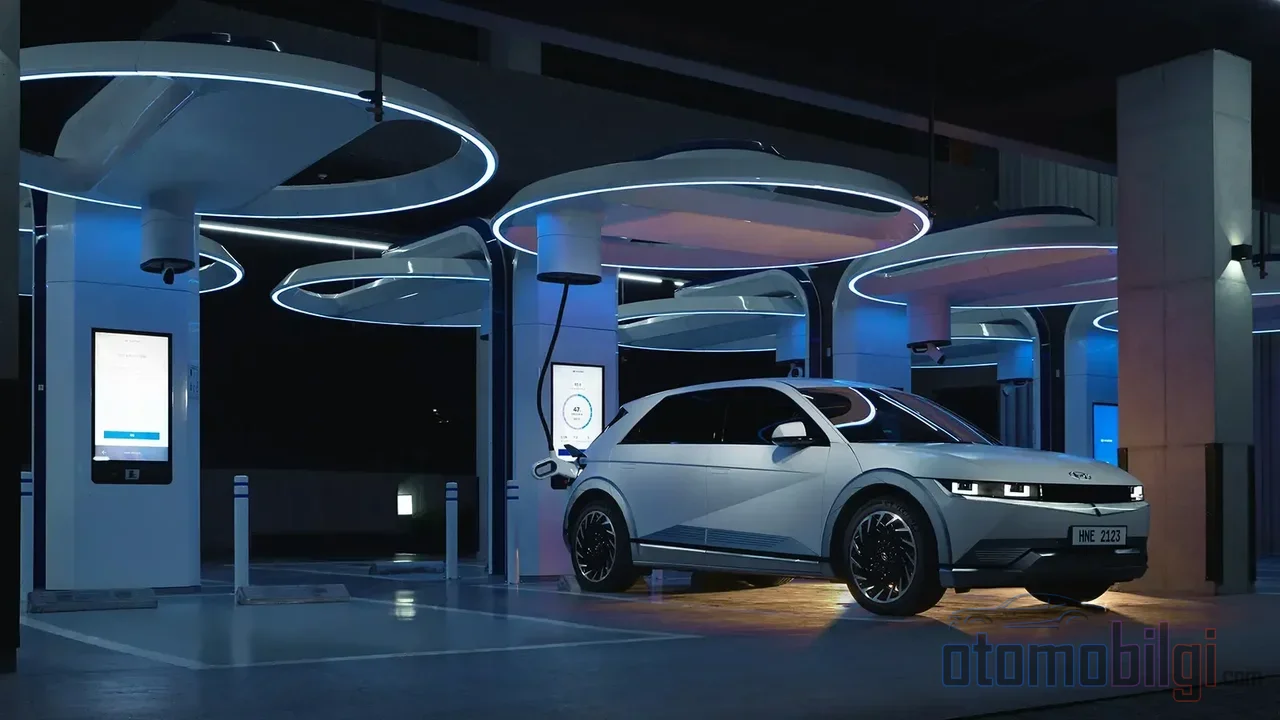
There is a practical threshold for timing: when the temperature drops below 10°C, especially before DC fast charging, pre-heating becomes meaningful. The most critical scenarios are:
- Morning fast charges after the vehicle has been parked outside overnight
- Preparation before long winter journeys
- Charges made in the early hours of the day, when the cells are at their coldest
The effect of cold is not limited to charging speed alone. In extreme cold, range loss can reach up to 40%; even in mild winter conditions, a decrease of 10-30% is observed. Heating the battery during charging and preparing the vehicle while plugged in before the journey makes this picture manageable. As an engineering note: battery temperature even affects diagnostic results - the same battery may report a lower health value in the cold, and a higher one when warm. In other words, temperature enters into every measured behavior of the battery.
Does it harm battery life?
Quite the opposite. When used correctly, pre-conditioning reduces charging stress by eliminating the risk of lithium plating that comes from forcing high current into cold cells, and supports battery life. What causes harm is not the heating; it is forcing high power into a cold battery for minutes without heating it. The only point to be careful about is the load that heating while unplugged places on range and the auxiliary 12V battery.
Summary: What Does Pre-Heating Change About Charging Time?
Battery preconditioning brings the cells into the 20–30°C ideal range before fast charging, allowing the battery to safely accept high current. It is triggered automatically when a fast-charging station is entered into the navigation, can be started manually via the menu or app in many new models, and typically takes 20–30 minutes. It turns a session struggling at 50 kW in cold weather into one accepting 150 kW on arrival; while plugged in, it costs no range. In short: in the cold season, what determines the real speed of fast charging is not the charger's power - but the battery's temperature.
Sources
- What is EV Battery Pre-Conditioning? – Kia UK
- How Battery Preconditioning Affects EV Performance and Testing – Midtronics
- What Is EV Battery Pre-Conditioning? – Skywell UK
- How do I precondition my battery for DC Fast Charging? – Ford Canada
- How do I Precondition my Electric Vehicle? – Ford UK
- Scheduled Precondition and Charge – Tesla Owner's Manual Model Y
- Rivian Is Adding A Key Charging Feature To The R1S And R1T – InsideEVs
- EV Preconditioning Helps You Charge Faster – Eleport
- Electric Vehicle Winter Use: Range and Maintenance Guide – Volti
- Can Electric Cars Be Used in Winter? – Borusan Next