Does Leaving Your Electric Vehicle Plugged In at the Charger Damage the Battery?
Share This Page
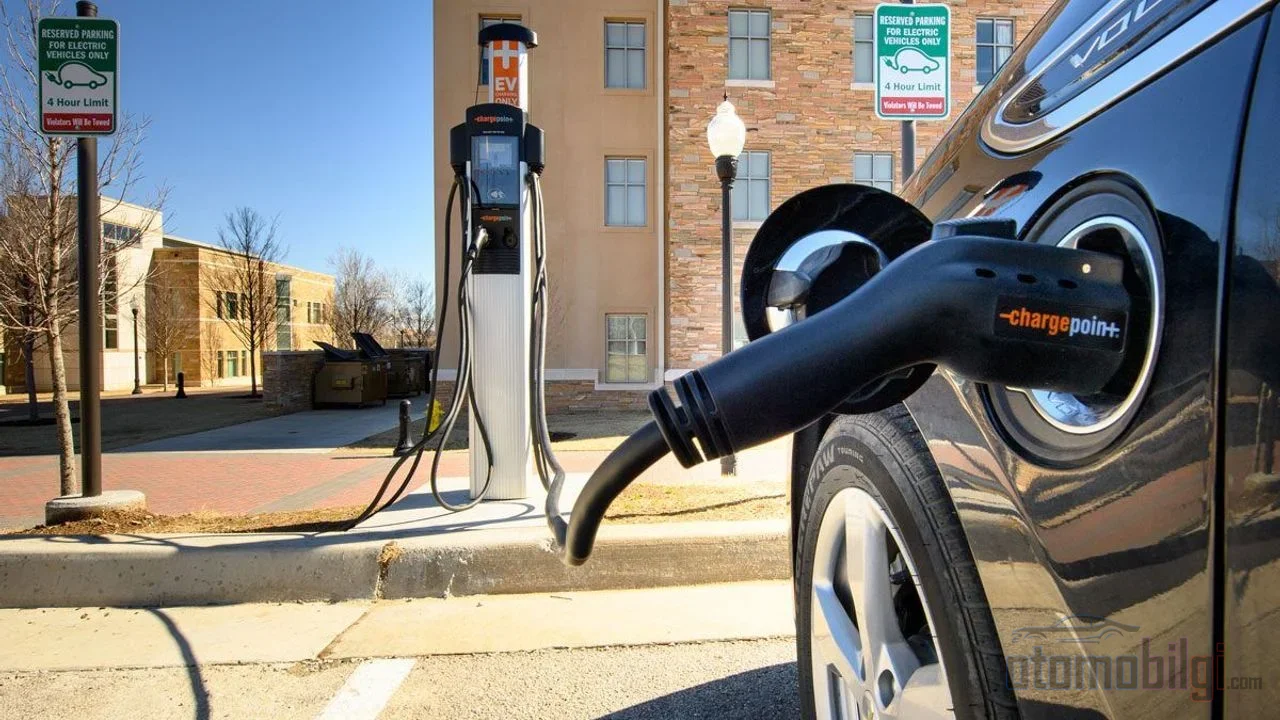
No, leaving your electric vehicle charging overnight will not damage the battery. Modern electric vehicles communicate with the charger to automatically cut power once they reach the target charge level; there is technically no risk of overcharging. What really determines battery health is not whether it stays plugged in, but the range you charge within and how often you use fast charging. In this article, I try to sort out which everyday charging habits genuinely affect battery life and which are mere myths, reducing them to actionable recommendations.
Highlights
- Modern vehicles automatically stop charging when they reach the target percentage automatically stops; overnight charging is safe.
- For daily use, the ideal range according to most manufacturers is 20%-80% (or an 80%-90% limit).
- If a full battery stays plugged in, the vehicle draws only a small amount of power for conditioning; trickle charge mode compensates for a monthly loss of 2-3%.
- Vehicles that use only DC fast charging were measured to have a 16% higher degradation rate compared to AC charging.
- Depending on the tariff, overnight charging can be 30-50% cheaper compared to daytime charging.
What Does Leaving It Plugged In Overnight Put at Risk?
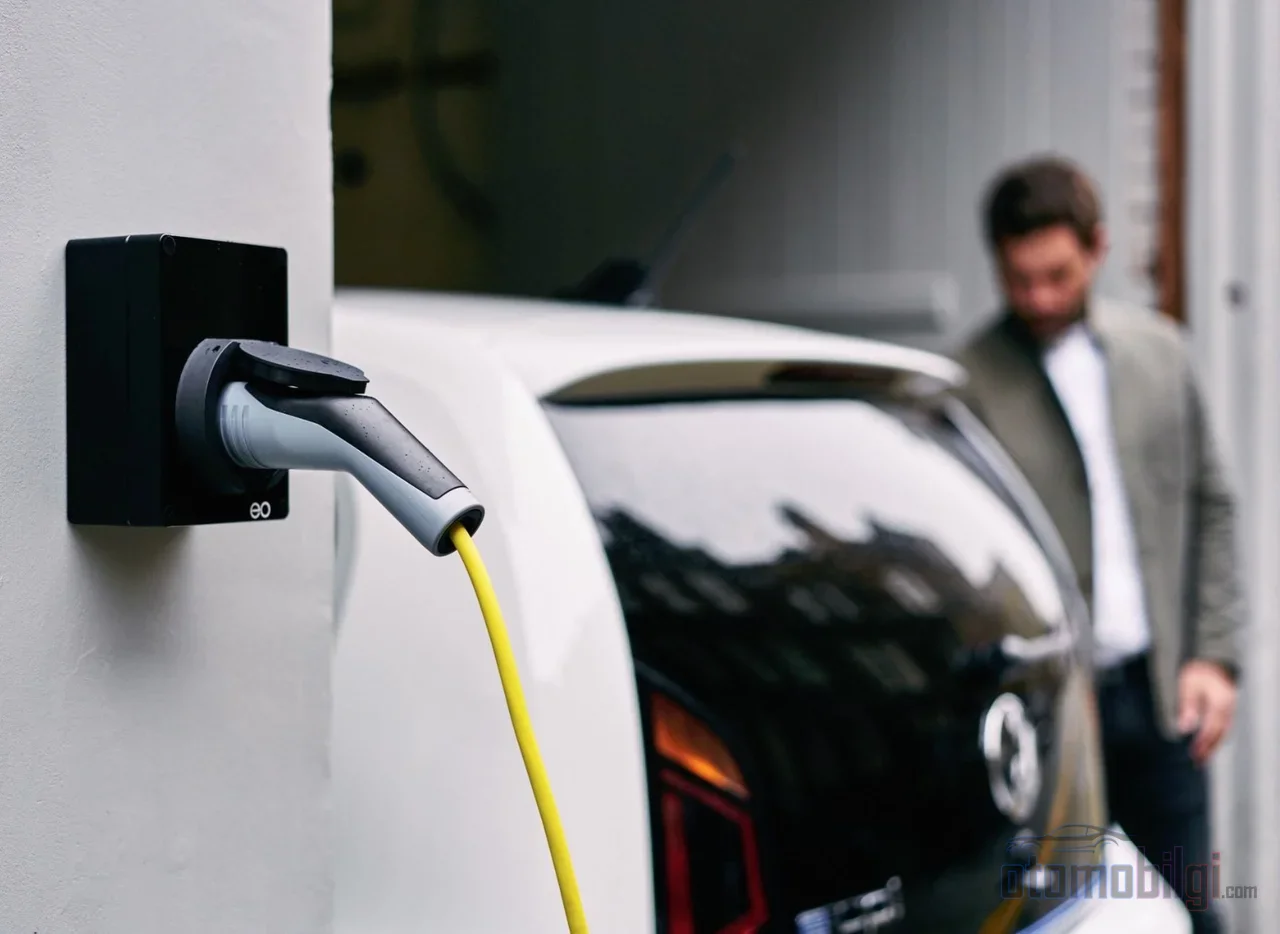
The feared scenario is the battery continuing to draw power after reaching 100% and stressing the cells. But this scenario has become technically impossible thanks to the battery management system (BMS). The BMS is a control unit that monitors the voltage and temperature of each cell; the moment the target capacity is reached, it cuts the flow of electricity. In other words, a vehicle left plugged in overnight is not charging until morning - it is merely being powered from the outlet.
So what does a vehicle left plugged in do during that time? After a full charge, the vehicle switches to trickle charge mode: it compensates for the small amount of energy consumed by systems that remain constantly on and the natural charge loss on the order of only 2-3% per month. Additionally, some vehicles can draw power at short intervals throughout the night to regulate battery temperature; this is normal and safe behavior.
There is one exception: a vehicle that will not be used for a long time. Keeping it plugged in for days or weeks is not ideal. In this case, it is recommended to unplug and leave the battery within the 50-80% range. Since electric vehicles lose only a few percent of charge per month when idle, this range means both a safe storage level and sufficient range when you return.
How Much Does the BMS Protect You?
The battery management system works like the nervous system of the battery in an electric vehicle and takes on four tasks: monitoring, protection, cell balancing, and thermal management. By preventing overcharging, over-discharging, and overheating, it ensures the cells always operate within safe parameters. Cell balancing, in turn, guarantees that each of the cells connected in series is charged equally; it prevents one cell from being filled or depleted more than the others.
Temperature regulation during charging is also the BMS's job. This is critical for safety as well as important for longevity - because lithium-ion cells age at a noticeably accelerated rate at high temperatures. One more note: the fire risk of electric vehicles is measured as lower than that of gasoline and diesel vehicles. Much of the concern about a vehicle left plugged in stems from not taking this automatic protection layer into account.
What Does the 20%-80% Rule Mean and How Strict Is It?
Lithium-ion batteries suffer chemical stress from sitting at full or completely empty extremes. At a high state of charge, cell voltage rises; as full depletion approaches, deep discharge stress kicks in. Staying within the 20%-80% range cuts off these two extremes, reducing voltage stress and slowing degradation. That's why most manufacturers recommend limiting the charge for daily use to 80-90% ; in the Renault Türkiye example, the recommendation is a minimum of 15%and a maximum of 80% .
This rule also has a practical time advantage: the charging curve deliberately slows down after 80%, because the vehicle reduces power to protect the battery. Waiting for the last 20% can take as long as filling the first 80%. So stopping at 80% both protects the battery and shortens the duration of overnight charging when you need to be ready by morning.
The rule needs to be measured and weighed. The 20%-80% is not a dogma to be followed under all conditions; some discussions point out that this habit should not turn into an obsession, and that in daily use the difference between an 80% and a 100% limit may be smaller than thought. So how should you strike a balance? A logic chain like this works: a user who frequently charges to 100% extends the time the battery sits at the extremes; a user who only goes to 100% before a long journey limits the time spent at high voltage to minutes, not hours. The harm comes less from the high charge level itself and more from the time spent at that level. LFP chemistry batteries fall outside this generalization - if you have an LFP battery, you need to follow the manufacturer's recommendation to regularly charge to 100%.
Fast Charging, AC Charging, and Charging Frequency
The difference between AC and DC charging is about where the power is converted. In AC charging, the conversion is done in the vehicle's own on-board unit; it is slow but gentle on the battery. In DC fast charging, the conversion is done at the station and high current is delivered directly to the battery - which generates a significant amount of heat. Heat is one of the main accelerators of battery degradation. The comparison is roughly as follows:
| Feature | AC charging | DC fast charging |
|---|---|---|
| Typical duration | Hours (6-10 hours with a wall unit; 24-40 hours from an outlet) | ~300 km of range in 30 minutes |
| Heat produced | Very little; preserves cell chemistry | Noticeable due to high current |
| Battery impact | Reference | 16% higher degradation in the Nissan Leaf study |
| Cost | Lower | Higher |
That 16% figure does not mean that every vehicle using only DC fast charging rapidly wears out its battery life. The aggregate assessment says that fast charging degrades the battery somewhat faster than AC, but the overall effect is minimal. The compromise is clear: reserve fast charging for trips and emergencies, and leave the daily cycle to AC. Volkswagen also recommends charging the vehicle as slowly as possible for similar reasons.
Another unnecessary rule is circulating about charging frequency: "it must be plugged in every night". There is no need. If you have not driven long distances, a night or two can be skipped; there is also no obligation to plug in again before the charge drops slightly. The single most effective method is to set the daily charging limit recommended by your manufacturer through the app - once you have set this limit, leaving it plugged in every night becomes completely safe.
Does Regenerative Braking Wear Out the Battery?
No; the data points in the opposite direction. Regenerative braking is a system that recovers braking energy back into the battery and can increase the range of electric vehicles by 8-25% As far as battery life is concerned, the critical point is this: regen braking lowers the depth of discharge (DOD) and shortens charging intervals. In other words, the battery operates with shallower cycles, which is a life-extending effect. Continuous and gentle recharging helps improve overall battery health.
Using a strong regen level does not automatically mean battery damage; many vehicles offer different regen levels and you can choose according to your driving comfort. You do not need to throttle regen deliberately for the sake of protecting battery health.
Typical Usage in Türkiye: Apartment Parking and Workplace Charging
The number of electric vehicles in Türkiye has exceeded 450,000and the charging infrastructure is following suit: as of June 2026, the country has 45,097 charging sockets - 19,663 of them DC and 25,434 AC. In March, the total number of sockets was 42,051; that is, the network is growing by thousands of sockets within a few months. This picture shows that it is possible to build your daily charging habits according to the infrastructure.
The legislation for apartment and housing complex parking lots has also changed in a facilitating direction. The Ministry of Environment, Urbanization and Climate Change announced that it has made it easier to install charging units in common-area parking lots; in the process, the thresholds for number of unit owners and land shares are decisive. For housing complexes, 22 kWType 2, OCPP-supported AC charging solutions up to 22 kW are available. If you can install a wallbox in your own parking lot, overnight charging becomes the most efficient arrangement for both the battery and your budget: electricity is cheaper during off-peak hours (for example 22:00-04:00), and overnight charging can save 30-50% compared to daytime rates. If you can charge at work, daytime AC charging can serve as a second gentle channel that complements your daily cycle.
A Warning: Outlet Charging in Old Buildings
Charging from a standard household outlet, a 60 kWh battery takes 24-40 hours fills it over such long periods (1.4-2.3 kW). This is not suitable for continuous use: in older buildings especially, very long charging sessions can pose a thermal safety risk. Leave outlet charging as a temporary solution and switch to a wall unit (wallbox) as soon as possible - this is the right move both in terms of safety and charging speed. Also avoid fast charging at near-freezing temperatures; if necessary, warm up the battery with a short drive first.
How Long Does Battery Life Really Last?
All of the habits above serve a single pragmatic question: when will the battery need replacing? Modern electric vehicle batteries are generally 8-10 years planned for lifespans of and beyond; in many vehicles this can reach up to 15-20 years. Manufacturer warranties are also mostly around 8 years. Depending on usage habits, 300,000 km of use and beyond is possible; LFP batteries in particular stand out in terms of cycle durability. In other words, correct charging habits matter not to save the battery, but to make full use of its already long life.
Concrete Recommendations for Your Daily Routine
- Set your daily charge limit within the 80-90% range; save 100% for before long journeys.
- Don't hesitate to leave the car plugged in overnight - the BMS cuts the power once the target is reached.
- Establish your daily cycle with AC charging; save DC fast charging for trips and emergencies.
- If you won't use the car for a few days, leave the charge below 80%; if it will sit for weeks, leave it in the 50-80% range and unplugged.
- Avoid fast charging in near-freezing weather; warm up the battery first with a short drive.
- In an older building, keep outlet charging temporary; have a wallbox installed as soon as possible.
- If you have an LFP battery, follow the manufacturer's recommendation to charge to 100%.
The summary table is as follows: leaving it plugged in causes no harm; leaving it at 100% and frequent fast charging do. A user who can tell these two apart can drive without range anxiety and in a way that will comfortably exceed the battery's 8-10 year life.
Sources
- Can You Leave an Electric Car Charging Overnight?
- Is It Safe to Charge Your EV Overnight? A Guide
- Do electric cars stop charging when full?
- EV Charging Overnight: Safe, Smart & Cost-Effective
- Should I Charge My EV To 100%
- Does fast charging affect EV battery life?
- Does DC Fast Charging Damage EV Batteries?
- EV Battery Health: Key Findings from 22,700 Vehicle Data
- EV battery charging best practices | FLO Canada
- Effect of Regenerative Braking on Battery Life
- How Battery Management System Works in EVs
- Electric Vehicle Battery Life - Renault Türkiye
- Ways to Extend the Battery Life of Electric Vehicles - Volkswagen
- Electric Vehicle Battery Maintenance Tips - Borusan Oto
- Number of Electric Vehicles in Türkiye Exceeds 450,000 - Litpack
- Charging Units in Apartment Buildings and Complexes - ÇŞİDB
- Extending Electric Vehicle Battery Life - WAT Mobilite