What Do the Warning Lights on a Hybrid Car Mean?
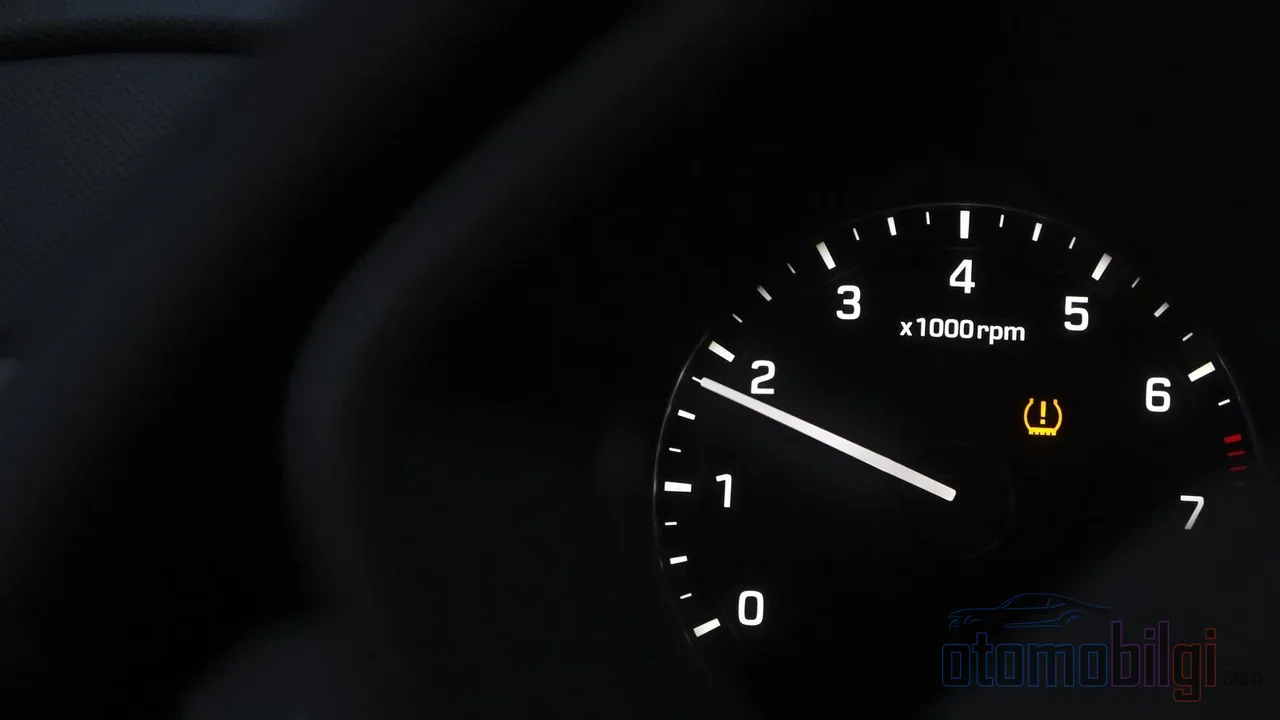
A hybrid system warning light suddenly appearing on the dashboard is one of the situations drivers encounter most often and misinterpret most. In some vehicles it is just a loose fuel cap, in others the 12-volt battery has weakened; but the symbol glowing on the panel is the same, and it asks the driver a single question: keep driving, or stop immediately? To make the right choice between panic and neglect, you need to read the color of the light, its symbol, and the accompanying symptoms.
How to Read the Color Code: Red, Yellow, Green
In warning lights, color is a widely accepted standard, and hybrid vehicles follow this standard. A red light indicates a serious situation: if it comes on while driving, you must stop in a safe place and have the vehicle checked. A yellow or orange light announces a problem that will soon need attention; the vehicle can still be used, but the issue should be resolved as soon as possible. Green, blue, and white lights are not warnings; they only indicate which system is active.
Manufacturers' manuals follow the same logic. When a fault is detected in some systems, the warning light flashes and an audible alert is given. Owner's manuals summarize the indicator logic as follows: a steady light may mean that normal driving is possible or that a fault has been recorded, while a flashing light may indicate emergency driving. So in addition to the color, whether the light is steady or flashing also carries a message. A red light always says it is time to end the drive and have the vehicle checked.
What Does the Hybrid System Warning Light Mean?
Hybrid vehicles have their own warning lamp, separate from the engine fault light. It may appear as "Hybrid system fault", "Check Hybrid System", or "Hybrid battery warning"; in some vehicles it shows up as a general fault symbol. This light does not point to a specific part: the vehicle's computer reports that it has detected a problem in the hybrid system. In some models the color is interpreted with intensity in mind; a yellow light indicates a minor problem, a red light a serious one.
Possible Causes
- A weakening hybrid battery - the most common cause, especially in older vehicles; even though the pack is charged by regenerative braking, it is suspect if it no longer holds its former performance.
- Inverter failure - when the unit that converts direct current to alternating current malfunctions, the system issues a warning.
- A weak or undercharged 12-volt battery - charging or jump-starting may solve the problem.
- Simple electrical problems such as a blown high-voltage fuse.
- A sensor misreading, inverter overheating (when coolant is low), or battery module degradation - if the charge indicator swings very quickly between empty and full, module degradation is suspect.
Sometimes the cause is strikingly simple: if the engine fault light comes on right after refueling, it may be enough to re-tighten the fuel cap until you hear a "click"; the light goes off by itself after a few drives. A blown fuse or a temporary software glitch can also trigger the same warning. In other words, the meaning of the light is not always an expensive failure - but you only learn which situation you are in by checking in the correct order.
Accompanying Symptoms
The symptoms that appear alongside the warning light tell you how serious the problem is. Sluggishness on starting, the hybrid system disengaging and the car running on gasoline alone, and increased fuel consumption are typical signs. In more advanced cases the vehicle enters reduced power mode: speed and traction are restricted, and a turtle icon may appear on the dashboard. This icon is a serious warning, and it is strongly recommended that the vehicle be taken to an authorized service center. Trying to reset the light is a reasonable first step - turning the car off, waiting a few minutes, and restarting can resolve a temporary sensor fault. However, if the light comes back after this attempt, or the vehicle has entered power restriction mode, the situation is not a temporary fault.
Key Highlights
- With a red light, stop in a safe place; with a yellow light, you can drive to the service center.
- One of the most common causes of the warning is not the traction battery but the 12-volt battery.
- Even a loose fuel cap can trigger the check engine light.
- The P0A80 code points to the hybrid battery pack, while the C1241 code indicates low 12-volt voltage.
Should I Keep Driving While the Light Is On?
Technically, it is drivable; in practice, the decision depends on the instructions given by the color and the accompanying symptoms. You can physically keep going, but there are consequences: the car runs on the gasoline engine alone, consumption increases, acceleration drops; in some cases the system enters power restriction mode, and driving may cause additional damage to the battery and other components. The safest option, if the color of the problem indicates seriousness, is to pull over to a safe spot and have the car taken to the service center by a tow truck.
With a yellow light, the distinction is as follows: you can make it to the service center, but you should have maintenance done as soon as possible. If the red light is accompanied by abnormal noise, loss of power, or flashing, it is the right decision to stop when it is safe and call a tow truck. With any red light on while driving, the safest decision is to pull over. There is one exception to this: in limited power mode with the turtle icon, the vehicle can still be moved, but the destination is the authorized service center.
Battery Warning Lights: Charging, Temperature and Health
Hybrids have multiple battery-related warnings, and each one tells you something different. The light showing the traction battery's charge level comes on when the battery is almost empty; if it is red, it is a serious warning, and the car runs on gasoline until it is charged. In vehicles used in electric mode, the low battery warning comes on at around 10% charge; a flashing light indicates 5% and below. The battery temperature warning, on the other hand, indicates that the traction battery's temperature is high or that the motor is overheating; it is recommended to stop in a safe place and leave the car off for a while.
The main message of the battery warning light is that the high-voltage battery's performance or health is outside the normal range. Behind this may be a single-cell fault - a problem with one cell dragging down the whole pack - overheating caused by a clogged or faulty cooling system, or voltage imbalance between cells. However, not every battery light means a battery fault: a small sensor problem or cell imbalance can also trigger the same light. Continuing to drive with this light on carries the risk of additional damage to the battery and other components.
There is also a critical warning: the red triangle symbol known from Toyota and Lexus models. This indicates a serious problem across a wide range, from hybrid system faults to engine issues. A practical tip: turn off the radio and air conditioning and listen to whether the fan is running at high speed - cooling systems respond in this way. Even if it is just heat after a hot day or a long climb, when this triangle appears together with the battery warning, it is wise to stop, let things rest, and then notify the service center.
Cooling System Warning and the Role of the 12 Volt Battery

The light with the thermometer symbol indicates that the engine coolant temperature has risen; in some hybrids there is also a separate warning for the battery cooling system. Behind this warning lies low coolant or a leak, a faulty water pump or fan, or a blockage in the radiator and hoses. If the light is red, you must stop immediately and shut off the engine; continuing to drive can cause permanent engine damage. When there is a problem with the electric battery's cooling, the warning indicates that the battery may overheat more than it should. These lights can be quiet enough to go unnoticed on a long journey - which is why glancing at the dashboard once before every trip is a worthwhile habit.
The First Check Point: The 12 Volt Battery
Hybrid vehicles need a standard 12 volt battery in order to operate. This battery powers the locks, control units, and relays; when it weakens, the vehicle may fail to enter ready mode or produce strange electrical warnings, even if the traction battery is full. A poorly charged 12 volt battery can start a chain of electrical problems that confuses the main computer and trigger the hybrid warning light; it can even prevent the high-voltage system from engaging, making it appear to be a traction pack fault. The C1241 code - low 12 volt positive voltage - is often mistaken for a high-voltage battery problem, but the culprit is usually the small battery. That is why, when the warning light comes on, the first check to do at home is the condition of the 12 volt battery: the battery's voltage can be measured, or if necessary, the hybrid system can be reactivated with a jump start from another vehicle's battery. The origin of many strange warnings seen in the winter months is not the hybrid pack but the 12 volt battery.
Common Fault Codes and Their Meanings
Fault codes tell the technician where to look; an accurate diagnosis requires professional diagnostics. Still, knowing the code strengthens the hand of the driver going to the service center. Here are the most frequently encountered codes and what they indicate:
| Code | Meaning | Indicated Issue |
|---|---|---|
| P0A80 | Replace the hybrid battery pack | Serious voltage difference in the pack; faulty pack |
| P0A93 | Inverter cooling system performance | Low coolant or a pump/fan problem |
| P3011–P3024 | Weak battery block | The last two digits show which block is out of balance |
| P0A7F | Battery pack deterioration | High module resistance; in some reports, a charging sensor error |
| C1241 | 12-volt positive voltage is low | A small battery problem, not the hybrid pack |
| P0A92 | DC-DC converter problem | Failure in auxiliary voltage generation |
| P0AA6 | Electric motor temperature sensor fault | Sensor error |
| P0AC4 | Hybrid powertrain computer fault | Control unit problem |
Also, some icons on the dashboard are not warnings and normal driving continues: the icon showing that the car is being driven on electricity alone in EV mode, the crossed-out E informing that the electric mode is temporarily unavailable during aggressive driving, or the key icon grouping general electrical system problems. In the crossed-out E case, the electric mode returns on its own when speed decreases; with the key icon, the on-screen message needs to be followed.
First Checks You Can Do at Home and When to Visit the Service
When the warning light comes on, there are simple checks you can run before rushing to the service. First, turn off the car, wait a few minutes, and restart it; a temporary sensor error can be resolved this way. Second, if you have refueled, check whether the cap has closed completely. Third, check the condition of the 12-volt battery - if the battery is weak, charging it or jump-starting can solve the problem. Beyond these, it has become common to monitor battery module temperature, charge level, and internal resistance values at home using OBD diagnostic apps; this data gives you a concrete starting point when you go to the service.
The limit of intervention is clear, though. The high-voltage system requires special equipment and expertise; intervening in the hybrid battery is a job for professionals. To avoid replacing the wrong part and wasting money, you should first have the cause of the light correctly diagnosed. Replacing the battery immediately when the warning light comes on is not the first step: cheaper causes such as a sensor error, cell imbalance, or the 12-volt battery can produce the same result. User experiences mention that repairs based on renewing and balancing only some cells are not permanent, with the fault returning in a short time; installing a refurbished battery is offered by some services as a suitable solution, but the seller's commercial interest must be kept in mind.
Decision Guide: What to Do at Which Light
- Red light or red triangle - stop in a safe place, turn off the engine, and call a tow truck if necessary.
- Yellow light with no accompanying symptom - you can drive to the service; have it checked as soon as possible.
- Turtle icon - power is restricted; take the car to an authorized service.
- Battery charge warning - the battery is almost empty; the vehicle runs on gasoline, the charging status is checked.
- Check engine light coming on after refueling - close the cap again; if it does not go out after a few drives, see a service center.
Conclusion: No Panic, Systematic Checking
The meaning of the hybrid warning light cannot be reduced to a single sentence; its color, symbol, and accompanying symptoms are read together. A red light means stopping in a safe place, a yellow light means visiting a service center as soon as possible, while green and blue lights only convey information. The first three checks that come to mind when you are stranded - turning the car off and restarting it, checking the fuel cap, and measuring the condition of the 12-volt battery - can resolve a significant portion of cases at home. If the light comes back despite these attempts, or the vehicle has entered a power restriction mode, the issue is no longer a first response but professional diagnosis. When read correctly, these lights are not a frightening fate but a clear sequence of instructions the system gives you.
Sources
- A guide to electric and hybrid car dashboard symbols
- What Does the Hybrid System Warning Light Mean?
- Hybrid Car Warning Lights Explained (2025)
- Hybrid Car Warnings - Diagnostics Service
- Hybrid Warning Light On: What It Means and What to Do
- When the hybrid vehicle shuts off - Kia owners manual
- What Is the 12-Volt Battery Used For in Hybrid Vehicles?
- "12 V" battery: troubleshooting - Renault user manual
- Check engine light is on in a Toyota
- What Is the Red Triangle of Death?