Why Do Windshield Wipers Seem to Want to Become Invisible?
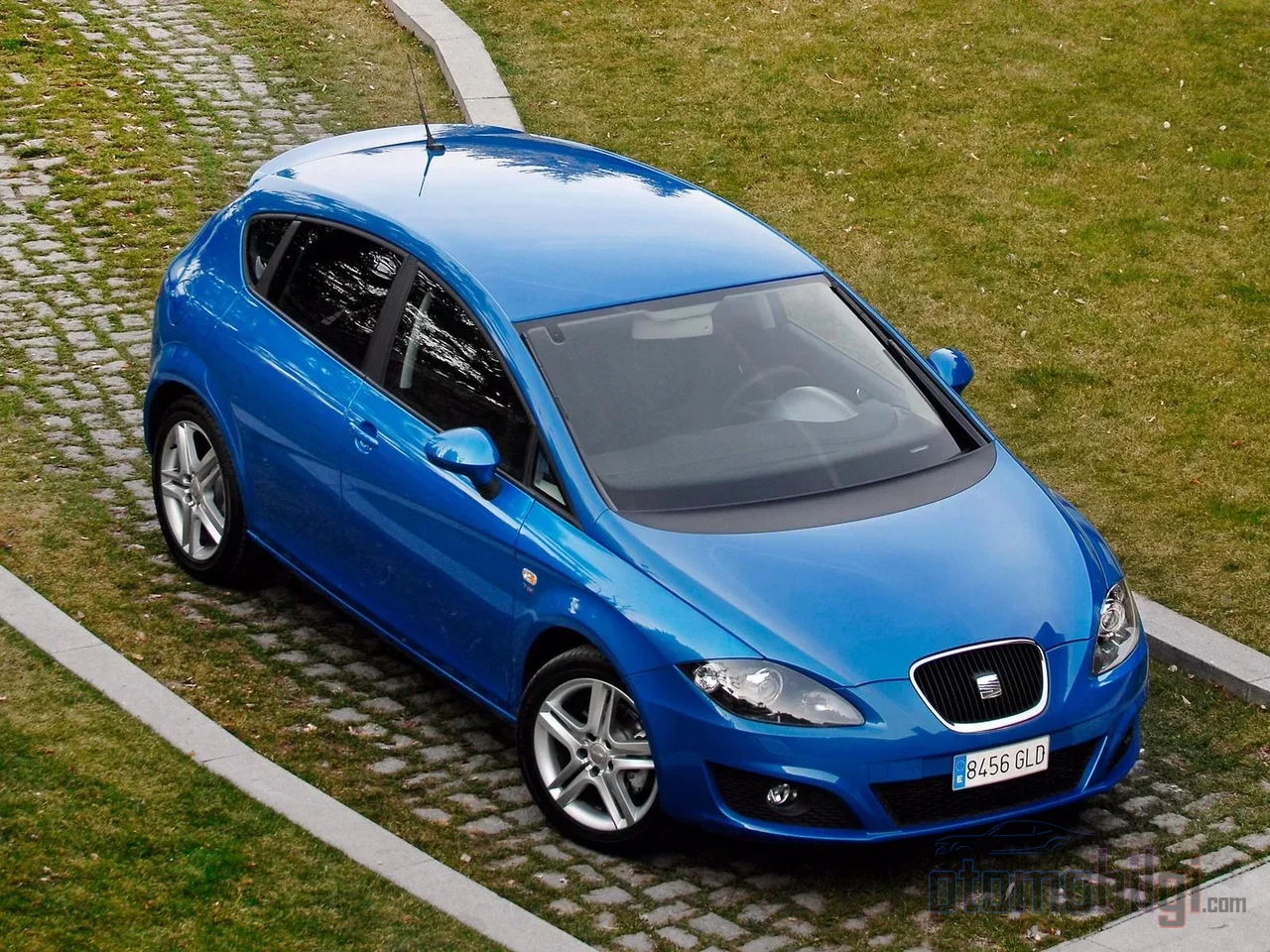
Step in front of a car and look at its windshield. Clean, smooth, looking like a continuation of the design, right? But where are the wipers that keep that glass clean in the rain? On old cars they used to sit right at the base of the windshield, as if someone had forgotten them there. In modern cars, they are practically ghosts: when turned off, they vanish, hiding beneath the hood. Why? Why does a cleaning component need to be so mysterious?
Interestingly, this is not just an aesthetic whim. Behind the curiosity of hidden wipers lie wind tunnels, calculations for silence, and a desire to look sleek in the public eye. Come, let's solve this mysterious escape story step by step.
Let's Remember What a Wiper Is: A History Full of Miracles
The history of the wiper is far more colorful than you might guess. One of the first recorded patents is dated August 6, 1896: George J. Capewell signed this document, hard to believe but true, which even mentions the hidden positioning of wipers out of sight. So the idea of hiding the wiper is as old as the wiper itself! Then in 1903, Mary Anderson patented the first functional windshield wiper; the same year, Robert Douglass and John Apjohn also received patents for similar devices. So the idea of wiping rain off the glass was in the air.
The following years were a feast of innovation: In 1917, Charlotte Bridgwood received the patent for the first automatic electric wiper arms, and that same year John R. Oishei founded the Tri-Continental Corporation and introduced the Rain Rubber wiper - today Trico, one of the world's largest wiper manufacturers. The Folberth brothers applied in 1919 with the first automatic mechanism, making the vacuum system standard equipment; that vacuum principle was used until about 1960. If you consider that a Bosch factory today produces 350,000 wiper blades a day, you understand how serious an industry this small part is.
Highlights
- The 1896 document, one of the first patents, even mentions the hidden positioning of wipers.
- The idea of intermittent wipers came from Robert Kearns in 1963; Ford lost the lawsuit, and the story became the subject of a film in 2008.
- Mercedes-Benz's Monoblade system uses a single blade to trace an M-shaped path, wiping all the way to the upper corners of the glass.
- European regulations define the minimum view areas that wipers must clear in percentage terms.
As the Glass Curved, the Wiper Curved Too: Technology That Follows Form
Early wipers had straight rubber blades and did their job quite well on flat windshields. But car design did not stand still: With the Studebaker Starlight Coupe in 1947, curved windshields became widespread, and straight blades suddenly were no longer enough. Just like trying to wipe a curved table with a straight ruler - the corners remained half-clean. The solution was the curved, articulated design patented in 1945 by Anco founder John W. It was the curved, articulated design patented by Anderson. Since that day, the wiper has continuously evolved to conform to the shape of the glass.
Then the order changed: Robert Kearns pitched his intermittent wiper idea to Ford in 1963 and was rejected; When Ford offered a similar design on 1969 Mercurys, Kearns won the patent lawsuit - the case was told in the 2008 film Flash of Genius. Rain sensors also arrived gradually: 1970 Citroën SM started with a system that monitored engine current, Nissan introduced a piezoelectric sensor in 1983, and GM rolled out Rainsense based on LEDs and total internal reflection in 1996.
| Year | Step | What Changed? |
|---|---|---|
| 1903 | Mary Anderson's patent | The first functional windshield wiper |
| 1917 | Charlotte Bridgwood | The first automatic electric wiper arms |
| 1963 | Robert Kearns | The intermittent wiper idea |
| 1970 | Citroën SM | One of the first rain-detecting systems |
| Since 2012 | Valeo AquaBlade | Direct water spraying from the wiper blade |
So Why Have Wipers Been Hidden Under the Hood?
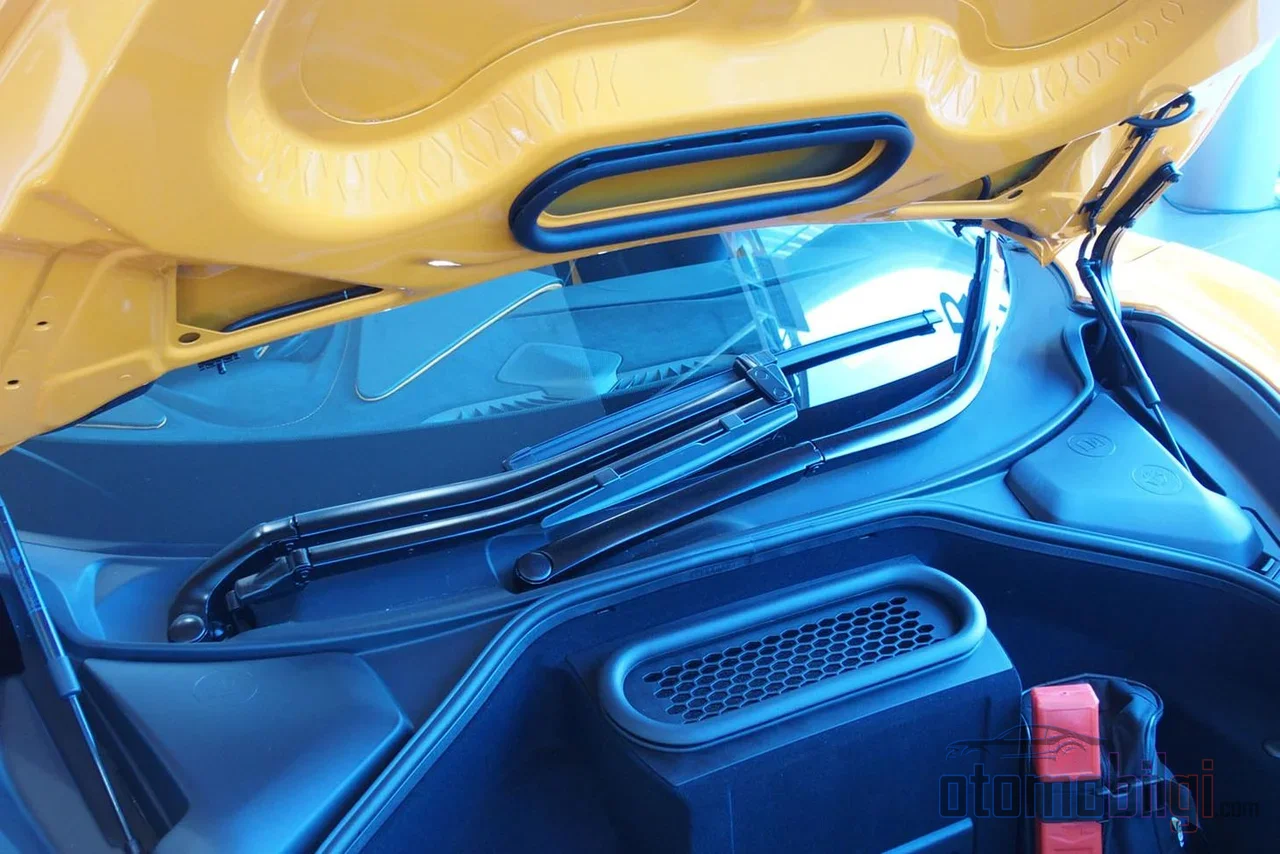
Now let's get to the real question. In the standard design, the wipers park at the bottom edge of the glass, in plain sight. In the hidden design, the windshield extends beneath the rear edge of the hood; the wipers park below the wiping range, out of view. This single sentence accounts for most of the secret behind why modern car front ends look so clean.
Dancing with the Wind: Aerodynamics and Noise
Placement under the hood takes the wipers out of the high-speed airflow that strikes the glass. Think of it this way: when cycling, if you puff out your chest the wind pushes you back; if you hunch down, you speed up. By the same logic, when the wipers are moved from the glass surface to the hood's protected zone, air resistance drops and that annoying wind noise decreases. The same approach applies to electric vehicles: when the wipers are hidden under the hood, the car slices through the air more easily, meaning drag is reduced. In an era when the range race is heating up, every small advantage counts.
Researchers take this subject seriously too: there are theses conducting aerodynamic analysis of wiper systems for high-speed vehicles, studies numerically examining the aerodynamic drag and lift forces acting on wipers in simplified windshield geometries, and studies simulating the forces of different blade geometries at critical wiper angles. So the wiper is no longer just a cleaner, but an airflow element.
Eye Familiarity: Aesthetics and Design Language
Look at it from the designers' perspective: The front end is a car's face. The grille, the headlights, the hood lines... it's all a composition. While two bare wiper arms sit at the bottom of the glass, this composition is spoiled. Wiper blades are defined as a critical design component that directly affects safety and visibility yet is easily overlooked; in the future too, they are expected to meet the aerodynamic and aesthetic requirements of new models with modern materials and innovative designs. In short, the wiper is becoming design's invisible hero.
The Brands' Recipes for Hiding: Everyone Has Their Own Secret Ingredient
Every brand has its own method when it comes to wiper stowage, and some are genuinely clever. The most famous example is Mercedes-Benz's Monoblade system: this single-arm system works on the principle of one arm tracing an M-shaped path to reach the upper corners of the windshield while a single blade wipes a wider area. To prevent the blade from lifting off the glass at high speeds, the system even includes an aerodynamic spoiler detail. Mercedes also used opposing wipers in some of its models and in the Volkswagen Sharan: when the wipers move in opposite directions, no large unwiped corner remains in front of the driver, and no separate arrangement is needed for vehicles exported to right-hand-drive countries.
The washing side is full of innovations too. Valeo's AquaBlade system, which the company has been developing since 2012, sprays washer fluid directly from the spoiler element of the wiper blade; by eliminating the nozzles on the hood, it reduces the driver's visual discomfort. It was used in Tesla, the Volvo XC60 (2018-2021), and the Citroen C4 Cactus. Mercedes' MAGIC VISION CONTROL system, on the other hand, adjusts the washer fluid according to the outside temperature and adapts the amount to ambient conditions. As an example of an aerodynamic tip, the wiper system of the electric Aptera is also presented as a standout aerodynamic innovation in EV design.
But what happens when you want to replace these wipers hidden under the hood, or free them from snow in winter? Here is the practical answer of modern vehicles: service position. In vehicles that hide the wipers under the hood, the wipers must be put into service position to lift the blade off the glass. The vertical parking position also prevents sediment buildup under the wiper. It is also perfect for preventing them from freezing to the glass in winter.
The Price of Invisibility: Legal Limits and the Design Trade-off
There are rules for hiding wipers too. United Kingdom and European Union regulations clearly define the minimum fields of view that wipers must clear: 98% of Zone A and 80% of Zone B must be wiped. So no matter where brands stow the wipers, they are required to keep certain areas of the windshield clear to a certain degree. In addition, the European regulation limited the use of headlight wipers to headlights with glass lenses only.
And here is the design tension: while hidden wipers provide aesthetics and aerodynamics, wide-sweeping mechanisms like the pantograph sit in the middle of the glass when parked and can partially block the driver's view. So there is a real trade-off between concealment and wiping coverage. Wiping all the way to the corner of the glass on one hand, being completely invisible when parked on the other - designers constantly strike a balance between these two demands. The reason sedans have no rear wiper is also based on the same aerodynamic logic: the slanted rear window cleans itself; whereas in hatchbacks, SUVs, and wagons, the vertical rear window collects dust and dirt, so a rear wiper is essential. Rear wipers emerged in the 1940s, spread through the 1970s after the 1966 Porsche 911 and the 1969 Volvo 145.
Beam blades are also the final link in this evolution: their frameless design and internal tension strips provide more consistent contact; their flat, low-profile integrated structure reduces air resistance and contributes to fuel efficiency. Bosch emphasizes that the aerodynamic design prevents the wiper from lifting off at high speed - so that sleek look is not just style, but function too.
Conclusion: The Vanished Part, The Winning Design
So the answer becomes clear: wipers are under the hood, because there they are neither at the bottom of the wind nor in plain sight. Removed from the airflow hitting the windshield at high speed, they reduce air resistance and noise; meanwhile, the front surface of the glass turns into an uninterrupted design surface. When maintenance is needed, the service position comes into play, and the law mandates minimum wipe areas. Those two arms that once sat at the bottom of the glass coughing away are today one of design's quietest success stories. Next time you walk past a car, take a look at the bottom of the windshield: if you can't find the wipers, someone has done that job very well.
Sources
- Windscreen wiper
- Windshield wipers have had a surprisingly messy evolution - ShopPress (Dorman)
- History Of The Windshield Wiper Part 4: Modern Wiper Systems - 6th Gear Automotive
- Car windscreen wiper and washer systems - EUR-Lex
- Windscreen wipers and washers on road vehicles - GOV.UK
- Why do SUVs have rear wipers, but sedans don't? - The Globe and Mail
- Aerodynamic analysis of the wiper system for high-speed vehicles - ITU Polen
- How Windshield Wipers Work: Components and Mechanisms - Trico Products
- The future of car windshield wipers - Oximo
- Bosch wiper blades - Bosch Aftermarket