The Most Eye-Catching Detail of Car Design: How Are Wheels Shaped?
Share This Page
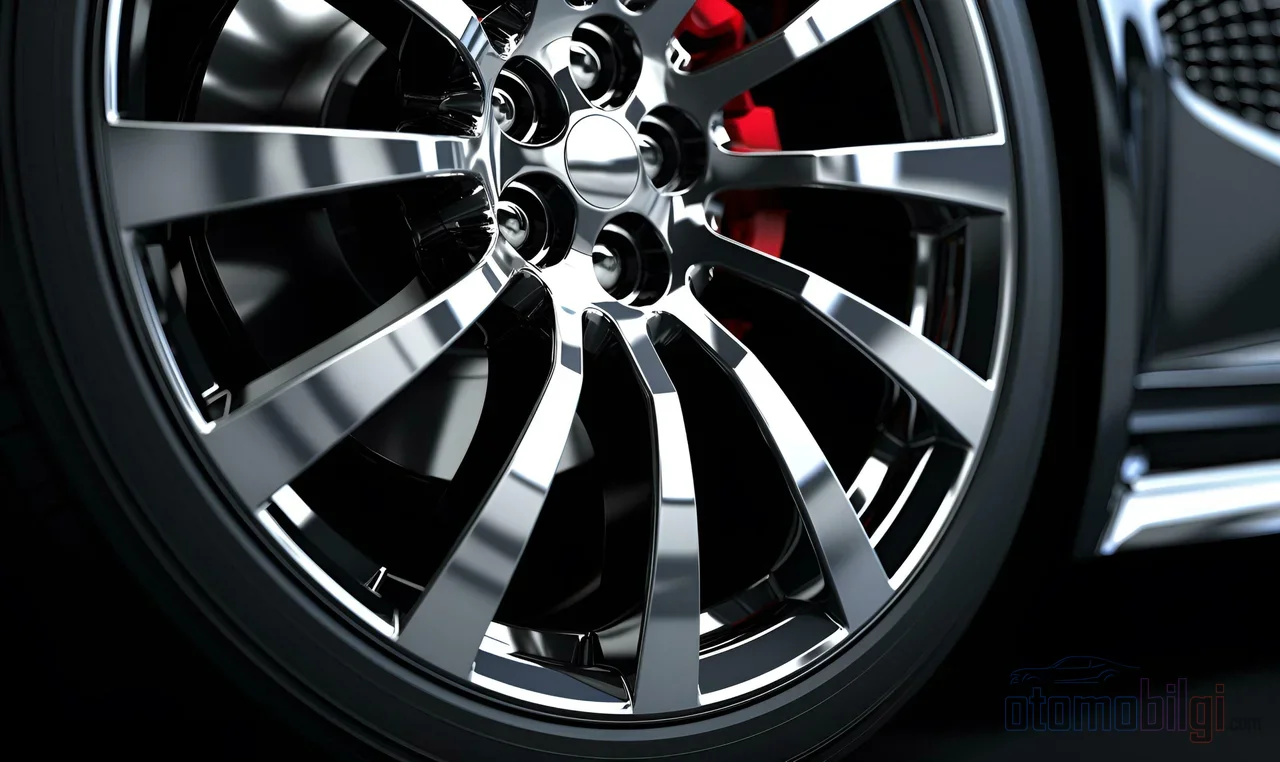
Wheels are the most powerful detail of automobile design, conveying both function and the brand's character at a single glance; the shape of the spokes, whether the wheel is closed or open, and the lines on its surface directly affect the vehicle's identity and aerodynamic balance. So what we call a wheel is not just a rotating disc, but a design element bearing the brand's signature. So how did this small but critical part take shape over its century-long journey? Let's take a look!
Highlights
- The first traces of metal wheel rims 1500 BC go back as far as the Hittite and Assyrian war chariots.
- 1947Cooper cast the first series-production alloy wheels from magnesium alloy.
- Closed aero wheels can reduce aerodynamic drag by up to 10% .
- Türkiye's largest wheel manufacturer produces 9,000,000 wheels per year and supplies global brands.
- The factory wheels of brands like Alfa Romeo have become icons that challenge the tuning world.
Why Are Wheels Considered a Brand's Signature?
Just think: what's the first thing that lets you guess the brand of an approaching car? It might be the headlights, or the grille... but more often than not, the silhouette of the spinning wheels has already given you the answer. Just like the kidney grille or a single-stroke headlight, wheels are an inseparable part of a brand's design language. So much so that one of the well-established brands in automotive history defines its wheels directly as "the cornerstone of automotive design" and archives the production history of thousands of wheel designs.
That's why design teams are incredibly meticulous about the wheel. The thickness of the spokes, the form around the emblem on the hub, the light reflections on the surface... all of these are deliberate choices. Classic five-spoke forged wheels are considered "timeless" in German performance circles, while Y-spoke and multi-spoke wide forms signal performance and luxury at a glance. A wheel design belonging to a particular era of a brand is instantly recognizable even years later, because it carries the spirit of that era. It's like recognizing which band it is from the first three seconds of a song!
And then there's the matter of wheels becoming "iconic." There are some factory wheels that people remember not the car, but the wheel itself. The legendary OEM wheels of Italian brands have reached the status in the tuning world of "if you can find it, your car will look completely different." A factory wheel that looks good enough to be left unmodified is, in my opinion, the designer's greatest victory.
From Wire to Alloy: The Eras of Wheel Design
The story of the wheel is not as young as you might think. Let's go back into the depths of history:
- Around 1500 BC: The Hittites and Assyrians developed the first metal wheel rim forms by wrapping bronze strips around their chariot wheels. Yes, the first "wheel design" was on Anatolian soil!
- 1885 and beyond: With the first automobiles, wheel design was adapted to motor vehicles.
- 1920s: Wire-spoke wheels became widespread. Thin-spoked, filigree-like crafted spokes carried both style and speed on racing cars at the same time.
- 1934: "Drop-center" steel wheel rims, with a center lower than the edges, came onto the market and quickly became the standard.
- 1947: Cooper's first mass-produced alloy wheels were cast from "Elektron" magnesium alloy.
- The 1960s: When racing engineers wanted to boost performance, cast alloy wheels quickly became widespread.
It is hard to overstate the charm of wire-spoke wheels. Being lightweight yet sturdy, they quickly became popular on sports cars; what is more, there were dozens of different design variants for how the spokes would be woven into the hub. In other words, even back then designers did not say "everyone's wheels should look the same." But when alloy wheels arrived, things changed: casting technology made it much easier to produce complex forms. Early alloy wheels were magnesium-based; they fell out of favor in everyday vehicles but retained their popularity in the racing world for a long time.
Closed Wheels and Aerodynamics: Bargaining with the Air
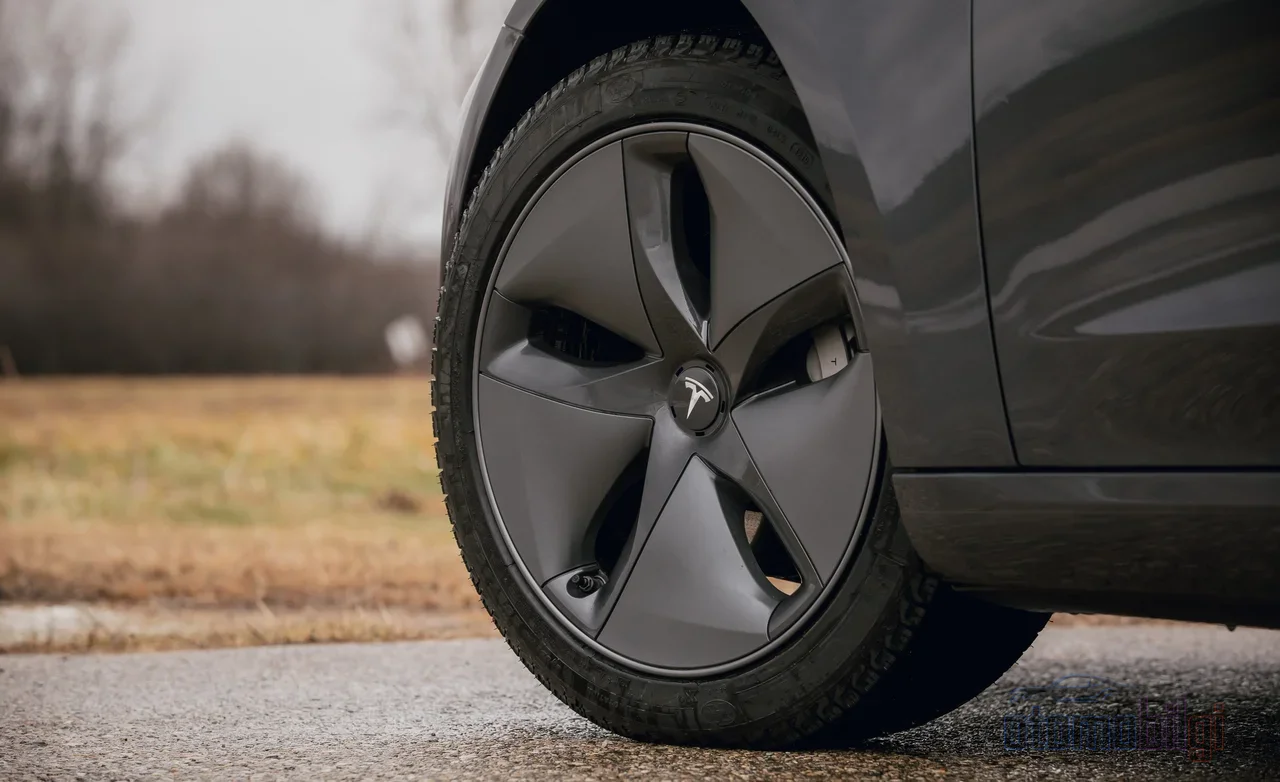
Now let us move on to the more technical but equally exciting part of the matter. As a car travels down the road, its wheels actually keep drawing in air and throwing it around like a machine. Open, multi-spoked large wheels look visually stunning but disrupt airflow - much like the wind entering an open-windowed car. Closed, i.e. "aero" wheels, however, reduce this turbulence: aero wheel systems that can actively close reduce aerodynamic drag by up to up to 10% when closed, increasing range in electric vehicles and also lowering fuel consumption in gasoline cars.
So why do we mostly see ultra-aerodynamic closed wheels on electric vehicles? The answer is simple: every watt counts in EVs, because range directly affects daily use. In gasoline vehicles, a few percent difference in fuel does not move the buyer the same way. There is also, of course, an aesthetic issue: closed wheels are efficient but "boring" to some. Open-spoke design, on the other hand, is a feast for the eyes. The classic dilemma of the automobile world: the eye or the figures?
Brakes Want Something Too
The advantage of thin-spoked and ample-gapped wheels is brake cooling. Air passes through the gaps and cools the brake discs. But the same gaps also create unnecessary air turbulence. So the design is a balancing act: the more open, the more turbulence; the more closed, the less brake cooling.
There is a critical nuance here: the aerodynamic benefit is not a standalone property of the wheel; it is a whole-vehicle effect working together with the entire body of the car. So saying "I fitted closed wheels, I surely gained" is a bit naive. A well-designed electric vehicle wheel reduces weight through spoke geometry and surface transitions while also intelligently managing airflow. The real gain lies in properly directing the air flowing between the wheel and the body.
The Spinning Wheel's Optical Trick: The Wagon-Wheel Effect
Have you ever noticed in video recordings or on fast-passing vehicles that the wheels seem to spin backward while moving forward? This is not a malfunction, it is a classic optical illusion: the wagon-wheel effect. The rotation of a spoked wheel can be perceived differently from reality - even in the opposite direction. Our brain sees that the spokes are in a different position each time our eye "captures a frame," and our brain stitches these frames together incorrectly. Much like an animated film creating a sense of motion from sequential drawings, but here the flaw leaks onto the big screen.
There is an even more interesting detail: On wheels defined by dark and light sectors, the "reverse spoke illusion" can occur; that is, the wheel's direction of rotation can contradict the apparent direction of rotation of the spokes. Here we once again see how much wheel design is a game of visual perception - designers are not just shaping metal, they are also designing how light and motion will be perceived.
The "Big and Deep" Illusion in Sport Model Wheels
Why do sports car wheels always look bigger, deeper, and fuller? Part of it is real: Genuinely large-diameter wheels are fitted. But designers are not just selling us the real size; they are also playing games with visual perception. The shape of the spokes, the sense of depth on the surface, the ratio between the hub and the rim... all of these make the wheel look wider and more muscular than it actually is. The perception of performance also comes into play here: A wheel with thick, horizontal lines and a deep dish gives the feeling that the car is planted better on the road. In other words, the wheel is a showcase that advertises the car's character like a billboard.
Of course, these perception games come at a price: Open, deep-dish, multi-spoke large wheels are among the designs that disrupt airflow the most. Closed or semi-closed designs, on the contrary, offer a much calmer air management. In this ongoing struggle between the car's character and efficiency goals, the wheel is always the man in the middle.
Wheel Culture in Türkiye: From Manufacturing to Personalization
The passion for wheels has turned into a serious industry in Türkiye. Our country's largest wheel manufacturer produces 9 million wheels a year and supplies factory-fitted products to global brands like BMW, Mini, Mercedes, Audi, and even Lamborghini. In other words, some of the wheels fitted to the world's luxury vehicles are born in factories right next to us. Additionally, local manufacturers have created their own performance wheel brands; RC Racing and Boss Wheels are some of these.
The second-hand and new market is a world of its own: Searches are made based on brand and hub compatibility - such as 5x120 for BMW, 5x10⁸ for Ford and Peugeot. Personalization services like wheel painting, CNC machining, and coating are also very popular. For Turkish wheel enthusiasts, a wheel is not just a part; it is the fastest way to personalize a vehicle's signature.
In the Turkish context, there is also an aerodynamic emphasis: Some commercial sources state that aerodynamic wheel design increases road grip and can improve fuel efficiency. This is a serious claim and is actually the extension of the closed aero wheel logic to gasoline-powered vehicles as well. So saying "closed wheels are only for EVs" may be a somewhat early judgment when we consider everything - a small but real savings potential is still on the table.
Which Wheel Type Suits You? A Style Guide
The world of wheels is divided into categories, and each type carries a different character. Which one suits your vehicle? Let's do a quick match:
- Five-spoke classic form: A safe and stylish choice for those seeking a timeless, clean, sport-luxury balance.
- Multi-spoke: Conveys a sense of visual richness and elegance on luxury sedans.
- Y-spoke: A modern form carrying both performance and luxury signals; a beloved language of AMG wheels.
- Mesh (woven pattern): Evokes a racing heritage, the favorite of the classic sporty look.
- Closed aero: The design language of efficiency and the electric era; ideal for those who love range.
- Wire-spoke: The legend of retro and classic car aesthetics, the spirit of the 1920s.
Final Word: Wheels Are Not an Accessory, They Are the Heart of Design
As we've seen throughout this article, wheels are not just the rotating part of a car; they are the heart of design, bringing together brand identity, performance perception, and aerodynamics on a single surface. We are traversing a journey of thousands of years, from bronze-striped war chariots to today's closed aero wheels, and we are still discovering new forms and new points of balance. What do you think the next step will be? Perhaps soon wheels will stop spinning altogether and turn into a visual animation screen - who knows!
Sources
- Mercedes-Benz wheel design: Expression of sophistication
- The History of the Wheel Rim: From Its Invention to Modern Designs
- The Evolution of the Car Wheel
- History of the Automotive Wheel
- History of car alloy wheels
- The Fascinating Journey of Alloy Wheels Over Time
- Alloy wheel
- Active Aero Wheel
- Wheel Aerodynamics for Electric Vehicles
- Do Your Wheels Matter? How Wheel Size and Style Affect Range
- Lightweight Wheels for Electric Cars Explained
- Wheels and Rims for EVs
- Closed, Aerodynamic Wheels
- Wagon-wheel effect
- Reverse Spoke Illusion
- Ultimate Guide to Wheel Designs
- CMS Jant
- Çağlas Otomotiv
- The Most Iconic OEM Wheel Designs
- Why only electric cars go for the ultra aerodynamic wheel