Why Do Car Fronts Read Like Human Faces?
Share This Page
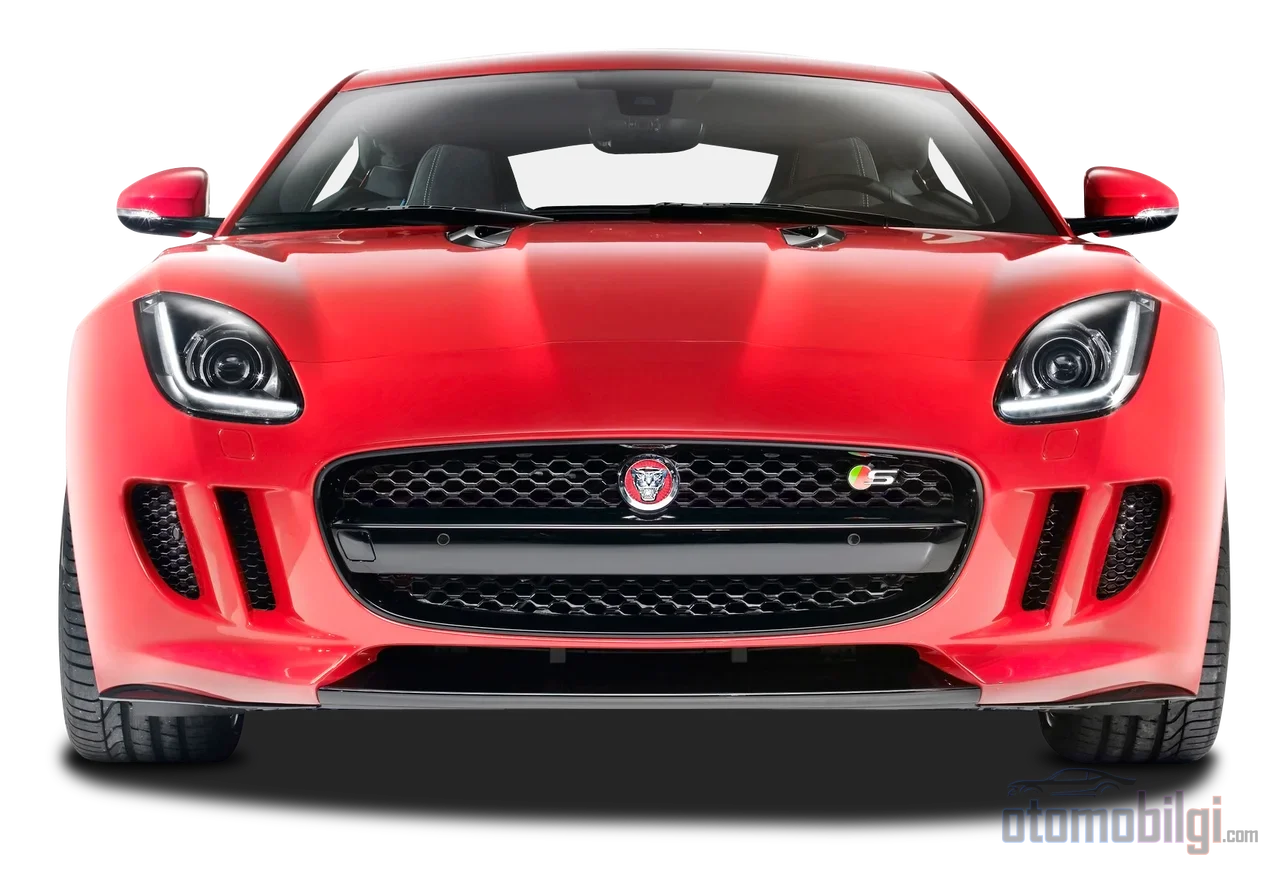
The front end of a car - headlights as eyes, the grille as a mouth, and the area below the grille as a nose region - is automatically read by our brain as a human face; and designers deliberately use this psychological effect to create a friendly or aggressive character. So that 'smiling' compact or 'angry' sports car you see is no accident, but the result of calculated design.
Highlights
- The brain processes car front faces in a human-face-like way within roughly 100-300 milliseconds
- Cars with smiling grilles are perceived significantly more positively than those with angry grilles
- The likelihood of buying a positive-faced vehicle rises to 58.2% for gasoline cars versus 63.5%
- In electric vehicles, the disappearance of the grille can weaken the readability of the facial expression
- Volkswagen design management argues that aggressive front ends have gone too far
Why Does the Brain See a Face in Every Car?
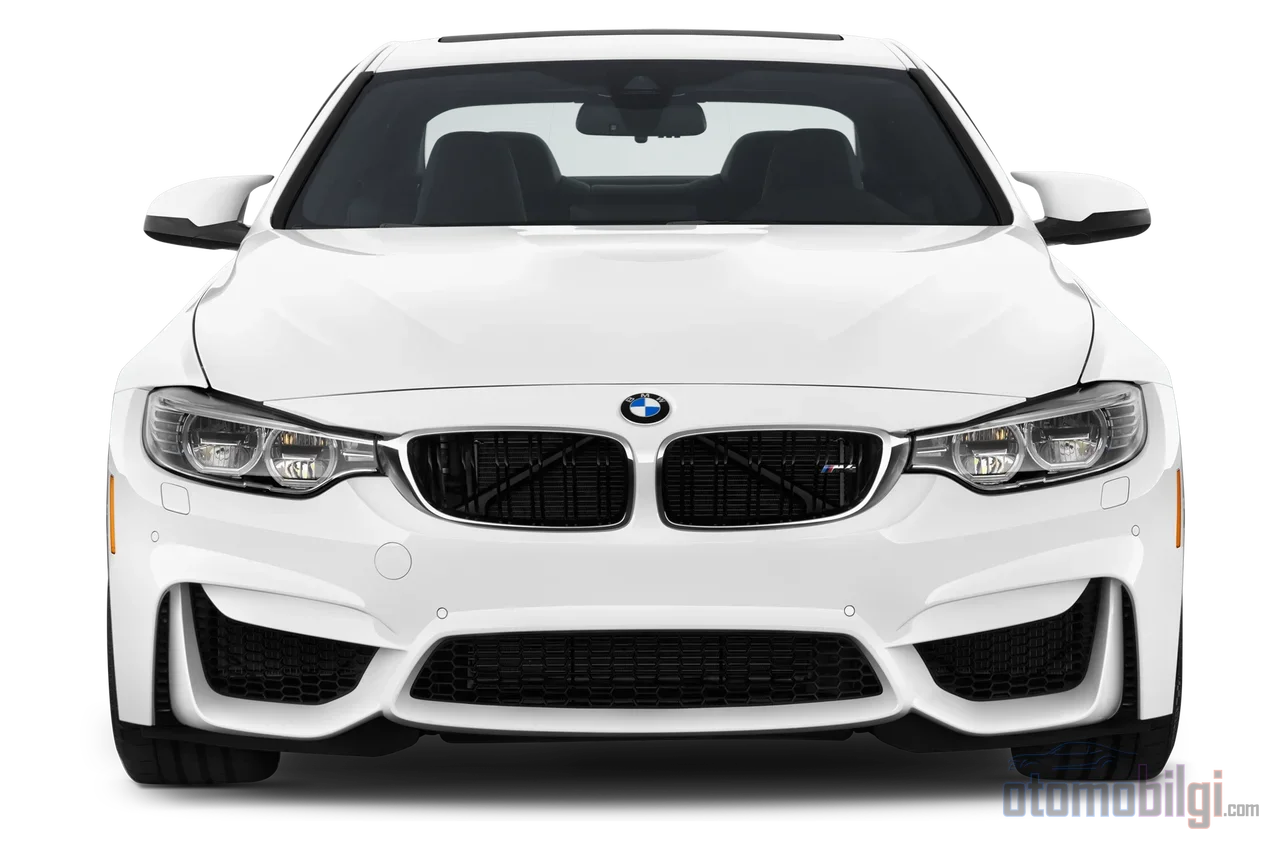
Just think about it: two round headlights, a logo in the middle, and a wide grille below. Eyes, nose, mouth. It is no coincidence that the brain sounds the alarm 'stop, that's a face!' when it sees this arrangement; this phenomenon is called pareidolia. In other words, our brain applies the same mechanism to cars that makes us see a chicken face in clouds or a face in electrical outlets. When two headlights are lined up side by side, they resemble eye placement so closely, and the wide opening below the mouth position so much, that our brain decides 'face' without argument.
Right behind this comes a second concept: anthropomorphism. If we attribute human characteristics to non-human objects, then calling a car 'grumpy', 'friendly' or 'absent-minded' is completely natural. Cars are actually not faces; but once our brain lays down the template, it does not know how to back off. It sounds funny, doesn't it? But once you dig into it, this 'mistake' has become one of the most powerful tools of automotive design.
In fact, the origin of the phenomenon lies more in physics and technological necessity than psychology: placing the headlights on the sides widens visibility, and putting the grille low in the center cools the engine. The face-like resemblance was born as a by-product of this practical layout; then designers realized what a powerful communication tool it was and turned it into a conscious language.
What Science Says: Are Car Faces Really Processed as Faces in the Brain?
Yes, and the findings are even more striking than you might think. The brain's face-processing region, the fusiform face area (FFA), predicts how much a person anthropomorphizes car front ends; that is, in people prone to attributing faces to cars, this region really does become active. Eye-movement studies point in the same direction: our gaze scans the headlights as a facial feature.
A more recent brainwave (ERP) study measured the timing. Human and vehicle faces share partially similar neural mechanisms in stimulus-triggered processing within the 100-300 millisecond range; both trigger the N170, EPN, and P2 components. But there is a small nuance: car faces are first detected as objects (with the N100 wave at around 80-120 milliseconds) and then processed as faces. In other words, within a third of a second, our brain says 'this is a car, but also a face.'
So Is Emotion Really Being Read?
A 2015 study known by the nickname 'Fast & Furious' showed something very clear: people can perceive emotion in car front ends in a way similar to human faces. Cars with upturned, smiling grilles are found significantly more positive than those with downturned, frowning ones. Moreover, purchase intention is also affected by this; the likelihood of buying vehicles showing positive expressions is 63.5% versus 58.2% for gasoline cars and 46.0% versus 43.7% for electric ones.
But this is also where the limits of the phenomenon emerge. In the same study, it was found that emotions perceived from car faces did not significantly affect drivers' speed judgments. In other words, there is no evidence that you drive more aggressively behind an angry-looking car. Our eyes read the face; our foot makes its own decision on the pedal. Also, in the brain wave study, the LPP component, which is specific to human faces in long-term deep processing, was triggered only by real human faces. Car faces are not fully equivalent to human faces; a strong analogy, but not an exact copy.
Are Designers Building These Faces Deliberately?
We can say partly deliberate, partly instinctive. Designers are human too; they too see that the front end smiles or roars, and they shape this effect consciously or semi-consciously. The grille works like a 'mouth,' the logo takes on the role of a 'nose'; the arrangement, size, and angle of these elements determine whether the car looks aggressive or friendly. This is why family cars generally have smiling faces: we expect trust, comfort, and warmth from them.
As traffic intensifies, mainstream design shifting toward an angry look has long been a widely discussed observation. Sharp gazes, narrowed headlights, downturned grilles... But how much of this dose of aggression is healthy? What is interesting is that the same questioning is also coming from within the industry. Volkswagen group design director Andreas Mindt argues that aggressive design has been taken too far and that cars should look friendlier. So the question 'why do modern cars look so angry?' is on the agenda not only of curious readers but also of the designers themselves.
We should also not forget the emotional side of this topic. Former BMW group design chief Chris Bangle is known for his speeches arguing that car design is an art form in its own right; it is often reported that BMW's design aim is to build an emotional connection between the driver and the vehicle. Just imagine: if we form a bond with an object made of metal and plastic, the door to that bond passes through that 'face.' It's no empty talk that a headlight design can completely change a car's character; classic round headlights were the signature of the VW Beetle and the classic Mini for years, which is why even those two models are recognized by their gaze.
Why Are Car Faces Fading in the Electric Age?
Here's the most current part of the matter. Since the cooling needs of the motor differ in electric vehicles, the massive air grille is either removed entirely or closed off. Moreover, a smoother front face reduces aerodynamic drag; in other words, a closed mouth gains range. That's exactly what designers are doing. But while gaining range, we lose something: the 'mouth'.
The most striking finding of the brainwave study is precisely this: the emotional expressions of gasoline vehicle faces are perceived more efficiently than those of electric vehicle faces; the P2 and EPN waves come out larger. The shrunken 'eyes' (headlights) and blunted 'mouth' (grille) of electric vehicles can weaken sensory perception. In other words, the faces of the electric era are becoming both softer and less expressive. In my view, this is an issue that will sit at the center of design debates in the coming years.
Narrowing Eyes: Split Headlight Design
The increasingly slimming headlights are also changing the facial language. Slim and sharp LED daytime running lights now create a new 'gaze'; traditional single-piece headlights are giving way to split lighting designs. This means the expression given to the face is also changing: a sharper, more distant, sometimes more 'robotic' gaze. Illuminated logo applications have also been added to this visual language; the emblem glowing at night symbolizes the vehicle's technological core and is read at a single glance together with the headlight design. The result? Front faces now carry a hybrid expression that is both humanlike and somewhat unsettling.
Autonomous Vehicles and the Moral Question: How Far Should We Go in Giving Cars a Face?
This topic also has a future. Autonomous vehicle designers are deliberately using anthropomorphism with human face and eye representations to easily communicate the vehicle's intent to users. The 2014 finding by Waytz and his team from the University of Toronto is striking: attributing a humanlike mind to a vehicle increases the trust placed in the autonomous car. A 2025 'ghost driver' field study also tests this idea on real roads. It has even been suggested that dynamic face designs could be used to communicate to pedestrians what the vehicle is going to do. So one day we may encounter an autonomous car 'winking' at you as you cross the street; this is no joke, it's a serious research topic.
But we need to stop here and ask: Could such a powerful tool be misused? Aggressive faces can increase consumer appeal; studies show that new-generation consumers prefer wide-ratio, i.e. 'muscular', front faces, and that the aggressive expression is particularly accepted in luxury brands. On the other hand, what does deliberately giving your front face an angry expression add to the tension in traffic? This moral debate has not yet been settled with a clear answer; concerns about overdose are voiced in the industry, but we have no definitive evidence on whether aggressive design directly encourages road behavior. The limit you need to know is this: emotion perception exists, but its effect on behavior has not yet been proven.
Conclusion: Take a Good Look at the Next Car That Crosses Your Path
Now you know: that car "staring" at you while you wait at the intersection actually carries a face meticulously designed to target your brain, which is programmed to detect faces. Headlights as eyes, grille as mouth, logo as nose; all part of a character story. The electric era is rewriting this story, while the autonomous era is assigning real tasks to the face. In my view, the most enjoyable part is this: the next time you smile at a parked car looking "angry" or "happy," you are actually playing with yourself; because the face is not in the metal, but in your brain. So what is your car's facial expression? Let's see if you can notice it?
Sources
- Neural Processing Differences of Facial Emotions Between Human and Vehicles (Frontiers in Psychology, 2022)
- Is This Car Looking at You? How Anthropomorphism Predicts Fusiform Face Area Activation (PMC, 2014)
- Fast & Furious: Do emotions on car faces affect judgments of speeding?
- Anthropomorphism increases trust in an autonomous vehicle (Waytz et al., 2014)
- On face value: a ghost driver field study (Ergonomics, 2025)
- Anthropomorphism Puts a Friendly Face on Autonomous Cars (Next Nature, 2018)
- Volkswagen Design Boss Says Cars Should Look Friendlier (Motor1)
- Why have cars become so aggressive? (Car Design News)
- Chris Bangle | Speaker (TED)
- The Change in the Automobile's Face: Traditional Headlights Giving Way to Split Lighting Design (Techolay)
- Headlight Design: The Face of an Automobile (ArabaTahmin)
- Automobile design proven to be equivalent to the most basic human emotions (Volvo Cars Türkiye press release)
- Why Do Automobile Designs Show So Much Similarity? (Webtekno)
- Why Cars Are Designed With Faces: The Psychology of Grin, Snarl and Stare (YourStory, 2025)
- Why you see a face on the front of every car (Whipjury, 2026)