Can You Read a Car's Brand from Its Light Signature?
Share This Page
Yes, they're recognized! Even without looking at the logo, anyone who sees Volvo's Y-shaped hammer headlights, BMW's angel eyes, or Porsche's four-point daytime running lights will instantly name the brand. Lights are no longer designed just to illuminate the road - they've become the brand's glowing nighttime signature, a powerful identity tool just like the grille and body lines. So how did this all begin? Let's dive into this story of light that stretches from the daytime running light to the taillight.
Highlights
- In 2004, Audi, with the A8 W12, put the first LED daytime running lights with five LEDs per headlight on the road.
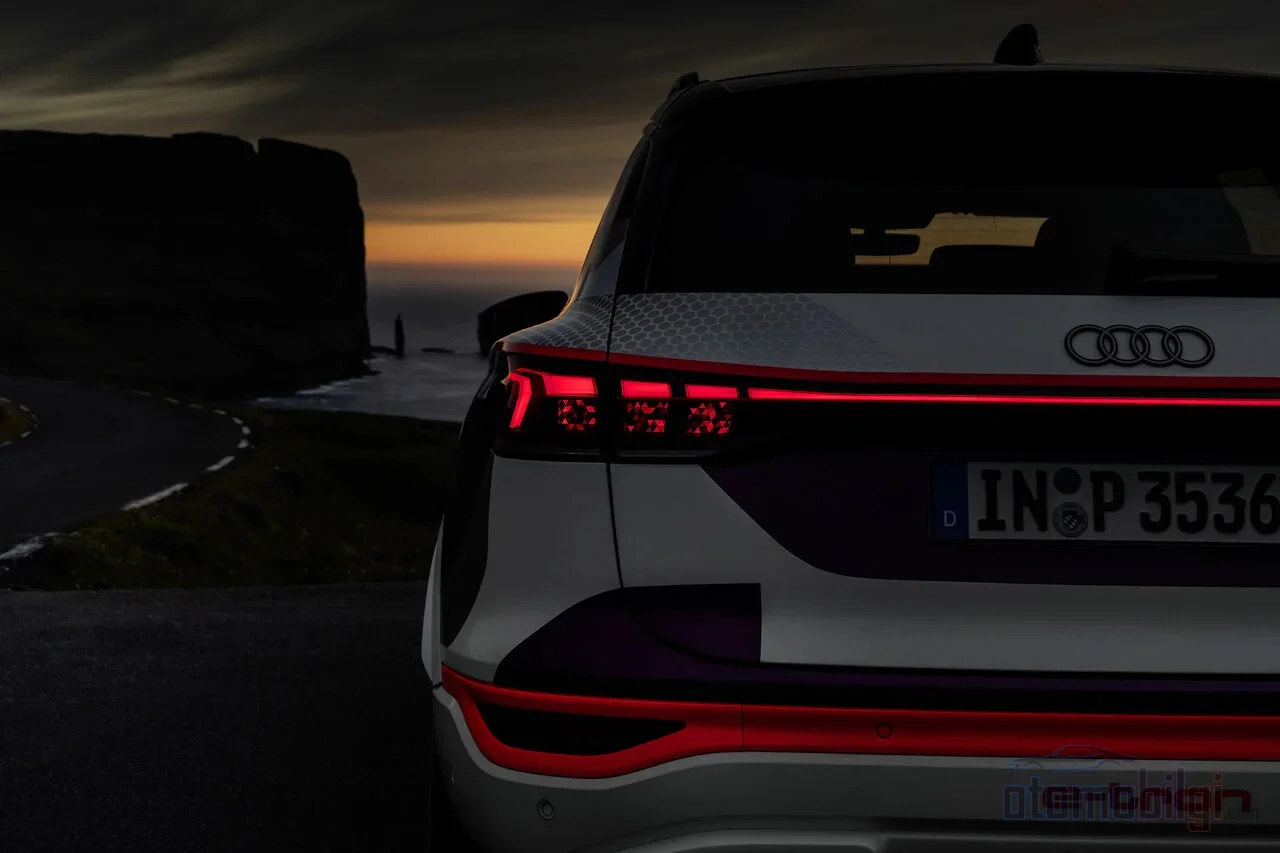
- The Audi Q6 e-tron's taillights feature a total of 360 segments; the number of segments per panel went from 6 to 60.
- Mercedes' Digital Light system carries 1.3 million micro-mirrors per headlight.
- Porsche's new HD-Matrix headlights feature 16,384 LEDs per headlight.
- DRLs reduce daytime multi-vehicle crashes by roughly 5-12% .
What Is a Light Signature, and Why Did It Become So Important?
A light signature refers to the characteristic lighting pattern of a vehicle's headlights and taillights. Think about it: in the past, you'd recognize a brand by looking at the grille, the emblem, or the body lines. Now you can glance at just the taillight of a car approaching you in your mirror at night and say, "Ah, that's that brand!" This is a huge shift in the design world.
What made this possible is LED technology. LEDs are flexible: you can draw any pattern, any shape you want. Hyundai Motor Group says that daytime running lights (DRLs) have now become "the fundamental design elements that define a vehicle's impression," even transforming into a device that symbolizes a brand or model. In other words, light works like a second logo.
But first, let's clarify a small technical distinction, because it's often confused: the DRL, or daytime running light, exists to make the vehicle visible to other road users during the day - it doesn't illuminate the road. The actual headlights let you see the road at night. DRLs also do serious work for safety: they are estimated to reduce daytime multi-vehicle crashes by roughly 5-12%. So it both works and looks stylish. Two birds with one stone!
Audi: The Brand That Started the LED Revolution
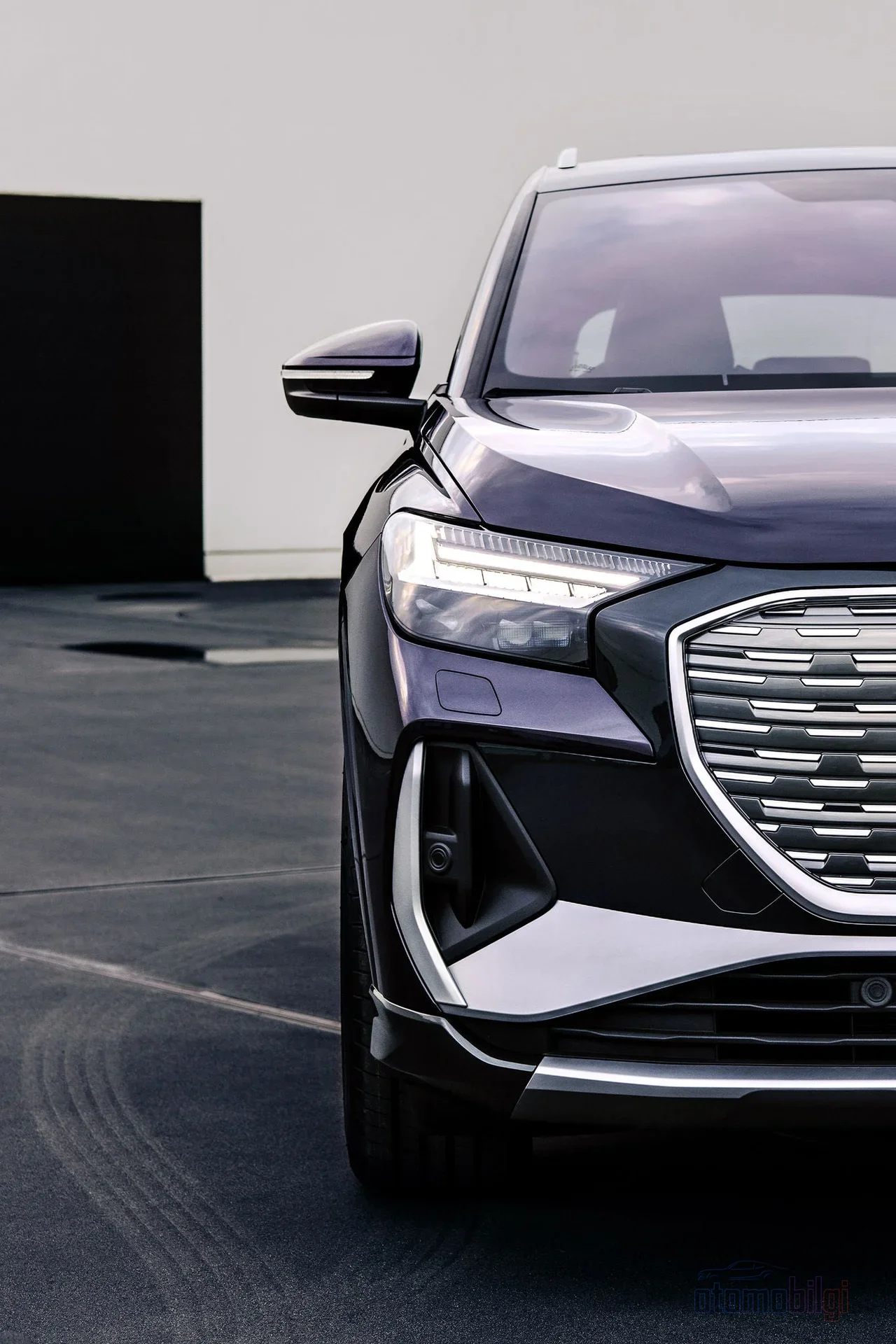
The hero of this story is undoubtedly Audi. In 2004, with the A8 W12, it put the first LED daytime running lights with five LEDs per headlight on the road and transformed the industry from top to bottom. Afterwards, the R8 and the stunning designs of the A4 turned the DRL into a style icon. Everyone now recognized Audi's sharp headlight line.
Of course, Audi didn't stop there. Matrix LED headlights can produce millions of light distributions: when the camera detects other vehicles, it partially dims or switches off individual LEDs so you don't dazzle the oncoming driver. Laser Light, meanwhile, extends the high beam range up to 600 meters; it kicks in above 70 km/h and converts the 450 nm blue laser into 5,500 Kelvin white light. Like a scene from science fiction, right?
Digital OLED and Selectable Signatures
The real bomb exploded at the rear. Audi has been, since 2020, the first manufacturer to offer digital OLED taillights with the Q5; the 2022 A8 had three, S8 had four different rear light signature options. On the Q6 e-tron, the number of segments per panel jumped from 6 to 60: 6 panels in total, 360 segments. At the front there is a new technology with 25,600 micro-LEDs - each module is 13 mm in size and each of the LEDs inside is about 40 micrometers, that is, half the thickness of a human hair!
Even better: on the Q6 e-tron, up to eight digital light signatures can be selected from the MMI screen or the myAudi app, and new ones can even be added after the vehicle has been purchased. The facelifted 2024 A3 also offers personalization with four different lighting patterns. Think of the headlight as a software feature - just like changing your phone's wallpaper!
We want to capture people's hearts with light.
BMW's Angel Eyes: The Rise and Farewell of a Legend
BMW introduced its "angel eyes" design in the late 1990s with the 5 Series (E39) . Back then you couldn't find a similar design in any other brand; the rings quickly caught the attention of motorsport enthusiasts. In the 2000s, this rings turned into daytime running lights with LED technology, and from 2014 onwards, laser headlights took the stage.
But not every signature story has a happy ending. BMW is gradually phasing out the angel eyes, and this saddens its fan base. Many people in the forums say "it was a distinguishing feature." In my opinion, this is proof of the power of light signatures: if a design element is so embraced, it is no longer just a headlight, but the face of the brand. There is no official statement, but the fans' sense of loss is real.
Volvo's Thor's Hammer and Porsche's Four Dots
Scandinavians add mythology to this business: In 2015, Volvo introduced the Thor's Hammer headlights with the XC90 . It is a Y-shaped design with the narrow end facing the center; it takes its name from the hammer of Thor, the god of Scandinavian mythology, and reflects the simple spirit of Scandinavian design. Today it stands as the signature of every modern Volvo. So much so that, according to one commentator, this headlight has become Volvo's "new kidney grille" - that is, the brand's most distinctive element.
The interesting part is the legal dimension: Volvo is trying to protect Thor's Hammer with non-traditional trademark registrations. Registering a headlight pattern as a trademark is not easy, but the design's contribution to brand recognition is considered so great that it is deemed worth trying.
Porsche, on the other hand, demonstrates the power of simplicity: the four-dot LED daytime running light design has been in use for more than 15 years and first appeared in 2009 on the Panamera Turbo. Porsche's own magazine describes these four dots as "little high-tech gems." The new HD-Matrix LED headlights, when activated at night, display the signature four-dot graphic; each headlight has 16,384 LEDs and the new system is twice as bright as the existing ones. Four small dots have been an uninterrupted signature for fifteen years - the power of consistency!
Mercedes Digital Light: A Projector Hidden Inside the Headlight
Mercedes-Benz's Digital Light system is one of the wildest technologies in this field. Each headlamp contains 1.3 million micro-mirrors which together produce a total of 2.6 million pixels, delivering nearly glare-free, high-definition high beams. In short, the headlamp is one big projector.
What can this projector do? In the EQS SUV, Digital Light visually extends the driver assistance systems by projecting them onto the road; meaning it can draw navigation instructions onto the asphalt. Mercedes has also showcased functions such as spotlighting pedestrians and projecting lane markings onto the road. Night driving becomes like a written conversation on the road.
Comparison of Brands' Light Signatures
| Thor's Hammer | Signature | Notable Detail |
|---|---|---|
| Audi | LED lines and selectable digital signatures | 25,600 micro-LEDs in the Q6 e-tron; up to eight selectable light signatures |
| BMW | Angel eyes | Introduced with the E39 in the late 1990s, now being phased out |
| Volvo | Thor's Hammer | Came with the 2015 XC90; the company is trying to protect it as a trademark |
| Porsche | Four-point daytime running lights | Since the 2009 Panamera Turbo; 16,384 LEDs per headlamp in the new HD-Matrix |
| Mercedes-Benz | Digital Light | 1.3 million micro-mirrors per headlamp; projection onto the road |
So What's the Situation with Models Sold in Türkiye?
This wave of light signatures has also hit the Turkish market hard. The DS N°8 carries vertical LED daytime running lights on the front bumper. The new Dacia Sandero had adopted a Y-shaped light signature front and rear - a design language distantly related to Volvo's. On the Hyundai front, the KONA offers a continuous LED strip at the rear, while the IONIQ 5's headlamp design, called Parametric Pixels, comes with a unique signature woven from square pixels. So whether a brand is premium or economy, light is now part of its identity.
Is Everything This Rosy? Criticisms and Limitations
Let's be honest: light signatures are not a magic solution. Some reviews emphasize that there are models whose rear design is generic - even if the nighttime light signature is successful, it may not be as convincing as the front design. In other words, light does not give every brand distinctiveness; adding light reinforcement to a weak design is not a cure either. A vehicle's recognition is associated with both body shape and light; a signature alone is not enough.
The second limitation is regulation. Audi ties the ability of OLEDs to turn into automatically variable warning signatures while driving to legislation keeping up - meaning the technology is ready but the rules have not caught up yet. And on the legal side, protecting a light pattern as a trademark (as in Volvo's case) is still a contentious area. Thirdly, signatures carry an emotional risk: BMW's departure from angel eyes showed just how attached fans can become. Building a signature is easy, taking it back is hard!
A Conclusion on the Night Road
From Audi's bold step in 2004 to today, the light signature has become one of the most dynamic areas of car design. Brands can now load applications onto their headlights, customize the taillights, and even add a signature after the sale. Audi's next dream is three-dimensional lighting design with flexible digital OLED panels. Next time a car's headlights appear in your mirror on the road at night, try this: can you recognize it without looking at the logo? I mean, you will.
Sources
- Lighting - Audi Technology Lexicon
- LED daytime running lights - Audi Technology Portal
- Light as a means of communication - Audi Middle East
- Daytime Running Lights: A Complete Overview - NAOEVO
- The four-point principle - Porsche Newsroom
- The Story Behind BMW Iconic Angel Eyes Headlights
- Thor's Hammer headlights - Tom Wood Volvo Cars
- What the Volvo case reveals about light signatures - Knijff
- Mercedes Digital Light - Grupo Concesur
- Assistance functions of DIGITAL LIGHT - MBUSA EQS SUV manual
- Vehicle Headlight Technologies 2026 - SıfırAraçBul
- DS N°8 in Türkiye - DS Automobiles Türkiye
- KONA Design - Hyundai Türkiye
- IONIQ 5 Design - Hyundai Türkiye
- Daytime running lamp - Wikipedia