How Did SUVs Change Car Design So Much?
Share This Page
Over the past twenty years, car proportions have completely changed: hoods have lengthened, grilles have grown, beltlines have risen, glass areas have shrunk, and the classic three-box silhouette of sedans has given way to tall and upright SUVs. This transformation is not just a body-style preference; it has rewritten the design language, the signature elements of brands, and even what electric vehicles will look like.
Highlights
- BMW's kidney grille dates back to the BMW 303 of 1933; for nearly a century it has been the brand's signature.
- SUVs reached a 62.8% market share in Türkiye in the first quarter of 2026.
- Between January and September 2026, the Togg T10X topped C-SUV sales with 22,020 units.
- Lexus transformed its grille signature, after a decade, into a design concept that encompasses the entire body.
From the Sedan Era to the SUV Era: How Have Proportions Changed?
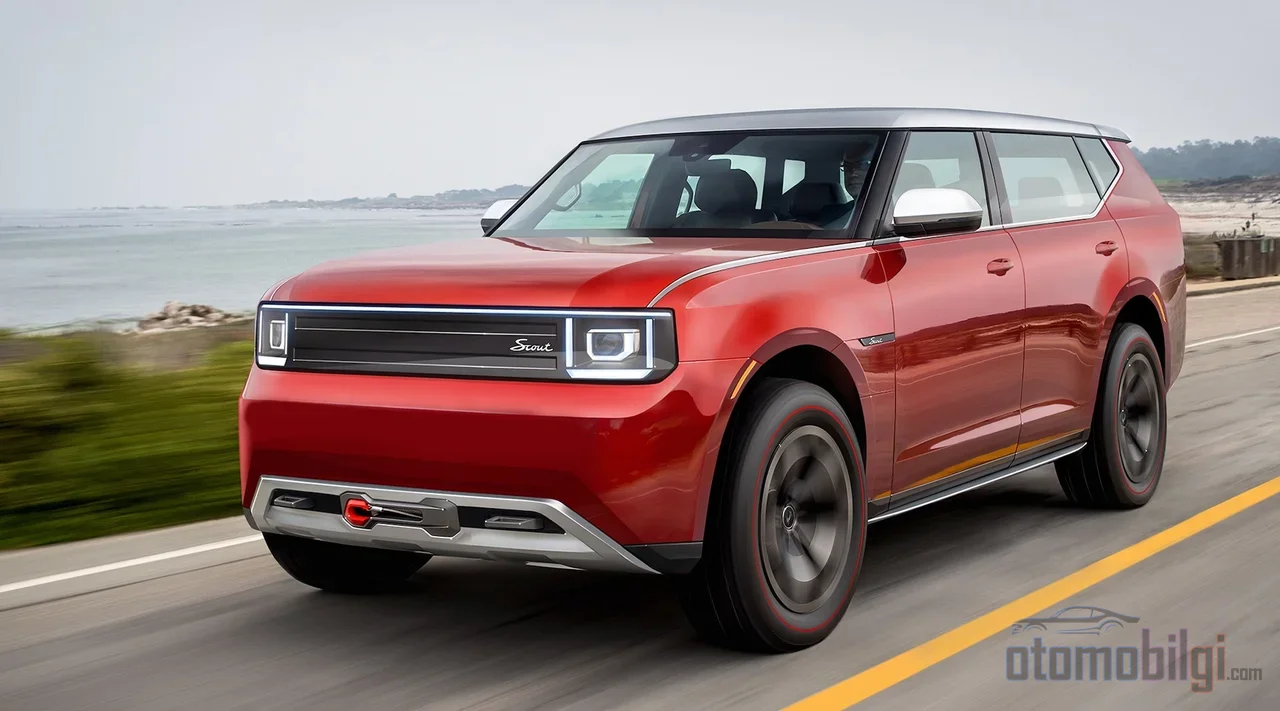
The sedan formula was simple: three boxes. Hood at the front, cabin in the middle, trunk at the rear. In other words, a long and low body, generous glass areas, and a flat roofline facing the sky. In the early 2000s, soft, rounded bodies, chrome details, and modest grilles still dominated. Today the picture is entirely different: hoods have lengthened, cars sit higher, cabins have become upright, and rear sections convey a sense of width and volume instead of aerodynamic finesse.
The reason for this change is more psychological than technical. Buyers want a high seating position; it offers a better view of the road and also gives a feeling of safety. Moreover, the SUV form naturally offers more interior space. As grilles have grown and become more complex, wheel arches - even on cars that will never actually venture onto a forest road - have started to be emphasized with black plastic cladding. Analyses showing that vehicles' length, wheelbase, and especially width have systematically increased in recent years confirm that this visual change is a measurable reality.
The beltline is one of the quiet heroes of this transformation. This line, forming the lower edge of the windows, was low and graceful on sedans; today it rises a little more with every new generation. The result? The cabin window shrinks, and the car's side profile looks more muscular, but when you sit inside, it feels like a fortress looking outward. Stylish? Debatable. But you now know why the vehicles you see on the roads always give the same feeling, whether you realize it or not.
If the Grille Is a Brand's Signature, What Happens in the Electric Era?
For a long time, grilles were simply a perforated plate through which the radiator breathed. Then brands turned it into an identity card. BMW's kidney grille appeared in 1933 with the BMW 303 and has provided recognizability on almost every model for about 90 years. Lexus's spindle grille was the defining style of every new model for a decade, and then evolved into a spindle body concept that encompasses the entire body. Nissan's V-motion grille is also a registered signature. These are called corporate grilles: the shape of the grille, its proportions and the airflow openings reveal the brand's language at a single glance.
So what happens to this signature if electric vehicles have no radiator? Things get interesting. In EVs, closed or grille-less designs and flat, low-drag forms are becoming the standard. Brands are turning the grille from a real function into a graphic surface; some shut the grille completely to signal that the car is electric, while others reinterpret the old signature with lighting. The BMW Vision Neue Klasse concept and the new i3 do exactly that: they translate the kidney grille and headlights into a new language. Also, as LED daytime running lights became standardized, lighting signatures came into play - boomerang shapes, split headlights, full-width rear light bars. Now you can recognize a car in the dark by its headlights alone. I think this is the natural successor to the age of the grille.
Coupe-SUV Hybrids: Sporty Silhouette or Sameness?
Within the SUV wave, a second wave emerged: coupe-SUVs. Offering a fastback-like silhouette with a roofline that slopes rearward from the B-pillar, these models try to combine the SUV's high stance with the dramatic rear of a sports car. The result can be eye-catching, but there is a problem: their side profiles are almost copies of one another. Put side photos of the Audi E-Tron Sportback, BMW X4, Mercedes GLE Coupe, Porsche Cayenne GTS Coupe, Ford Mustang Mach-E and Tesla Model Y next to each other - it becomes seriously hard to guess.
The reason is no mystery: designers trained in similar design schools work with similar packaging parameters (powertrain, passenger volume, segment) and arrive at similar solutions. According to some critics, cars have become uniformly aggressive; fake grilles and fake exhausts turned the car into its own caricature. On the other hand, we should not overlook the value of unconventional designs - in a market that always sells the same formula, courage is a scarce commodity.
What is interesting is that the market is moving in two opposite directions at the same time. On one side, the Polestar 4 tries to transform the segment by targeting the coupe-SUV's classic shortcomings - a cramped rear passenger area and limited rear visibility. On the other side, the Jeep Compass, defying rivals chasing coupe-like profiles, is returning to its upright and practical body form; as if saying that this is what is consistent with the brand's identity. Which side are you on: a sloping roof, or an upright survival form?
Where Is Electrification Dragging Design?
Electric vehicles have given designers a freedom that never existed before: no large engine block, no radiator grille and no exhaust pipe pressure. The result is teardrop aerodynamic shapes, door handles flush with the body, and active grille shutters that reduce the drag coefficient. In an era where aerodynamics is part of the style, even efficiency can look sporty - SUV concepts that can reach a Cd value of 0.19 are proof of that. Of course, not everyone is this optimistic; at one point, chief designers predicted that the pressure of aerodynamics and carbon emissions would single-handedly determine exterior design and squeeze the designer inward.
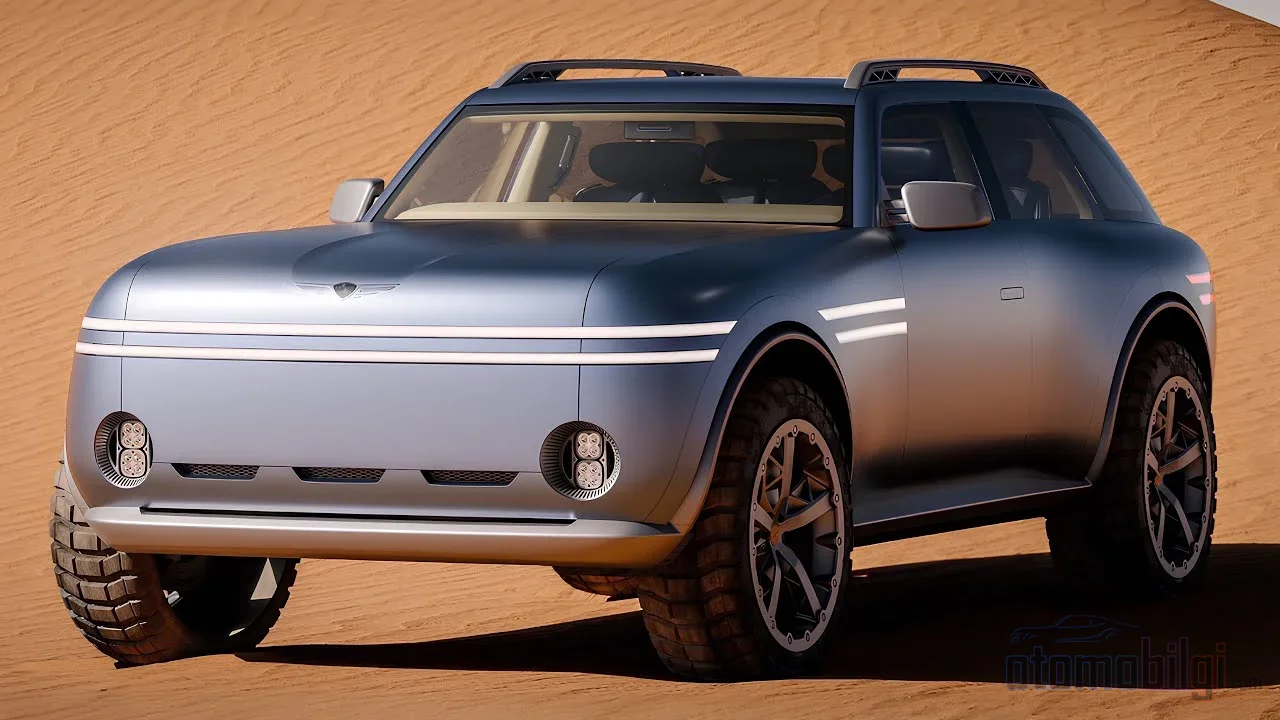
The concepts of 2026 are living examples of this tension. Hyundai's Boulder Concept, with its boxy silhouette and Art of Steel language, heralds the brand's first body-on-frame vehicle; in the patented version, the mostly closed grille betrays its electric identity. Ferrari, on the other hand, places the new design opportunities opened up by electrification - closed grilles, teardrop-shaped aerodynamics - at the center of its official materials. The brands' common formula is clear: balancing heritage references with bold, new elements. Renewing without discarding the old signature - like dentistry, but far more expensive.
The SUV Reality in the Turkish Market
The footprint of this global aesthetic wave in Türkiye can be seen in sales figures. In the first quarter of 2026, SUVs accounted for 62.8% of the market with 132,380 units sold - meaning more than two out of every three cars sold in the country is an SUV. Even in January, the share was 60.3%. Although the overall market declined by 12.1% year-on-year in the first seven months of 2026, the SUV segment managed to remain firmly at the top.
| Rank | Best-Selling SUVs in September 2026 |
|---|---|
| 1 | Togg T10X |
| 2 | Renault Boreal |
| 3 | Renault Duster |
| 4 | Tesla Model Y |
| 5 | Kia Sportage |
In the January-September period, the Togg T10X ranked first in the C-SUV class with 22,020 units, followed by the Renault Duster with 19,774 units and the Toyota C-HR. In other words, the domestic electric SUV managed to overtake its classic rivals in its own segment - this may be the most concrete answer to the design debates. Meanwhile, on the Ford side, the Kuga has also secured a position favored by family buyers compared to the Focus and Puma, thanks to its wider body, higher seating position, and spacious interior.
SUV or Sedan? A Short Answer from a Design Perspective
As for the practical question: since sedans are lighter and more aerodynamic, they generally offer lower fuel consumption. SUVs, on the other hand, offer a higher seating position and the advantage of better visibility over obstacles. The hybrid types called crossovers stand in between the two: they combine SUV looks with a car-based unibody structure. So the choice is more a matter of lifestyle and perception than performance - and design's changing proportions are fed precisely by this.
We would not be surprised if we see light signatures replacing grilles in the coming years, the coupe-SUV debate settling in favor of efficiency, and boxy, honest forms making a comeback. The faces of cars are changing; but that first glance at which we recognize a brand will remain, in any case. Which design signature do you think will define the next decade?
Sources
- How Car Designs Have Evolved Over the Last 20 Years
- Car Body Styles Explained - Car and Driver
- Coupe SUV - Wikipedia
- Yes, but WHY do today's automobiles look so similar? - Indie Auto
- 10 Years of Lexus Design: From Spindle Grille to Spindle Body
- Trademark: Brand Identity in Automotive Design - chapter.digital
- The BMW Kidney Grille Through Time 1933-2025 - BimmerLife
- This is How the Corporate Grille Took Over - Autoblog
- Why The Jeep Compass Represents A Shift Back To... - Motor1
- Transforming the SUV coupé - Polestar
- Ferrari Luce (official PDF)
- Hyundai Boulder Concept - Hyundai Motor Group
- Applus IDIADA SUV concept Cx 0.19
- Systematic Analysis of Changing Vehicle Exterior Dimensions - ResearchGate
- Design history of the car - Design Society
- Modern SUV Design and Shrinking Sightlines - How Far We Go
- Top 20 best-selling cars of Q1 2026 - otomobil.com.tr
- Türkiye car market January 2026 - Yeni Şafak
- Best-Selling C-SUV Models in Türkiye 2026 - vidyoto
- Best-Selling SUV Models in September 2026 - arabam.com
- SUV vs Sedan - Koluman Monde
- Features of SUV Cars - Allianz Sigorta
- What Is a Crossover Car - Kia Türkiye