What Are the Black-and-White Patterns on Prototypes For?
Share This Page
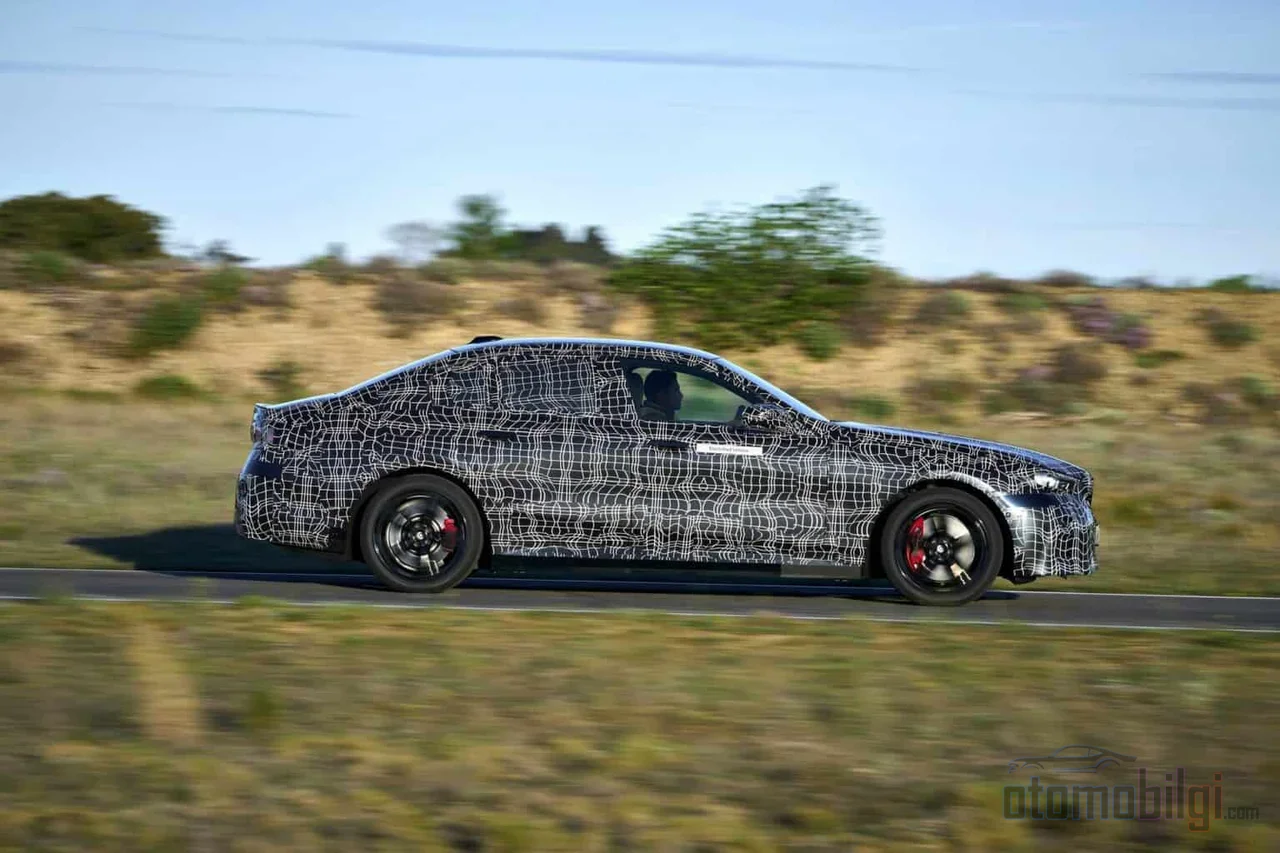
The black-and-white patterns on new cars are not applied to hide the vehicle itself; they are applied to conceal the details the brand most wants to protect, such as panel lines, character lines, and design details, from competitors and cameras. High-contrast patterns confuse the eye, make it harder for cameras to capture clear images while the vehicle is in motion, and render the prototype's lines unreadable.
Highlights
- The development of a new car typically takes 3-5 years ; an early design leak reduces the impact of the launch.
- The roots of the camouflage idea go back to dazzle ship painting from World War I.
- Jim Dunne, regarded as the father of automotive spy photography, 1931-2019 lived between the years
- Camouflage is not just vinyl wrap: fake headlights, bulky bumpers, and completely fake body panels are also in play.
That strange "zebra-patterned" vehicle you see on the road is neither a damn painting show nor a mysterious tuning project. It is a car that has not yet been launched; in other words, a prototype. And the pattern on it is the front line of one of the industry's oldest wars: the cat-and-mouse game between brands and spy photographers. Come on, let's unravel this mysterious black-and-white world together, because the subject is actually far more fun than you think.
Is it hiding the car, or the trick? The real task of camouflage
Most people, when they see these patterns, say "oh, they are hiding the entire car." But the interesting thing is, that is not exactly it. Invisibility is already impossible: missing a 3,000-kilogram car on the road is like missing a hare. The real purpose is not to hide the car but to prevent the design from being understood.
Think of it this way: Imagine a friend of yours wearing a mask that looks nothing like their face. You cannot recognize the face, but you still see their height, walk, and demeanor. Car camouflage works exactly like this. The silhouette stays in place; but the character lines disappear, whether the fenders are sharp or round becomes blurred, and the true shape of the headlights becomes unknowable. A rival brand can glean a lot from these details: style trends, the aerodynamic approach, even product strategy. If a design detail leaks early, the competitor is prepared and the launch's "striking" effect fades.
The science that confuses the eye: optical illusion
So why always black-and-white and curvy patterns? The answer is simple: high contrast. The eye struggles to distinguish lines and curves in the harsh transitions between two extreme tones. The pattern mixes up panel gaps, door lines, and roof slope; from just a few meters away, even the silhouette becomes uninterpretable. The art-world name for this technique is trompe-l'œil, meaning "deceiving the eye."
The same game is played against cameras, too. Focusing on a moving prototype is already difficult; moreover, a patterned surface blurs the photo's details and deliberately fools focusing systems. BMW stands out as an early pioneer of the curvy black-and-white look; today's swirling patterns you see can be considered descendants of it. Although this style of swirl patterns is referred to in some circles with a reference to Goethe's famous poem, it is not entirely clear in the industry which name came from where; the common point is this: they are all designed to confuse the eye, distort proportions, and hide important details from cameras.
One more interesting note: the roots of this go back much further than the automobile, to the sea. In World War I, British ships were painted with striking patterns known as dazzle camouflage to make it difficult for enemy observers to estimate their range and speed. The same logic is roaming the Nürburgring and Death Valley today, a century later.
Doesn't the foil lie? Fake panels and constantly changing prototypes
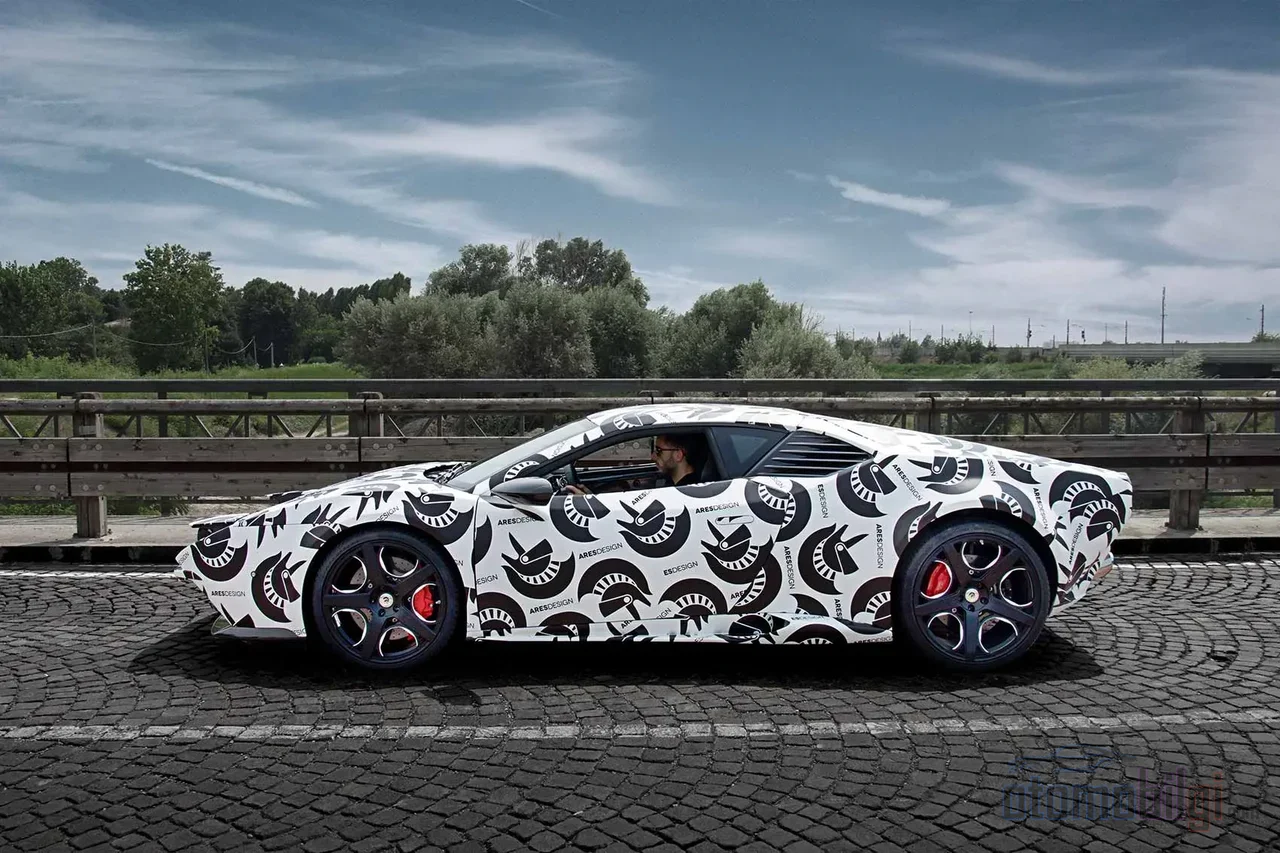
When you say camouflage, vinyl foil comes to mind, I know. But the real scene is far more cunning. Prototypes roam not only with patterned foil but also with temporary headlights, unintentionally enlarged bumpers, fake grilles, extra plastic coverings, and even completely fake body panels. Some manufacturers even fit parts that will never make it to production in order to lead enthusiasts and rivals astray. So that giant grille you see in the photo may never appear in any showroom next year.
There is also the reality of the prototype's life: during the testing process, cooling ducts, bumpers, suspension, and aerodynamic parts are constantly revised. A prototype caught in January can look completely different in June. That is why "judging definitively based on a spy photo" is a very risky game. Moreover, no matter how cunning the fake body is, it has a limit: sooner or later, the real product must be tested in real conditions. And at that very moment, exactly that moment, photographers prick up their ears.
Even the foil material is not a simple matter. Some manufacturers use vinyl applications that make it difficult for cameras to focus; others turn to lightweight polyester materials that provide the heat resistance required by testing. So that testing can also be done in extreme heat regions like Dubai, both the pattern and durability of the covering are specially chosen. In other words, the pattern is not "aesthetic," but a piece of equipment combining engineering and psychology.
The cat-and-mouse game: the golden age of spy photographers
Now let's move on to the other player of the scene: spy photographers. Behind every "new model caught!" photo you see today on a forum or news site, there is a serious profession. Jim Dunne, regarded as the father of automotive spy photography, practically invented the craft single-handedly, predicting where future prototypes would appear and lying in wait. This "development vehicle hunting" is still valid today: names like Brenda Priddy have been photographing thousands of prototypes for over twenty years and track vehicles in Death Valley during the summer months, because hot and remote routes are manufacturers' favorite secret testing grounds.
The period known as the golden age was the 1990s: tip-off phone calls, car chases, insider information leaks... Spy photos even revitalized the sales of the era's car magazines. And of course this battle passes through Türkiye as well; "spy photo" headlines are regularly published in the Turkish automotive press, while forums discuss the manufacturers' war against paparazzi and prototype hunters. Today, since every phone is a camera, professionals also compete with amateur but instant and fast rivals.
| Player | Role | Signature |
|---|---|---|
| Brands | Protects the prototype with patterned foil and fake parts | High-contrast black-and-white patterns |
| Professional spy photographers | Hunt prototypes on secret test routes, sell photos to publications | Long stakeouts, teletype-style tip-off network |
| Amateur phone cameras | Instantly shares any oddity encountered in a parking lot, on the road, or at a discount | Speed, but low quality |
Is camouflage a marketing weapon?
Here is where the sweet irony of the business begins: while the brand tries to hide its vehicle, that crazy pattern on it makes the vehicle even more visible. As the camouflaged prototype roams the road, speculation grows, forum threads open, influencers shoot videos, and anticipation before the launch rises fiercely. In other words, camouflage is also a tool for controlling the narrative; it shapes what people will talk about and what they look at with curiosity.
Some brands openly turn this into an art. The camouflage of the Kia Tasman pickup is described even in the group's official story as "adding art to the pattern"; the pattern was designed like a canvas to prevent design leaks during the development process. It is said that Audi's e-Tron camouflage was crafted almost to whisper its electric identity. The essence of modern camouflage is hidden in this sentence: catches the eye but tells nothing.
Is it possible to read the design language from the pattern?
Now I invite you to a little game. When a camouflaged prototype passes by, what do you see? The answer is not really "nothing"; just "something encrypted". The pattern conceals fine details, but some general clues can still be read: the vehicle's approximate dimensions, the general slope suggesting whether the roofline is a coupe or an SUV, the sense of proportion given by the wheelbase. In other words, camouflage does not let you read the full text of the design language, but it does let you read between the lines.
That is why a good observer can draw conclusions about a brand's design philosophy even from a camouflaged photo. Looking at how light breaks across the body, the fullness of the fenders, and how the roofline slopes toward the rear can reveal the signatures of a design language. Of course, this sometimes falls victim to cleverness; fake panels exist precisely to disrupt this reading. But that is exactly where the magic lies: when you see a prototype, both laughing and saying "what on earth is that?" and wondering "is that curve real?" is the sweetest form of car passion.
Final word: let the mystery never end
Black-and-white patterns are the most elegant contradiction of the automotive world: a language that reveals while trying to hide, and conceals while showing. This story, stretching from World War I ships to today's electric prototypes, contains history, engineering, and a bit of the art of steering. The next time you see a zebra car on the road, pause for a second before pulling out your phone to take a photo and ask yourself: what is really being hidden in this pattern? The only person who knows the answer may be the secret test driver behind the wheel at that moment. Which brand's prototype do you think first sparks the urge to say "wow"? In my opinion, that is the moment when camouflage truly wins.
Sources
- Why Prototype Cars Wear Camouflage Before They're Revealed
- The art of car disguise: prototype camouflage decoded
- The Kia Tasman: Adding Art to Camouflage
- Jim Dunne, the father of automotive spy photography 1931-2019
- The golden age of tip-offs, car chases and inside jobs
- These Paparazzi Hunt for Rare Pictures of Car Prototypes
- Camouflage: the incognito way car makers test drive new prototypes
- Photographer spends summers tracking cars in Death Valley
- The Secret Life of an Automotive Spy Photographer
- Why Cars Wear Black-and-White Camouflage
- Hiding Cars: The Dark Art of Prototype Camouflage
- What exactly do car camouflages do?
- Why Do Cars Under Testing Have Such Complex Patterns?
- Spy Photos category