The Grille-less Car Era: How Electric Cars Are Losing Their Faces?
Share This Page
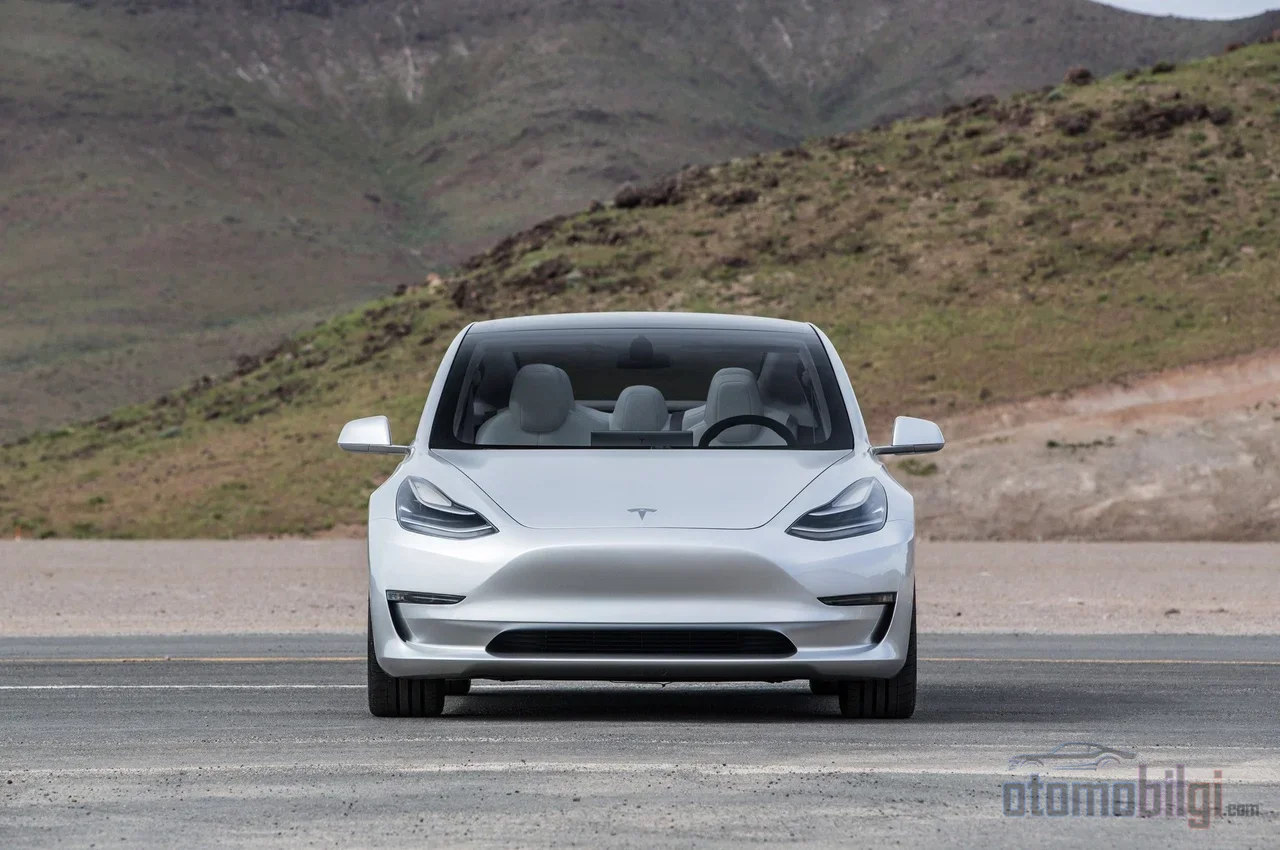
The reason electric cars have no grilles is simple: since the internal combustion engine has to draw in air and burn it, a grille providing airflow to the radiator was a necessity; an electric motor does not need this airflow. So the grille lost its function, and the front fascia - the strongest signature of automotive design for over a century - is being completely reinvented in the electric age. So how are brands filling this void?
Highlights
- The BMW kidney grille was introduced in 1933 with the BMW 303 and has been the brand's defining element for nearly a century.
- The Hyundai Ioniq 5 features active air flaps that regulate battery temperature.
- The closed front panel of the BMW iX houses sensor technology rather than cooling.
- The Togg T10X, Türkiye's first mass-produced electric car, embraces the modern EV design language without using a fake grille.
Yes, let me make a confession to you: If you love looking at cars and have taken a recent glance at electric models, something has caught your attention. Where are those huge, characterless flat expanses at the front? Where are those fierce grilles? I wondered the same thing and decided to look into the subject in depth, and the picture that emerged was far more interesting than I expected. Let's take a look together.
Why Don't Electric Cars Need a Grille?
Let's start with the technical side, because everything begins here. An internal combustion engine works in four stages: intake, compression, combustion, exhaust. In the first stage, intake, air must enter the engine - without air, fuel doesn't burn and the car doesn't go. This air also needs to reach the radiator, which handles cooling. That is exactly why the grille has been there for over a century: to provide airflow to the radiator that cools the engine. As engines grew more powerful, loads got heavier, and conditions got tougher, that front opening grew too.
An electric motor has no such story. No fuel is burning, and no air is being drawn in for combustion. If there is no radiator and no engine, what use is a grille? The answer is brutal: it serves no purpose at all - in fact, it does harm. Air entering through an open grille creates drag in the engine bay. A flat, smooth front fascia, on the other hand, lets air flow cleanly around the body. Since range at highway speeds depends largely on this aerodynamic efficiency, every small improvement - flush door handles, aerodynamic wheels, sculpted mirrors - adds up to make a difference. While the effect of a closed front fascia on its own is small, EV efficiency is already the sum of many small gains.
But wait - don't assume there is no cooling at all! Electric cars do heat up too. The battery must stay within a controlled temperature range; the motor, inverter, charging equipment, and cabin climate control all generate heat as well. The solution is usually invisible: small cooling intakes hidden below the front bumper and active flaps that open when needed. The Hyundai Ioniq 5 is a fine example of this - with the flaps closed, efficiency increases; when the battery heats up, they open to regulate its temperature. On the Porsche Taycan, the cooling intakes are even more mysterious: they hide beneath the plate. In performance EVs, though, things change; the Ioniq 5 N has a genuinely functional front grille mesh, cooling vents, and air curtains. In electric trucks and large SUVs, you can also see more visible openings due to towing and hauling duties.
The Grille Was the Brand's Face for a Century - What Happens Now?
The technical side was easy so far. The real drama starts now, because the grille was never just an air vent. The grille was the car's face. Look at a car from behind and it says nothing, but stand in front of it, see that grille, and you recognize the brand in a split second. When it is removed entirely, the vehicle oddly looks anonymous or somehow incomplete.
BMW's kidneys in the electric era
The best example, of course, is BMW. The twin-kidney grille took the stage in 1933 with the BMW 303 and has appeared on nearly every BMW's front face ever since. Over time it became the brand's defining element; through the 1930s and 1950s, the long, narrow kidneys on legends like the BMW 328 formed an iconic vertical era, followed by a five-decade stretch extending to the BMW 507 and the 02 Series. The M models developed a language of their own with horizontal kidney slats and a twin-frame emphasis.
In the electric era, BMW did not completely discard this heritage but transformed it. On the BMW iX, the kidney shape stays in place, but it is now a sealed smart panel that takes in no air - housing sensor technology inside. According to BMW, the iX requires only a very small amount of cooling air. So the kidney no longer breathes - it wears glasses. I don't know whether you like this approach, but at least keeping the shape and refilling the inside is a creative move.
The fake grille debate: dishonest faces
Here is the hottest part of the topic. Instead of abandoning the grille entirely, some brands add textured panels, lighting elements, or body-color inserts, or draw a grille-like graphic with thin black strips. In the industry, this is called a fake grille. An XPeng designer openly criticized this trend, pointing out that EVs with fake grilles represent a misleading and dishonest approach; in response, BMW and Mercedes were reported to continue it as an element of brand identity. VW, on the other hand, is among those giving up this imitation in their EVs. The forums of people who look at cars as a hobby are not empty either: some say the sealed grille ensures the vehicle is recognized as a BMW or an Audi, while others argue that the fake openings give the feeling of plastic slapped on top of the old grille.
In my view, the summary of the debate lies in this question: Did you make a car lie, or didn't you? If it were you, which side would you choose - a recognizable but imitated face, or a foreign but honest one?
The Brands' Reactions: Who Decided What?
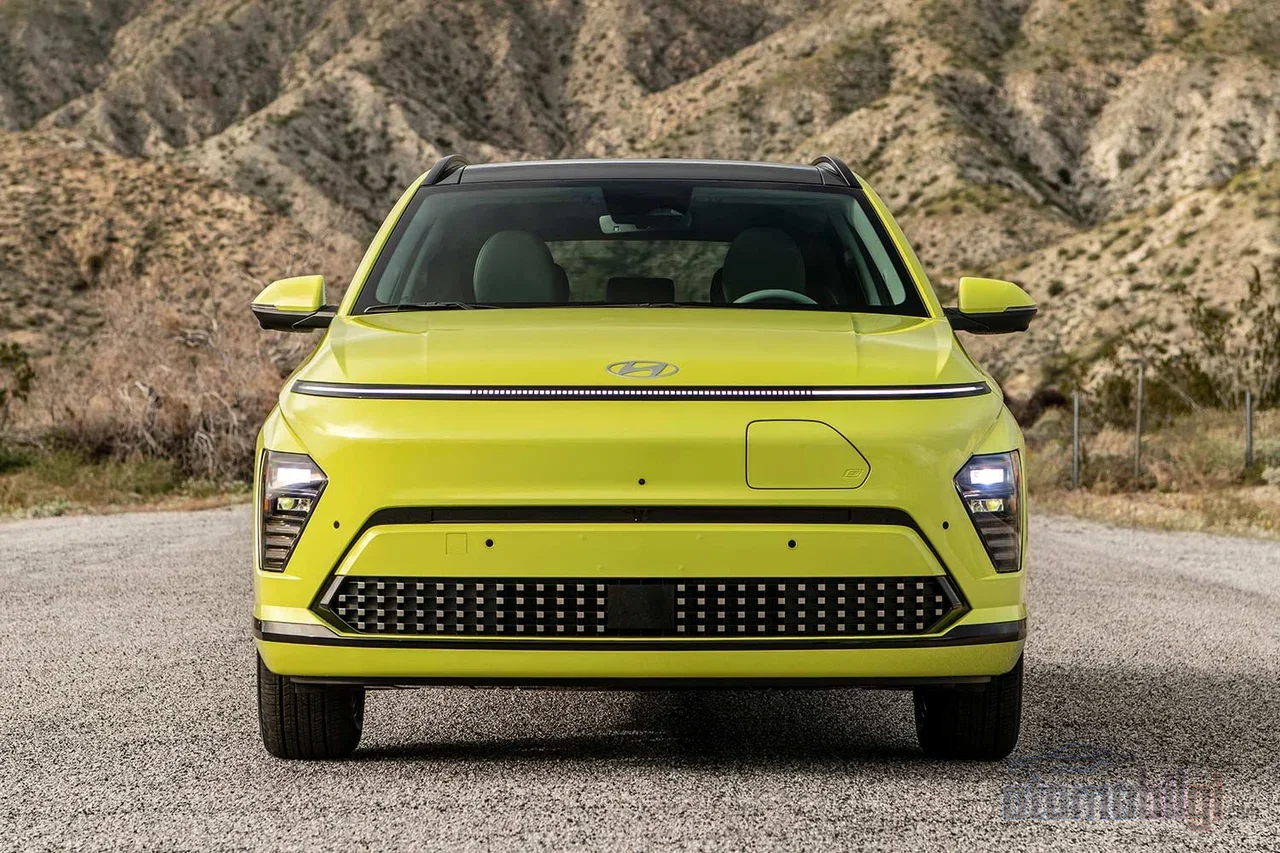
In the race to fill the grille gap, each brand drew its own path. Some prioritized functionality, some light, and some never gave up the grille at all. From concepts to production models, the scene took shape as follows: Mercedes' 2016 Generation EQ concept heralded the face of the future with its illuminated star on a black panel and blue lighting reminiscent of a grille. On the Cadillac side, the launch of the Lyriq reinforced the idea that a strong front lighting signature would become even more important in EVs; on the Escalade IQ, the illuminated grille and signature lighting truly stand out. Audi, however, chose a completely opposite path: it preferred to preserve the grille in the face of faceless EV designs, and its design chief speaks of a tall, narrow, controversial grille that will unite future generations - it is said the brand will switch to a slim grille across all its future models.
| Brand / Model | Front-face approach | Function |
|---|---|---|
| BMW iX | Closed smart panel, kidney shape preserved | Houses sensor technology |
| Audi (approach) | Slim, tall and narrow grille maintained | Preserving brand identity |
| Mercedes Generation EQ | Black panel, illuminated star | Visual signature |
| Cadillac Lyriq / Escalade IQ | Illuminated grille and signature lighting | Visual signature |
| Hyundai Ioniq 5 | Lower intakes, active air flaps | Real cooling and efficiency |
| Hyundai Ioniq 5 N | Functional front grille mesh, vents | Performance cooling |
| VW (approach) | Abandoning fake grille imitation | Honest, simple face |
The New Face of Light: How Lighting Signatures Became Brand Identity?
With the grille gone, designers gained a freedom rarely seen in history. Headlights no longer exist just to see, but to make a signature. Three major lighting trends stand out on the front face: front light bars stretching from door to door, illuminated grilles, and next-generation front lighting technologies. The grille losing its function opened the door to unique headlight shapes and lighting signatures - today this is the most current way of reflecting brand identity. In some designs, however, a single light strip remains on the front face; the bare surface makes sense both aesthetically and in terms of reducing wind resistance.
But every coin has a dark side. There is a problem discussed through the examples of Tesla, BYD and Polestar: due to shared aerodynamic goals and similar packaging, all EVs are drifting toward the same fastback silhouette. We call this design convergence. To gain aerodynamics, everyone goes for the same cut, and cars that resemble one another emerge. Moreover, the absence of the grille also reduces the proven design guides in designers' hands; when the main elements are a few lights and a big logo on the hood, room opens up for bad design. An academic study also confirms this intuition: the front fascia, as the core of automotive design, deeply influences brand perception, consumer preferences, and purchase decisions. So what the front end should look like is still very important - perhaps even more important than before, because the badges are fading.
Togg and Türkiye: First Steps of a Face Without a Grille
Now let's turn to our own stage, because this story has a Türkiye chapter. Togg is the first mass-produced electric car brand manufactured in Türkiye; serial production of the T10X was planned to be ready in the last quarter of 2022. The brand positions itself as a domestic and electric mobility brand with a future vision focused on sustainability, innovation and technology; it introduces the T10X not so much as a car but as a smart device. Its product range expanded over time with the T10F, and today the brand has electric SUV and sedan models.
The brand identity side is just as interesting as the design. Togg's logo was designed by the world-famous brand identity firm Chermayeff & Geismar & Haviv, and it was announced with the goal of a global brand whose intellectual and industrial property would be 100 percent owned by Türkiye. The emergence of the logo also sparked a serious critical debate in our country - the fact that even a logo gets talked about this much is, in my view, proof of how seriously design is taken in Türkiye. It is still debated among car enthusiasts that much of the design work was done in a workshop contracted with Pininfarina, before a transition to fully domestic design.
When it comes to the front end, the T10X needs to be handled carefully: it can be regarded as a Türkiye example that adapts to the modern EV design language without using a fake grille. For a brand to step onto the stage right at its birth with a face without a grille means that the old system is no longer a necessity has been proven in our country as well. To me this is a proud detail - there is a Turkish brand that kept pace with the grille-free era from day one.
Will Electric Cars Be Completely Grille-Free?
The short answer: not all of them. On large SUVs and pickups, the front end can look odd without any sense of a nose; the difference between the grille-free face of the Rivian R1T and the front of the Ford Mustang Mach-E is a good example of this. Electric trucks serving as work vehicles and high-performance models will always have real cooling openings, because physics doesn't go away: everything that heats up needs to cool down somehow. But in mainstream EVs the trend is clear - front ends are flattening, closing off, and light is taking over.
In the future, what we recognize when we look at a car will most likely not be a grille shape, but a light signature or a panel texture. BMW's sensor-equipped kidneys, Audi's thin grille, Cadillac's illuminated face and Togg's clean front are all telling us the same thing: the face of cars is changing, but their stubbornness about the face is not. Some choose reality, some choose habit, and some choose light. Which would you choose - a face that doesn't breathe but is familiar, or a brand-new but foreign face? I'm waiting in the comments!
Sources
- Why EVs Don't Have Traditional Grilles
- 5 BMW Kidney Grilles That Changed the Brand
- The BMW Kidney Grille Through Time 1933–2025
- XPeng designer slams rivals for 'not honest' fake grilles
- Top Concept Cars of 2016
- Cadillac Lyriq EV Is Reinterpreting a Car's Front-End Identity
- Audi EVs Will Keep the Grille
- Controversial Audi grille to define future models
- Renault 4 E-Tech electric: a grille design of brilliance
- OEMs leverage new front lighting technologies
- A Study on the Preference of Electric Vehicle Front Design Elements
- Front grilles are the toughest enemies of EV design
- Togg T10X
- Togg T10X - official page
- About Togg - official page
- Togg as timing, technology and brand
- Why did TOGG's new logo fail?
- TOGG Models and Current Price List 2026
- Will electric cars eventually stop having grilles in their design?