Why Did Hood Ornaments Disappear?
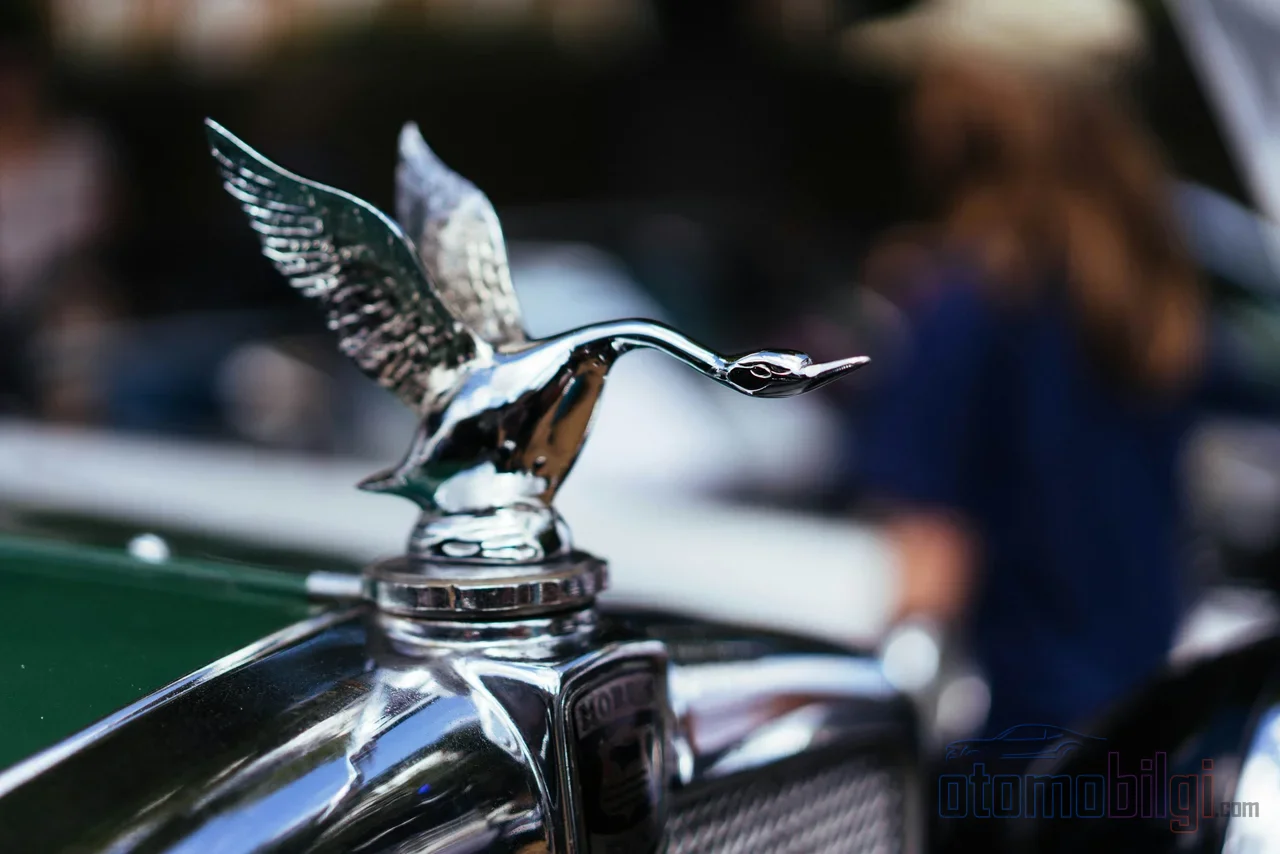
Imagine a small silver figure standing on the hood of a car. A woman leaning forward, arms stretched back, flying with the wind in her face. She has been there for over a century, the crowning point of the most luxurious cars. So why today do we almost never see an ornament on the hood of a car on the street? Did our sense of aesthetics change, or did someone remove these tiny statues from us for another reason?
The answer is not as romantic as you think - but its story is incredible. Hood ornaments, or as they're called in English, bonnet mascots, were for a century the very embodiment of a car's status. Then they were defeated by a single thing: pedestrian safety. Let's tell it from the beginning, because this loss was a loss by design.
Where Did the Hood Ornament Come From? The Story of a Cap with a Thermometer
The funny part of it is this: the hood ornament was not actually born as an ornament. The earliest examples were related to the temperature gauge on the radiator cap. This tradition, which took the shape of the modern hood ornament around 1912, has its roots in radiator caps with thermometers. When a car's engine heated up, the driver would look at the cap and understand the situation - so the tiny figure was actually like a gauge panel, much like today's engine temperature warning, but a far more elegant version of it.
Over time, once in-car temperature gauges became widespread, these caps no longer served a functional need. All that remained was a statue. And it was precisely at this point that the ornament ceased to be a gauge and turned into a status symbol. According to some records, the first decorative figure on an automobile is thought to have been a bronze statue of Saint Christopher, the patron saint of travelers - meaning that even when the hood ornament was born, it carried a kind of belief in protection.
The Signature Figures of Luxury Brands: The Spirit of Ecstasy and Beyond
In the mid-20th century, the hood ornament was a silent badge that labeled a car according to its class. And the most iconic example of this era is, of course, Rolls-Royce's Spirit of Ecstasy. A female figure leaning forward, arms open backward. It was created in 1911 by the British sculptor and illustrator Charles Sykes; the figure symbolizes the brand's heritage, which began in 1904. Some records also mention that its first sculpting dates back to 1909 - so while the exact calendar is disputed, the main point is clear: this figure has been the face of the brand for over a century.
Sykes's pseudonym in commercial art is also fascinating: "Relette". The man who designed this tiny statue turned even his own signature into an ornament. He is only one of those who believed hood ornaments were truly works of art; From the late 1920s through the 1930s, René Lalique, renowned for his Art Nouveau jewelry, produced glass hood ornaments in the Art Deco style. Lalique's commercial mascot count varies in records between 28 and 29; "Hibou", the owl figure he designed around 1931, is still the apple of collectors' eyes.
And these tiny statues fetch serious money. According to the estimate of British collector Tony Wraight, the number of mascots made for automobiles goes up to 20,000. Rare examples, such as Egypt-themed ornaments from the 1930s or figures like the Terraplane Super Six Griffin, change hands on the collector market at prices starting from hundreds of dollars. At the Auburn Cord Duesenberg Automobile Museum, they are now displayed under the heading of "functional art" - meaning what once stood on top of a hood today sits inside a display case.
Highlights
- The modern hood ornament was born around 1912 from a radiator cap with a thermometer
- The Spirit of Ecstasy was created by Charles Sykes in 1911
- Lalique produced approximately 28-29 glass mascots between the late 1920s and the 1930s
- Hood ornaments disappeared with pedestrian safety laws in the late 1960s - early 1970s
- Rolls-Royce adapted the tradition to safety standards with a retractable mechanism
So Why Were Hood Ornaments Removed?
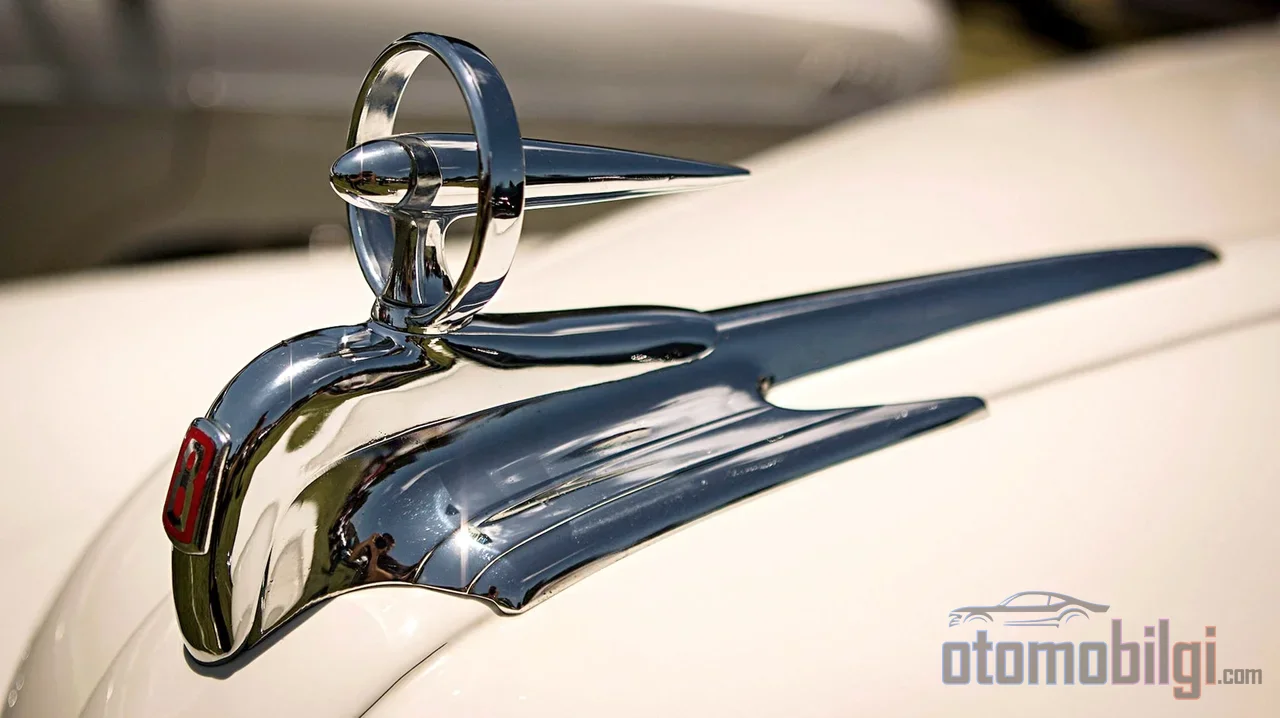
Here we get to the heart of the matter. The disappearance of hood ornaments cannot be attributed to a single reason, but the number one reason is clear: safety. In the late 1960s and early 1970s, regulations targeting pedestrian safety came into effect, and the sharp, rigid, metal figures on top of the hood became a complete problem. When a car hit a pedestrian, that elegant little sculpture was no longer something elegant - it was a hard and sharp impact point. Europe delivered the biggest blow: Vehicle regulations in Europe effectively excluded hood ornaments due to the risk of pedestrian impact. Today's pedestrian safety regulations we mentioned are precisely the legacy of that era.
Safety was not the only factor. Looking at the list, four major reasons stand out:
- Pedestrian safety: The risk posed by the rigid figure in a collision was banned through regulations
- Aerodynamics: The protrusion on top of the hood disrupted airflow - unnecessary drag in the age of fuel efficiency
- Theft and vandalism: A small, valuable, and easily removable object on the hood was like an invitation
- The evolution of design philosophy: Automotive design turned toward flat, clean surfaces; mounting something on top of the hood was no longer fashionable
On the US side, the official picture took shape as follows: NHTSA's comment document numbered 2073y explicitly notes that hood ornaments were typically designed to yield under pressure, which reduced the risk of pedestrian injury. So the ornament was not completely banned - but the days of it being rigid and fixed were over.
Rolls-Royce's Solution: The Sculpture That Dives Into the Hood
So how do you protect a brand's century-old signature in the face of safety laws? Rolls-Royce's answer is like an engineering lesson: Making the Spirit of Ecstasy retractable. The moment the sculpture senses a sudden movement or pressure, it retracts back into the hood. If anyone tries to steal it, the figure hides itself - just like a sea anemone that flees when touched. And since it sinks into the hood at the moment of impact, the risk it would pose to pedestrians is largely eliminated.
Let's also correct the point where most people are mistaken: This mechanism is not purely an anti-theft measure. The point emphasized in technical discussions is this - new pedestrian impact laws banned fixed hood ornaments, and the retractable mechanism was designed as the solution to this requirement. Theft concerns are real, but the main driving force is legislation. Road & Track combines these two reasons in a single sentence: pedestrian safety standards and thieves together threatened the icon's existence. Scaling down and adapting the statue over time is also part of conforming to modern vehicles and safety standards.
The Hood Ornament in the Digital Age: Lights, Lasers and Electricity
The tradition didn't die, it just changed form. Current Rolls-Royce models feature an illuminated grille; the brand now shows itself off at night as well. On the other hand, the hood design of the Phantom Arabesque, created with a patented laser technique, carries the idea of ornament onto the surface of the metal itself - no protrusion, but there is a signature. In other words, the ornament is shifting from a statue to a surface.
The electric era is part of this transformation too. Rolls-Royce's first fully electric model, the Spectre, was introduced with a range of approximately 520 km and is the first example of the brand's goal of going fully electric by 2030. Additionally, the competition between Cadillac's new electric model with a hood ornament and Rolls-Royce was rekindled - the idea of carrying something on the hood is still a matter of pride for brands even a century later.
Conclusion: Elegance Was Defeated by Laws, But Didn't Completely Die
Let's answer the opening question clearly: Hood ornaments didn't disappear because nobody loved them; they disappeared because a solid figure striking a pedestrian carries a serious risk of injury, and pedestrian safety regulations starting in Europe banned fixed ornaments. Aerodynamics, theft concerns, and changing design tastes hastened the process; but the decisive factor came from legislation. Today, Rolls-Royce is one of the few brands carrying on the tradition, sustaining it by adapting it to the safety era with solutions like the retractable mechanism and illuminated grille. That tiny statue atop the hood still stands there as the last representative of an era's understanding of luxury - just a bit more cautious.
Sources
- The Spirit of Ecstasy - Rolls-Royce Motor Cars (official)
- Spirit of Ecstasy - Wikipedia
- How Rolls-Royce Makes Its Famous Emblem Disappear - Road & Track
- NHTSA Interpretation ID: 2073y
- The Rise and Fall of Car Hood Ornaments - AAA Network
- Why don't cars have hood ornaments anymore? - Popular Science
- A Closer Look at Cast in Chrome - The Frick Pittsburgh
- Car Mascots and Hood Ornaments - Incollect
- Rolls-Royce's first fully electric model Spectre introduced - Platin Online
- Rolls-Royce Phantom Arabesque laser hood - Motor1 Türkiye