Why Are Cars Getting a Little Longer with Every Generation?
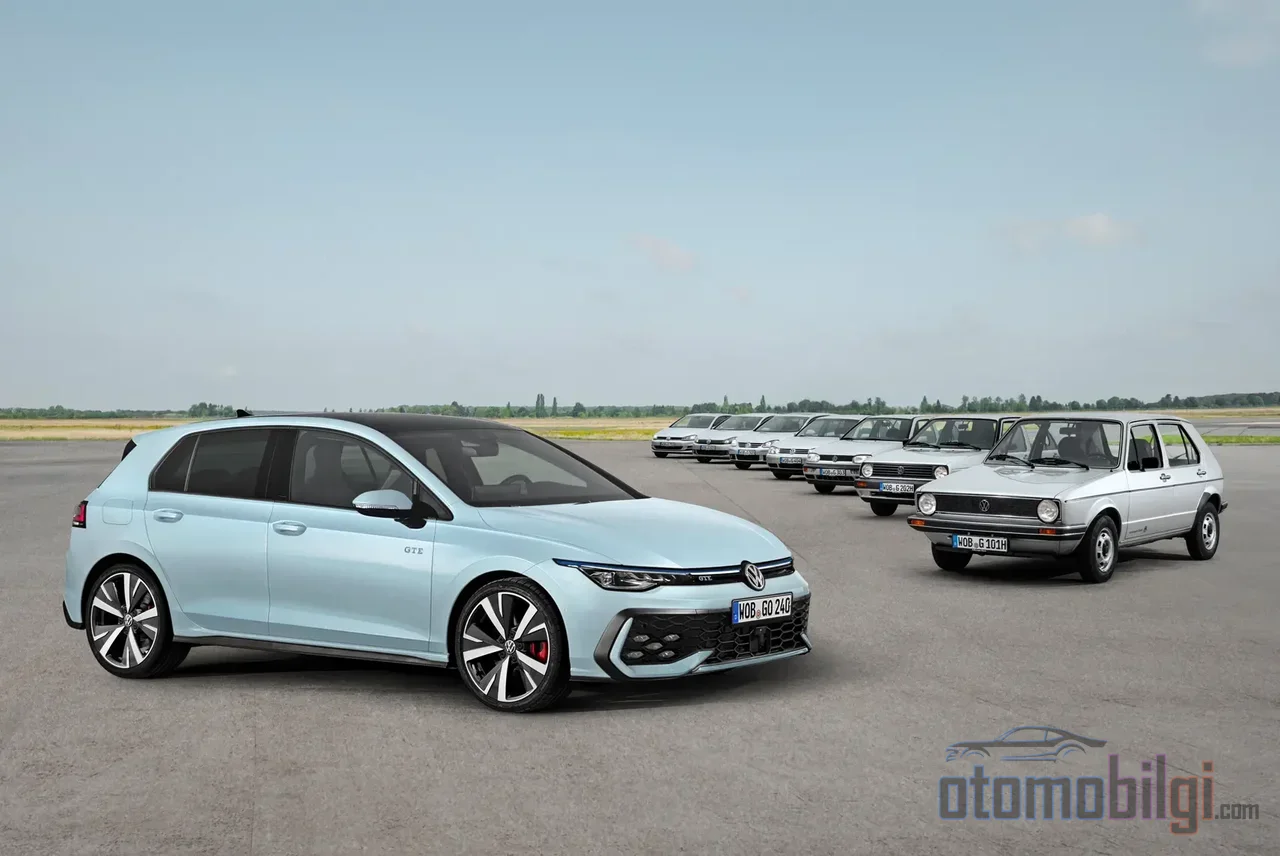
Look closely: if that Mini in your father's youth photos were parked next to today's Mini, it would look almost like a toy. And yet they both carry the same name, and smile with the same face. This is the quietest truth of automotive design: cars grow a few centimeters longer and a bit wider with every new generation, and we barely even notice. So why? Is it just for show, or are there compelling reasons behind this growth? The answer is far more layered than you'd think, and honestly, quite entertaining.
Are Cars Really Growing with Every Generation?
Yes, they are growing, and this is no joke - it is a measured fact. An analysis that systematically examined the main dimensions of 697 vehicles revealed a trend of increases in length and height, and a continuous and clear growth in wheelbase. The wheelbase is the distance between the front and rear axles; that is, that critical measure indicating how much space the vehicle gains and how "composed" a stance it acquires over time. The most direct winner of this increase has been interior comfort.
If you want a concrete current example: Genesis stretched the wheelbase of the facelifted Electrified G80 by a full 5.1 inches, or about 13 cm. In a mere facelift! So manufacturers have internalized this growth not only in generation changes, but even in mid-cycle updates. So where does this appetite come from?
Key Highlights
- A systematic analysis of 697 vehicles: the wheelbase keeps increasing, and the winner is interior comfort.
- The modern Mini is 61% larger in area and 440 kg heavier than the original.
- The modern Fiat 500 is 336 kg heavier than the original: a difference of 73%.
- Between 1988 and 1997, the mass of cars in England increased by 20%.
- In the Genesis Electrified G80 facelift, the wheelbase was stretched by about 13 cm.
Why Do Safety Requirements Thicken the Body?
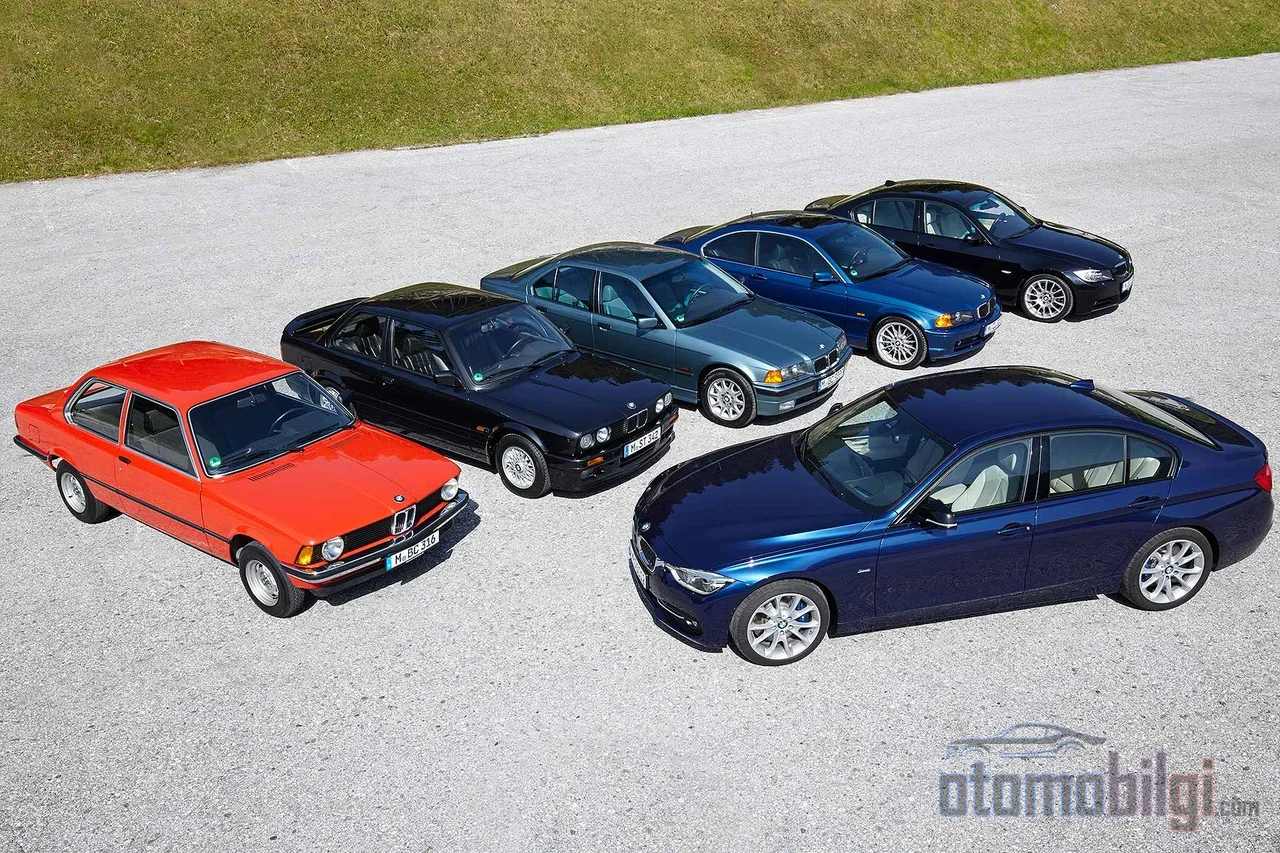
The number one driver of growth is, without a doubt, safety. Today's cars must be equipped with far more energy-absorbing zones than before to protect occupants in a crash. The front crash boxes, meaning the structures that absorb the impact by deforming, are parts whose behavior depends on shape, material and size; elements whose effects must be re-analyzed as their lengths increase. As much as we may feel fond of short cars, physics is merciless: more length is needed to absorb the impact energy.
The pedal box is also part of this picture. The design of the pedal bulkhead is a field of engineering subject to patents, aimed at reducing leg injuries in frontal collisions. There are even innovative design proposals to shrink the area occupied by the pedal box with vertically mounted master cylinders; but in everyday use these bulkheads take up space and add extra centimeters to the front of the cabin. As the firewall thickens, the interior shrinks, and to reclaim that shrinking interior, the car grows outward. That is the logic chain, extremely simple.
The result is measurable: Between 1988 and 1997, the mass of cars in England increased by 20%, and this increase is attributed to rising safety standards and user comfort expectations. So the growth is not just the whim of design studios; it is the joint result of legislation, insurance tests, and the demands of us users.
Wheelbase: The Hidden Hero of Cabin Comfort
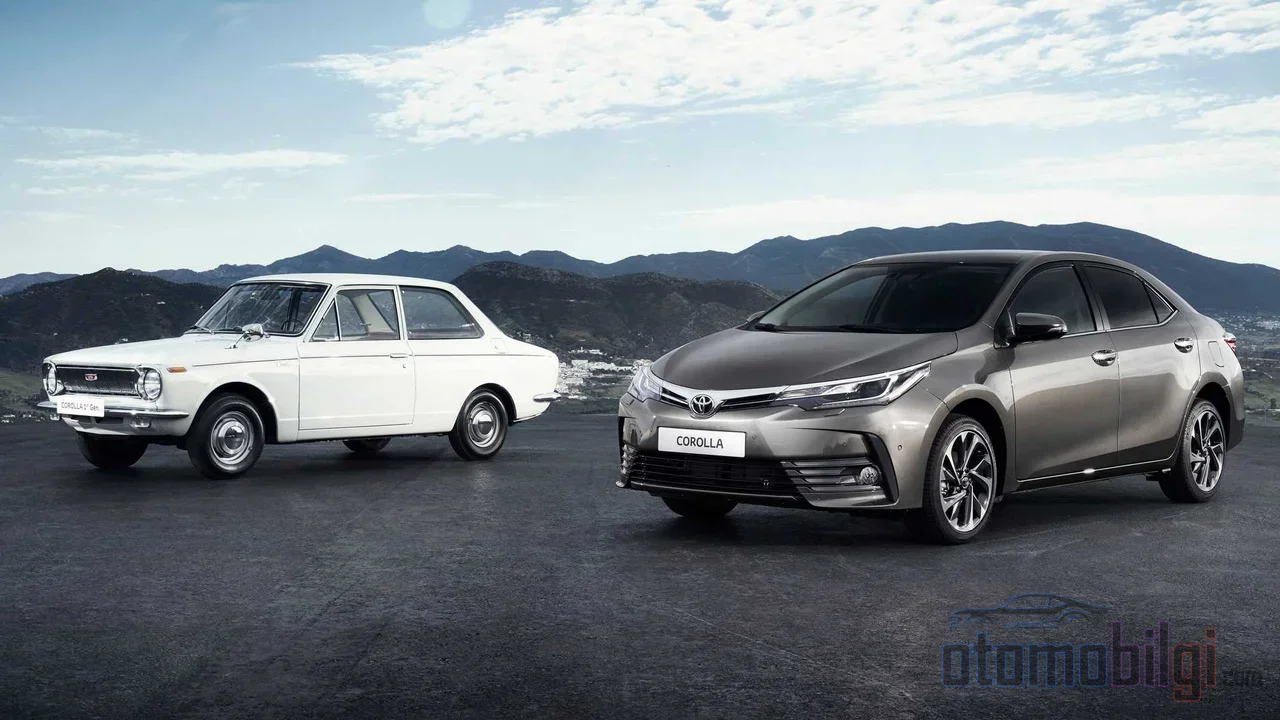
Why Is Everyone Stretching the Wheelbase?
The wheelbase directly determines the usable space in the cabin: as it grows, more legroom and a more relaxed seating position emerge. Especially for rear passengers, the wheelbase is that fine line between luxury and being cramped. Since manufacturers know this very well, they add a few centimeters to the wheelbase with every generation; there are even ways to do this without enlarging the cabin up to a point. It is possible to increase the wheelbase by moving the suspension a few centimeters further from the chassis centerline; what designers call the dash to axle, the ratio from the console to the front wheel, also gets refined this way.
Will the Electric Era Change Things?
It is already accepted today that fully autonomous, meaning driverless, vehicles will come with different proportions such as an extended wheelbase. Think about the logic: you will design a cabin that needs no steering wheel or pedals like a living room, so nothing stands in the way of using the space generously. In other words, the wheelbase race is just heating up.
Aerodynamics and Penny-Pinching Fuel Economy
From the early 2000s onward, aerodynamics, fuel efficiency, and environmental legislation took precedence over design. Today a body is shaped more by computer simulation than by sketching; every glass angle and every mirror shape serves drag reduction, noise reduction, range improvement, and emission targets. Aerodynamics is now the key not only for sports cars but for every segment.
So what does this have to do with length? Here is how: to lower the drag coefficient, the body needs fluid, long, and laid-back lines. A raked windshield, an extended roofline, a gradual rear end... All of these demand centimeters. A short, boxy car is a brick in the eyes of aerodynamics; a long, flowing silhouette speaks the language of the air. So when the engineer says "make it longer," the designer usually breathes a sigh of relief.
The Retro Trap: Why Did the Mini and Fiat 500 Grow Fat?
Here comes the most painful and funniest part of the story: retro design. Mini built an entire brand from scratch by reviving a single old model; Fiat took a similar path with the 500. The first-generation modern Mini and 500 were deliberately kept compact; they faithfully carried the cute proportions and silhouettes of the originals. Then what happened? As generations progressed, the cars grew fat. The numbers are ruthless: the modern Mini is 61% larger in total area and 64% heavier with 440 kg of extra weight compared to the original. The modern Fiat 500, meanwhile, is 336 kg heavier than the original, meaning 73% heavier and 47% larger in footprint. Despite being much bigger, it actually stays quite faithful to the original in looks and charm; but the physical embodiment of that "500" spirit is now a completely different vehicle.
| Model | Footprint increase (vs. original) | Weight increase |
|---|---|---|
| Modern Mini | 61% | +440 kg (64%) |
| Modern Fiat 500 | 47% | +336 kg (73%) |
The Mustang Difference: Rewriting the Proportions
With Ford's Mustang, the story is a bit different. The 2015 Mustang shares the original's basic lines, proportions, and similar front and rear faces; so the retro approach here meant a direct transfer of proportions. But in its next step, Ford changed the car's proportions and, with a more European aesthetic, aimed at new and younger customers. This is a typical oscillation in retro design history: first fidelity to classic proportions, then an effort to rebalance in line with modern market expectations.
How Proportion Shift Ruins the Way the Face Reads
Now let's talk a bit about visual culture, because the real cost of growing is paid in aesthetics. Designers classify silhouettes by the number of boxes: one-box, two-box, and three-box forms. A car's identity is largely established by the ratio of these volumes and the position of doors, windows, and wheel arches relative to the body. As exterior dimensions grow, these proportions shift; and shifting proportions change the silhouette. So as the car grows, it doesn't just get longer - the way its face reads changes.
For brands, this is a serious identity problem. For a brand's vehicles to be instantly recognizable at first glance, the silhouette, proportions, and lines must together form a recognizable identity; Renault's design team formulates this with the principle of separate identities within a single family. Don't you find that interesting? A car's hood-to-wheel ratio is almost like a signature to eyes that love that brand. If that ratio shifts slightly with each generation, the signature gets slightly corrupted every time.
Is the Growth Epidemic Exclusive to Mass-Production Cars?
A surprising parallel: Formula 1 cars have also grown dramatically. Here, the goal of a wider tire footprint and better mechanical grip played a role; there was an increase of about 25% in tire size. In the hybrid era after 2014, the engine bay was extended largely because of the volume and weight of the batteries. So the logic is similar on both the track and the road: more safety, more technology, more centimeters.
The historical background is also interesting: American manufacturers' years-long obsession with low, long, and wide was shaped largely by style-driven decisions. Admittedly, a wider and lower body delivers better results in corners, all else being equal; but when taken to extremes, it risks compromising agility and market balance. Today's growth trend, however, stems from engineering necessity rather than showmanship; that's the difference.
Short answer: Why Do Cars Get Longer With Every Generation?
Let's wrap it up, because this question deserves a one-line summary. Cars grow with every generation because of the thick safety structures required by crash regulations, the longer wheelbase that promises more legroom, growing cabin and trunk expectations, and the need for fluid, long lines for aerodynamic goals. In retro models, however, the first generation is deliberately kept short to preserve classic proportions; but as generations advance, the same demands catch up with them too and inflate them.
The next time you see two different generation models that look like twin brothers side by side, you'll now know: those few centimeters are no coincidence, but the signature of safety legislation, comfort expectations, aerodynamics, and marketing. Cars seem set to keep growing; perhaps the real question is: how much longer will eyes that love classic proportions find this growth pleasing?
Sources
- Systematic Analysis of Changing Vehicle Exterior Dimensions and Relevant Vehicle Proportions
- Rise of the bloater-car: how popular models have ballooned in size
- 2026 Genesis Electrified G80 Has a Longer Wheelbase and Larger Screen
- Car Design Fundamentals: Dash to Axle Ratio
- Large and Small Cars in Real-World Crashes
- EP1038720A2 - Vehicle Pedal Box (Patent)
- The Rise, Fall, and Rise Again of Retro Car Design
- Renault Design: Alexandre Malval
- Why Formula 1 Cars Have Grown So Big
- Lower! Longer! Wider! - The Fixation of US Automakers