Why Can't Cameras Replace Side Mirrors?
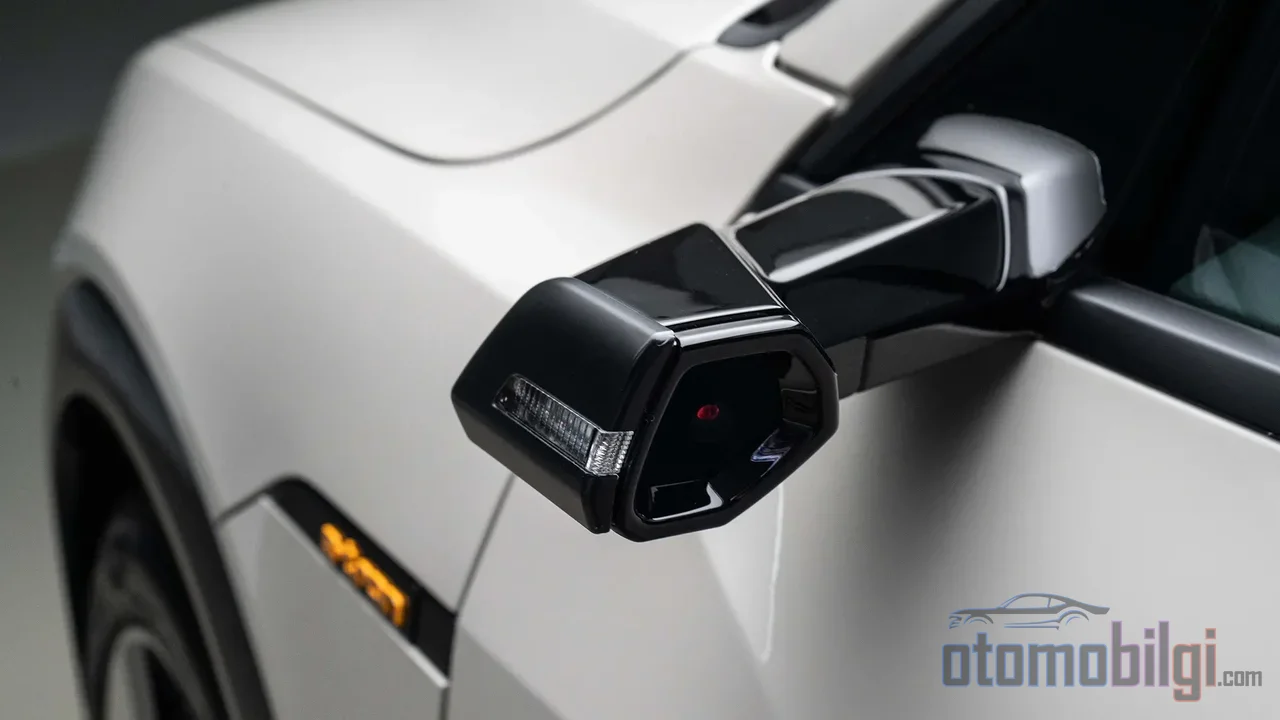
Take a moment to think: when was the last time you saw a car without side mirrors? Probably in a concept design study, because those two small pieces of glass have been sitting alongside production cars for almost a century. That is, until the Audi e-tron and the Honda e came along. Both replaced glass with cameras and mirrors with screens inside the cabin, challenging one of the most deeply rooted visual habits in automotive history. But why? And more importantly: if the technology is ready, why do all the cars on the road still have mirrors?
On this page, we will discuss both the airy design promises and why the transition has taken so long. If you're ready, let's begin.
A Century-Old Habit: Did the Side Mirror Become the Car's Signature Feature?
Side mirrors are such an old and such a naturalized part that most of us use them reflexively, not thoughtfully. Turning your head two millimeters to glance at that glass when turning left is a movement written into the DNA of driving. It is no different on the design side: mirrors are the silhouette's signature at shoulder height. When removed, the car suddenly looks more fluid, sharper, and a bit strange. It is precisely this "strange" feeling that lies at the heart of the visual culture dimension of the topic.
But from an engineering standpoint, the picture changes. Side mirrors are bulky elements that protrude from the body, making them a nuisance from a wind perspective. According to analyses, mirrors increase the vehicle's total aerodynamic drag by 2 to 7 percent; the ratio varies depending on the size of the vehicle's frontal cross-section. That may sound small, but in the age of electric vehicles, every half point means range.
Highlights
- The Audi e-tron became the first production car to offer virtual exterior mirrors, debuting them for the first time.
- Compared to classic door mirrors, the Honda e's camera system reduces aerodynamic drag by approximately 90%.
- Mirrors increase the vehicle's total aerodynamic drag by 2-7%.
- Audi's virtual mirrors display on 7-inch OLED screens, while the Honda e's display on a 6-inch dual screen.
What Do Camera-Monitor Systems Bring to Aerodynamics and Design?
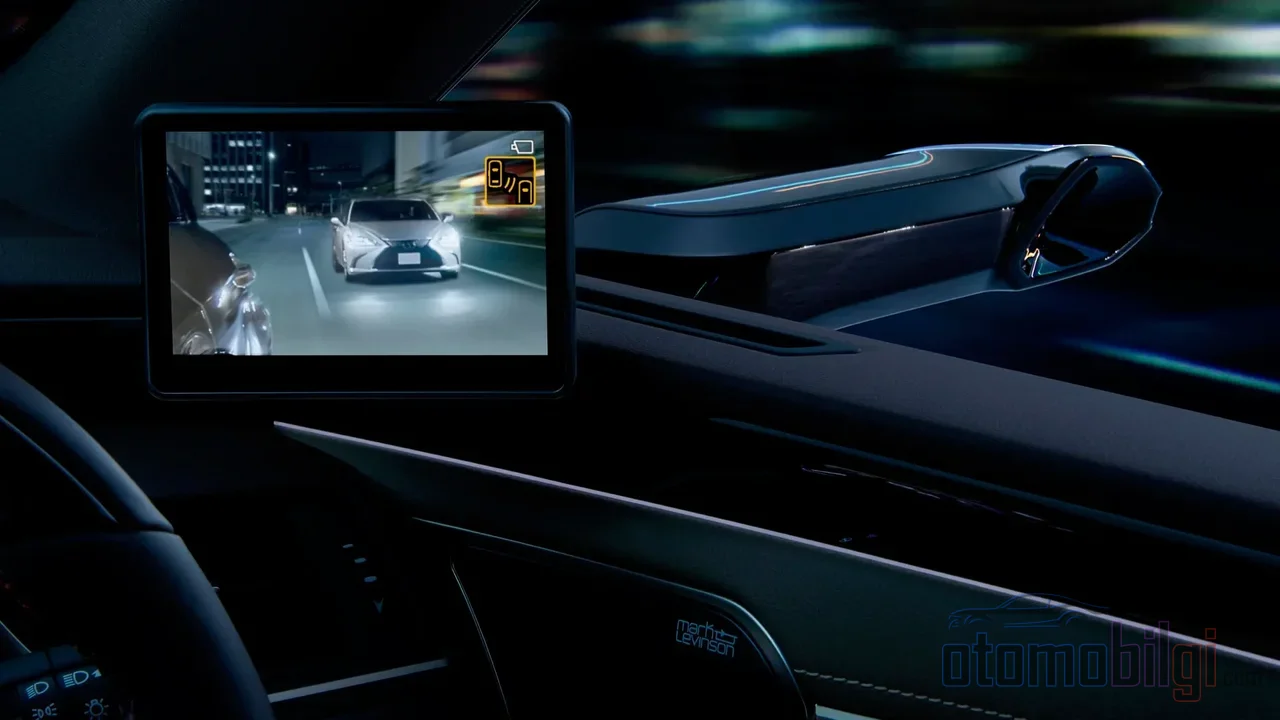
Now let's get to the fun part. Aerodynamics may seem like a dry engineering subject, but it is actually very easy to grasp with an everyday analogy: when you extend your arm out of a car window, the wind pushes it backward, right? Now put a small matchbox (a mirror) in place of that hand, and then a flat lighter (a camera). Which one does the wind feel less? The answer is obvious.
Honda e's system called the Side Camera Mirror System puts compact cameras in place of the classic door mirrors, and the figure Honda gives is striking: compared to conventional mirrors, aerodynamic drag is reduced by approximately 90%. This ratio applies only to the drag of the mirror element itself, showing just how much work that little wing is actually doing. On top of that, vehicle width decreases noticeably as well: with mirrors replaced by cameras, the vehicle's width can shrink by approximately 15 cm. Everyone who has ever tried to park in narrow streets knows what these 15 centimeters mean.
Elegance in the Silhouette: Cameras Take the Place of the Glass Surface
In terms of design, things get even more exciting. The classic mirror is like a red threshold cutting across the designer's lines at shoulder height: unavoidable, thick, and often at war with the silhouette. Camera pods, on the other hand, are slim, tilted and flowing. On Audi's virtual exterior mirrors, the camera is embedded in the hexagonal tip of a flat support piece; on the Honda e, the tiny cameras sit almost sneakily along the door line. The result: an uninterrupted, glass-like silhouette. This aesthetic also perfectly aligns with the low drag coefficient targets of electric vehicles.
And there is the silence. Compact camera pods reduce wind whistling and high-speed wind noise. Audi states that the virtual mirrors on the e-tron contribute to the vehicle's aerodynamics and especially reduce in-cabin wind noise at high speeds. In other words, the camera not only gains range, it also touches on travel comfort.
The Pioneers' Experience: How Do the Audi e-tron and Honda e Use the Cameras?
The two brands approached the same idea with two different characters, much like two friends finding different solutions to the same task.
Audi e-tron: Virtual Exterior Mirrors
The Audi e-tron went down in history as the model that offered virtual exterior mirrors for the first time on a production vehicle. The system was optional in the e-tron family and standard on First Edition models. The camera images are transferred to high-contrast OLED screens with a resolution of 1280 x 800 pixels, placed in the transition area between the dashboard and the door, featuring 7-inch displays. The screen position was chosen deliberately: the driver's "mirror check" reflex is largely preserved, meaning your eyes keep looking where they are used to.
Clever details are not lacking either. The screens have automatic brightness adjustment; when you bring your finger close, proximity sensors kick in and image repositioning icons appear. If the driver wishes, the passenger-side virtual mirror can be adjusted from their own screen. The best part is that the system adapts itself according to the driving situation: on the highway, the field of view is narrowed to make speed estimation easier; when a turn signal is given, the image detail of the relevant side expands to reduce the blind spot; and during parking maneuvers, the view opens downward. The turn signal is shown as a green outline on the outer frame of the screen; lane change assistant and exit warning notifications also appear on the same screen.
Honda e: Side Camera Mirror System
The Honda e positioned this technology like a polished gem: The Side Camera Mirror System was standard equipment on the model, meaning it was offered to everyone at no extra cost. The images are transferred to two ergonomically positioned interior screens, each 6 inches. Honda emphasizes that this system is a first in the compact segment and provides benefits in the areas of style, safety, aerodynamics and comfort; also adds that blind spots are reduced. Putting cameras instead of glass in a small city car and making this standard rather than luxury was a bold design statement.
Image Quality: Wide Angle, Night Performance and Challenging Conditions
What about real life? This is where things get complicated, but mostly in favor. Thanks to image processing, cameras can deliver noticeably better images than a traditional mirror when looking toward the sun or in wet, overcast weather. Night vision is also a strong point of cameras: adjustable image processing can bring out details in the dark that a mirror cannot show, and it can also soften the glare of oncoming traffic's headlights. On the truck side, these systems are already becoming widespread; with MirrorCam, the Mercedes-Benz Actros became the world's first truck without side mirrors.
On the other hand, the other side of the coin also needs to be told honestly. Cameras that are strong in darkness and glare are somewhat sensitive to weather conditions. In winter, the question "what if it snows?" is entirely legitimate: the camera lens can easily be covered by snow. Fogging is also a real problem; one e-tron owner reports that the virtual mirror camera suddenly fogged up and the image became impossible to focus. So instead of the passive fidelity of a glass mirror, what we have is an electronic system that is active but occasionally glitched.
Why Isn't It in Every Car Yet? The Slow Reasons Behind the Transition
The technology exists, the examples exist, the advantages go on for pages. So why is the traffic in 2026 still entirely made up of vehicles with mirrors? There are three major reasons, and each one reinforces the other.
Legal Framework and Differences Between Countries
The first and biggest one: the law. Mirrors must provide a defined rear visibility area and meet mounting and stability requirements. In the USA, rear visibility requirements are subject to federal regulations, and whether a camera can meet the mirror requirement is still a matter of regulation under debate. Every market has its own rules: While vehicle inspection rules in the UK accept devices that provide rear visibility via camera, differences in approval regulations between countries are a nightmare in themselves for a global manufacturer. The cost of designing a vehicle with separate mirrors for each country keeps many manufacturers with conventional mirrors.
Driver Habits and Perception
The second one: us. In other words, drivers. When our eyes look at a mirror, we get an image of infinite sharpness with depth; cameras' wide-angle lenses and limited-resolution screens cannot fully reproduce this sharpness. In road studies, it has been observed that camera-based digital side mirrors can affect the driver's ability to quickly and accurately perceive important information. User reviews are also mixed: while some e-tron owners love their vehicles, they say they never quite warmed up to the camera mirrors. Resistance to technology can be an even stronger barrier than price.
Cost, Failure and Reliability
The third one: money and risk. Camera-monitor systems cannot yet surpass the classic mirror in terms of cost, maintenance, reliability, and potential system failures. When a glass mirror breaks, repairing it is relatively simple; the failure of a system with an OLED screen and image processing means a completely different bill. High implementation costs are slowing the spread of this technology to mass-market vehicles. Market data actually confirms this: the mirror market continues to grow, and a compound annual growth of 5.74% is projected for the interior rearview mirror market between 2026 and 2031.
So, the Conclusion: Are We Approaching the End of Mirrors?
The short answer: yes, but slowly and gradually. The reason side mirrors are being replaced by camera and monitor systems is not just technology; when aerodynamic gains, a more elegant silhouette, wider visibility, and better night performance come together, this transition becomes not a choice but an inevitable direction. However, it will take time for legal regulations to progress market by market, for drivers' visual habits to change, and for failure costs to come down. The Audi e-tron and Honda e were pioneering stones on this path; their experience showed us from the start how elegant yet also how troublesome a mirrorless future could be.
We don't know whether our grandchildren will be surprised one day when we tell them "cars used to have glass on the sides, you'd look into it to see behind you." But I think they will be a little surprised. Just as we are surprised by hand-crank cars.
Sources
- Mirror image | Audi Magazine Australia
- Honda e Side Camera Mirror System
- e-tron-virtual-exterior-mirrors - Audi Türkiye
- Pre-orders began for the Honda e with side mirror camera system - Anadolu Agency
- Will cameras replace vehicle side-view mirrors? - Jaroslav Kmeť
- Use of Camera Monitoring Systems to Satisfy Regulatory Mirror Requirements - Honigman
- Key Considerations in Assessing the Safety and Performance - MDPI
- Driver Perception Using A Camera-Based Digital Side Mirror
- A surprise feature in the domestic car - Takvim
- They installed cameras instead of mirrors - Sözcü