Why Does Cold Weather Increase Fuel Consumption?
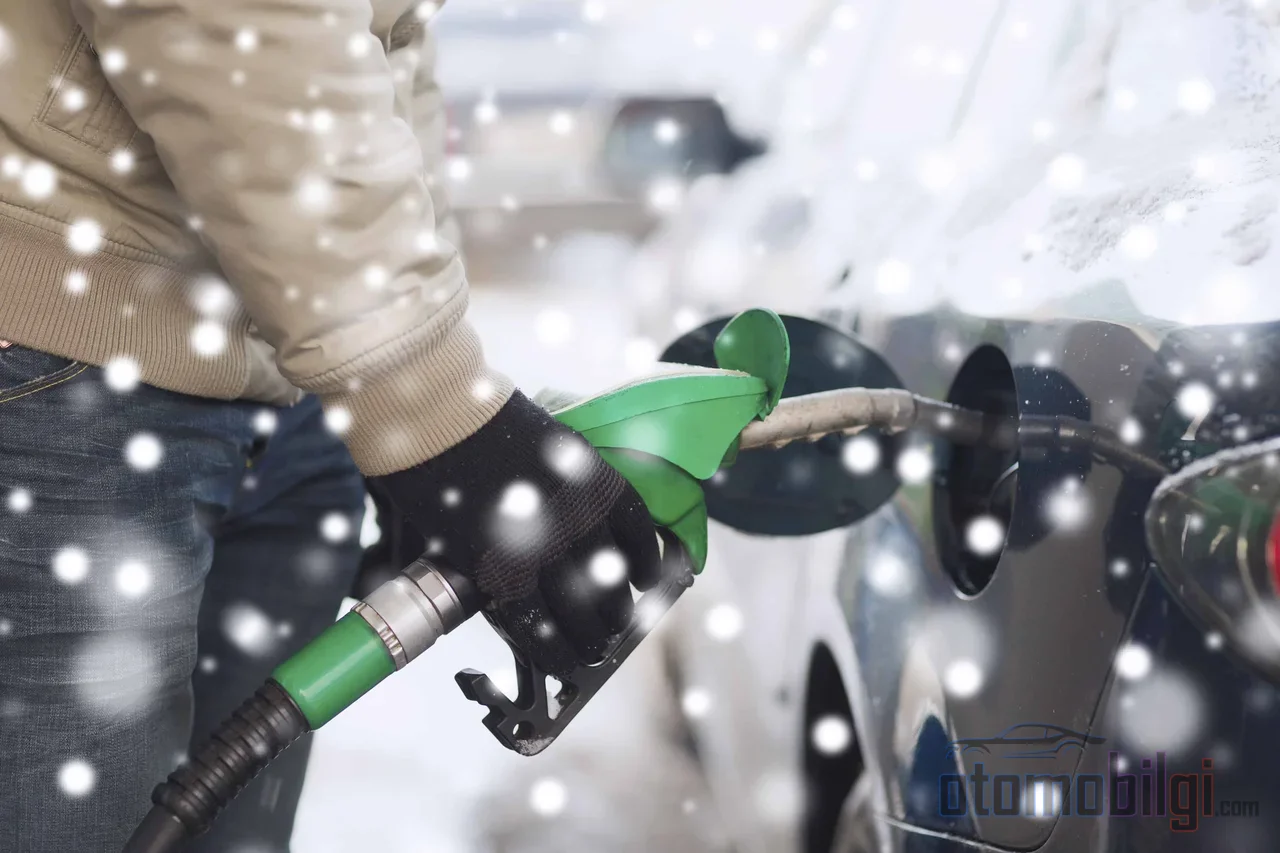
A car that burns an average of 6 liters in summer can suddenly exceed 7 liters in winter when driven on the same route at the same pace. It is not the driver alone who changes; it is the air temperature. So why does cold weather increase fuel consumption, and how much of this increase is the work of the engine, how much of the tires, and how much of our own habits?
The problem cannot be reduced to a single cause. When the temperature drops, four separate mechanisms kick in at the same time: the engine runs on a rich mixture for longer, oil and fluids thicken, tire pressure drops, and the energy demand of the cabin and electrical systems rises. Add to that winter fuel blends and poor road conditions, and the picture grows significantly in urban use. Let's go through them one by one.
Highlights
- When the temperature drops from 24°C to 7°C, urban fuel consumption can increase by 12–28%
- For every 10°C drop in temperature, tire pressure loses 0.07–0.14 bar
- A 10-minute warm-up at idle burns 0.25–0.50 liters of fuel
- Winter gasoline contains 1.5–3% less energy than summer gasoline
The Scale of the Increase: How Much More Are We Burning?
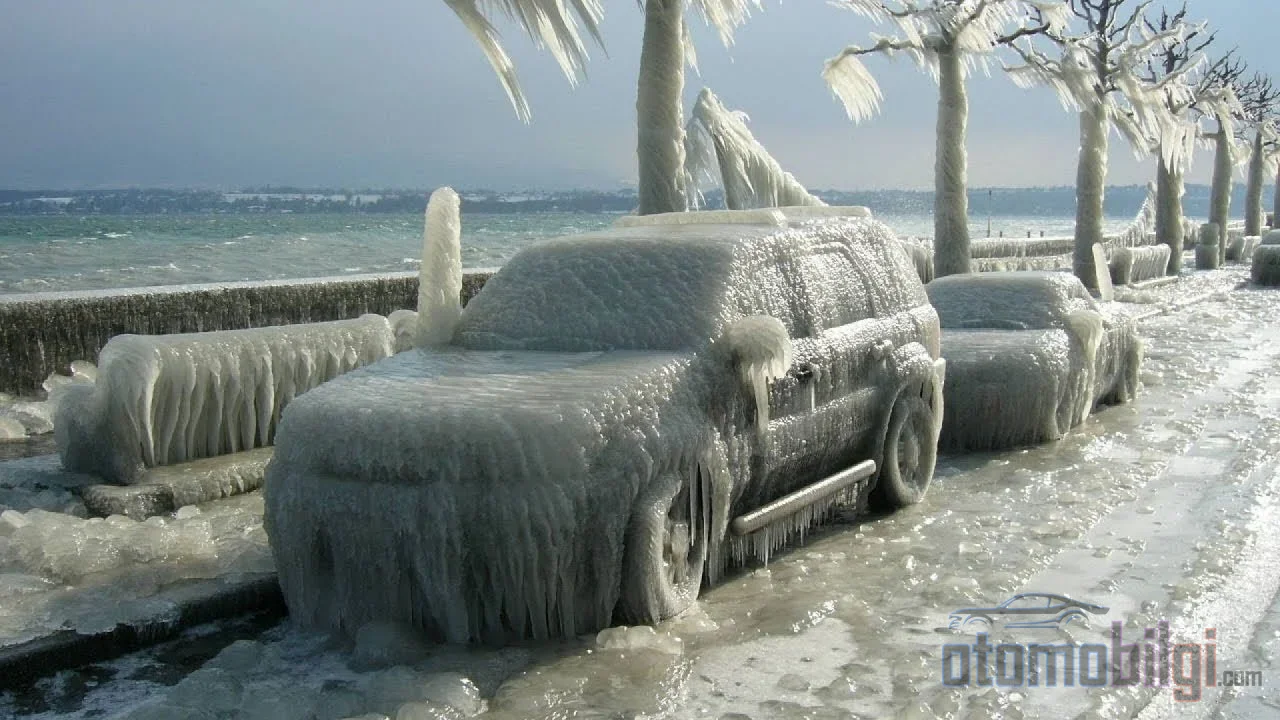
The size of the effect is no exaggeration. According to official data, when the outside temperature drops from 24°C to 7°C, the urban consumption of a gasoline car can increase by between 12–28%. Since the engine never fully warms up on short trips, this figure reaches its highest level in city driving. On the highway, where the engine runs at operating temperature continuously, the increase remains far more modest.
When road conditions are factored in, the picture grows even larger: snow, ice, and mud can raise consumption by between 7–35%. In other words, tires pushing through snow in winter, wheel slip, and cooled fluids create a second consumption item independent of the cold itself.
Why Does the Engine Run on a Rich Mixture When Cold?
An internal combustion engine reaches its most efficient state when it attains an operating temperature of 80–90°C. In a cold engine, fuel does not vaporize; gasoline sticking to the cylinder walls does not take part in ignition, and combustion cannot be completed. To compensate for this, the ECU deliberately injects more fuel - this is called a rich mixture. The result is a drop in the energy obtained per liter: more fuel for the same distance.
The critical point is time. The faster the engine warms up, the shorter the rich mixture period. In winter, the starting temperature is lower and the cabin heating system transfers the engine's heat to the outside; that is, the engine tries to warm both itself and you at the same time. On short commutes, the engine may never reach full operating temperature - which is why the increase in consumption explodes in the city, not on the highway.
Warming Up at Idle: The Most Expensive Habit
Starting the engine in the parking spot to warm up the interior sounds logical, but from an engineering standpoint it is exactly the opposite. A 10-minute idle warm-up burns 0.25–0.50 liters of fuel and produces 600–1,200 grams of CO₂ - and it provides no benefit to the vehicle whatsoever. In modern fuel-injected engines there is no justification for idling longer than 30 seconds; the fastest and most efficient way to warm up the engine is to start driving gently. Oil and coolant heat up much faster under load than at idle.
Oil Viscosity and Internal Friction
Oil thickens in the cold; thick oil requires more power to turn the crankshaft and other moving parts, and this power comes from fuel. The first number on the label is decisive here: 0W and 5W grade low-viscosity oils flow more easily in the cold and improve fuel economy. In contrast, higher-viscosity oils generally offer better wear protection - meaning stepping outside the viscosity grade recommended in the manufacturer's owner's manual amounts to trading marginal fuel savings for wear risk. It may not make a meaningful difference for every driver; the right move is to follow the manual.
And it is not just engine oil: transmission and axle oils also thicken in the cold, and wet roads cool the tires, increasing friction. Even in light rain, consumption can be affected at a measurable level.
Tires: The Silent Consumption Culprit
For every 10°C drop in ambient temperature, tire pressure loses 0.07-0.14 bar (1-2 PSI). This happens not because air escapes the tire, but because the air contracts as it cools - yet the result is the same: an underinflated tire produces greater rolling resistance. Tires underinflated by 8 PSI increase consumption by up to 4% and shorten tire life by more than 10,000 km. Each loss of 1 PSI reduces fuel economy by about 0.2-0.3%. Checking pressure once a month - and more often during seasonal transitions - is the cheapest saving measure you can take in winter.
Winter tires are a separate topic. By design, they have softer compounds and deeper treads; this slightly increases rolling resistance and consumption. Still, when this loss is compared with the braking and grip advantages they provide on cold and wet surfaces, choosing against them is unthinkable - simply knowing the difference exists is enough to attribute the consumption increase to the right cause. The general rule is this: a 10% reduction in rolling resistance brings roughly a 1% improvement in fuel economy.
Air Density, Wind and Accessory Load
Cold, dry winter air is about 11% denser than warm summer air. This air that the vehicle must push through increases highway consumption by about 1.3%. For every 10°F (≈5.5°C) drop in temperature, aerodynamic drag increases by 2%, and every 2% increase in drag creates roughly a 1% loss in fuel economy. Higher average wind speeds in winter amplify this: a headwind can reduce fuel efficiency by up to 13% with every 10 mph increase.
Do Cabin Heating and Seat Heating Consume Fuel?
A clear distinction is needed here. Cabin heating uses engine waste heat; that is, it does not burn extra fuel on its own. But the fan, defrosting, lights, wipers, mirror and seat heating needed for the heating to take effect generate electricity through the alternator - and this electricity is supplied by the engine. The effect of heating on consumption is indirect: it works not directly, but through the electrical load. In use when temperatures drop sharply, the share of this extra load in total consumption can become measurable.
Seat heating is a smart choice in this respect. In cold starts, they draw a maximum of about 120 W per seat; since they heat the body directly instead of heating the entire cabin air, they provide the desired comfort with much less energy. In electric vehicles, it is accepted that this difference provides up to 25% energy savings compared to cabin heating - although the exact same ratio does not apply to internal combustion, the logic is the same: point heating is cheaper than volume heating.
Petrol, Diesel and LPG: Three Different Responses to Cold
The three fuel types do not feel the cold in the same way. The petrol engine uses the classic rich mixture strategy in cold starts and returns to normal as it warms up. Diesel is the cold's most demanding customer: compression ignition makes firing difficult in a cold cylinder, and the glow plug and intake heaters come into play; moreover, diesel fuel itself thickens much more in the cold than petrol and gels in extreme cold. The anti-gelling additives in winter diesel blends also negatively affect the cetane number, cutting a bit of efficiency.
LPG is an interesting exception: since it enters the cylinder as a gas, it mixes better with air in the cold and does not need enrichment as much. However, LPG vehicles consume more per liter and most systems start cold starts on petrol and stay on petrol until the engine warms up - so the rich cold-start mixture exists in LPG vehicles too. Overall, LPG's cost advantage is preserved on short winter distances but does not grow as much as expected.
| Fuel Type | Main Problem in Cold Weather | Warm-up Behavior |
|---|---|---|
| Petrol | Fuel that does not evaporate in the cold, rich mixture | Starts with a rich mixture, returns to normal as it warms up |
| Diesel | Compression ignition becomes difficult, fuel thickens/gels | Glow plug and intake heaters come into play |
| LPG | Runs on petrol until it warms up | Starts on petrol in the cold, switches to LPG once warm |
One common item must not be skipped for all three: winter fuel blends. Winter petrol contains 1.5-3% less energy than summer petrol. So independently of the cold weather, the fuel you get from the pump itself is slightly weaker in winter. This is an effect beyond the driver's control but one that must be taken into account.
Ways to Reduce Cold Weather Consumption
What can be done is simple and most of it requires no cost at all:
- Do not warm up at idle: Idling longer than 30 seconds is unnecessary; short and gentle driving warms the engine fastest.
- Use a block heater if you have one: it shortens the rich-mixture period during cold starts; ideally, switch it on about 2 hours before setting off.
- Check tire pressure at least once a month, on cold tires; check more often during seasonal transitions.
- If possible, park in a sheltered and warmer place such as a garage; the engine reaches operating temperature faster.
- Avoid sudden acceleration and high speeds: aggressive driving can reduce fuel economy by 5% in the city and by up to 33% on the highway; the effect is even greater with a cold engine.
- Combine trips and remove unnecessary weight from the vehicle: for a cold-starting engine, each separate trip means a separate warm-up period.
Summary: Winter's Increase Is Inevitable, Waste Is Not
Cold weather increases fuel consumption because physics works in one direction: fuel does not vaporize well in a cold engine, thickened oils raise internal friction, cold air deflates tires, and the air itself creates denser drag. An increase of 12–28% in urban use is normal, and it is not possible to eliminate it entirely. What can be eliminated is waste: warming up at idle, insufficient tire pressure, and scattered trips. With proper warm-up, correct pressure, and combined journeys, you can recover a significant portion of the increase - the remainder remains as winter's natural price.
Sources
- Learn the facts: Cold weather effects on fuel efficiency
- How Adverse Weather Affects Fuel Economy
- Tire pressure in winter
- Low-Rolling-Resistance Tires Can Save You Money at the Pump
- How Engine Oil Viscosity Impacts Fuel Economy
- Winter Weather and Diesel Fuel
- Winter Blend Diesel Fuel: What Truckers Need to Know
- Does Cold Weather Affect Gas Mileage?
- Is it OK to run my car's seat heater this winter?
- Driving Tips for How to Save Gas