Why Doesn't Hybrid Power Simply Add Up? The Physics of 143+181=204
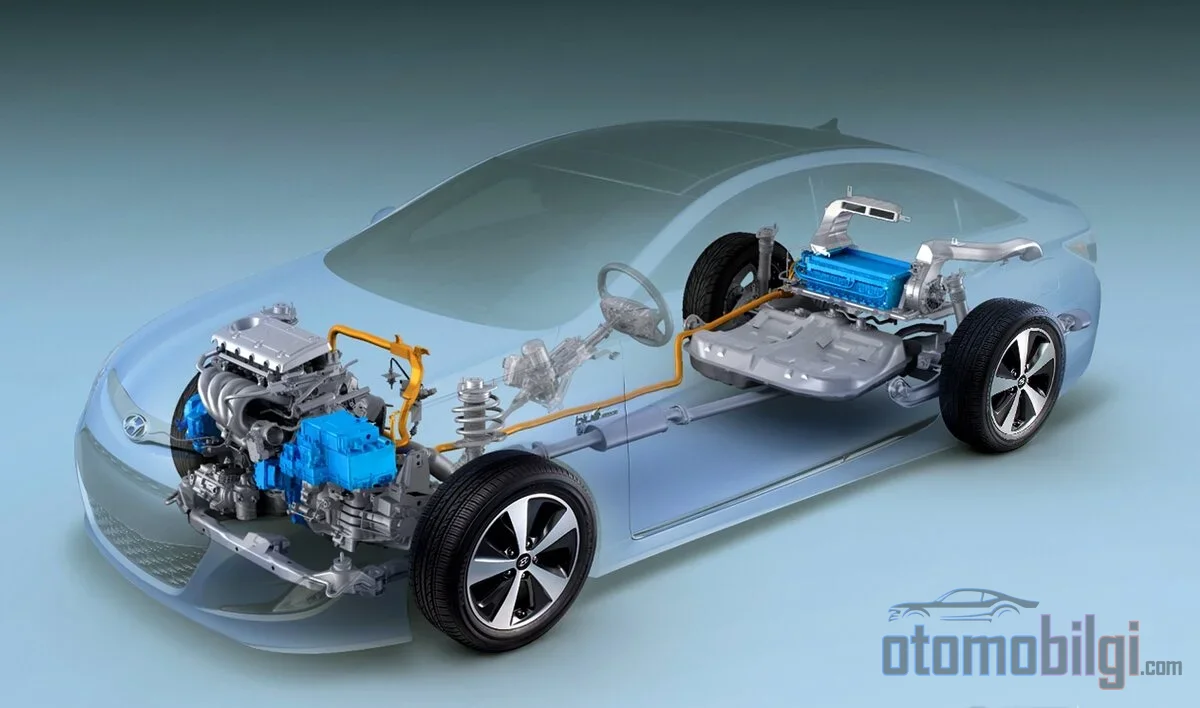
When a catalog lists a hybrid with a 143-horsepower gasoline engine, a 181-horsepower electric motor and 204 horsepower of system output, the math looks upside down: 143 plus 181 equals 324; so where did the missing 120 horsepower go? This question crosses the mind of almost everyone looking at hybrid vehicles for the first time through a technical spec sheet, and the answer is not as simple as "the manufacturer is exaggerating." In reality there are three separate physical reasons, and each one touches on a distinct engineering discipline: the operating character of the engines, the power transmission limits of the electrical system, and how power is measured.
Two Motors Never Meet at Peak at the Same Time
The first reason a hybrid's combined output is lower than the simple sum is timing. A gasoline engine only reaches its peak horsepower at high revs; for example, Honda Accord's 2.0-liter hybrid engine delivers its maximum power at 6,100 rpm. The electric motor, on the other hand, produces its maximum torque from a standstill, from very low revs, and its torque falls as revs rise. The peaks of the two power units therefore do not coincide.
The picture works like this: When the internal combustion engine reaches its maximum torque, the electric motor's output has already begun to decline; a small gap opens up between the two power contributions, and the combined value falls below the simple sum. The electric motor typically delivers constant torque up to the revs we call its base speed, and beyond that point torque falls. Therefore the electric motor's real job is not to add horsepower to the gasoline engine at high revs, but to close the torque gap at low revs, in the region where the gasoline engine is at its weakest. At low speeds the electric motor takes over or assists; at high speeds the gasoline engine, operating in its efficient zone, takes over.
On top of that, the transmission architecture itself decouples the revs from each other. In power-split hybrids, engine speed is not mechanically tied to wheel speed; thanks to the planetary gear set, the engine, generator and wheels can all spin at different speeds. This is, in a sense, the carrying principle of hybrids: the power produced by the primary power source can be decoupled from the power the driver is demanding at that moment. But this flexibility does not mathematically guarantee the moment when both motors operate at the same peak simultaneously.
Key Takeaways
- In a hybrid, the combined output is almost always lower than the simple sum of the motors' power, because the peaks do not occur at the same time.
- In the Honda Insight, while the drive motor alone produces 129 hp, the system total is stated as 151 hp.
- The SAE J2908 standard (January 2023) defines a comparable "rated system power" for hybrid and electric vehicles.
- The electric motor's maximum power depends on battery voltage, inverter capacity and state of charge.
- Although hybrids look low on horsepower, they deliver serious gains in torque: in the example, torque increases by 40% while the horsepower gain is comparatively small.
Torque and Horsepower Do Different Jobs
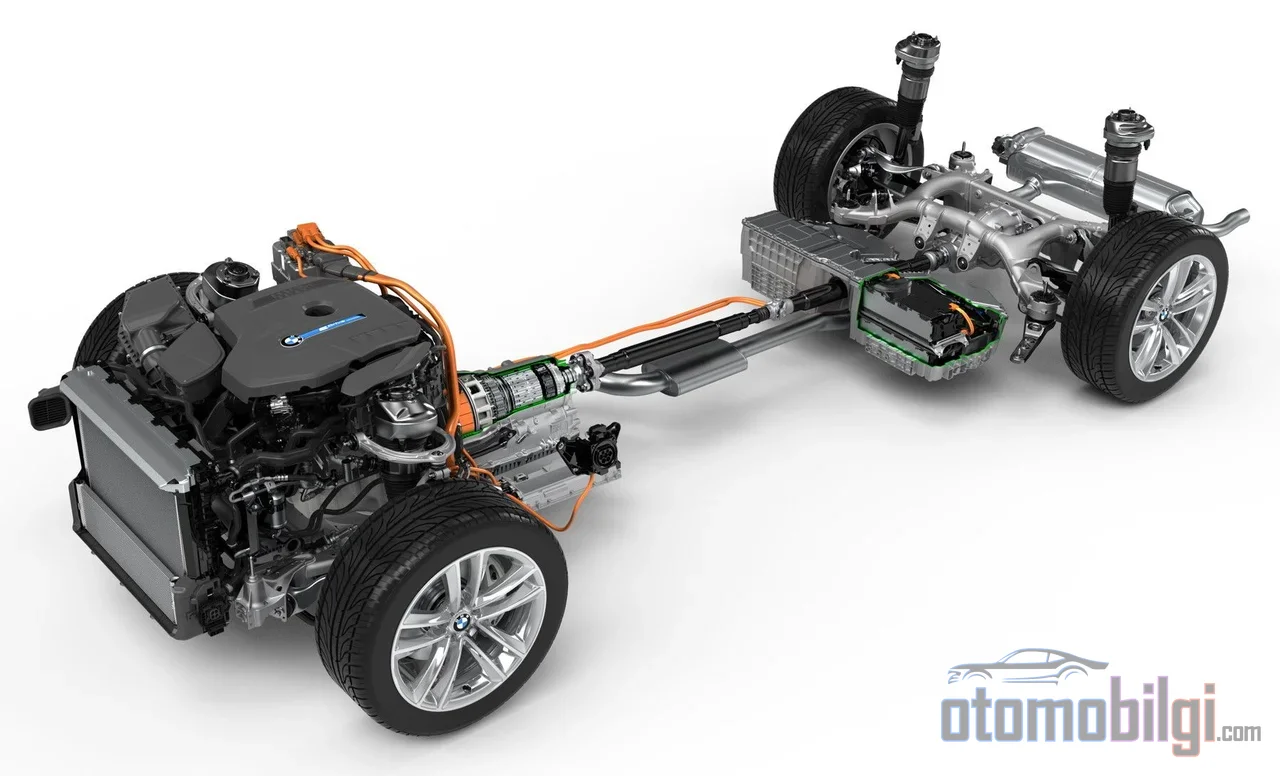
Here we need to distinguish two concepts that are often confused. Torque is rotational force: it determines fast off-the-line acceleration, strong pull, and the ability to tow under load. Horsepower, on the other hand, is the rate of doing work, and in practice it increases with the product of torque and engine speed. An electric motor delivers full torque from a standstill; an internal combustion engine's torque, however, is minimal at low rpm. The entire logic of hybrid architecture is to have these two characters complement each other.
The result takes shape accordingly: Even if a hybrid vehicle's catalog horsepower looks modest compared to a rival gasoline car, the difference on the torque side is large. In user experiences comparing gasoline and hybrid versions of the same body, the drive motor's torque rises from 179 lb-ft to 247 lb-ft - an increase of roughly 40% - while the horsepower gain remains relatively small, such as from 190 to 204. The feel behind the wheel is far better than what the catalog horsepower figure suggests.
Voltage, Inverter, and Battery: The Electrical Side Has Its Own Limits
The second reason combined power is not simply added up is the electrical system itself. The maximum power an electric motor can produce, regardless of the motor, is only as much as three components allow: the power the battery can instantly supply, the inverter's switching capacity, and the system voltage. In traction inverter designs for vehicles with low battery voltage - that is, typical hybrids - the main design priority is for the inverter to meet the requested power output. In other words, even if the motor could electrically deliver more, the system voltage and inverter limit cap the power.
Battery conditions also come into play. The electric motor's maximum power decreases in extreme cold and as the charge drops; this is the technical background behind the common complaint that plug-in hybrid owners can only reach combined power when the battery is sufficiently charged. To standardize this variability, the industry also defines measurement conditions: the acceptable ambient temperature for testing, the battery's state of charge, warming up the vehicle, and conditioning the battery are all bound by the rule.
How Is the Combined Power in the Catalog Measured?
The third reason is the measurement method itself. For a long time there was no common horsepower measurement standard for hybrid and electric vehicles; manufacturers followed their own methods. This gap was filled with the revision of the J2908 standard published by SAE in January 2023. The standard defines a "rated system power" for hybrid, plug-in hybrid, electric, and hydrogen fuel cell vehicles that is comparable to the net horsepower of gasoline and diesel engines.
The Four Measurement Paths of J2908
The essence of the method is this: First, the vehicle is tested on a chassis dynamometer to find the speed at which it produces maximum wheel power. Since wheel power includes friction losses in the drivetrain, it cannot be directly compared to net engine power. For this reason, the output shaft power of each propulsion unit is measured or calculated under exactly the same conditions in which the vehicle produces its maximum wheel power. There are four paths the standard allows:
- Direct measurement of each drive unit's output shaft power during dynamometer testing.
- Testing components on a bench by simulating wheel test conditions.
- Determining the efficiency of drivetrain components through bench testing and calculating the output shaft power in reverse.
- Calculating power contributions via CAN data from a development vehicle or model.
The combined catalog value is formed precisely by summing the component powers found in this way. Independently auditing the accuracy of the fourth method is the hardest, and the standard text states this explicitly. The practical question that falls to the viewer in the interest of transparency is this: by which method was the combined power of a given model determined? Rare exceptions do exist: A performance hybrid that adds a 160 hp electric motor to its 495 hp V8 and declares 655 hp combined power is one of the few examples where the component sum is given exactly, and such claims are rightly examined with care.
Combined Power Values in Current Models
To make the theory concrete, let's look at the officially stated combined system powers for the 2026 model year. The values in the table are manufacturer data, and in each one the boundary logic that the sum of component powers cannot simply be exceeded applies.
| Model | Combined System Power | Note |
|---|---|---|
| Honda Accord Hybrid (2026) | 204 hp | Gasoline version 192 hp |
| Lexus NX 350h (2026) | 240 hp | 2.4-liter engine + electric motors |
| Toyota 4Runner i-FORCE MAX (2026) | 326 hp / 465 lb-ft | The most powerful drivetrain in the series |
| Ford Maverick Hybrid (2026) | 184 hp | 2.5L engine, power-split e-CVT |
| BMW X5 xDrive50e | 483 hp | 38 miles of electric range |
Another striking example given by Honda itself is the Insight: while the traction motor, which provides all of the drive, produces 129 hp and 197 lb-ft on its own, the system's combined output is stated as 151 hp. It can be seen at a glance that engine power is not added to the system one-to-one.
Short Answer: Where Are the Horsepower Going?
The clear answer to the question is this: In a hybrid, the two power units rarely operate at peak power at the same time; the electric motor provides not power at high rpm but torque support at low rpm, and system voltage, inverter capacity, and drivetrain losses physically limit the maximum total output. The combined value in the catalog is not the maximum power of the components, but the measured value of the power the system can actually deliver continuously and together. That is why 143 plus 181 making 204 is not a deficiency, but the system's honest accounting. The main message for the user is this: in a hybrid, look at the torque figure, because the difference felt in daily use is hidden there.
Sources
- There's a New Standard for Measuring EV and Hybrid Power Ratings (MotorTrend)
- Honda Two-Motor Hybrid-Electric Powertrain (Honda News)
- Hybrid vehicle drivetrain (Wikipedia)
- How Electric Hybrid And EV Power Figures Could Get Confusing (CarThrottle)
- A guide to hybrid powertrain layouts (HORSE Powertrain)
- Design Priorities in EV Traction Inverters (Texas Instruments)
- 2026 Toyota 4Runner Hybrid Specs (Toyota of Glendale)
- Horsepower vs. Torque: Which Is More Important? (Kelley Blue Book)
- 2026 Accord Hybrid: 204 HP vs 192 HP Gas (Cannon Honda)
- 2026 Ford Maverick Engines (Woody Anderson Ford)