Why Don't Electric Cars Have a Spare Tire?
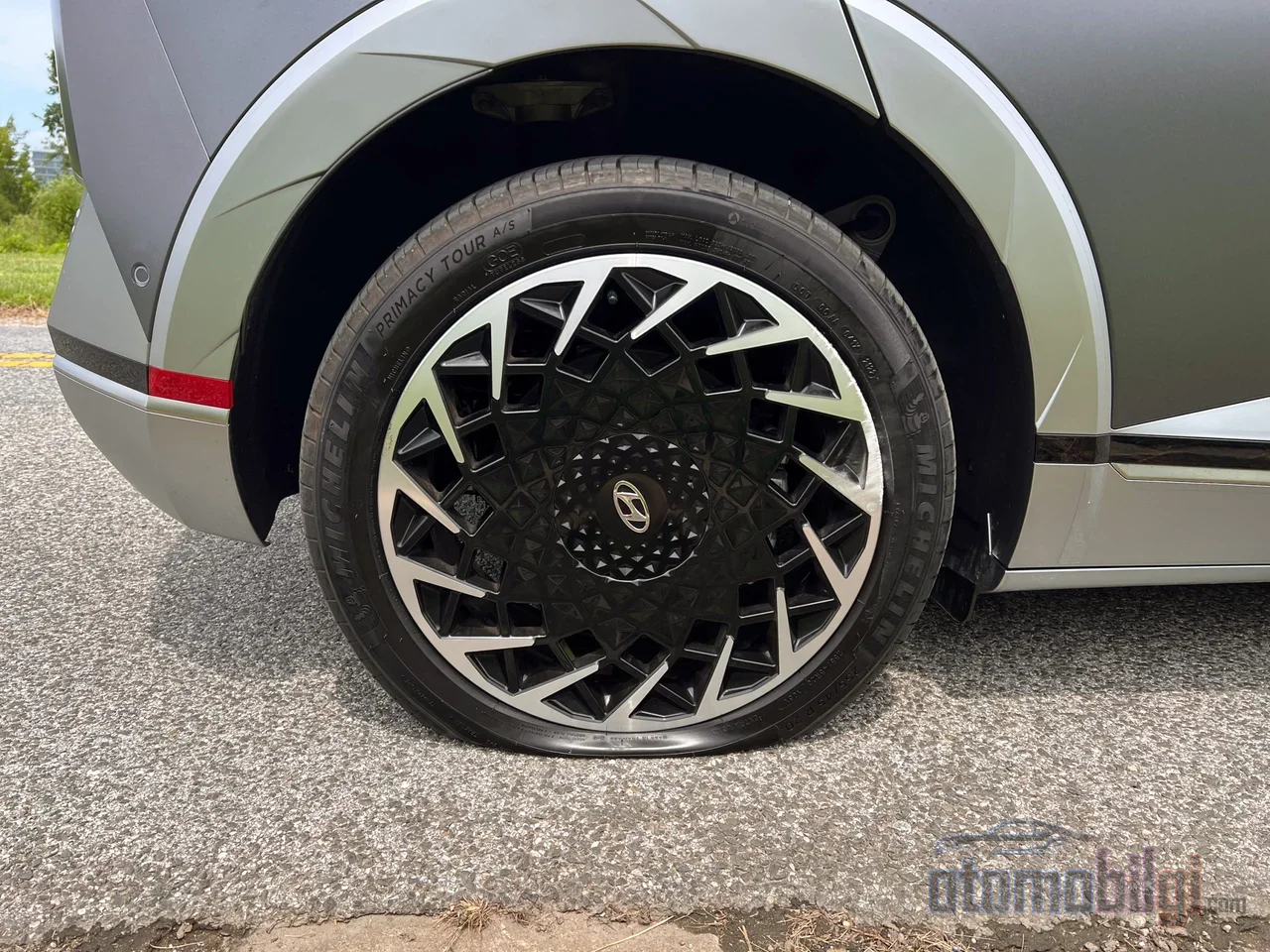
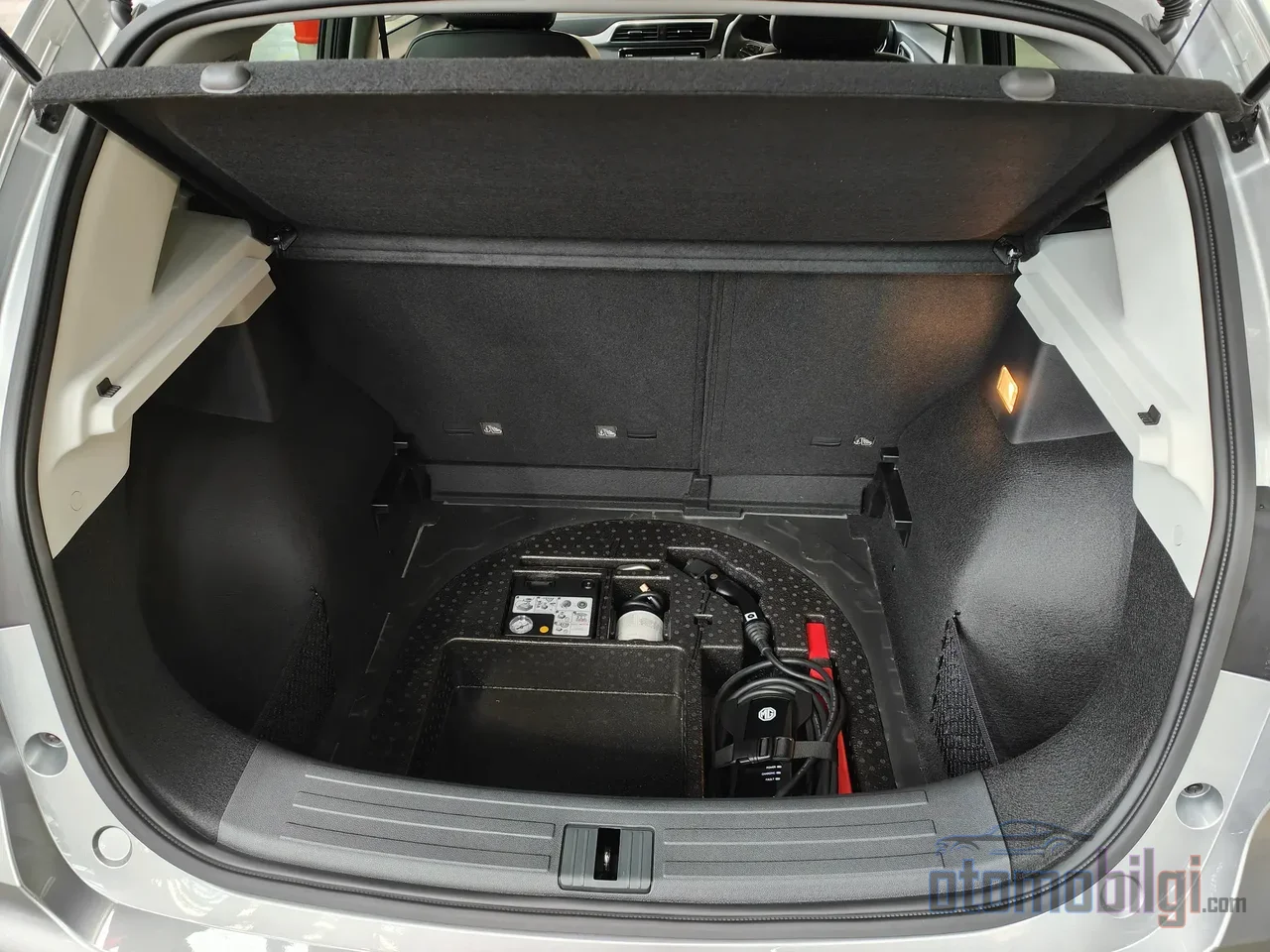
When you first open the trunk of your electric vehicle and look beneath the floor, what you will usually find is not a spare tire, but a compact tire repair kit and a 12V compressor. So why doesn't an engineering product weighing over a ton in battery mass alone and capable of producing tons of torque carry such a seemingly basic spare part? The answer is too layered to be reduced to a single reason: packaging, mass, efficiency targets, and changes in tire technology are all at play at once. On this page, we will first go through the engineering reasons one by one, and then address the realistic plan B options for a driver setting out in an electric vehicle without a spare tire.
Why Don't Most Electric Vehicles Come With a Spare Tire?
Four main reasons stand out behind the absence of a spare tire in electric vehicles: the transfer of underfloor volume to the battery pack, the goal of mass savings, range and efficiency priorities, and the evolution of tire technology. Examining each one individually is necessary to see the whole picture.
The Battery Pack Occupies the Underfloor
The largest and heaviest component in an electric vehicle is the battery pack, and this pack is typically mounted on the vehicle's floor, in a central and low position. The engineering rationale for this placement is solid: the center of gravity drops, handling improves, and packaging efficiency increases. The cost is that the space left for discrete areas like a spare tire well in the underfloor shrinks. When the battery housing structurally merges with the vehicle floor to form a sandwich structure, a traditional spare tire well effectively disappears from the design. In fact, some manufacturers and studies are performing design optimization based on directly allocating the spare tire area to additional battery cells to extend range in hybrid and electric vehicles; in other words, the spare tire well is a volume consciously transferred to the battery at the design stage.
The Mass and Range Balance
When the spare tire, jack, and tool kit are considered together, they add roughly 9-18 kg of extra mass to the vehicle. As manufacturers try to convert every kilogram into range and efficiency, this mass is deliberately excluded. An honest engineering note is needed here: the weight given to this reason is sometimes exaggerated. For example, in a vehicle like the Mercedes-Benz EQC-400, a full-size spare tire would mean a mass increase of less than one percent of the operating weight; the parameter that truly determines range is air resistance, more than mass. So the mass argument is correct, but it is not an explanation on its own.
Tire Technology and Roadside Assistance Services
Modern tires are noticeably more durable than previous generations, and tires known as run-flat, which allow you to continue driving at limited speed and distance when punctured, are becoming widespread. Manufacturers are also compensating for the lack of a spare tire on the service side by offering comprehensive roadside assistance packages. The design philosophy also supports this aspect: the majority of electric vehicle buyers prefer compact repair kits and mobile solutions over a physical spare tire.
Highlights
- Only 3 percent of new cars come with a full-size spare tire; the absence of a spare is not unique to electric vehicles.
- A spare tire and tool kit add an extra 9-18 kg of weight to the vehicle.
- Repair kits, thin spare tires and run-flat tires are typically used with limits of 80 km/h speed and 80 km distance.
- The replacement cost of a run-flat tire can be 30-50 percent higher than that of a standard tire.
Is This Problem Really Unique to Electric Vehicles?
Short answer: no. The vast majority of cars sold today do not come with a full-size spare tire; instead, a thin spare tire or a repair kit is provided. Industry data shows that only 3 percent of new cars carry a full-size spare tire, and manufacturers' two main reasons are cost and savings in weight and space. So, contrary to the marketing narrative, the absence of a spare tire did not start with electric vehicles; electric vehicles have sharpened this trend even further with the pressure of battery packaging.
Some automotive writers take an even more critical approach to the issue. According to this view, electric vehicles actually have more room for a spare tire than internal combustion engine vehicles: the electric motor takes up far less space than a piston engine, there is no fuel tank, and thanks to this a front trunk area can be opened up in purpose-built electric vehicles. According to the same approach, designing a spare tire to fit above the brakes is an easy task from an engineering standpoint; moreover, thanks to regenerative braking, electric vehicles can even use smaller brakes. The real practical risks lie elsewhere: high tire pressures and the limited supply of EV-specific tires.
Electric Vehicle Tires Work Differently
To properly ground the spare tire debate, one needs to understand the tires themselves. Electric vehicle tires are designed to carry three extra burdens: increased vehicle weight, low rolling resistance and low noise. Pressure values are also different; for example, the recommended tire pressure on a Tesla Model 3 is 42 psi, while in an equivalent gasoline-powered vehicle this value is typically around 32-35 psi. High pressure is necessary for efficiency but can also increase the likelihood of a puncture.
When weight and instant torque come into play, the picture becomes clear: electric vehicles provide a clear overall advantage over gasoline vehicles in maintenance costs, while the tire side is the weak link of this advantage. The heavier vehicle weight increases the load on the tires and the rate of wear; electric vehicle tires can be somewhat more expensive than standard tires, and it is possible to encounter tire costs in the range of 150-200 dollars per tire. There is also risk on the supply side: tires optimized for low noise, low rolling resistance and high load capacity may not be as widely available as standard sizes; in a situation requiring an urgent replacement, the procurement time may be extended. The same risk applies to run-flat and special-size tires as well.
What Should You Do If a Tire Blows Out on the Road?
If you find yourself stranded on the road with an EV that has no spare tire, you need to lay out your options while knowing each one's limits. None of them is an unconditional solution; the right choice depends on the extent of the damage and your location.
Repair Kit: The First and Fastest Option
The kit provided with the vehicle consists of a liquid sealant and a compressor that connects to the 12V cigarette lighter socket. The sealant coats the inside of the tire, and once inflated with the compressor, the tire can continue on its way. It is compact and lightweight, but it has two critical limitations: first, it stops the leak only temporarily; for a permanent repair, a tire shop must be visited. Second, the kit is suitable only for small punctures; it is useless for sidewall punctures and major damage, and a tow truck becomes inevitable. The general consensus is that using the kit should be avoided if possible, because these temporary solutions, including run-flat tires and slim spare tires, should generally be used with a limit of a maximum speed of 80 km/h and a distance of 80 km.
Plug Kit and Compressor: The Experienced Driver's Alternative
A practical alternative to the factory repair kit is to carry a tire plug kit and a compact compressor. When applied correctly, a plug can last for the remaining life of the tire and does not require a trip to the tire shop. This solution requires some manual skill, but it gives a more permanent result than the factory kit for small punctures.
Roadside Assistance, Mobile Tire Service, and Towing
When the kit falls short, it is the turn of the service chain. Many manufacturers offer comprehensive roadside assistance packages; in some regions, roadside assistance teams also carry a limited number of replacement wheels. With manufacturers like Tesla, tire replacement may not be covered under standard roadside assistance, and free support may be tied to specific conditions, such as flats occurring within an 80 km radius of a service center. Independent clubs and mobile tire services are available 24/7; with these services, clearly describing your location directly shortens the resolution time.
The insurance dimension should also be considered separately: roadside assistance and the cost of a damaged tire are different matters. Whether your policy includes assistance and, if so, whether the cost of the tire is covered, depends on the scope of your policy; knowing this distinction before being stranded prevents surprises.
Run-Flat Tires and Slim Spare Tires: Solutions Planned in Advance
A run-flat tire allows you to continue on your way for a limited distance after a puncture without stopping, but there is a price: it is more expensive than a standard tire, wears out faster, is heavier, and negatively affects range; the replacement cost can be 30-50 percent higher than a standard tire. A slim spare tire, on the other hand, is a practical alternative that more reliably gets you to a service center than a repair kit; since some manufacturers sell the spare tire and repair kit package separately as an accessory, it is possible to ask about this option before delivery. The Togg models sold in Türkiye also do not come with a spare tire; A repair kit is delivered in the trunk, and the jacking points and towing procedures are defined in the user's manual.
Pre-Purchase Checklist: Guide to Checking the Spare Tire Status
The tire issue stands out as the second critical planning topic after range anxiety in electric vehicle ownership. Users who spent 8 hours on the road while driving have demonstrated what the cost of this deficiency can be. Following these steps during the purchasing process significantly reduces the risk:
- Ask the seller in writing whether the vehicle was delivered with a full-size spare, a compact spare, or only a repair kit.
- If there is no spare, research whether the manufacturer offers a package consisting of a spare tire and jack as an accessory.
- Check whether it came with run-flat tires; if so, factor the replacement cost and range impact into your budget.
- Check how widely your vehicle's tire size and EV-specific tires are available in your market.
- Clarify your policy's assistance coverage and the conditions for covering tire costs.
- Get a plug kit and a compact compressor for small punctures and try using it once.
Summary: Why Don't Electric Cars Have a Spare Tire and What Should You Do?
The primary reason for the absence of a spare tire in electric cars is that the battery pack structurally occupies the underbody and manufacturers prefer to devote every kilogram to range and efficiency; this is accompanied by increased durability in tire technology and comprehensive roadside assistance services. However, this is the direction not only of electric vehicles but of the entire market: only 3 percent of new cars carry a full-size spare tire. The right strategy as a driver is to know the repair kit for small punctures, establish the roadside assistance chain in advance for major damage, and get the spare tire status written into the contract at the purchasing stage. A spare tire is not an engineering necessity, but a design choice; as the party who owns the choice, it is up to you to manage this choice consciously.
Sources
- Why don't electric cars have spare tires? Explained.
- The truth about EVs and spare tyres
- Electric Vehicles Without a Spare Wheel: Batteries Replace the Traditional Solution
- The spare tire is becoming history - Hürriyet
- Tire Repair and Maintenance - Tesla Support
- Why you shouldn't use your tyre repair kit if you can avoid it
- Tire Blew Out: No Spare Tire - Roadside Assistance or Tow Truck?
- Does Togg Have a Spare Tire? - Elektrikli Türkiye
- Spare tire and tire repair kit package - DS Automobiles
- Does Comprehensive Insurance Cover a Tire Blowout?