When Should the Cabin Filter Be Changed in an Electric Car?
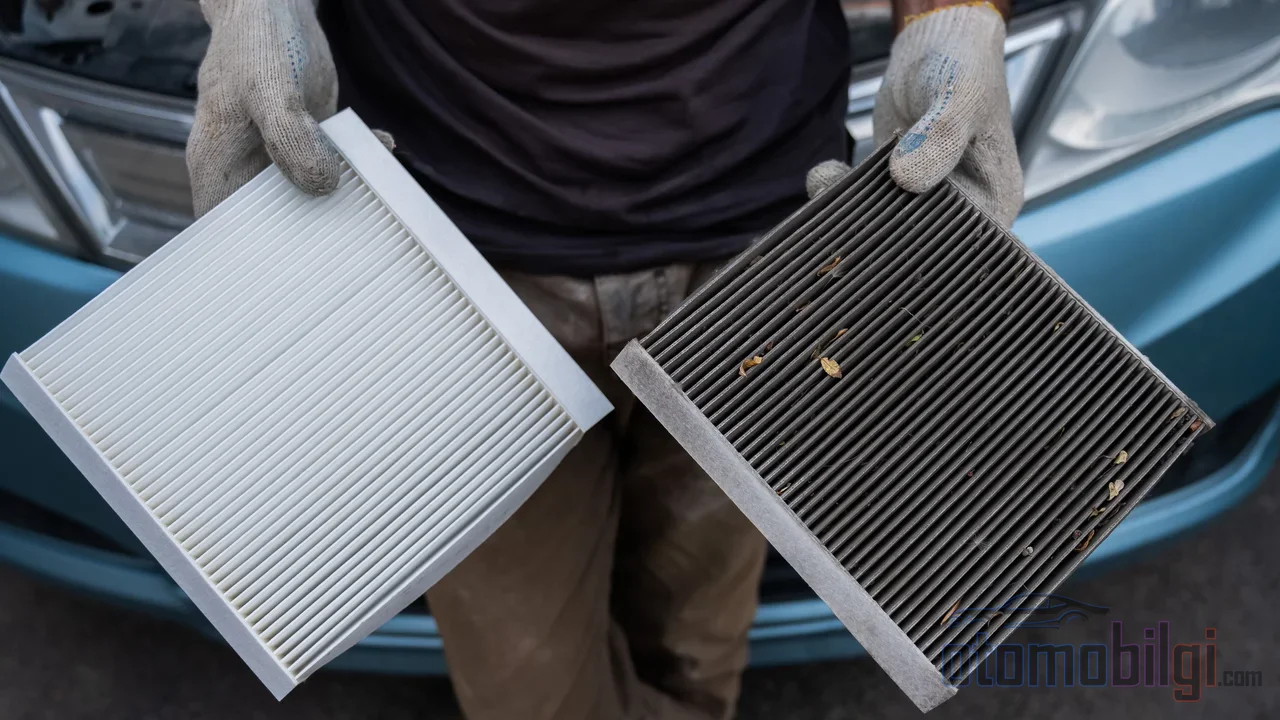
The maintenance list for electric cars has shrunk dramatically: no oil changes, no spark plugs, no exhaust system. Precisely because of this, many electric vehicle owners overlook the few items that remain on the list. The cabin filter is at the top of them. In a vehicle with an internal combustion engine, there is a separate air filter that filters the air going to the engine; in an electric vehicle, this part does not exist at all. The only remaining air filter is the cabin filter, which cleans the air entering your cabin, and its role becomes even more distinct compared to gasoline vehicles: because the only air left to filter is now the very air you breathe.
So when should this filter be replaced? The short answer varies from manufacturer to manufacturer, but the general picture falls within the 15,000-30,000 km or once-a-year inspection range. In this article, we will cover replacement intervals by brand, the factors that shorten the interval, and the chain through which clogging reflects on climate efficiency and therefore range.
The Role of the Cabin Filter in an Electric Vehicle and How It Differs from Gasoline
The cabin filter is part of the heating, ventilation, and air conditioning (HVAC) system. It is made of folded paper or fabric material and filters dust, pollen, and other particles from the air entering the cabin. Since the air inside the vehicle can be up to ten times dirtier than the outside air, this small part does far more work than expected.
A vehicle with an internal combustion engine has two separate air filters: an engine air filter that filters the air going to the engine, and a cabin filter. In an electric vehicle, there is no engine air filter; there is a cabin filter and, in some models, a separate filter for the battery pack. Therefore, from the perspective of an electric vehicle owner, the only air filter on the maintenance list is the cabin filter.
The practical result of this is: filters that are changed in a gasoline vehicle for the health of the engine become a single item in an electric vehicle that depends entirely on passenger comfort and interior air quality. If you neglect the filter, your engine will not be harmed; your nose, your lungs, and your climate system pay the price.
Highlights
- General manufacturer recommendation: 15,000-30,000 km or annual inspection
- Electric vehicles generate on average 50% less maintenance cost over their lifecycle than gasoline vehicles
- HEPA filters capture at least 99.97% of particles down to 0.3 microns
- Do-it-yourself replacement takes 20-30 minutes in most models and requires no special tools
What Do Manufacturers Say About Cabin Filter Replacement Intervals?
There is no single universal figure for the replacement interval; each manufacturer sets a schedule based on its own test conditions. However, the figures cluster within a distinct range: brands generally recommend a replacement every 15,000-30,000 km.
| Manufacturer / Source | Recommended Replacement Interval |
|---|---|
| Tesla (Model 3 / Model Y) | 2 years or 40,000 km |
| Tesla (HEPA and carbon filters) | Once every 3 years |
| Hyundai (electric models) | 15,000 km or once a year |
| Toyota (electric models) | 24,000-48,000 km or 2 years, whichever comes first |
| Bosch (HEPA cabin filter) | Approximately 19,000 km or according to the user manual |
| General industry recommendation | Once a year or every 20,000-24,000 km |
Tesla stands out with a notable distinction: instead of giving a fixed mileage interval, the company suggests durations on a per-item basis. On Tesla models equipped with the advanced HEPA filter that offers a high-pressure biological-agent defense mode, replacing this filter is recommended every 3 years.
Does Mileage or Time Matter More?
The classic mistake owners of lightly used vehicles make is not replacing the filter for years because the mileage limit has not been reached. Filter contamination is proportional not only to the distance driven but also to the particulate load in the air. The filter of a lightly used vehicle also gets dirty over time, and in humid climates mold and bacteria growth accelerates in a saturated filter. Therefore, the right approach is to act according to whichever limit is reached first, mileage or time.
Factors That Shorten the Replacement Interval
Manufacturer intervals assume average conditions. The real world can be far above or below that average. If several of the following conditions apply to you, you should shorten the interval, or even switch to annual replacement.
- Dusty or dirty air: In regions with heavy air pollution and in dusty climates, the filter fills up much faster.
- Pollen season: In spring, the heavy pollen load saturates the filter quickly; drivers with allergies should set off with a fresh filter at the start of the season.
- Heavy traffic and frequent fast-charging trips: Stop-and-go traffic and long summer distances, with the air conditioning running constantly, increase the volume of air passing through the filter.
- Parking under trees: Pollen, resin and leaf debris quickly foul the air intake.
- Humid climate: In rainy regions, mold and bacteria grow in a saturated filter; bad odors appear well before the official interval.
While 18 months may be a reasonable interval in a rural setting with dirty but lightly used conditions, for a vehicle exposed to heavy traffic and parked under trees this period drops to 12 months, and in dusty climates it can fall even lower. How you use the vehicle is the real variable that determines the interval.
Signals That the Filter Needs Replacing
You do not have to wait for the interval; the vehicle announces itself. A sour, musty smell from the air conditioning or heating is the first sign of bacteria and mold growth. Reduced airflow from the ventilation vents and the fan audibly straining are the direct results of blockage. Fogged-up windows that will not clear, reduced heating and cooling performance, and dust accumulating on the dashboard are all links in the same chain. When one of these signals appears, look at the filter, not the calendar.
How Does a Clogged Filter Affect the Air Conditioning and Range?
Here an energy chain comes into play that is of direct interest to the electric vehicle owner. A clogged cabin filter increases the load on the air conditioning compressor, extends the system's operating time, reduces energy efficiency and accelerates wear on the air conditioning system components.
In a gasoline vehicle, this extra load is reflected in fuel consumption. In an electric vehicle, the same load is covered by electricity drawn from the vehicle's own battery. When the air conditioning cannot operate efficiently, it draws more energy from the battery, which indirectly shortens the range that a charged battery offers you. Neglecting a few hundred grams of filter paper can turn into a measurable loss of comfort and range.
Filter Types: Standard, Carbon, or HEPA?
There are three basic types of cabin filters on the market, and the choice should be made according to your usage habits.
- Standard particulate filter: Effective against dust and pollen; it offers no odor control and typically captures particles up to 10 microns.
- Activated carbon filter: As good as standard when it comes to dust and pollen, and the strongest option for odor control. It is a reasonable choice for overall balance.
- HEPA filter: Captures at least 99.97% of particles up to 0.3 microns; it also traps particles the size of bacteria and viruses. It is the best solution for allergy sufferers and heavy traffic use, but it is more expensive and not as good at odor control as the carbon filter.
A concrete example on the cost side: Replacing the HEPA and standard cabin filters together in a Tesla Model Y typically falls in the range of 150-350 dollars for the Dallas-Fort Worth area in the US. The price; depends on the model, the complexity of the labor, and whether the two filters are replaced together. The standard particulate filter, on the other hand, is a much lower-cost item and occupies a place of only tens of dollars in electric vehicle service bills.
Can You Replace It Yourself?
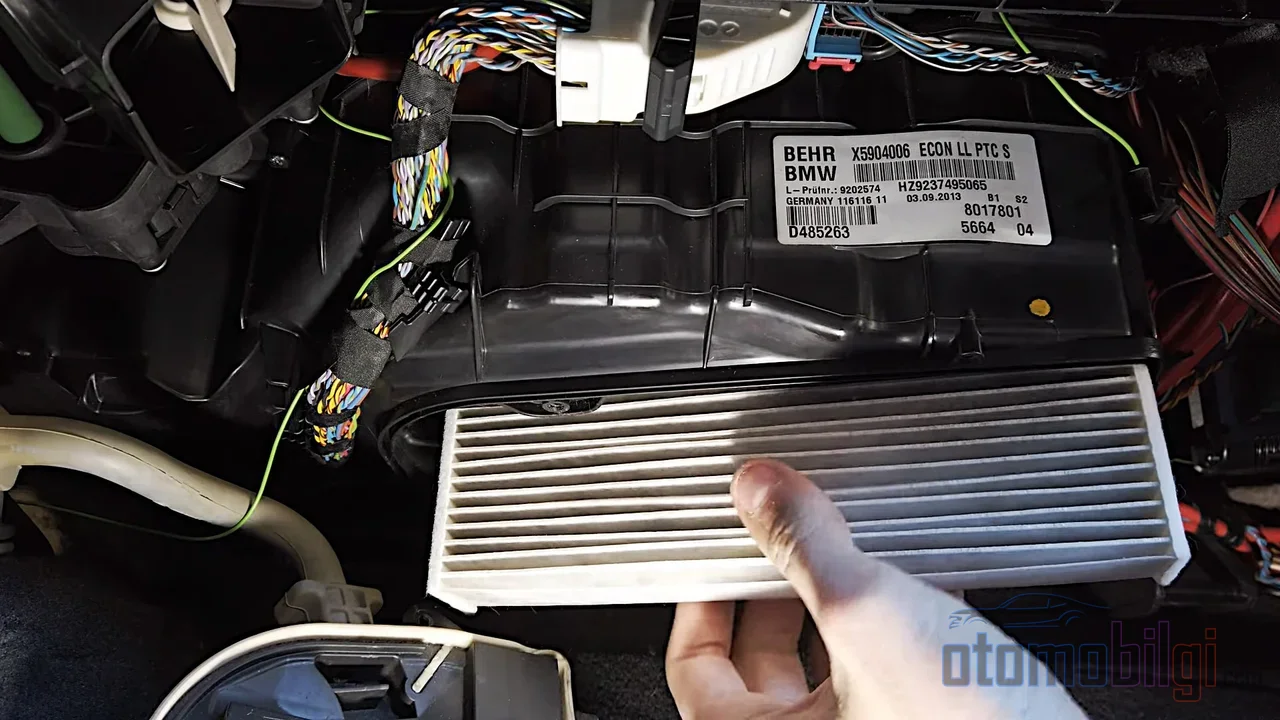
The answer is yes for most models, and the time is surprisingly short. In the Tesla Model 3, the filter is located behind the glove box; replacement takes 20-30 minutes, and a trim removal tool or a flathead screwdriver is enough. Access is generally behind the glove box on the passenger side; in some vehicles, no tools are needed at all. The most common mistake is installing the filter backwards; the airflow arrow on it must be positioned facing the fan motor.
The labor aspect also explains the price difference: authorized dealer networks may charge a high premium for this half-hour job, while independent specialist services do the same job at a more transparent price. If you replace it yourself, the labor cost disappears entirely, leaving only the cost of the part. Many parts stores also offer this small task as a very low-cost, sometimes free, service.
What Is the Effect on the Warranty?
Driving with a dirty filter does not invalidate the warranty. The real question is the consequences of having the replacement done outside an authorized service. In terms of Turkish legislation, having maintenance performed at private services holding a TSE service competency certificate, in accordance with technical standards, does not void the manufacturer's warranty. The protection of the Block Exemption regulation also requires that maintenance be carried out in accordance with these standards. Practical advice: on a vehicle under warranty, using a filter that matches the original equipment number and keeping the invoice puts an end to any dispute that may arise later.
Short Answer: When Should the Cabin Filter in an Electric Car Be Replaced?
In an electric vehicle, the cabin filter is generally replaced every 15,000-30,000 km or once a year as the manufacturer's recommendation; by brand, this interval ranges from Hyundai's 15,000 km to Tesla's 2 years or 40,000 km. Dusty climates, pollen season and heavy air conditioning use shorten this interval down to annual replacement. If you notice air conditioning odor, weak airflow or persistent fogging on the windows, have the filter checked without waiting for the schedule.
The bigger picture to keep in mind is this: electric vehicles, containing 90% fewer moving parts, generate on average 50% less maintenance cost over their lifecycle compared to gasoline vehicles. The cabin filter is one of the cheapest and easiest items on this short list; in some vehicles you can even set aside an hour and do it yourself. A low-maintenance vehicle does not mean a maintenance-free vehicle, and the air you breathe is exactly where this difference matters most.
Sources
- Tesla Model Y Maintenance Service Intervals
- Best Tesla Model 3 Cabin Air Filter: 2026 Guide
- Cabin Air Filters for EVs: Are they Different?
- Your Car's Cabin Air Filter Explained
- HEPA Cabin Filter
- Cabin filters: This is how often it should really be replaced
- 2026 Tesla Model Y Juniper HEPA + Cabin Filter Replacement