When Should Which Part Be Replaced During Periodic Maintenance?
Share This Page
Engine oil is on everyone's mind at periodic maintenance; yet there are many other parts that determine the same vehicle's lifespan, and none of them stays in memory as often as the oil. The air filter, cabin (pollen) filter, spark plugs, transmission and actuator oils, brake fluid, and wiper blades: each has its own replacement interval, its own early warning signs, and its own cost of delay. This page brings all of these items, except engine oil, together in a single maintenance calendar in terms of kilometers and time; but let's make one thing clear from the start: all values here are general frameworks, and the ultimate reference for each vehicle is the manufacturer's owner's manual. The most common pattern I have seen over more than thirty years is this: vehicles that are well cared for at long intervals, with oil changed on time but whose spark plugs and filters are forgotten; they all end up at the same door.
Highlights
- Engine air filter: approximately 48,000-72,000 km or so, some manufacturers say every 48,000 km
- Cabin filter: in most manufacturers, once a year or 20,000-24,000 km; in some, every two years
- Spark plugs: copper, every 48,000-80,000 km; platinum/iridium, every 96,000-160,000 km
- Automatic transmission fluid: under normal use, 60,000 miles (approximately 96,000 km), twice as often under heavy use
- Wiper blades: every 6-12 months or as soon as performance drops
Maintenance Calendar: Which Part, by Kilometer or by Time?
First, let's establish the philosophy of the matter. Periodic maintenance has two clocks running at the same time: the first is the odometer, the second is the calendar. Filters and spark plugs largely wear out by mileage; but the wiper blade, being a rubber part, ages even if you don't use the vehicle. Brake fluid is also time-based, because due to its hygroscopic nature it absorbs moisture from the air and loses its properties regardless of mileage. That's why a healthy calendar checks each item by both distance and time, and takes whichever comes first as the basis.
The table below shows all items at a glance, together with their intermediate values. I explain why the differences between manufacturers are so wide in the next section; for now, read the table as a framework.
| Part | Typical replacement interval | Cost of delay |
|---|---|---|
| Engine air filter | 48,000-72,000 km | Reduced fuel efficiency, carbon buildup on spark plugs |
| Cabin (pollen) filter | Once a year or 20,000-24,000 km | Weak airflow, odor, increased dust and pollen |
| Spark plugs (copper) | 48,000-80,000 km | Hard starting, misfiring, increased fuel consumption |
| Spark plugs (platinum/iridium) | 96,000-160,000 km | Ignition is strained, the catalytic converter is put at risk |
| Automatic transmission fluid | 30,000-60,000 miles (30,000 miles under heavy use) | Deterioration in shifting quality |
| Manual transmission oil | 30,000-60,000 miles | Early gear wear |
| Brake fluid | Approximately 2 years or 30,000-40,000 miles | Softening pedal, drop in wet boiling point |
| Wiper blades | 6-12 months | Streaking, skipping, smeared cleaning on the windshield |
Filters: The Engine's Breath and the Cabin's Air
When should the engine air filter be replaced?
General recommendation 48,000-72,000 km range; some manufacturers give a clear value in their manuals, for example one brand has defined this value as 48,000 km for a hybrid model. You may see calendars circulating on social media with short intervals like 10,000-20,000 km; these figures are significantly below manufacturer values, and replacing the filter early causes no harm but is unnecessary expense. Vehicles driven on dusty roads or in heavy traffic may need shorter intervals; the most practical method is to have the filter visually inspected at every oil change.
A clogged air filter restricts the air going to the engine and fuel efficiency drops. More importantly, if a rich mixture is sustained for a long time, excess fuel can accumulate as carbon on the spark plugs without fully burning. So the part you look at as an air filter is actually an item that also extends the life of the spark plugs; the two are not independent of each other.
Cabin (pollen) filter: how often should it be replaced?
The cabin filter is the part that traps dust and pollen from the air taken in, hidden under the windshield and often forgotten. Most manufacturers 12,000-15,000 miles or once a year recommend replacement; some brands' official manuals define this interval as 20,000 miles, while others define it as every two years. This difference between brands is normal; in dusty or high-pollen regions, annual or more frequent replacement is preferred.
You notice the symptoms with your ears and nose: the airflow from the vents weakens, a musty or dirty smell is noticeable when the air conditioning is running, and dust increases inside the cabin. When the filter responsible for trapping pollen and dust becomes clogged, it starts recirculating these substances; complaints visibly increase among passengers with allergies or respiratory sensitivities. Replacing it once a year at the start of the season is both an inexpensive and memorable habit.
Spark Plugs: The Material Says It All
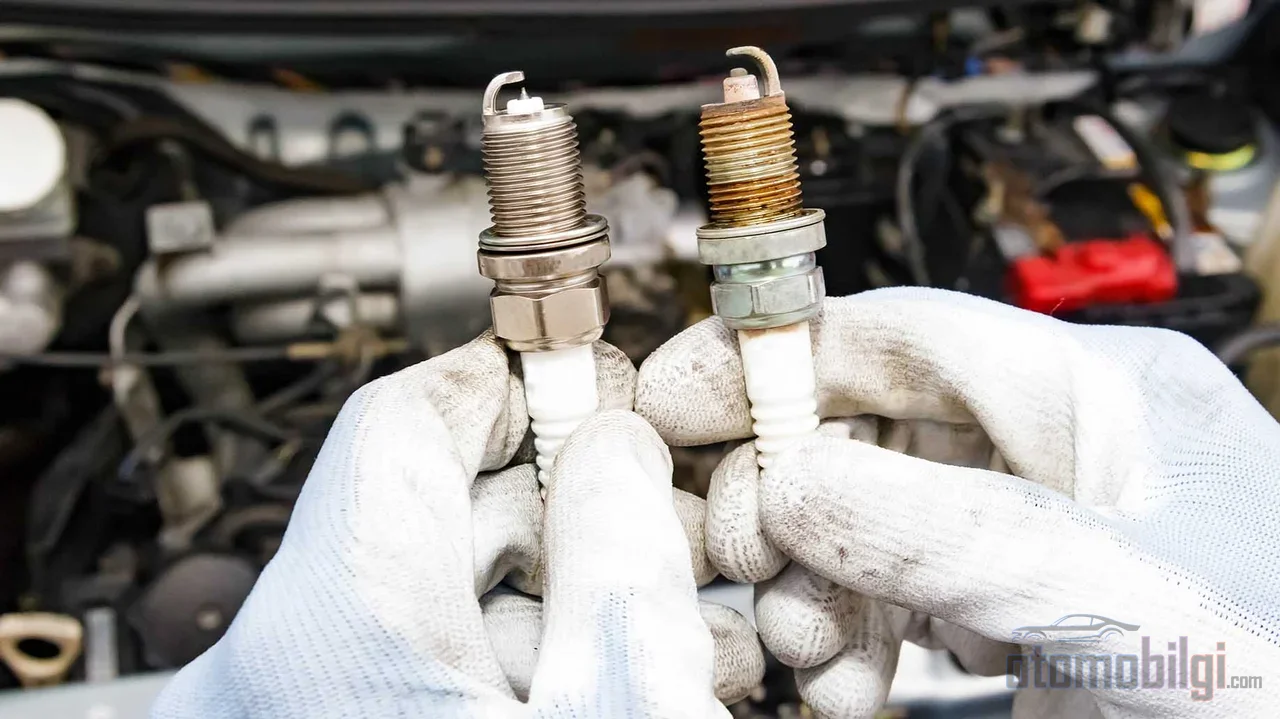
There is no single universal figure for spark plug replacement; the material is the determining factor. Classic spark plugs with copper electrodes 48,000-80,000 km have a lifespan of. Platinum and iridium spark plugs, on the other hand, go up to 96,000-160,000 km; most modern vehicles fall into this group, and some manufacturers define spark plug replacement in their official manuals as 100,000 miles (160,000 km). In turbocharged engines, the interval may be shorter; there are official schedules calling for replacement around 42,000-45,000 miles. A spark plug that was replaced at 60,000 km a few years ago can now travel twice the distance in the same engine; whereas the maintenance booklet used to be a notebook full of frequent entries, it now consists of long-interval but expensive items.
The consequences of delay are also tangible. A weak spark ignites the fuel-air mixture inefficiently; hard starting, hesitation during acceleration, rough idling, increased fuel consumption, and the check engine light are the classic symptoms. As the ignition system struggles, it demands higher voltage. The most expensive scenario is this: unburned fuel passes into the exhaust system and can damage the catalytic converter; a problem that could have been prevented with an inexpensive spark plug change turns into a converter replacement. This is a frequently asked question: the manual says 60,000 km, the car runs flawlessly at 100,000 km - can the interval be stretched? Sometimes it can, yes; but the gain is a few thousand kilometers, while the risk is an expensive component. Do the math accordingly.
Transmission and Actuator Oils: Long Intervals, Expensive Consequences
Transmission oil is the unsung sibling of engine oil. In automatic transmissions, most manufacturers 30,000-60,000 miles recommend a change within this range; stop-and-go traffic, towing, and mountainous terrain - which fall under the definition of heavy use - bring the interval down to 30,000 miles. Some newer vehicles state that with synthetic oils they can go up to 100,000-150,000 miles; the difference between manufacturers can be this wide, and both are correct according to their own engineering calculations. In manual transmissions the interval is similar: 30,000-60,000 miles.
The point that must be underscored here is that the "lifetime oil" claim is not always true in practice. The 150,000-mile interval in the manual is a value measured under ideal conditions; in reality, the same vehicle's transmission is strained far more in city traffic. The cost of postponing transmission maintenance starts with degraded shift quality and extends to expensive internal components. The same logic applies to actuator and differential oils: the more expensive the component, the more sensible an insurance its protective oil change is.
Brake Fluid and Wiper Blades: The Items Time Glances Over
A single paragraph on brake fluid will suffice here; after all, our site already has a comprehensive page on this topic. In summary: hydraulic brake fluid absorbs moisture, its wet boiling point drops over time, and there is a risk of vaporization under heavy braking. The general guideline is about two years or 30,000-40,000 miles; some manufacturers' official maintenance schedules call for a change at 48,000 miles. For detailed symptoms and testing methods, you can check out our brake fluid page.
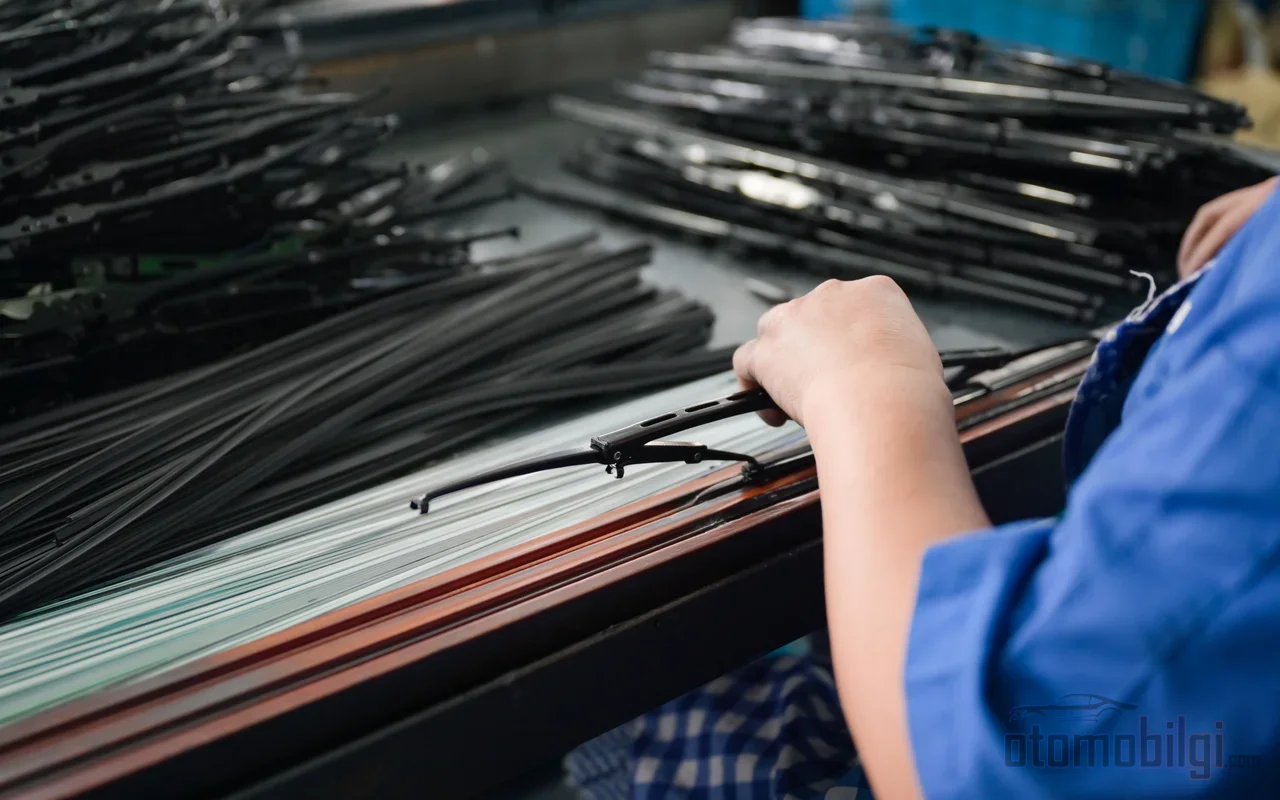
Wiper blades, on the other hand, are parts that can never be measured in mileage; the general rule is 6-12 months or whenever performance drops. Wear reveals itself immediately: leaving streaks or spots on the glass, skipping and chattering noise, smeared cleaning, cracks or swelling in the rubber, poor contact with the glass. Extreme heat and cold, frequent use, parking in the open, and sun exposure shorten their lifespan. Replacing them once a year is the most accurate habit regardless of weather conditions; the shadow of a faulty wiper in nighttime rain is larger than most drivers realize.
Why Should the Manufacturer's Manual Be Taken as the Basis?
All the intervals in this article are general guidelines; every vehicle's actual schedule is in its own owner's manual. The reason is simple: the manufacturer sets the intervals based on engineering tests of its own engine, transmission, and filters, and defines deviating from the manual as a risk that may void warranty coverage in some cases. The ideal interval is also a combination of three variables: the manufacturer's recommendation, mileage, and usage conditions. Stop-and-go traffic, extremely hot or cold climates, dusty roads, and short-distance driving fall under the "severe use" definition in classic literature and tighten nearly every item.
My thirty-year professional habit is this: keep the manual in the glove box, and once measure and mark every item on the schedule according to your vehicle's actual use. General schedules circulating on social media are a useful reminder; but the figure comes from the manual, the schedule merely wakes you up.
Conclusion: A System That Can Be Set Up in a Single Evening
Periodic maintenance is not a routine consisting of a single item, engine oil alone. Have the air filter checked at oil changes, renew the cabin filter once a year at the start of the season, replace the spark plugs at the mileage appropriate to their material, shorten the transmission oil interval according to your usage conditions, tie the brake fluid to its two-year clock, and hang the wipers on the calendar once a year. Not all at once; but once everything is planned, what your car gives back to you is many times over the cost: trouble-free kilometers.
Sources
- Scheduled Maintenance – Ford Owner Manual
- What are the Mazda Maintenance Schedules?
- How to Know When to Change Your Cabin Air Filter
- Recommended Car Maintenance Service
- When to Change Transmission Fluid
- How Often Should You Change Your Car's Fluids?
- How Often Should I Change My Car's Fluids?
- Dirty Air Filter Symptoms
- How to Tell if Your Cabin Air Filter is Dirty
- Does a Car Cabin Air Filter Have Specific Service Intervals?
- The Impact of Spark Plug Replacement and Regular Tune-Ups
- When to Replace Your Windshield Wipers and Why It Matters
- How Often Should You Replace Wiper Blades?
- Signs You Need a New Windshield Wiper Blade