Women Drivers in WRC from Michèle Mouton to Today
Share This Page
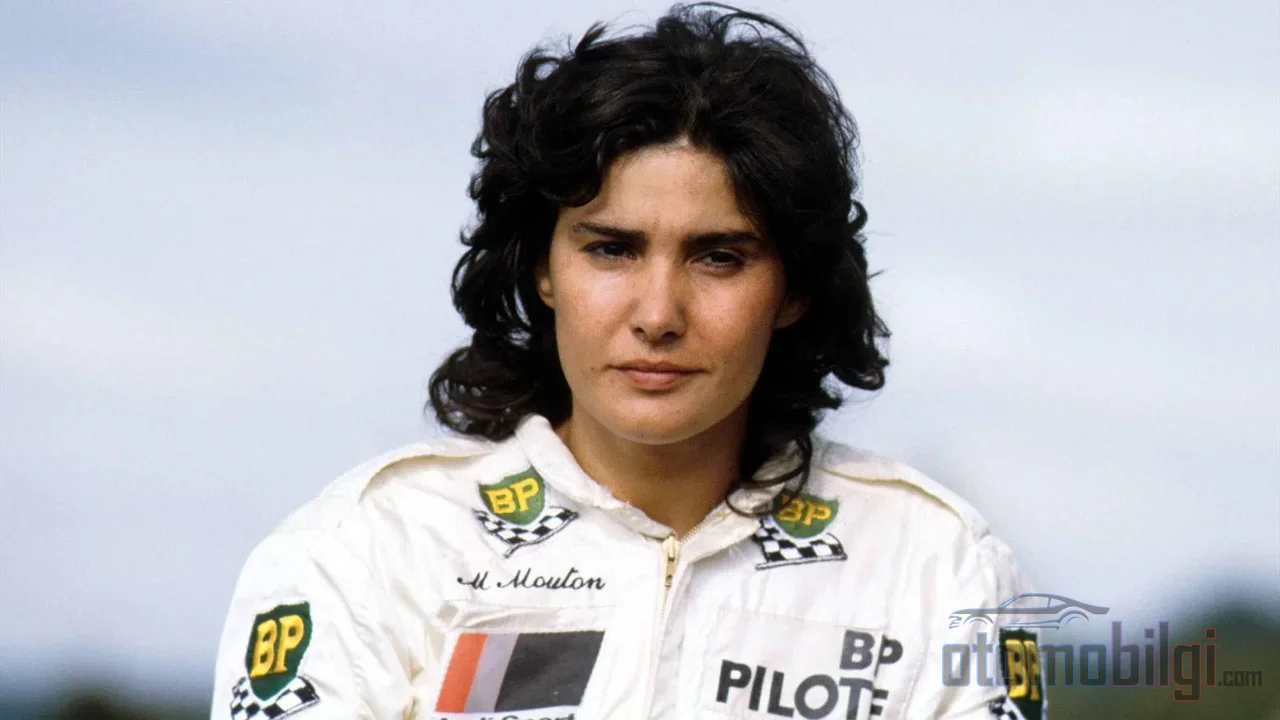
At the wheel of the Audi Quattro, in a championship dominated by the Group B monsters, a female driver was leaving all the men behind and gunning for the title. Moreover, her rivals were so narrow-minded that they would refuse to race against her. Yet Michèle Mouton paid no attention to the reactions; she simply put her foot down. So what happened after this most colorful story in WRC history? How far did female drivers manage to go down this road? Let's take a look together at the journey of women in the WRC from the 1980s to today.
Michèle Mouton: The First Female Driver to Win a WRC Event
Michèle Hélène Raymonde Mouton was born on June 23, 1951 in the town of Grasse, France. Her relationship with the rally world began in an interesting place: She first sat in the co-driver's seat and read the maps at the 1973 Monte Carlo Rally, the very first WRC event. In 1974, she stepped onto the WRC stage as a driver at the Tour de Corse with the Alpine-Renault A110 and finished her first race in 12th place.
But the real turning point came in 1981. Audi Sport brought her into its roster, and in her first year Mouton won the Rallye Sanremo, becoming the first female driver to win a WRC event. What's more, before this victory, one of her rivals had openly stated that he would never lose to a woman that weekend. And Mouton's response? She gave it behind the wheel. I'm telling you, it's one of the sweetest comebacks in sporting history in my opinion.
Meanwhile, Mouton didn't limit herself to rallying: In 1975, she won the two-liter prototype class at the 24 Hours of Le Mans with an all-female team alongside Christine Dacremont and Marianne Hoepfner. In other words, she wasn't just a "fast female driver" - she was a truly versatile racing driver.
The 1982 Season: The Breakdown That Came Four Points from the Title
The heart of Mouton's story is the 1982 season. She took victories in Portugal, Brazil, and the Acropolis Rally in Greece; in Portugal, she absolutely demolished her rival Per Eklund with 18 stage wins. At the end of the season, she finished second in the drivers' championship, just behind Walter Röhrl. Audi, meanwhile, reached the manufacturers' championship for the first time, going down in history as the first German brand to do so.
To explain why the championship slipped away - this is the most heartbreaking point of the story: Before the Ivory Coast Rally, Mouton lost her father to cancer. For her, starting rallying had always been her father's wish. She crashed on the final day of the rally and handed the championship to Röhrl. Even Röhrl admitted that he had no doubt about her talent but that her being a woman was what bothered him. So right there, in front of everyone's eyes, was a genius being held back by her rivals' attitudes toward the sport. Even so, that season she was named International Rally Driver of the Year at the first Autosport Awards.
Highlights
- 1981: Michèle Mouton won the Rallye Sanremo, becoming the first female driver to win a WRC event.
- 1982: She finished the championship in second place behind Walter Röhrl; has 4 WRC wins in her career.
- Today, Mouton is still the only female driver to have won a WRC event in the overall classification.
- 2026: Enni Mälkönen is on the WRC scene as a co-driver at Hyundai; Sarah Rumeau made history in the French Gravel Championship.
- A WRC driver can expend more than 4,600 calories of energy in a single rally.
After Group B: Titles, Records and a New Role
Mouton was not one to quit. In 1983, during the Group B era, she finished the season fifth with the Audi Quattro A1/A2. In 1985, she won the Pikes Peak Hill Climb, breaking the record. The real big impact came in 1986: By winning the German Rally Championship with Peugeot, she became the first female driver to win a major rally championship. That same year, with the banning of Group B, she retired from rallying.
But she did not completely disappear from the scene; she changed roles. In 1988, she co-founded the Race of Champions in memory of her former rival Henri Toivonen. In 2010, she became the first chair of the FIA's Women in Motorsport Commission, and then stayed within the championship as a WRC manager. In December 2024, at the 120th FIA Awards ceremony, she received the Lifetime Achievement Award. In my view, this award is the most reasonable thanks that can be given to someone who knocked on and opened the doors of the sport for years.
Where Are the Female Drivers After Mouton?
Here is the crucial question: Why have female WRC drivers not followed through the door Mouton opened? Today, Mouton is still the only woman to have won a WRC event in the overall classification. The answer to the question is not just speed or talent; the structure of the sport, the distribution of opportunities and the long-standing lack of representation all stand together.
Female Names in the Driver's Seat and the Co-driver's Seat
On the co-driver side, progress is more visible. Finnish Enni Mälkönen is listed on the roster for the 2026 WRC season as Esapekka Lappi's co-driver in the Hyundai Shell Mobis team. Also Finnish, Reeta Hämäläinen won the Ladies title twice in the British Rally Championship and in 2012 became the first woman to win the FIA Production Car Cup. In East Africa, navigators such as Sylvia King, Linet Ayuko and Zoe Carritt are among the recognized names of the East African Safari Rally.
In the driver's seat, the French Sarah Rumeau stands out. Rumeau and her co-driver Julie Amblard emerged as the pioneering team of WRC Promoter's multi-year initiative to increase female participation. In August 2026, Rumeau became the first female driver to win a round of the French Gravel Championship since 1986. So breakthroughs are still happening, just at a quieter and more stubborn pace.
Female Rally Names from Türkiye
This picture also covers Türkiye. We can list the female rally drivers from our country as follows:
- Burcu Çetinkaya: She is noted as the female driver to have scored points in the WRC, and she says there is still a long way to go regarding women's equal representation.
- Seda Kaçan: A European champion and one of Türkiye's first female rally drivers.
- Kübra Denizci Keskin: As the world's first and only female disabled rally driver, she competed in both the Türkiye and European Rally Championships.
- Burcu Burkut Erenkul: She holds the title of Türkiye's youngest female rally champion.
Four different names, four different stories. The presence of female drivers in Türkiye is not even a matter of debate; the real issue is building the infrastructure and support needed for these names to become far more visible on the international stage.
How Physically Demanding Is Rallying? The Conditions Female Drivers Face in the Field
Now let's move on to a technical question, because this topic needs to be taken seriously: Is rallying really not physically suitable for women? The short answer: There is no physical barrier whatsoever that excludes women; this sport is incredibly demanding for everyone.
Rallying is a sport that requires high aerobic capacity. During a race, the heart rate stays elevated for long periods, and the musculoskeletal system needs targeted development. Heat regulation and hydration are serious issues; Tests in Rally Finland measured a WRC driver expending more than 4,600 calories of energy. Let me give you an analogy: A rally stage is like lifting a dumbbell with both hands inside a closed tanning bed on a hot summer day, while keeping your feet steady on the gas and brake pedals without trembling. Add high g-forces, in-car temperature, and heavy steering/pedal controls, and the picture becomes clear.
There is a legendary example: On the first day of the 1982 Ivory Coast Rally, the route covered more than 1,200 kilometers in air temperatures above 30 °C, and the in-car temperature is said to have risen to almost unbearable levels of 70 °C. So finishing that stage was a test of physical endurance; and what determined passing that test was not being a woman or a man, but preparation. On the other hand, it must be honestly added: Research into the physiological demands of rallying has mostly been conducted on male drivers, and data specific to female drivers is still limited. In my view, this is another facet of the representation problem - they have been studied less precisely because they are few in number, even in the laboratory.
The Representation Debate and the New Generation of Female Drivers
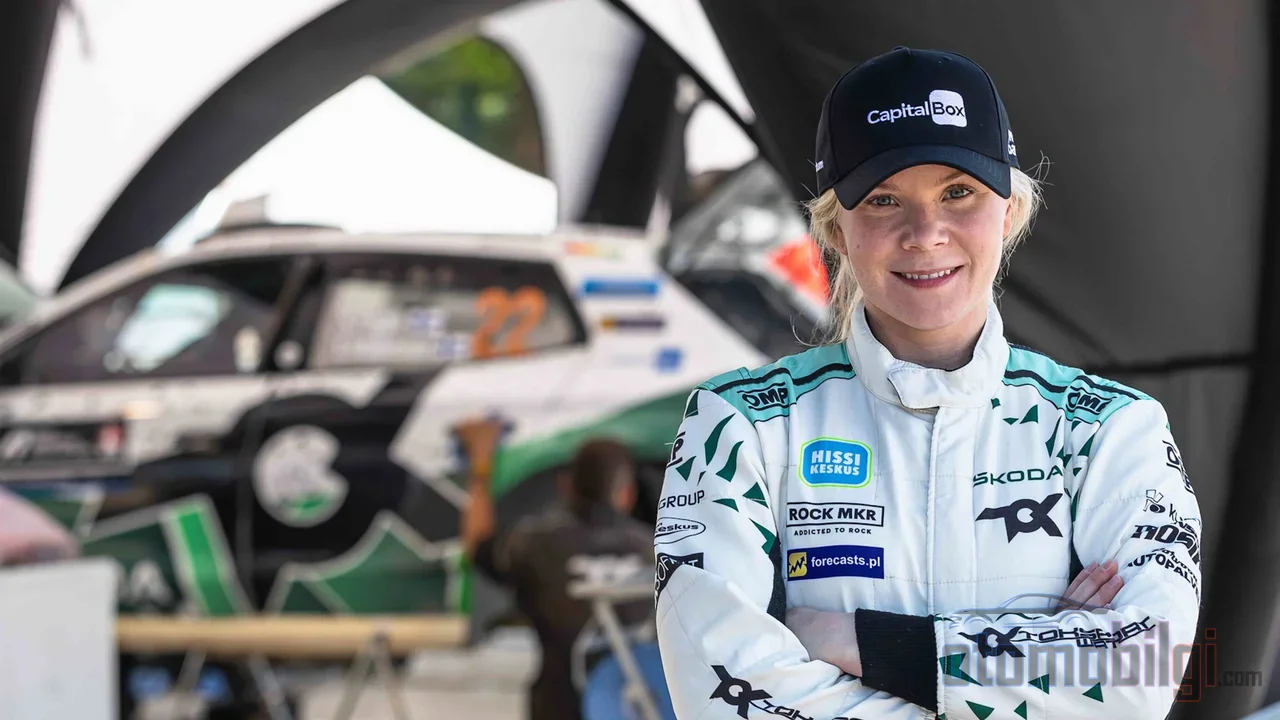
In recent years, the organizational side has taken action. WRC Promoter launched a multi-year initiative to increase female participation, and the winners of the Female Driver Development Program were announced in September 2024: Belgian Lyssia Baudet (21), German Claire Schonborn (25), and Finn Suvi Jyrkiainen (24) were selected from among 15 finalists. The program offers a pathway to FIA Junior WRC - in other words, rather than telling young women "go ahead, move up to the top class," they are solidifying the first rung of the ladder. The program called "Beyond Rally" also continues as part of this effort.
Within this picture, there is also a technical context: Since 2022, WRC's top class, Rally1, comes with hybrid powertrains and advanced aerodynamics. 2026 is the final full year of the current Rally1 era; In 2027, new technical regulations are coming under the name WRC27, and the FIA has decided to keep hybrid Rally1 cars in the field until the end of 2026. So a program aiming to open doors for female drivers coincides with a period when the technology itself is transforming. New rules mean new doors of opportunity - and what Mouton's story teaches us is this: Once a door opens, someone always comes along to walk through it.
Mouton's Legacy: The Present and Future of Female Drivers in the WRC
So let's put everything together. The first woman to win a WRC event is Michèle Mouton; She achieved it at the 1981 Rallye Sanremo in the Audi Quattro, and today she is still the only woman to have won a WRC event in the overall classification. In 1982 she went all the way to the championship but a crash on the final stage left her in second place; over her career she accumulated 4 wins, 9 podiums and 162 stage wins. She later became the first woman to win the German Rally Championship, and on the administrative side she extended her legacy beyond the steering wheel by founding the FIA's women's commission.
Today the picture is fairer but still incomplete. Co-drivers like Enni Mälkönen are on WRC rosters, drivers like Sarah Rumeau are making history in national championships, development programs are charting a concrete path for young talent, and names from Türkiye, from Burcu Çetinkaya to Kübra Denizci Keskin, are part of this story. In my view the real question is not "can women drive rally?" - because Mouton answered that forty years ago amid the Group B monsters. The real question is how long it will take for opportunities in the sport to become truly equal. Do you think this answer is near?
Sources
- Michèle Mouton - Wikipedia
- About Michèle Mouton (official website)
- Michèle Mouton receives FIA Lifetime Achievement Award
- FIA: Michèle Mouton interview
- WRC selects women's driver development programme winners – Motorsport.com
- Beyond Rally – wrc.com
- Teams & Drivers – wrc.com
- The Frenchwoman on the cusp of rally history – DirtFish
- Burcu Çetinkaya interview – Anadolu Agency
- Burcu Burkut Erenkul – Wikipedia
- Support for Kübra Denizci Keskin
- Female element: Enni Mälkönen – Škoda Motorsport
- Celebrating the Female Drivers and Co-Drivers – East African Safari Rally
- Physiological and Selective Attention Demands during Rally – PMC
- Drawing from Broader Motorsport Evidence – MDPI
- The Physical and Mental Stress of Rally – Firstbeat
- How Do Rally Drivers Keep in Shape? – Škoda Motorsport
- Who Is the Legendary Female Racing Driver Michèle Mouton? – Red Bull Türkiye