Does Fast Charging Wear Out the Battery?
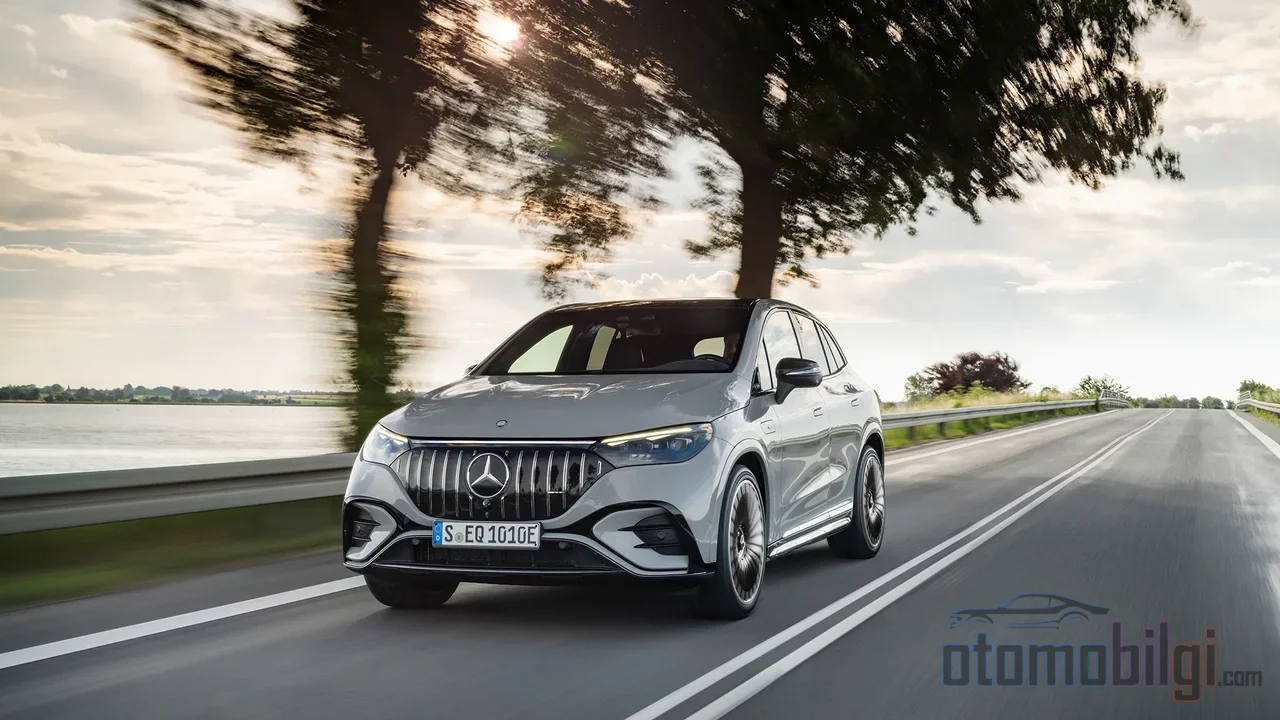
Have you ever thought about what's happening inside the battery during that three-quarters of an hour when you plug the cable in at the charging station? There is surely someone around you who says: "Never fast charge, don't strain your battery!" But is this fear really backed by data, or are we carrying an urban legend left over from older-generation vehicles? Let's look at this question with up-to-date field data from more than thirty thousand real vehicles - the answer is more interesting than you'd expect.
Does fast charging really harm the battery?
First, let's look at the figures that form the backbone of the topic. An updated battery health study published in January 2026 by a telemetry company that monitors fleet vehicles brings together several years of real-world data from more than 22,700 electric vehicles across 21 brands and models. In this data, the average annual battery degradation, i.e. capacity loss, was measured at 2.3%. There is an increase compared to the 1.8% level found in the 2024 findings, and the main reason is interesting: not the deterioration of the vehicles themselves, but changing usage habits. In particular, dependence on high-power DC fast charging has grown.
The most striking finding of this study is this: Charging power has become the most dominant factor determining how fast the battery ages. It surpasses all the classic suspects such as climate and usage intensity. So the question is no longer whether fast charging causes harm, but how much and under what conditions it is used.
Highlights
- In real-world data, the average annual battery loss is 2.3%; with intensive fast charging, this figure rises to 3.0% per year.
- DC fast charging above 100 kW is measured as the single largest battery stress factor.
- An analysis covering 13,000 Teslas found no significant range difference between those who fast charge very often and those who do not.
- No additional wear was observed in vehicles kept within a narrow SoC range; risk exists only with staying constantly full or completely empty.
- After 80% charge, the vehicle automatically reduces the charging speed to reduce heat and stress.
What do the numbers say: How big is the difference between AC and DC?
According to the telemetry data, in vehicles that intensively use fast charging above 100 kW, the annual loss reaches up to 3.0%; in those that predominantly use AC or low-power charging, it is around 1.5%. So the difference is roughly twofold. It sounds scary, doesn't it? But when you look at the absolute figures, the picture changes: The difference between 1.5% and 3% per year means a capacity difference of a few percentage points by the end of the ownership period. There is another threshold: While vehicles that use fast charging in less than 12% of their total charging sessions experience an average loss of 1.5%, those exceeding this threshold see the rate rise to 2.5%.
There are two more findings from the field that are different but complementary. A large-scale field analysis covering 13,000 Teslas found no statistically significant range difference between drivers who spend more than 70% of their time fast charging and those who use it less than 30% of the time. On the other hand, a controlled test at a national laboratory in Idaho with pairs of Nissan Leaf s produced an interesting picture at 50,000 miles: Vehicles charged only with Level 2 AC experienced ~24.5% capacity loss, while those using fast charging saw a 27% loss. The difference is real, but small - and the test was conducted in extremely hot conditions, a detail that will become very important shortly.
So who is the real culprit: Charging speed, or heat?
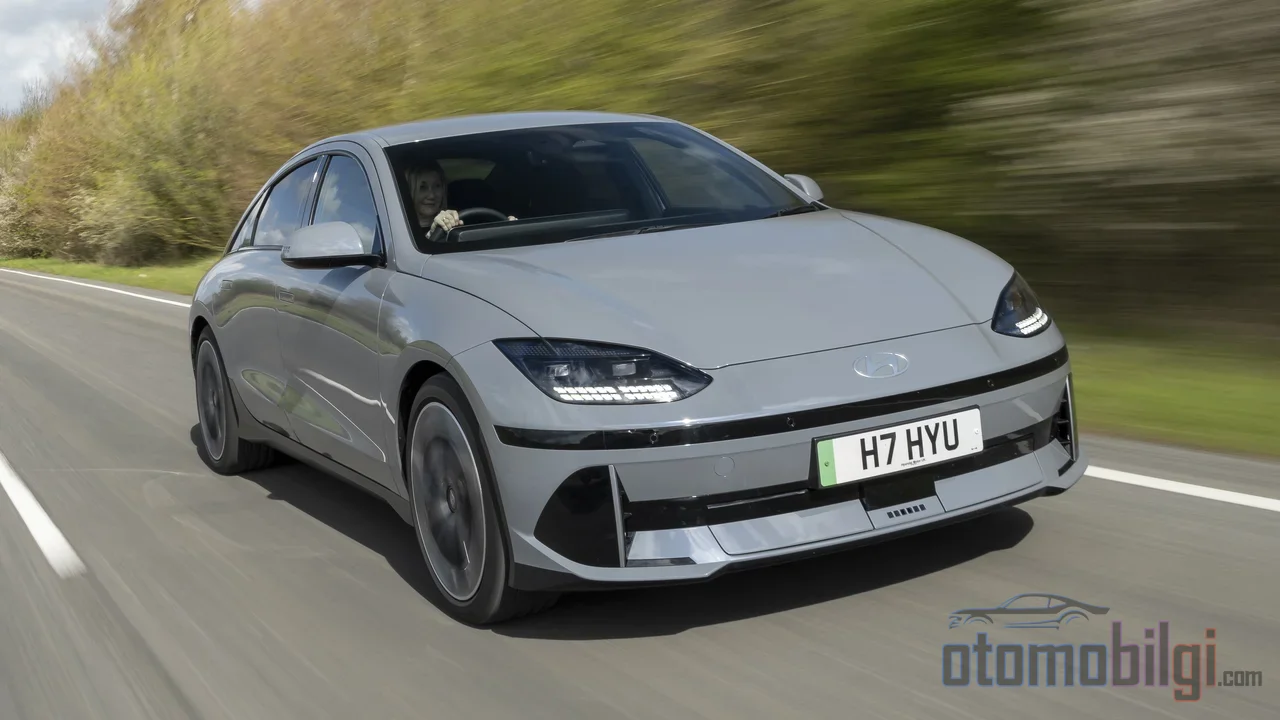
Here is the heart of the matter. Lithium-ion batteries are genuinely sensitive to high temperatures, and there is solid literature on this: Charging at 45°C causes more than twice the degradation compared to 25°C. High temperature causes the protective layer on the anode surface to thicken faster, and as a result accelerates the battery's aging. The battery's optimal safety also lies within a narrow range; which is why modern vehicles are designed with integrated cooling systems.
So does fast charging itself generate heat, or does heat make fast charging dangerous? Field data tells us this at first glance: Charging power is even more decisive than climate. Vehicles in hot regions age only ~0.4% faster per year than those in temperate climates; while the difference created by charging power is many times greater than that. In other words, high-power charging creates heat and mechanical stress, but in a vehicle that can manage it, the impact remains limited. This is also why the air-cooled older Nissan Leaf packs were affected so quickly by fast charging: Their thermal management cannot handle that load.
How do modern vehicles protect themselves?
What we call fast charging is actually a dialogue. The charging station is in constant communication with the vehicle's battery management system (BMS), and power is adjusted according to the battery's acceptance rate and capacity. So the maximum power at the end of the plug does not guarantee the power the battery actually takes in. Typically, at 80% charge, the charging speed is automatically reduced; because at high charge levels the cells struggle to accept energy and stress increases.
Thermal management is also software's closest assistant. Modern EV batteries are designed for fast charging and come with cooling systems. In cold weather, the BMS goes on alert: It reduces power to protect the battery, and charging time gets longer. Perhaps annoying, but actually a good decision on your behalf.
Then there is the big leap on the hardware side: 800-volt architectures. To carry the same power, when voltage is doubled the current is halved and heat drops to a quarter; moreover, it requires less copper in the wiring harness, providing efficiency and cost advantages. In new-generation vehicles adopting this architecture, fast charging becomes physically an even smoother process.
The limits of software should also be honestly noted: Despite all these protections, charging above 100 kW is still measured as the biggest stress factor in current field data. Protection does not eliminate the difference, it reduces it.
Does charging percentage matter: The role of the SoC range
There is another surprising finding: Vehicles that use a wide charging range showed no significant additional degradation. In other words, occasionally charging from 20% to 100% does not burn out the battery. The risk appears when the vehicle stays habitually at full or empty levels for long periods - wear accelerates when more than 80% of the data is spent at very high or very low states of charge.
The common recommendation for daily use is to aim for the 20-80% range and save a full charge for moments when it is truly needed, such as before a long trip. The three situations where fast charging is recommended to be avoided carry similar logic: when the battery is very hot, very cold, or at a very low/very high state of charge (such as 5% or 90%). On extremely hot days, fast charging in the shade is also a practical tip.
How is the conflicting data reconciled?
Perhaps a question has formed in your mind by now: How is it that some analyses find no difference while another measures twice the degradation? The answer lies in the difference in methodology. Tesla-focused field analysis is relatively young, covers almost entirely thermally managed vehicles, and mostly vehicles from after 2018. Fleet telemetry data, on the other hand, includes a much wider range of vehicles, older technologies, and heavier usage. The two do not contradict each other: The difference is real, but the absolute numbers are small - 1.5% per year versus 3.0%. Moreover, an older 2020 fleet study measured only 0.1% additional loss over two years in drivers who fast-charged more than three times a month; this was not measured with the same methodology as the current data and therefore cannot be directly compared, but it shows that fast charging itself is not a new threat.
One more note of honesty: The vehicles observed are still young; a 5-6 year effect has been seen. How these batteries will be in 10-15 years, and especially whether the effect of intensive fast charging becomes cumulative over time, is not yet fully known. So the data we have today is extremely solid about the first years; for the long term, it leaves a reasonable margin of doubt.
So what should be done: Practical recommendations
If we translate this whole picture into daily life, the formula is surprisingly simple. The advice given to fleet operators suits everyone: Use the lowest charging power that meets your operational need. If you can do Level 2 charging at home or at work overnight, this is sufficient for most of your daily needs - a mid-size electric vehicle fully charges in less than 8 hours even with the slowest Level 2. Use fast charging on trips and when you are truly pressed for time; in this scenario, modern vehicles already protect you.
- In daily use, aim for the 20-80% range, and save a full charge for long trips.
- If the battery is very hot or very cold, postpone fast charging.
- On hot days, charge in the shade if possible.
- If the vehicle is cold, know that the first fast charging session will run slowly; this is not a defect, it is protection.
It also helps to know how battery health is measured: Batteries start at 100% SOH, and when a 60 kWh battery drops to 80% SOH it effectively behaves like 48 kWh - that is the technical equivalent of feeling your range shrink. The good news: Most modern EV batteries keep functioning well beyond typical ownership and fleet replacement cycles.
Conclusion: No room for fear, but room for balance
So let's give the short answer: No, DC fast charging doesn't wear out the battery at a frightening pace - but it isn't a free lunch either. Intensive, high-power use pushes annual loss from 1.5% up to 3.0%; that's a measurable difference, but not big enough to stop your battery from serving you well beyond its expected life. The real deciding factors are habits that seem far more innocent: temperature management, respecting the natural slowdown after 80%, and using fast charging only when you truly need it. Modern 800-volt systems and smart battery management shrink that gap a little more every year. Charge fast as you please at the roadside charging station - but don't forget to plug in at home, too.
Sources
- EV Battery Health Study: New Data on Fast Charging & Degradation
- EV Study Reveals Impacts of Fast Charging
- Does DC Fast Charging Damage EV Batteries?
- Is DC fast charging bad for your EV battery?
- Does Fast Charging Hurt Your EV Battery?
- Quantifying the degradation cost of frequent fast charging
- Enhancing fast charging performance of lithium-ion batteries
- Effect of Temperature on the Aging rate of Li Ion Battery
- Doubling the voltage: What 800 V architecture really changes
- How Heat Alters Lithium Battery Performance and Lifespan