Fighting Rust in a Classic Car: Early Intervention Is Essential
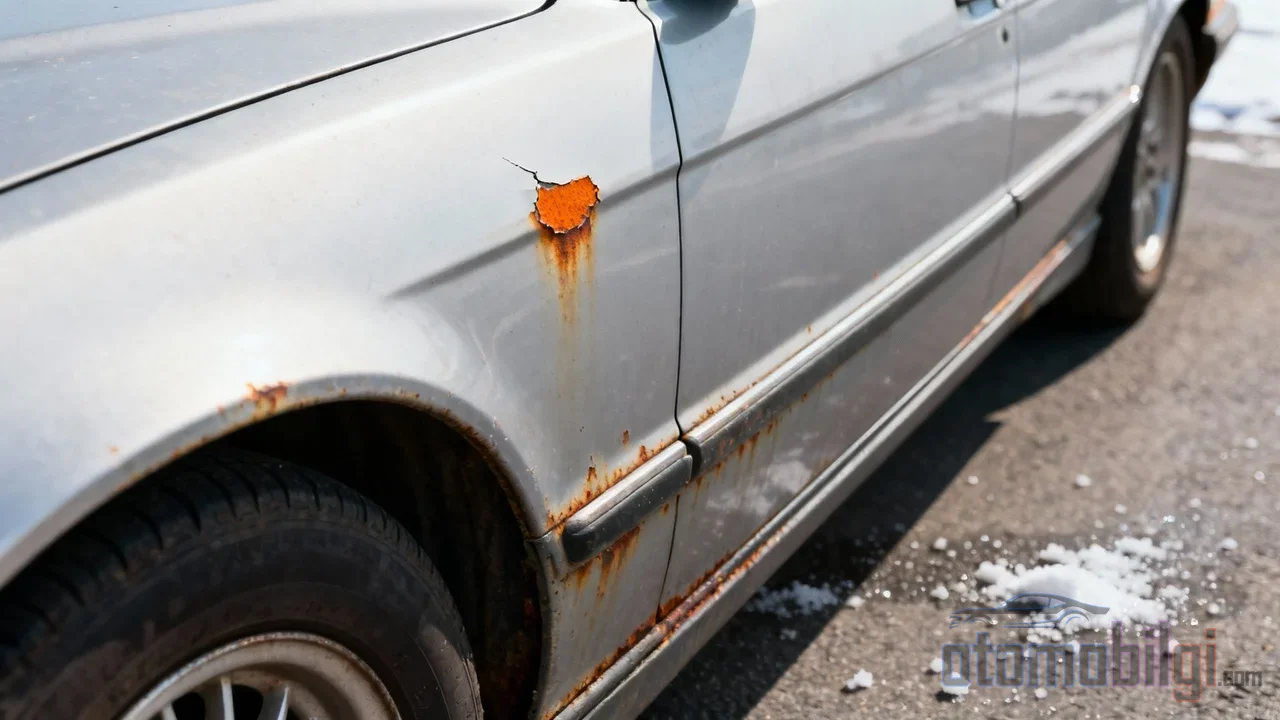
You walk up to your classic car parked in the garage, the sun hits it, and you notice an orange bubble along the edge of the fender. It looks like a small thing, right? That very moment is the most critical crossroads in the classic car rust battle. Because that tiny bubble is often just the visible tip of the iceberg: the rust may be advancing far faster than you think beneath the paint. So where does rust start, when is sanding enough, when does the welder come into play, and how much money does early intervention really save? Let's take it step by step.
Surface Rust or Structural Rust? Understanding the Difference Is Everything
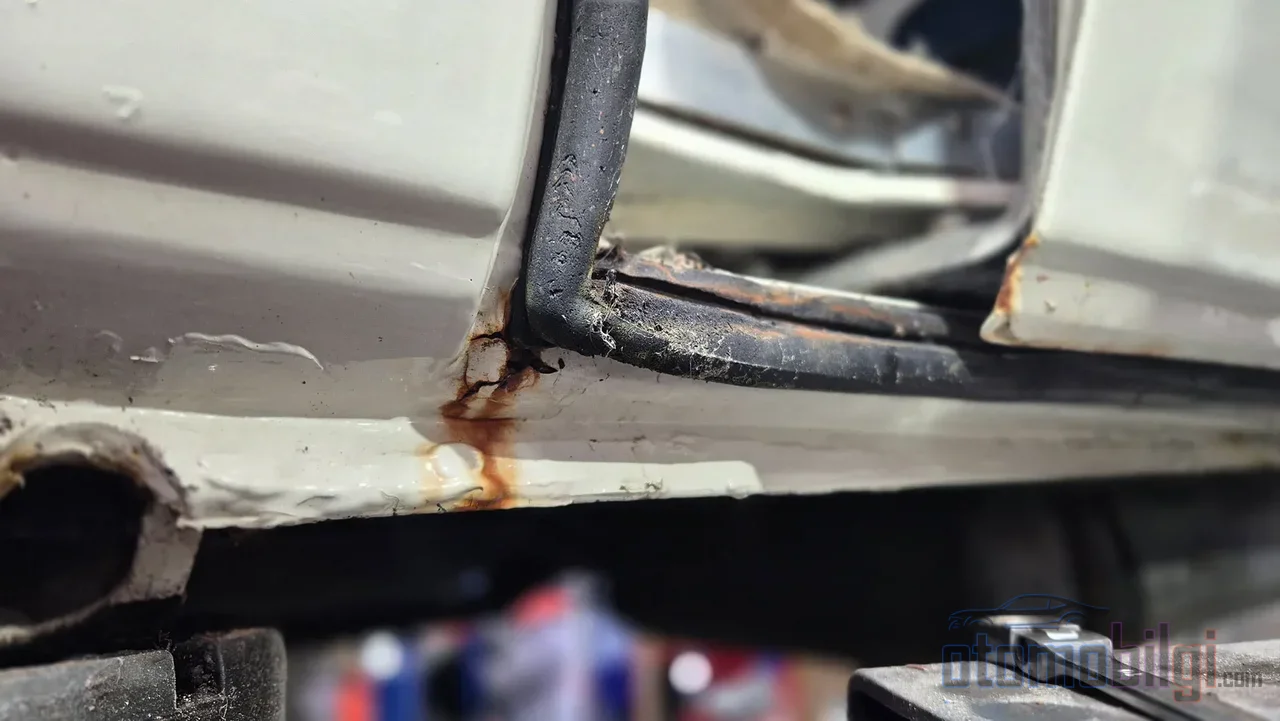
Rust has two different faces, and telling them apart determines the scale of the repair and the bill. Surface rust is the mildest form: orange-brown spots appearing where the paint has cracked or worn away affect only the outermost layer of the metal. Catch it early and it gets cleaned, sanded, sealed, and the job is done. This is a small but regular chore of maintenance, much like remembering to floss.
Structural rust is a whole different story. When corrosion seeps deep into the metal, it weakens the strength of critical components: sills, chassis rails, suspension mounting points, and floor supports. The result? Loss of body rigidity, misaligned doors, road handling that calls safety into question, and outright failure in load-bearing parts. From this point on, repair usually requires cutting out the metal and welding in new sheet steel; in other words, time, labor, and money.
Keep a practical rule in mind: surface rust affects appearance, structural rust affects safety. If you see blistered paint, a hole in the floor, or metal that crumbles when pressed, we're no longer talking cosmetics.
Key Takeaways
- Classic car rust repair can climb past $2,600–78,000 depending on scope; most projects fall in the $10,000–32,500 band.
- Sills, floor pans, fender wells, and trunk floors are rust's favorite first stops.
- A small blister in the paint can hide a much bigger problem underneath.
- A panel a magnet won't stick to may be a sign of hidden body filler.
Where Does Rust Start? The Most Common Rust Spots on Classic Cars
Rust doesn't choose at random; it prefers anywhere moisture and road residue get trapped. Its first stops on classics are quite familiar:
- Sills (rocker panels): They trap moisture and dirty road spray, making them one of the first areas to corrode. For example, 2. generation Chevrolet Camaros (1970-1981) is a classic problem area due to road spray and clogged drain paths.
- Floor pan: Water leaking from door seals and weatherstripping quietly pools under the carpet. Nobody notices until the carpet is lifted.
- Fender interiors and wheel wells: In constant contact with road spray, dirt, and salt.
- Trunk floor and spare tire well: A leaking trunk seal creates an unnoticed puddle.
- Engine bay: Around the firewall and battery tray, moisture combines with engine heat to roll out the welcome mat for corrosion.
And then there are clogged drain holes, which are rust's most faithful helpers. Water enters the car from the top (wet carpets, leaks) or from below (road spray, condensation), and drainage channels are often minimal or nonexistent. When inspecting, look at fender edges, door bottoms and inner lips, blisters around the window seals, clogged drain holes, and suspension mounting points; tap lightly on suspect areas and examine from both sides. The most important advice is this: you won't just paint over the rust, you'll find its source.
Small Bubble, Big Problem: How to Detect Hidden Rust?
The most deceptive part of the job is this: rust doesn't always start where it appears. It can hide beneath the paint, the seam sealer, or the filler. A small bubble you see today can turn into thousands of dollars of welding, bodywork, and paint tomorrow. How do you detect it?
- Shine a flashlight on the surface at an angle; texture irregularities reveal themselves immediately.
- Use a magnet: if the magnet doesn't hold in a suspect area, it may indicate that filler has been applied over rust.
- Approach fresh paint and excessively thick or new undercoating with suspicion.
- Remove the floor mats, carpets, and trunk liners and look underneath.
This last point is no different from sellers' rust-hiding tactics: fresh paint covering bubbled rust, filling and smoothing over holes, hiding problem areas with floor mats, and strategic use of lighting and angles in photos. If you're buying the car from afar, don't hesitate to specifically request photos of the undercarriage.
How Much Does Early Intervention Save? The Cold Facts About Cost
Now we come to the real question: how much does rust repair cost? Classic car rust repair spans a range from $2,600 to over $78,000 depending on the scope; most projects fall in the $10,000-32,500 band, with labor being the biggest item. When you factor in that restoration projects can take up to two years, the value of early intervention becomes clear.
Why is there such a difference? If the damage is localized and the surrounding metal is still sound, a welded patch panel is a perfectly smart choice; it also protects your wallet. But if the damage has spread, the job shifts to replacing the entire floor pan - meaning cutting and welding - and the cost climbs quickly. Say you notice a tiny blister in the paint: a problem that could be solved today with a weekend of sanding and a can of coating can turn into complete metalwork a year later. Of course, there's another reason for this wide range: the climate where the car lives.
| Climate/Region | Why Is Rust Risk High? |
|---|---|
| Snowy regions | Road salt and chemical solvents dramatically accelerate corrosion |
| Coastal regions | Salty air and humidity create risk even if the car is driven little in winter |
| Mountain regions | Magnesium chloride is even more corrosive than standard road salt |
| Dry hot regions | Thanks to the climate, these vehicles are in demand due to low rust |
That's why the vehicle's history is critical in second-hand classic listings: a car coming from salted roads or coastal areas means extra scrutiny. Conversely, cars from dry climates already command a premium for their lack of rust.
DIY or Sandblasting? Choosing the Right Surface Treatment
Let's say you caught surface rust. The next question is: will you tackle it yourself, or work with a professional? Traditional methods; that is, hand sanding and chemical strippers, are still perfectly appropriate for small touch-ups and limited rust spots. You don't need to run to a sandblasting shop for a small fender edge.
Sandblasting, though, is worth discussing when the job gets bigger. It is much faster and more comprehensive than manual sanding; it reaches every corner, every seam gap, and by completely removing the paint, seam sealer, and filler, it eliminates the possibility of just covering up problems. But there is another side to the coin: while sandblasting removes visible rust, it can also create extra work; it's a double-edged sword that costs both time and money. A similar picture emerges in the forums: the results are better, but it's more expensive with equipment and labor; also, sandblasting is effective on surface rust, and is pointless for parts that merely surround ones that need to be fully replaced. One more note: rust converters are an intermediate layer that has also worked for some hobby enthusiasts; the logic proceeds in order: rust removal, rust conversion, then protection against corrosion. New non-abrasive methods like laser cleaning are also being discussed, but since most of the loud voices on this topic are equipment vendors, it's worth approaching with a bit of caution.
Let's not skip the galvanization detail: when zinc is present on steel, it sacrifices its electrons to corrosion, protecting the steel. One-sided electrogalvanized panels can provide about 10 years of protection, as long as the surface hasn't been punctured. So if you're dealing with an older classic without a galvanized body, know from the start that rust will progress much faster; early intervention is not a choice for you, but a necessity.
Rust Check Before Buying: Hidden Areas Checklist
If you've set your sights on a new classic, this checklist can save you from major disappointments:
- Visual rust check on sills, floor pans, wheel wells, trunk well, and engine bay
- Detection of hidden filler and patches with a flashlight and magnet
- Search for texture irregularities, bubbling paint, and suspiciously fresh undercoating on the undercarriage
- Check for moisture and rust under floor mats, carpet, and trunk linings
- Questioning the vehicle's history: extra attention to cars from salty or coastal climates
- Asking when and why a repaint was done before falling for new paint
- If possible, a professional inspection that puts the car on a lift
So If You Find Rust, Should You Walk Away?
There's no definitive answer, but there is a clear framework. Surface rust? Not a problem, in fact a good bargaining chip. Localized structural rust? Manageable with a patch panel; negotiate the price accordingly. Widespread structural rust; perforated floor pans, rotted sills, weakened chassis rails? Only if your budget is ready to comfortably exceed the $10,000-$32,500 range and you are in love with the car. If not, finding a sturdier car for the same money will make you far happier in the long run.
Remember: classic car ownership is not a sprint, it's a marathon. Whoever catches rust while it's small protects both their car and their wallet. Which area raises the most suspicion for you? Start your flashlight there during the next inspection.
Sources
- Rust: The Silent Value Killer in Classic Cars-and How to Detect It
- Classic Car Rust Repair Cost
- Common Rust Areas on Classic Cars
- Common Rust Areas on 2nd Generation Chevy Camaros
- Classic Car Rust Repair: Patches vs. Replacements
- Why Sandblasting Is a Critical Step in Vehicle Restoration
- Sandblasting Your Restoration Project: The Pros and Cons
- Galvanization Sensation: How Automakers Fought Off the Scourge of Rust
- Rust Removal Options
- Automotive Sandblasting vs. Traditional Methods