From Subaru to Citroën: Brands That Withdrew from the WRC
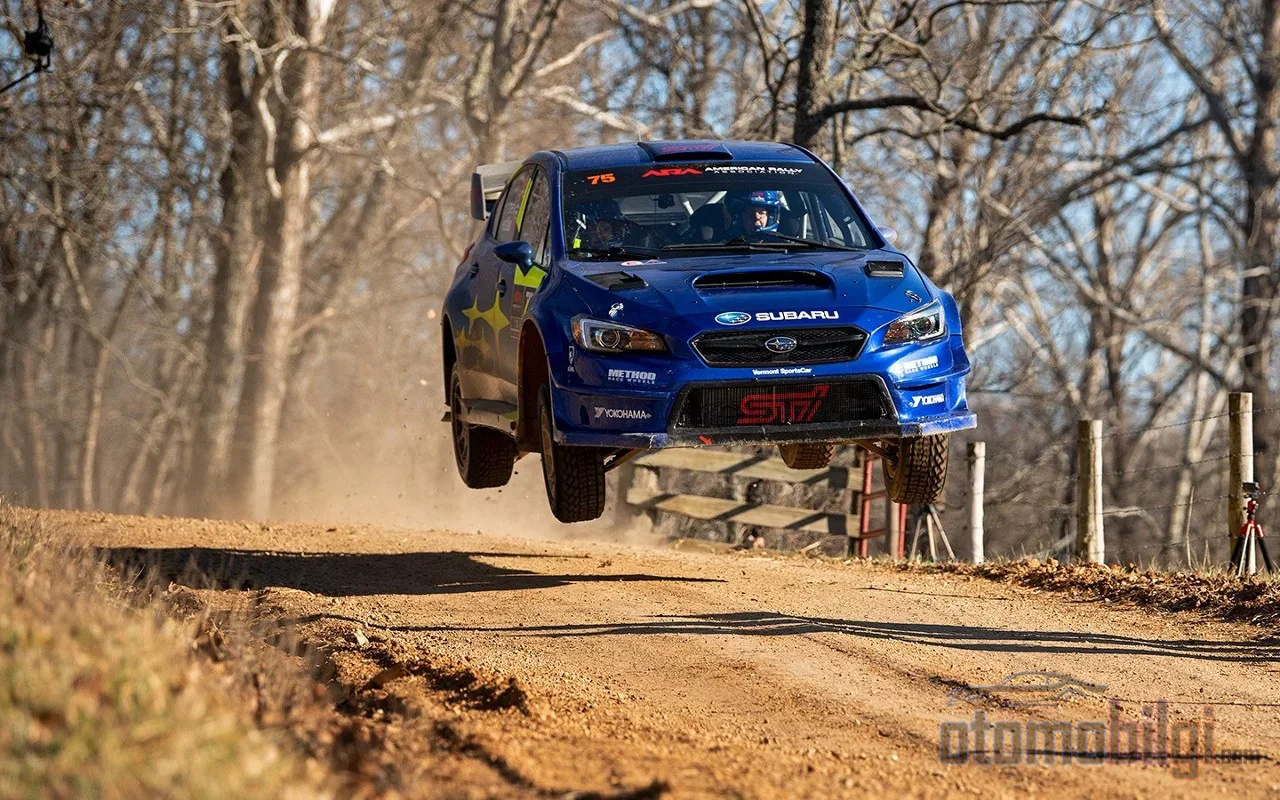
On a day in December 2008, Suzuki announced it was withdrawing from the WRC, and 24 hours later Subaru walked out the same door. The World Rally Championship lost a third of its manufacturer teams in a single blow. Factory teams that had shaken up the stages for decades, not just years, shut down one after another: Subaru, Citroën, Ford, Lancia... So why did these brands leave? The answer is not technical, it is purely about the numbers: budgets, marketing strategies and crises. Let's lay it all on the table.
Subaru and the 2008 Crisis: An Era That Ended in Two Days
Subaru's rally story is pure legend. The team was founded in 1989, its operations were run by UK-based Prodrive, and it quickly became a favorite name on the stages. It won the manufacturers' title three years in a row in 1995, 1996 and 1997; names like Carlos Sainz, Colin McRae and Richard Burns reached the world championship in blue-and-gold overalls. So for the WRC, Subaru was not just a brand, it was the sport itself.
Then came the autumn of 2008. When the financial crisis that started in the USA and spread across the world sent car sales plummeting, Fuji Heavy Industries - Subaru's parent company - officially announced on December 16, 2008: WRC activities would end at the close of the 2008 season. It was the second withdrawal, following Suzuki, within that famous 24 hours I just mentioned. The company's reasoning was clear: to optimize management resources and protect the Subaru brand. It was even reported that the CEO had emotional moments at the press conference; so this was not a cold decision.
But the crisis alone may not be the whole story. There is another possibility on the table: the new technical regulations set to take effect in 2010 would move the cars to a Super 2000 base, and Subaru would have had to develop a completely new road-going vehicle. With budgets already squeezed by the crisis, this meant an unacceptable cost. So the withdrawal date was probably moved up because of the crisis; the company had actually planned to finish the 2009 season as well. In 2008, Subaru had finished the manufacturers' championship in third place behind Citroën and Ford - not the farewell of a bad team, but the forced descent of a giant still on its feet.
Highlights
- Subaru said farewell to the WRC on December 16, 2008 due to the global economic crisis.
- Subaru and Suzuki became the two factory teams to withdraw from the championship within 24 hours.
- Citroën departed in 2019 after winning 9 drivers' titles with Sébastien Loeb.
- Lancia withdrew as a factory team in 1992; the Rally 037 was the last rear-wheel-drive WRC car to win the championship.
- Today in the WRC, Toyota, Hyundai and Ford run the Rally1 cars with their own budgets; the budget cap debate continues.
Citroën's 2019 Farewell: Is Failing to Find a Driver Enough of an Explanation?
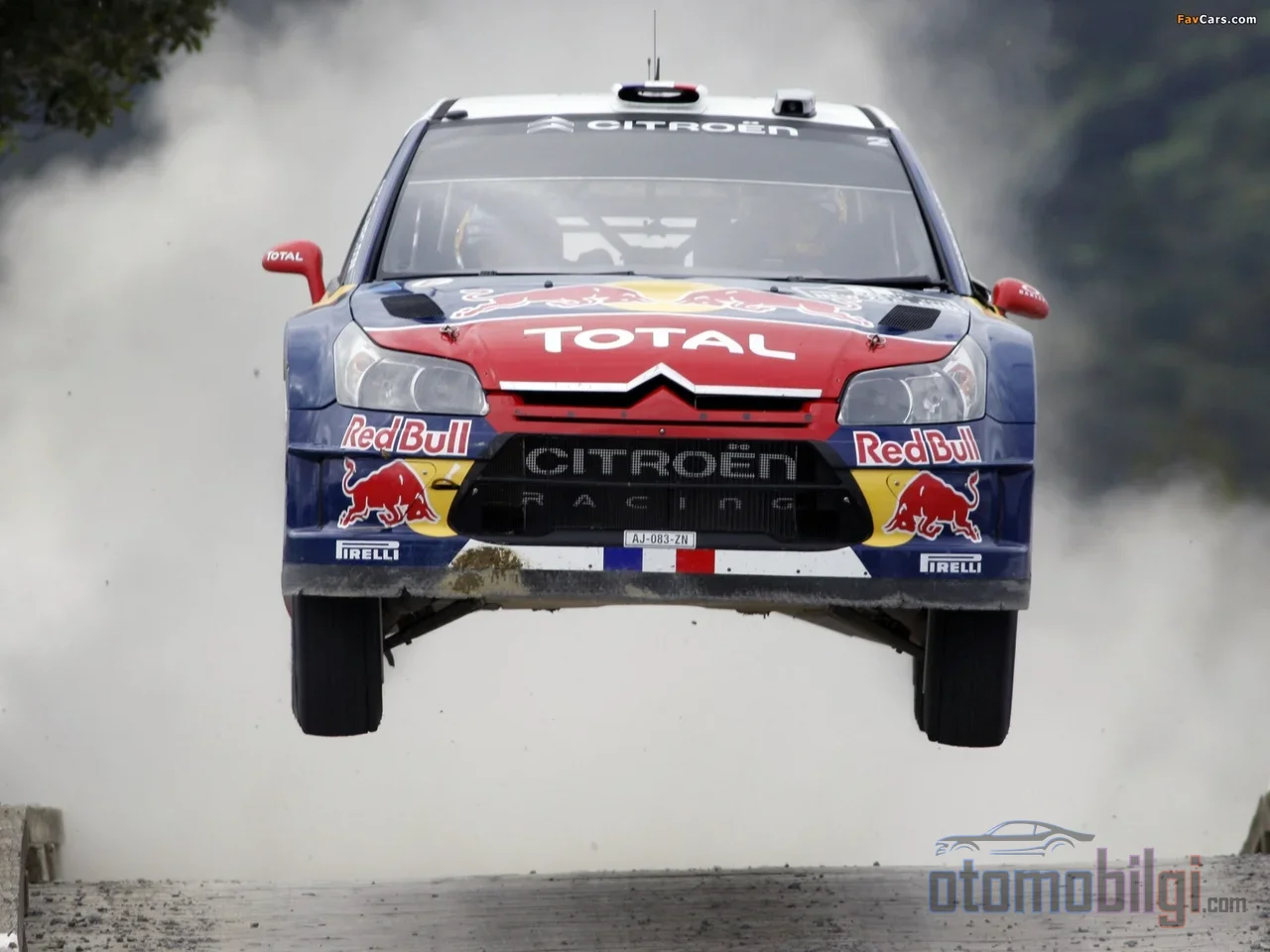
Citroën's story has a very different flavor. This brand experienced one of the most dominant eras in WRC history with Sébastien Loeb: Loeb became world champion nine times, and cars like the C4 WRC practically became a different species in his hands. Loeb's dominance was so great that before him there was a tradition of "surface specialists" - drivers hired for rallies suited only to specific surfaces: gravel, asphalt, snow. The Loeb era effectively ended this tradition; from then on, a star capable of winning on every surface was required.
After the Loeb era closed, Citroën brought Sébastien Ogier into its roster, hoping to keep the championship line going. That is, until Ogier left the team at the end of 2019. On November 20, 2019, Citroën Racing announced it was withdrawing "immediately and definitively" from its WRC program, and the official justification was this: the failure to find a first-class driver for 2020. In other words, a manufacturer's reason for leaving rallying was not poor results, but the inability to find a goalkeeper to defend the goal - one of the strangest partings in the sport's history.
But the fingerprint of economics is present here too. Ogier's departure brought the decision forward; it was also said that commercial factors played a role. Even during the 2019 season, the picture was already strained: because Citroën could not find the funds to run a third C3 WRC, Loeb had been unable to contest a full season in his brand's car. There is also a harsh side to the team management: Kris Meeke was let go from the team in 2018 for crashing too much at Rally Portugal. In short, when results, budget and driver planning all came together, Citroën showed them the door.
Ford and Lancia: Quiet and Early Exits
Ford's relationship with rallying is a love story spanning roughly a century; with the Escorts, it had been inside rallying since the 1970s, and names like Malcolm Wilson grew up with this brand. But at the factory team level, things were never easy. In the 2008 crisis, Ford, short on cash, continued alongside Citroën as one of the last two manufacturers standing in the championship - meaning that even if it did not withdraw entirely, it was forced to downsize. At the time, David Richards, then head of Prodrive, said that the assets of Citroën, Ford and Subaru were all being continuously evaluated, and that nothing was guaranteed for anyone. His emphasis that motorsport needed to put its own house in order and produce cost-effective programs was not without reason either.
Lancia, however, is a completely different chapter. The factory team withdrew from the WRC in 1992 - that is, 16 years before Subaru. The justification was not technical, but an institutional choice: when Fiat decided to focus on circuit racing instead of rallying, the rally team was disbanded and a significant portion of the engineers was transferred to Alfa Romeo. Moreover, Lancia left behind a legacy beyond dispute: the brand holds 10 manufacturers' championships in the WRC, a record that is still talked about today. The Rally 037, meanwhile, went down in history as the last rear-wheel-drive car capable of winning the WRC championship - the last shining star before the all-wheel-drive revolution.
| Brand | Year of Exit | Official Justification | Underlying Factor |
|---|---|---|---|
| Lancia | 1992 | Fiat's focus on circuit racing | Shift in group priorities |
| Subaru | 2008 | Global economic crisis | Cost of complying with 2010 regulations |
| Ford | Shrinkage after 2008 | Cash flow problems | Only two teams remaining in the championship |
| Citroën | 2019 | Inability to find top-class drivers | Commercial factors and budget pressure |
Why Are Factories Leaving Rallying?
When you put these four stories side by side, a pattern emerges. A manufacturer's decision in rallying depends on three questions: is the budget holding up, is the marketing return working, does management strategy value rallying? If one of them wobbles, the team tries to stay on its feet; if two wobble, a farewell ceremony is prepared.
Economic crises are the most obvious trigger. Subaru and Suzuki withdrawing in the same week in 2008 was no coincidence; when car sales drop, the first budget line usually to be cut is motorsport, because it doesn't sell cars in showrooms. There are also technical regulations: when the rules change, you have to develop a new car, and in a crisis period this cost can become insurmountable. The driver market matters too - as in the Citroën example, when the marketing value of continuing without a star diminishes, the program can become indefensible. WRC's own internal debates lead to the same point: the Rally1 era was designed to attract new teams but this did not happen; whether the roots of the problem lie in the 2017 car rules or the hybrid Rally1 regulations is still being debated. So factories leaving is not the result of a single reason, but of several calculations going bad at the same time.
Does a Legacy Remain Where You Go?
The beautiful part of this is: when these brands closed the door, the mark they left on the sport did not disappear either. Subaru's blue cars raised champions like McRae and Burns; fans of that generation still watch rallying today. Citroën wrote the record of nine championships with Loeb - we cannot know when that record will be broken. Lancia's Delta and Rally 037 are still among the most talked-about cars in rallying history. Moreover, Lancia is returning to the rallying scene with the Ypsilon Rally4 HF and the Trofeo program; it also plans to revive the HF Integrale badge on its future performance models. So a farewell does not always mean leaving forever.
Today's WRC is also built on the same lesson. Toyota, Hyundai and Ford are running Rally1 cars with their own budgets; the FIA and the championship organizer are debating a budget cap enforcement, because it has been seen time and again how difficult it is to attract a new manufacturer without cost control. The FIA's 2027 decisions split the Rally1 cars in two and introduce a separate Manufacturers' Championship - so every innovation in the sport is, in fact, the answer to the gap left by those withdrawal stories. The ownership structure of the championship is also on the table, with talks that its value could reach up to 500 million euros. Fortunes are circulating, but the factory team seat is still hard to fill.
Conclusion: What Did We Learn As Doors Closed?
Subaru's 2008 farewell was the product of the economic crisis and regulatory costs, Citroën's 2019 exit of pilot and commercial calculations, Lancia's 1992 departure of a shift in corporate priorities, and Ford's downsizing of cash troubles. The common denominator is always the same: being in rallying is a matter of passion, but staying is a matter of the balance sheet. When brands leave, championships, legendary cars and unforgettable stages are left behind; that's my favorite part. Because the history of the WRC is written not only by the winners, but also by those who said goodbye. Which brand do you think will walk through this door next as the next factory team?
Sources
- FHI to withdraw from FIA WRC after 2008 season
- Subaru quits WRC - Top Gear
- Subaru pulls the plug on the WRC - Grandprix.com
- Subaru off the track - Hürriyet
- Subaru join Suzuki in pulling out of WRC - France 24
- Citroen ends WRC programme - Motorsport.com
- Sebastien Loeb won't get Citroen WRC outings in 2019 - Autosport
- Lancia Corse: a new era for Lancia Rally - Lancia
- This Is Why Lancia Was So Good, And Why They Disappeared - HotCars
- WRC 2027 decisions from the FIA meeting - TRF1