How to Negotiate When Buying a Classic Car?
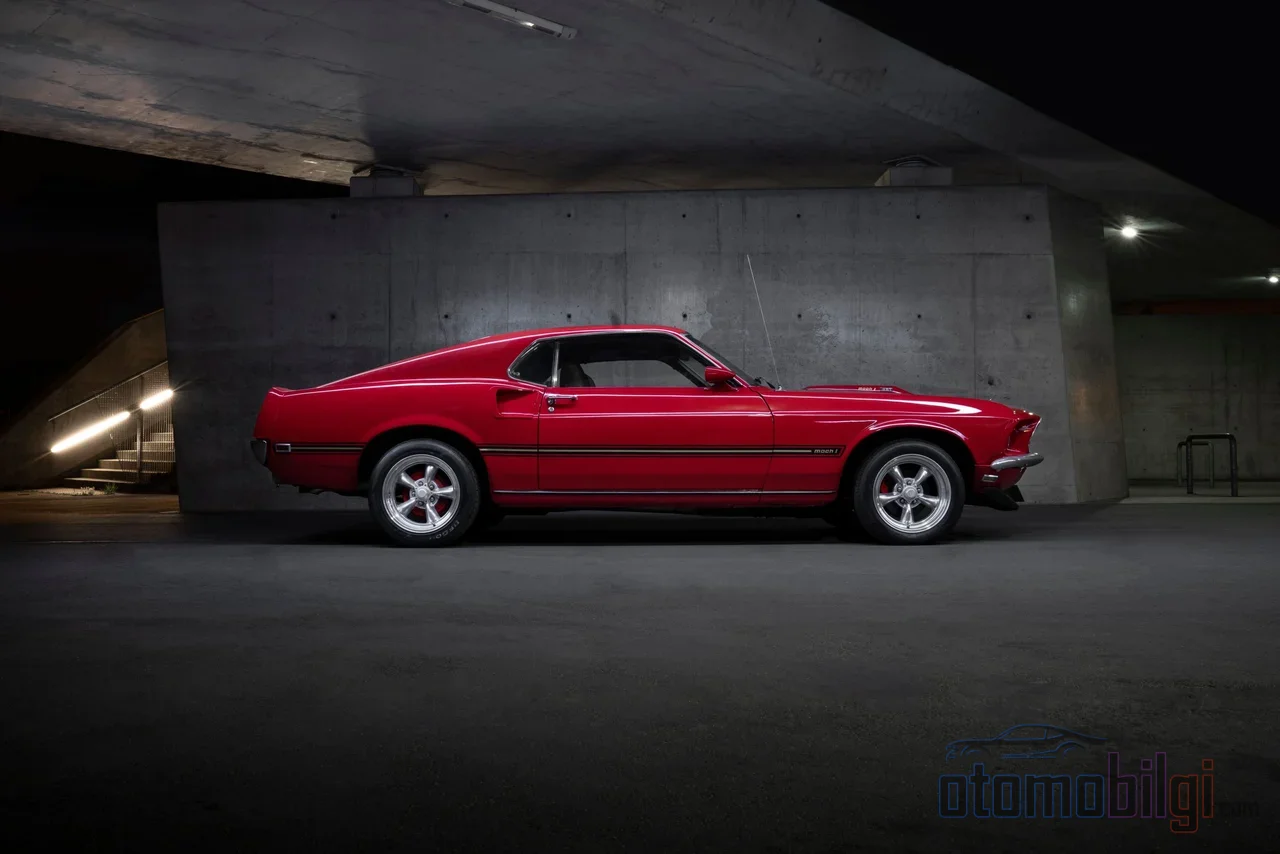
You're standing in front of the car. The hood is open, the seller is next to you, and you're trying to say the sentence you've been rehearsing in your head. Classic car negotiation is exactly this moment! You've learned how to read listings, you've memorized the red flags of scams; but when you're at the car, face to face with the seller, what will you say? I'll admit, I think this is the hardest part. Because a classic car seller is not an ordinary seller; more often than not, they're someone in love with their car, someone who has lived with it for years. And you're going to try to turn that car's rust, its missing part, its paint difference into money. If you're ready, let's sit down at the negotiating table (that is, in front of the hood).
The Negotiation Is Won Before You Go See the Car
I know it sounds boring, but here's the truth: the biggest part of the negotiation is done at home, in front of a screen. A buyer who knows the market value before meeting the seller starts with a structural advantage. So how should you prepare?
- Compare at least 5 similar listings with the same year, same engine, similar mileage and equipment.
- If the listing price is 15% or more above the market average, you don't need to make a low offer there; the seller is already asking too much.
- Set your budget ceiling before leaving the house and never reveal it during the negotiation. The "buyer ready to close" feeling you've built up to this point is the seller's greatest ally.
- Take screenshots of the comparison-priced listings with you; present them not with an aggressive tone, but as market data.
There's also the timing side of things: Between October and February, demand in the used car market drops, and sellers look more favorably on concrete offers. A car bought at a high price in summer can be had for the same money in winter. Logical, right?
Key Takeaways
- The normal negotiation margin is usually 5-15% below the asking price.
- Your opening offer should be about 10-15% below the fair market value.
- A comprehensive classic car restoration costs on average $40,000-120,000.
- An unjustified offer of 30-40% below is not an anchor, it's an insult; the seller shuts down.
- Many sellers come back to a walking-away buyer with a better offer within 24-48 hours.
How Do You Turn Flaws into a Negotiation Card?
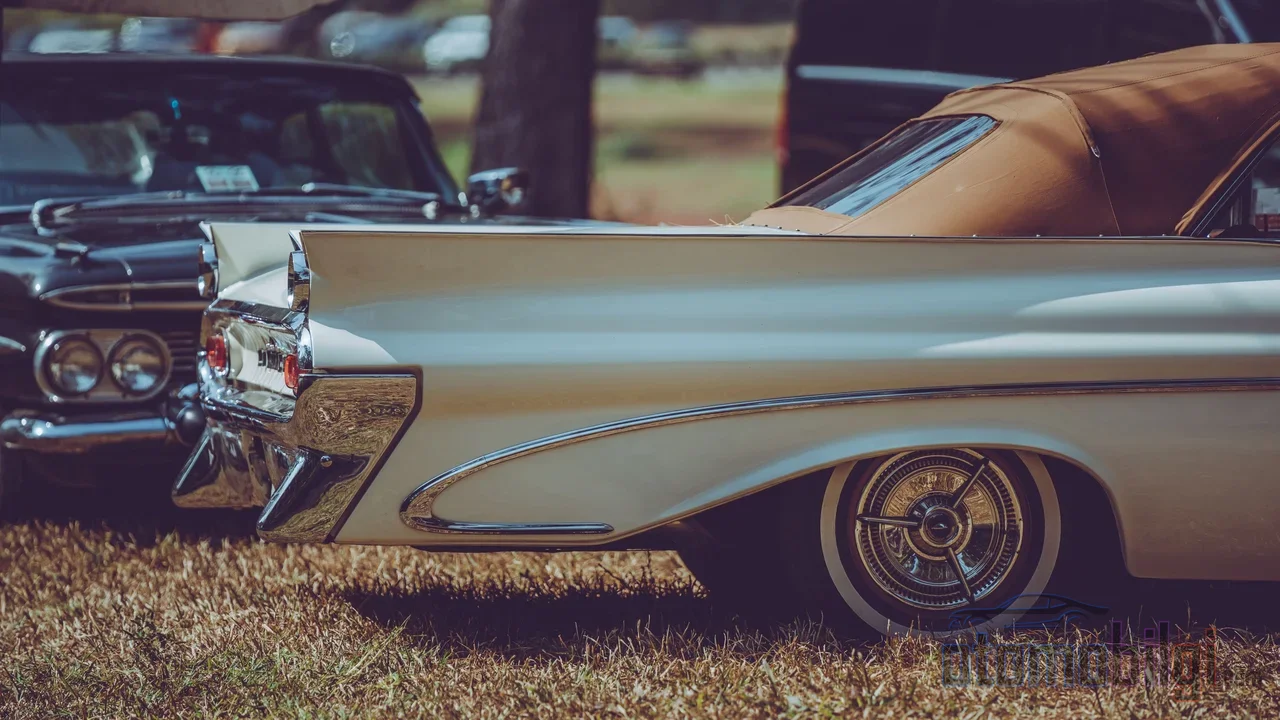
Now for the sweetest part of the job. You've inspected the car, and every flaw you spot is a potential discount lever for you. But on one condition: that you can calculate the repair cost. It's not the flaw itself that negotiates, it's its price.
Rust: The Silent Value Killer
In the classic car world, rust is known as the silent value killer, and rightfully so. Surface rust sits on top of the paint or bare metal, it hasn't weakened the metal, and it can be cleaned and treated. But rust that has leaked through? It has already eaten a hole in that panel, and it's serious business. Door bottoms and wheel arches are the most common rust spots on classics; on a car in good overall condition, small filler repairs there are acceptable. Keep a warning that circulates among restorers in your pocket: The phrase "rust cleanup" often means nobody knows how much it will cost. Even at the slightest suspicion of rust, base your comparison on evidence, not on paint or price; if you cannot verify hidden areas, assume the risk.
Paint Mismatch and Panel Alignment
Deep scratches in the bodywork, misaligned panels, color differences between adjacent doors point to repairs after an accident. Get a repair estimate, even a rough one, and ask for the asking price to be reduced accordingly. The experts' recommendation is along these lines: get a discount for a small issue with the vehicle without lowering the negotiation margin too much; this way the overall amount is preserved. If it is a valuable vehicle (roughly 8,000-10,000 Euro and above), requesting an independent mechanical inspection is a normal and professional request. A seller who categorically refuses this request is telling you something important about the car. It is also possible to scan for hidden fault codes with an OBD device; codes that have no freeze frame data and were recently deleted may point to concealed faults.
Deducting Restoration Costs from the Price
Here is what separates classic car negotiation from ordinary used car negotiation: you are often not buying a finished car, you are buying a project. Therefore the math works like this: purchase price + work already completed + remaining restoration costs. If you cannot realistically add up these three, your hand is weak in the negotiation.
Let's look at the numbers so we don't daydream: a comprehensive, high-quality classic car restoration costs on average between $40,000-120,000; full teardown, show-quality work is even more expensive. For vehicles with 1960s and 1970s body styles, a budget exceeding $20,000 is said to be needed for a complete restoration. And don't forget: restoration costs can exceed the salvage value, meaning a project car may not always be a sensible investment. The common view among experienced names is that restoration is a job that never ends until the car becomes sellable. Statistically, the number of buyers is also much smaller. So reminding the seller of the high cost is not empty talk; it is your strongest negotiating arm.
How to Talk to the Seller of Your Childhood Dream Car?
Pay attention here, because this is where the subtleties of classic car negotiation lie. The classic car market moves on emotions more than calculations; people who own a particular car are often in love with that car. A private seller has only one car, has lived with it, is attached to it. Research confirms that feeling something emotional when selling a car is completely normal; sales psychology sometimes resembles a therapy session. So the person in front of you may not just be talking about money, they may be experiencing a farewell.
That is why the golden rule is this: avoid criticizing the car excessively. A private seller takes it personally and shuts down. In technical terms, be surgical: clearly acknowledge the car's strengths, and stay specific and evidence-based on its flaws. Respect the car's overall story, but discuss each item one by one. If the seller feels heard, they start to become flexible; the best sellers are known to listen a lot, and the best buyers should do the same.
Tactics That Work at the Negotiation Table
Okay, the inspection is done. You've listened to the engine, seen the rust, and have a price in your head. Now it's time to talk. Here are the methods that actually work at the car:
- Let the seller name the first figure. Ask what their best price is; many will lower the price on their own without you saying anything.
- Make a precise figure offer. Saying 8,500 is more effective than saying 8,350; a precise figure gives the impression that you've done calculations based on real data.
- Throw a low anchor. If the asking price is 10,000 and your target is 9,000, open at 8,200-8,500; the midpoint naturally moves closer to your target.
- Use silence. After you make your offer, add nothing. The first to speak after your offer is usually the seller, and they usually speak by lowering the price.
- Attach a reason to every concession. Saying you got three quotes for the tires, ranging from 380-520 Euro, and that's why you want a 600 Euro discount; is much stronger than just saying let's pay a bit less.
- Offer a closing alternative. Present two options: either you close the deal today with immediate payment of a certain amount, or you pay a bit more on Friday; instead of reopening the discussion, the seller makes a choice.
- Signal that you can walk away. Walk away by saying you'll look at a few more vehicles; many sellers come back with a better offer within 24-48 hours.
Don't forget your strong cards either: being able to pay immediately, documented defects, comparison with similar listings. And one more legitimate question: ask how long the vehicle has been for sale. A listing that has been up for 30, 60, or 90 days without a price drop is proof that the seller couldn't find a buyer at the asking price. Vehicles that have been for sale a long time, have documented defects, or are priced far above average give bigger discounts; correctly priced vehicles in perfect condition leave little room.
Mistakes That Ruin the Negotiation
Now let's talk about the ways you can burn yourself, because any one of these mistakes alone can end the deal:
- A groundless offer 30-40% below: is not an anchor tactic, it's an insult; the seller closes off and the negotiation becomes hard to salvage.
- Revealing your maximum budget: the seller moves toward that figure.
- Criticizing the vehicle wholesale: a private seller takes it personally.
- Stubbornly holding out for 50-100 Euro after reaching fair value: time and stress also have value; you can ruin a deal that was about to close.
- Defect excuses whose cost isn't calculated: every defect you mention should have a price.
How Much Discount Should You Expect in a Classic Car Negotiation?
The short and clear answer: there's no fixed percentage, but usually 5-15% below the asking price is a normal negotiation margin. This margin grows for vehicles with documented defects, that have been for sale a long time, or that are priced far above average. The situation is similar on the seller's side: when selling your car, you typically leave a 10-15% negotiation margin for the buyer. Your opening offer should be about 10-15% below the fair market value; this shows you are serious without offending the seller.
One final piece of advice: go in with a clear plan in mind. Having the seller's asking amount ready before going to see the car, and counting the amount bargained down once you decide as profit, is the healthiest mental framework. Negotiation is not a war; it is both parties respectfully searching for common ground. When you show up prepared, speak with evidence, and respect the seller's emotional attachment, that common ground emerges somewhere in your favor. Now go talk about that car. And whatever you do, don't be the first to speak after making an offer.
Sources
- How to Negotiate a Used Car Price: 7 Tactics That Work
- Rust and bodywork in classic cars: how to find and judge it
- Rust: The Silent Value Killer in Classic Cars - and How to Detect It
- How Much Does It Cost to Restore a Classic Car Today?
- Classic Car Restoration Costs vs Scrap Value Explained
- What are the best negotiation tactics when buying a car from its previous owner, not a dealership?
- Tips to negotiate with someone selling a classic car way above value
- What are your tips to negotiating down a price on a privately owned used car?