Hurley Haywood: The Most Successful American to Win Le Mans
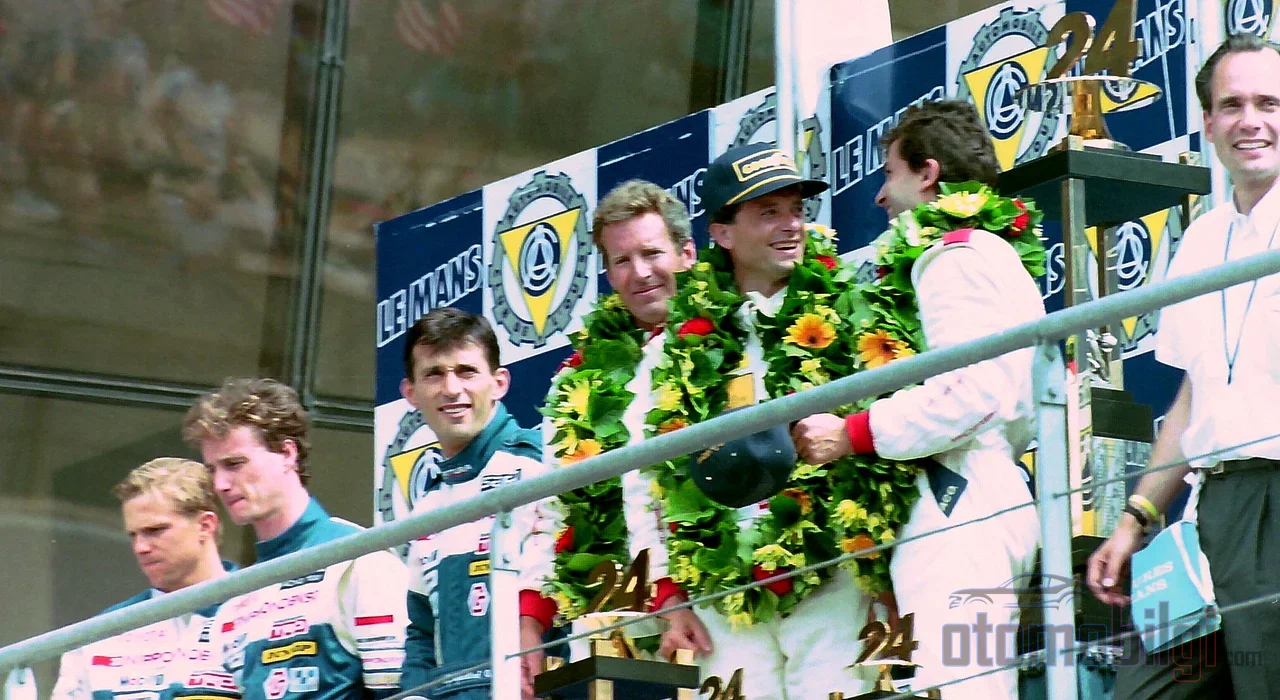
Just imagine this scene for a moment: Two laps to the finish at Le Mans, one cylinder of the car's engine has stopped working, and the mechanics have cut the fuel to that cylinder as a last resort. You slowly, holding your breath, glide toward the finish line. The moment you cross the line, the engine explodes. Yes, really. Hurley Haywood's first Le Mans victory is exactly this kind of story, the kind that could be made into a movie.
While Tom Kristensen's nine victories and Jacky Ickx's six are told over pages, the only American driver with three overall wins spread across three different decades is often overlooked. Yet Haywood's career is an epic of endurance, stretching from 1977 to 1994, intertwined with legendary machines like the Porsche 936, 956 and Dauer 962. If you're ready, let's take out those three victories one by one, with all their crazy details.
Who Is Hurley Haywood? The Road from Brumos to Le Mans
Haywood, born in Chicago, begins his story with an unusual transition from motorcycles to cars. The turning point of his career came when he met Peter Gregg, the owner of Brumos Porsche. In 1973, he suddenly made a name for himself by winning both the 24 Hours of Daytona and the 12 Hours of Sebring at the wheel of the Porsche 911 Carrera RSR together with Gregg. The year 1970, when he did his military reserve service in Vietnam, was also a period that matured his character; Haywood later recounted that this experience contributed to his Daytona victory.
Speaking in the language of numbers, the picture is striking: 5 24 Hours of Daytona victories (1973, 1975, 1977, 1979, 1991), 3 Le Mans victories, 2 Sebring victories. This triple crown is the toughest combination in endurance racing, and Haywood is the fifth driver to complete it. Add the 1988 Trans-Am championship and 2 IMSA GT championships, and the title of America's greatest endurance racer is not given in vain.
Highlights
- Haywood won Le Mans in 1977, 1983 and 1994: three overall victories, three different decades.
- The only American driver to achieve this three-decade streak.
- He won in 1977 on his first attempt; he shares this distinction with A.J. Foyt.
- Most of his Le Mans career was with Porsche: his victories came at the wheel of the 936, 956 and Dauer 962.
- He shares the record of 5 victories at Daytona with Scott Pruett.
1977: Championship on the First Attempt and a Crazy Finale
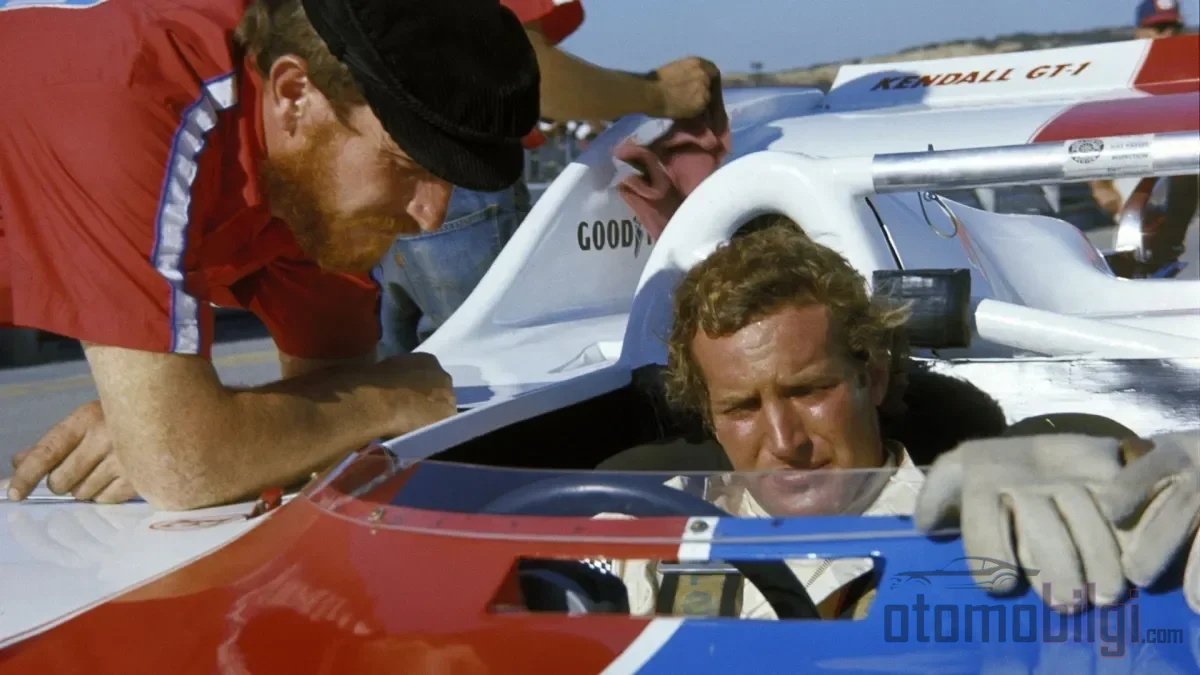
The 1977 Le Mans was also Haywood's first race in Europe. Porsche had entrusted one of its two 936/77s on the field to Haywood with Jurgen Barth, and the other to Jacky Ickx with Henri Pescarolo. When the Ickx-Pescarolo car dropped out with an engine failure on lap 46, Ickx joined Haywood and Barth's car. So the winning team included names that would all one day become legends.
The real drama actually began at the start: A failure of the electronic injection pump kept the car off the track for 38 minutes, dropping it to 41st place, 9 laps behind the leader. and dropped it back through the order. Ickx broke the lap record three times during the night, stayed at the wheel for about 7 hours, and closed the gap. In the final hours of the race, a piston with a hole: the mechanics cut the fuel to the faulty cylinder, the car completed the last two laps at a low pace and finished, and won. They were 11 laps ahead of the second-place Mirage-Ford; the engine exploded immediately after crossing the line.
For Ickx, this was a fourth victory, and moreover the third in a row; for Haywood and Barth it was the first. That same night, all three drivers of one car were written into history.
1983: Victory Narrowly Contained in the Door Strap with the Porsche 956
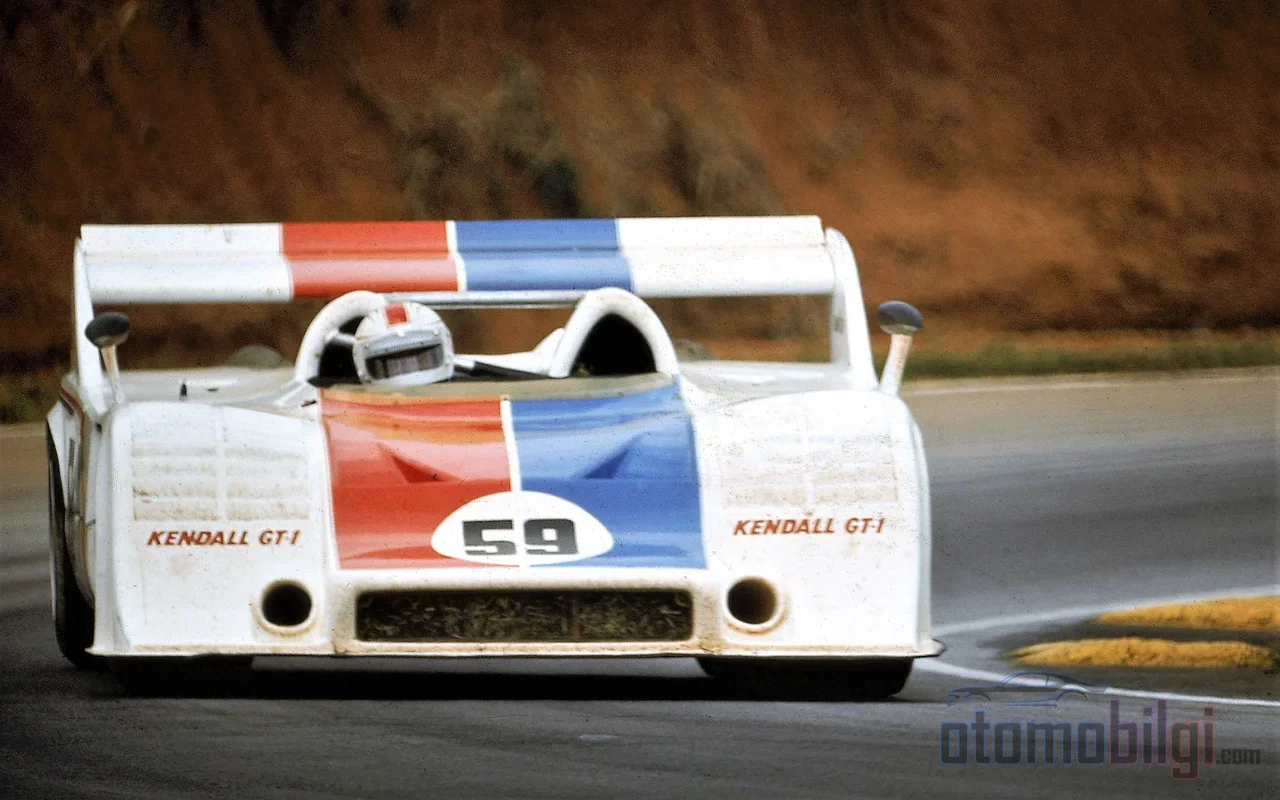
Six years later, Haywood was at the wheel of the Porsche 956, this time with Al Holbert and Vern Schuppan. The 1983 victory was also a suspense film in its own way. During the race, the door's closing mechanism fails; a mechanic removes his own belt and secures the door. The problem is that the door, which no longer closes fully, disrupts the airflow to the intercooler, which in turn damages the piston.
Holbert feels the engine beginning to seize on the Mulsanne Straight and tries to finish by driving the car at about 30 km/h trying to finish by driving at a speed of around 30 km/h. Meanwhile, the sister car, with Derek Bell and Jacky Ickx, is steadily closing in; the gap shrinks to as little as 20-30 seconds. The engine explodes just after the finish. So the victory was one rescued literally at the very last second.
Haywood's second overall Le Mans victory thus came in 1983, with the 956, the strongest car of Group C's golden age. The legendary driver Ickx's last chance also closed that very race, at the hands of the Porsche of Haywood's car; history is sometimes cruel.
1994: Third Crown 17 Years Later with the Dauer 962
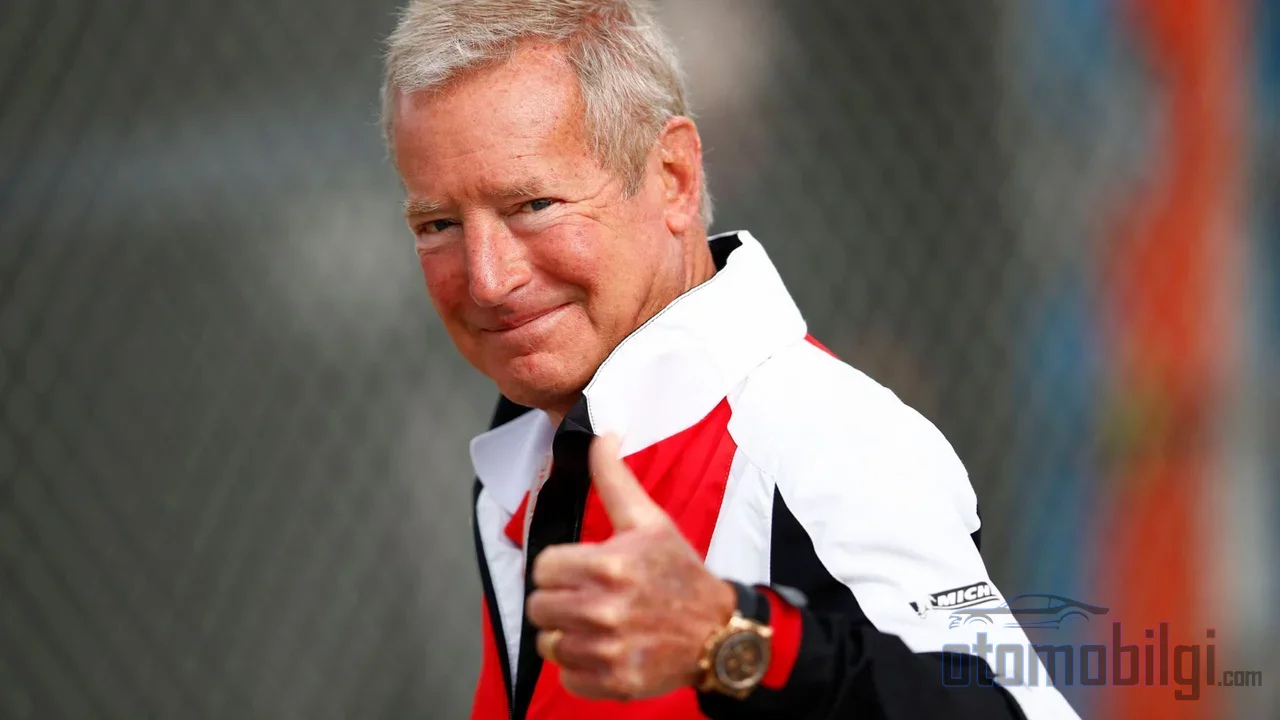
And in 1994: when no one expected it, Haywood, at 45 years old, returns at the wheel of the Dauer-Porsche 962C LM GT, with Mauro Baldi and Yannick Dalmas. They start from seventh place; they struggle with problems such as early fuel depletion and a gearbox driveshaft change on Saturday evening. When the leading Toyota develops gearbox and vent problems, they move ahead with about two hours left to the finish and win.
There is also an interesting detail behind this victory: during a 24-hour simulation test at Paul Ricard, when Danny Sullivan could not fit into the car, Haywood is transferred from another team's car to the car of Baldi and Dalmas. According to Haywood's own account, the seat, safety belt and shoulder harnesses that finally fit him properly for the first time contributed to the victory. Are you saying a bit of comfort? Over 24 hours and more than 5,000 km of distance, millimetric differences mean championships. This victory also marked the close of the famous 962 C era; nothing short of a renaissance of the 962.
Victory Cars: 936, 956 and Dauer 962
Three victories were delivered by three different legendary machines. Here is a comparison with the exact technical data found in the sources:
| Car | Engine | Power | Note |
|---|---|---|---|
| Porsche 936/77 | 2,140 cc turbo Boxer-6, twin turbo and intercooler | Approximately 540 hp (397 kW) | Torque 471 Nm, weight approximately 750 kg |
| Porsche 956 (1983) | Group C prototype engine | Not disclosed by the manufacturer | Race won with a door failure and engine seizure |
| Dauer 962 Le Mans | 2,994 cc twin turbo Boxer-6 | Approximately 730 PS (537 kW) | 0-100 km/h in 2.8 s; 0-200 km/h in 7.3 s |
The figures of the Dauer 962 are still intimidating even today: An independent measurement in 1998 recorded a top speed of 404.6 km/h. In other words, Haywood's third winning car was a Group C monster unleashed on the roads.
Where Does Haywood Stand Alongside Ickx and Kristensen?
The other side of the coin must also be honestly acknowledged: Kristensen holds the record with nine wins, and Ickx, with six wins plus 5 pole positions and 5 fastest lap records, is among the most successful in history. Haywood's three overall wins look modest on that scale. But here is the real trump card: Haywood is the only American driver to win in three different decades - 1977, 1983 and 1994. Only Allan McNish and Kristensen managed to do this afterwards. Longevity is as valuable as speed in this sport; and the fact that 12 of his 15 Le Mans entries were with Porsche has inscribed him in the brand's history in golden letters.
Among American Le Mans winners there are heavyweight names like Phil Hill, Dan Gurney, A.J. Foyt, Masten Gregory and Al Holbert; with three wins, Haywood stands at the very front of this list among Americans. In 2019, the 24 Hours of Le Mans honored him as Grand Marshal; Porsche also marked his 70th birthday with a special ceremony. Off the track, in 2018 he publicly announced that he was gay, taking an important step for visibility in motorsport.
Why Should You Know the Name Hurley Haywood?
Let's sum it up briefly: Hurley Haywood won Le Mans on his first attempt, is the only American with three overall wins in three different decades, co-holder of the record of five wins at Daytona, and the fifth name to complete the triple crown of endurance racing. He won in 1977 with an engine ready to explode, in 1983 with a door held shut by a belt, and in 1994 with a seat that fit perfectly. What is the common denominator of the three wins? Not ambition, but endurance. Le Mans rewards exactly that.
Next time you watch a Le Mans night, think about this: In today's hypercar era, which driver could do what Haywood did in the final two laps of 1977? If you find the answer, you have most likely also found the next legend.
Sources
- 24 hours, a driver, a car (15): Hurley Haywood and Porsche
- Today's Photo Story - Hurley Haywood wins the 1977 24 Hours of Le Mans
- Hurley Haywood, three-time winner and Grand Marshal of the 24 Hours of Le Mans
- Porsche 936/77 (1977) - Stuttcars
- Exclusive: The Hurley Haywood Legend Part Two
- 1977 Le Mans 24 Hours - Motorsport Database
- Rear View: Haywood's first LM24 win, 40 years on
- Porsche Honors Hurley Haywood On 70th Birthday
- Dauer 962 Le Mans
- Hurley Haywood - IMSA Hall of Fame