Henri Pescarolo: A Record 33 Races at Le Mans
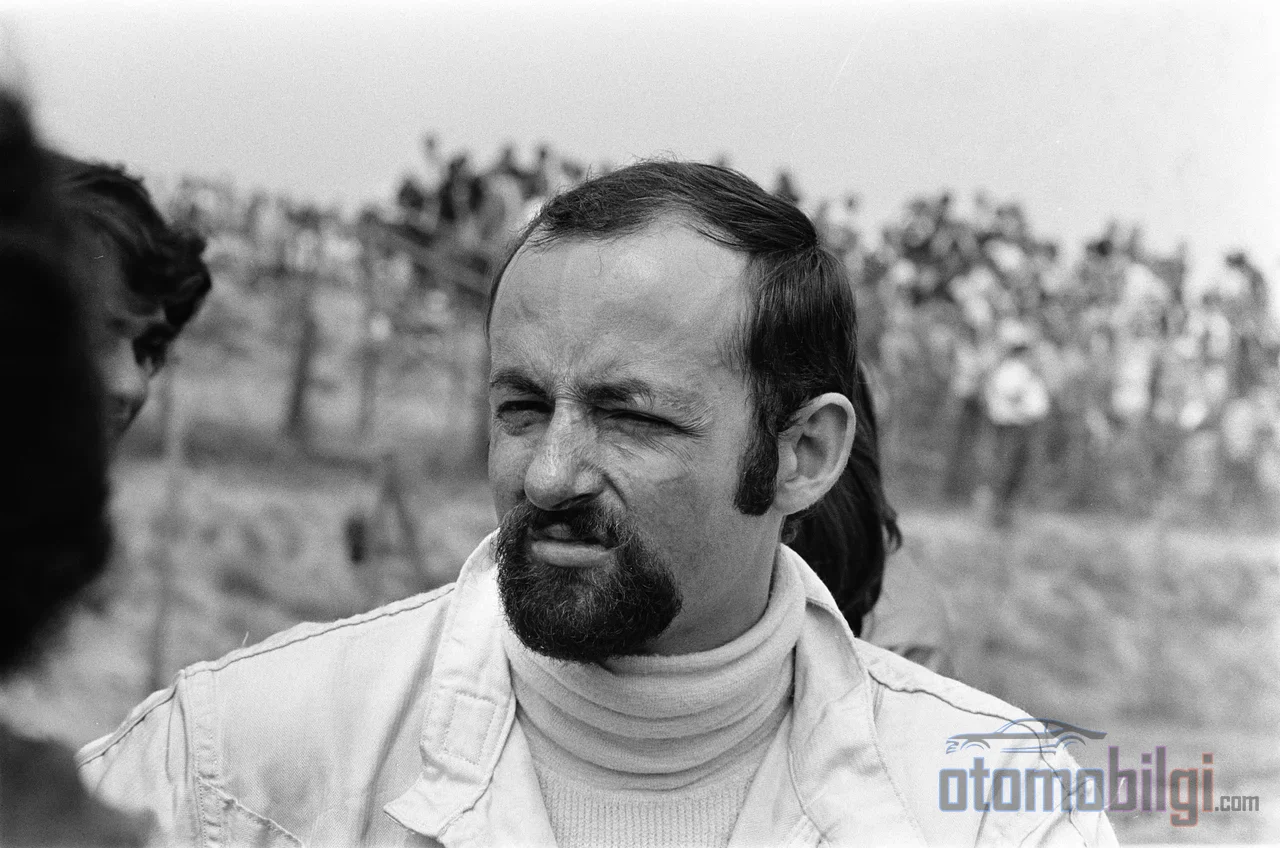
Winning at Le Mans is a tough job - but what about starting 33 times? We all know Jacky Ickx's six victories and Tom Kristensen's nine cups by heart. But the driver who entered the 24 Hour race more than anyone else in history trails behind them in the victory standings. A Frenchman with a green helmet, stubborn, and every bit as successful: Henri Pescarolo. This is precisely the story of a man who became a legend not for what he won, but because he never gave up.
Who Is This Man with the Green Helmet? The Long Road from Paris to Le Mans
Henri Pescarolo was born on September 25, 1942, and grew up in Paris. He took to the Sarthe circuit for the first time in 1966; back then you were still a child playing with toys, in an era when you exceeded 300 km/h on the circuit's Mulsanne straight, and braking pinned you to the roof. Over the course of his career, he was involved with this race exactly 44 times: 33 times as a driver behind the wheel, and 11 times as a team owner. Let's think about that once more: 33 starts means roughly 792 hours of racing. In other words, the man spent 33 full days, nights, and mornings on the track at average speeds of nearly 200 km/h and above.
That record still stands unbroken. Ickx won more, Kristensen lifted more; but no one walked through Le Mans' door as many times as Pescarolo did. The most interesting part of all this is: this 33-start streak is not a tale of abundant victories, but on the contrary, a story of stubbornness filled with breakdowns, crashes, and recoveries every single time.
Highlights
- Record 33 driver starts in the 24 Hours of Le Mans (1966-1999), a record he still holds.
- 4 overall victories: 1972, 1973, 1974 (three in a row with Matra) and 1984 (Porsche 956).
- The first French driver to win three consecutive victories at Le Mans.
- He founded his own team, Pescarolo Sport, in 2000; finished 2nd overall in 2005 and 2006. His distinctive mark:
- the green helmet. The Matra Era:
The Matra Period: How Three Consecutive Victories Were Achieved
The period that wrote Pescarolo's name into history was the years he spent with the French giant Matra. Matra, with its sports racers between 1966 and 1974, was a team strong enough to win both Le Mans and the World Championship for Makes. Pescarolo, on the other hand, settled into the heart of the team in 1972: that year he shared the Matra MS670 with the legendary Graham Hill, and the duo won the overall classification, bringing Pescarolo his first Le Mans victory.
1972, 1973, 1974. 1972, 1973, 1974. In later years, Pescarolo would speak of that car with praise, recalling that he had won with it three years in a row. In later years, Pescarolo would speak of that achievement and that car with praise, recalling that he had won with it three years in a row. This hat-trick made him the first French driver to win Le Mans three times in a row. The names he raced against in the Matra era were also too brilliant to be dismissed: He shared the same garage with drivers like François Cevert and Jean-Pierre Beltoise; Cevert raced the MS670B in 1973.
A nice detail for those who got curious and did the math: Between 1969 and 1976, Ickx and Pescarolo were dead even, tied with three wins each. In other words, Pescarolo was once the very candidate for the record. Then Ickx took his fourth victory in 1977 and his sixth in 1981, and the top of the victory rankings passed to him.
The Fourth Victory: 1984 and the Two-Man Final Dream
Pescarolo's last Le Mans victory was a true classic. In 1984, with the Reinhold Joest team and in partnership with Klaus Ludwig, he climbed to the top step of the podium with the Porsche 956. The incredible part of the story is this: the winning car raced with a two-man crew, and this became the last example of a two-driver team winning at Le Mans. In 24 hours that a single driver today can barely finish, two men covered 3,044.97 miles, day and night without pause; the average speed was 126.87 mph, that is about 204 km/h. If you told someone used to modern fuel strategies, they would not believe their eyes.
Of course, the number of victories was not limited to four; class wins were also added to his career. In addition, he won the 24 Hours of Daytona with Joest in 1991 and showed at Spa-Francorchamps that he held the starting record. The man seems to have left his mark on every track that comes to mind when endurance racing is mentioned.
Ickx, Kristensen, Pescarolo: Which Legend Is Real?
Having read this far, the following question must have come to your mind: since Ickx took six and Kristensen nine victories, why is Pescarolo still one of the most talked-about names? The answer lies in the two different forms of legend at Le Mans.
| Driver | Le Mans Victory | Form of Recognition |
|---|---|---|
| Jacky Ickx | 6 (1969-1981) | Victory count record holder, favorite victory 1977 |
| Tom Kristensen | 9 (1997-2013/14) | Mr Le Mans nickname, 5 extra podiums |
| Henri Pescarolo | 4 overall + class victories | Record 33 starts, symbol of never giving up |
We know that Kristensen surpassed Ickx's record in 2005; with his nine trophies and five extra podiums, he is called Mr Le Mans. The reason Pescarolo could not enter this club is simple: that nickname belongs to someone else. His identity stands somewhere else. While Kristensen and Ickx are remembered for what they won, Pescarolo is remembered for having entered and endured. The definition of the spirit of Le Mans is hidden between these two words: is it to win, or to come back again the next year?
The Unbreakable Man: Accidents, Comebacks and the Green Helmet
In Pescarolo's story there are as many falls as victories. The 1969 Le Mans passed for him with a serious accident; even the 1968-1969 period is mentioned with success and accident side by side in the official accounts of race management. This accident became one of the turning points of his career, and everyone might have imagined he would not return. But he did return. Starting from his first start in 1966, he returned a full 33 times, with fractures, repairs, scars and bruises.
For those who recognized him on the track, the sign was clear: the green helmet. The helmet color became the man's signature; racing historians speak of him as the man with the green helmet. Just think: if the career of someone who went through a humble period in Formula 1 and became almost part of the track at Le Mans can become identified with a single symbol, one would say an interesting story is hidden there. The story kept in Pescarolo is proof that no one will ever do the same thing again.
Behind the Wheel: A Second Life with Pescarolo Sport
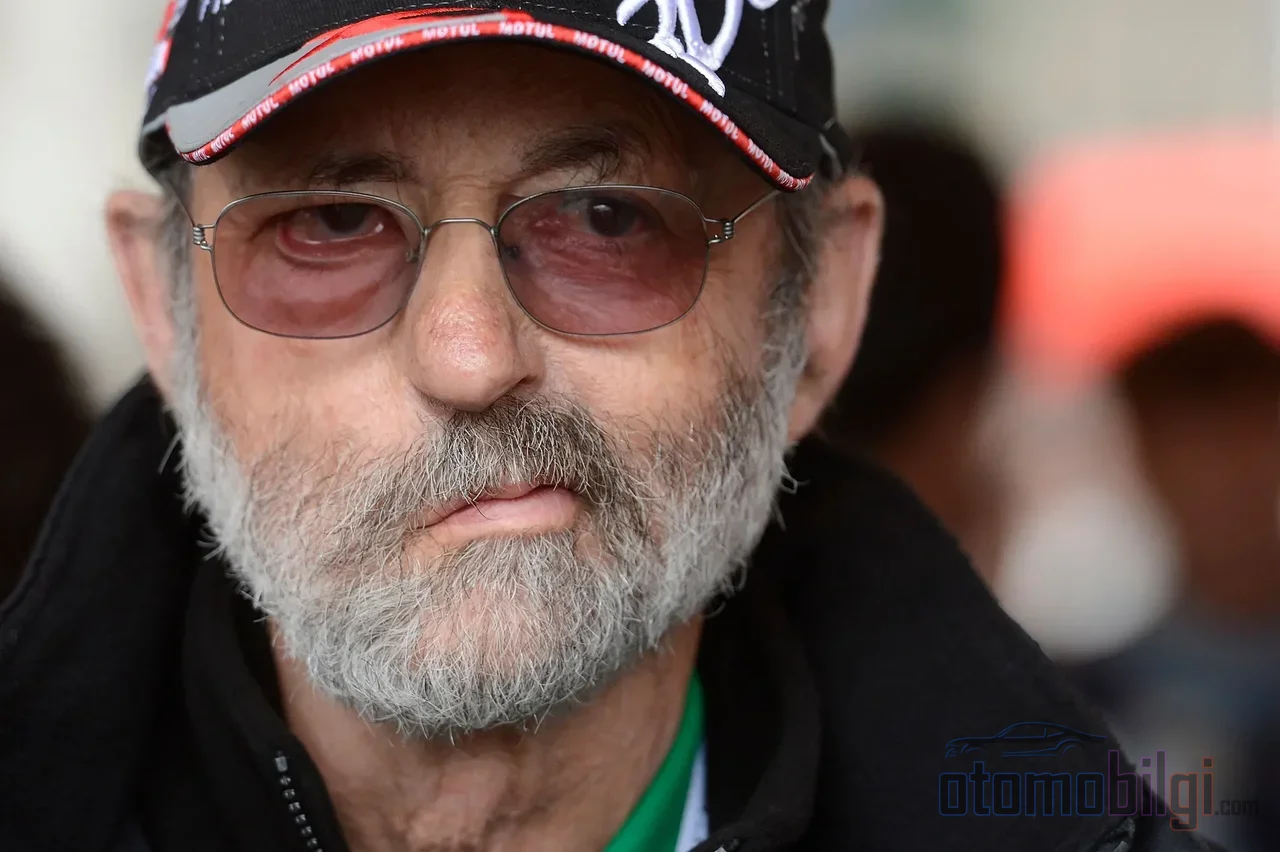
When he retired from driving in 1999, Pescarolo did not say goodbye to Le Mans. In February 2000, he founded his own Le Mans-based team together with a friend: Pescarolo Sport. Between 2000 and 2013, this team competed in endurance racing and, of course, at Le Mans. During a period when Audi withdrew its factory backing, it was one of the teams that almost single-handedly kept the fight for overall victory alive.
And the results came. In 2005, it won two rounds of the Le Mans Endurance Series and took pole position in LMP1 that same year. At Le Mans, it finished 2nd in the overall classification twice in a row, in 2005 and 2006. . Collecting three podiums between 2005 and 2007, the team was remembered as one of the most successful privateer outfits of the 2000s. With cars like the Judd-powered Pescarolo C60 and the French-blue Pescarolo 01, it took on the monsters of the deep-budgeted factory teams, such as the Audi R10 TDI. The third place at Le Mans in 2007 carries a special meaning: it was the last time a privateer team's car could reach the overall podium. After that, the podium became the exclusive address of the giant teams; in other words, Pescarolo became one of the last representatives of the privateer era.
And there is also a legacy part that completes the story. Benoit Tréluyer, one of the team's former drivers, won Le Mans with Audi in 2011, 2012, and 2014. Tréluyer said he saw Pescarolo as a mentor, and that if he had had his own marque, he would have given a car without hesitation to someone who achieved so much with limited means. Roughly translated: this man is not just fast, he is reliable. So we know that Pescarolo Sport developed drivers and carried them to the very top of Le Mans.
The Spirit of Le Mans - But What Exactly Does It Mean?
Let's put together the pieces we gave above, because that is the real question of this page: Who is Henri Pescarolo and why is he still talked about? If we compress the answer into a single sentence, it goes like this. Pescarolo is a Le Mans institution: with a record 33 Le Mans starts spanning 1966 to 1999, he is the driver who raced over the longest span in history; an legend who took three consecutive overall wins with Matra in 1972-1974 and his fourth in 1984; and someone who kept leaving his mark on the race by founding, with Pescarolo Sport, one of the most successful privateer teams of the 2000s.
Kristensen won more with nine cups, Ickx was called a genius with six victories. But the definition of Le Mans is not only about the number of wins; there are also the concepts of surviving 24 hours, coming back again the next year, and being repaired and returning when broken. Pescarolo is the face of this second definition. He is a living example of that racing spirit, measured by entering and enduring as much as by winning. Do you think this record can ever be broken again? For now, the answer is still hidden in that green helmet: the man who started 33 times has not yet been surpassed by anyone.
Sources
- Henri Pescarolo, the four-fold proof - 24h-lemans.com
- Henri Pescarolo - Wikipedia
- Pescarolo Sport - Wikipedia
- Henri Pescarolo at Le Mans - 1968-1969 - 24h-lemans.com
- 24 Hours Stories: 1977, Jacky Ickx - 24h-lemans.com
- 24 Hours of Le Mans Centenary - Pescarolo's great adventures - 24h-lemans.com
- Pescarolo Car Wins Le Mans - NYT, June 18, 1984
- Henri Pescarolo, the record holder of Spa-Francorchamps - FIAWEC
- Le Mans legends: Henri Pescarolo - Human Side of Racing
- Greatest Racecar? Henri Pescarolo's Matra 670 - Sportscardigest