Jacky Ickx and the Story of Six Victories at Le Mans
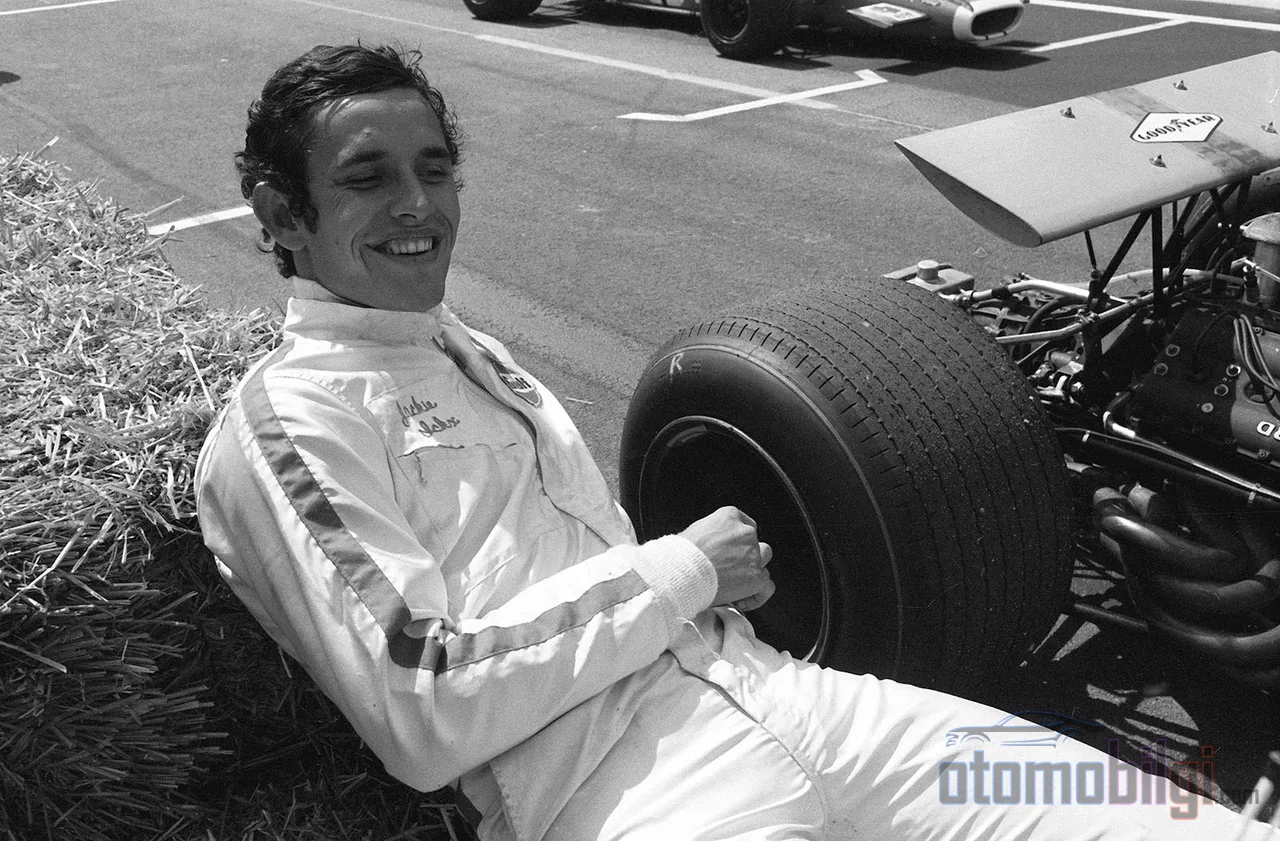
A race is about to begin. Everyone is running like crazy, drivers are jumping into their cars, revving their engines, fastening their belts and launching into traffic. But there is one person walking calmly. Jacky Ickx, at the start of the 1969 Le Mans, is making the most important protest of his life. The few hundred meters he walked that day launched one of the greatest safety changes in racing history. So who was this Belgian man, and why did he dominate Le Mans exactly six times?
Who Is Jacky Ickx? From Brussels to the World of Racing
His real name is long, his style all his own: Jacques Bernard Edmon Martin Henri Ickx was born in Brussels on January 1, 1945. Motor racing was not a career plan for him, but rather a family environment; his father Jacques Ickx was a motoring journalist who lived and breathed motor racing. Little Jacky grew up with dust and fuel.
He started out on motorcycles, and very successfully at that: In 1963, at the Belgian national 50cc trial championship, he beat Roger De Coster, who would later become a motocross legend. Then he doubled the number of wheels; in 1965 he won the national sedan championship, and in 1966 he completed the 24 Hours of Spa with victory in a BMW 2000TI. Take note: at only 21 years old, he had already begun to become an expert in 24-hour races.
His Formula 1 side was not bad either - in fact, it was quite good: In a career spanning 1966 to 1979, he collected 8 wins, 13 pole positions and 25 podiums. He took his first victory at the 1968 French GP in Rouen, in pouring white rain; his last came in 1972 at the Nurburgring. He finished runner-up in the championship in 1969 and 1970. But his true legend was written in the race of sleepless nights: Le Mans.
Highlights
- Jacky Ickx won Le Mans 6 times in the overall classification: 1969, 1975, 1976, 1977, 1981 and 1982
- His record stood until 2005, when Tom Kristensen took his seventh victory
- His running-start protest in 1969 became a turning point in the abolition of the traditional Le Mans start
- He won the 1969 finish by overtaking Hans Herrmann's Porsche 908 with a margin of about 120 meters
- In F1, he has 8 wins and two championship runner-up finishes
1969: The Walking Man and the Historic Protest
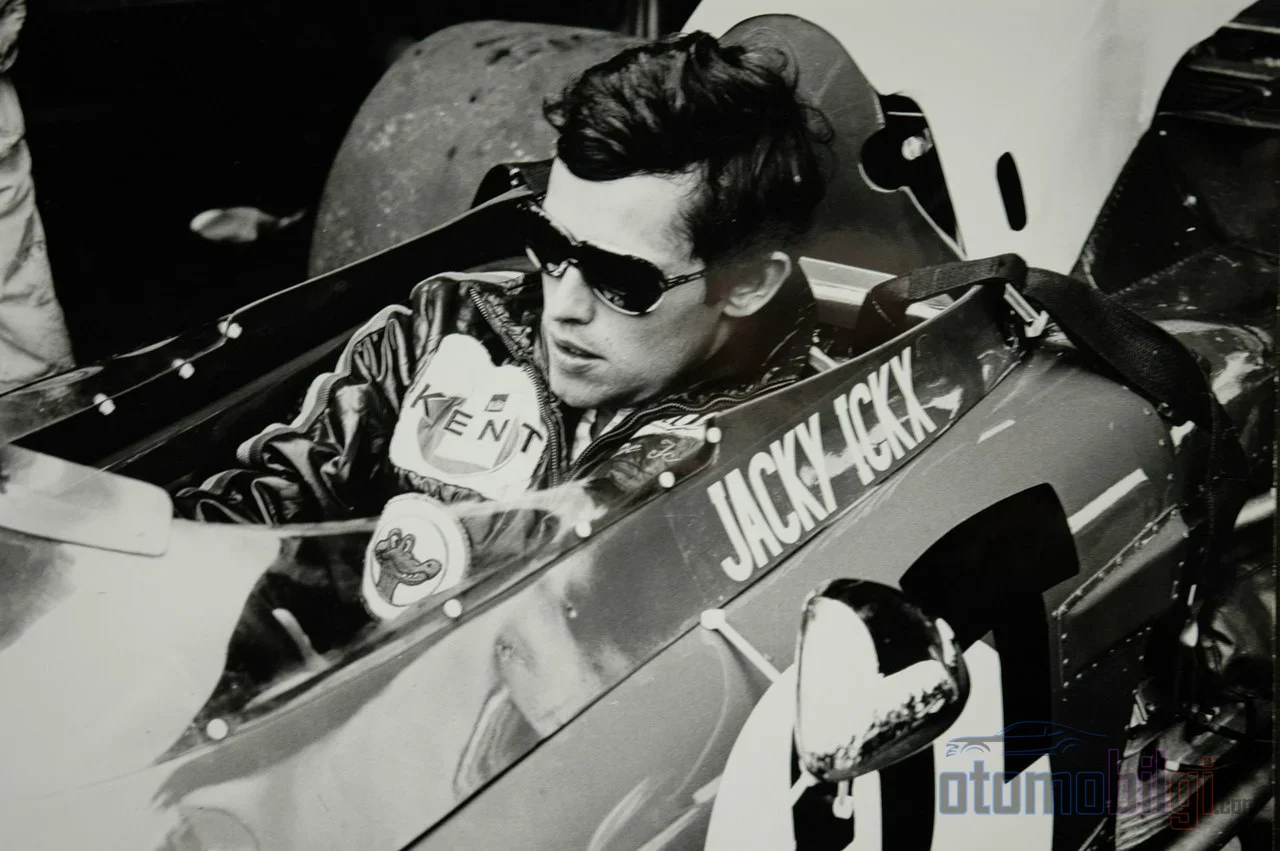
The Le Mans start used to be a very different scene. Drivers would wait on the far side of the track, run to their cars at the start signal, jump in and fasten their belts while already driving. As you can guess, this was a risk we cannot lightly dismiss: driving at speeds exceeding 200 km/h without securing your body with a belt is almost unthinkable by today's standards.
And that is exactly what Ickx thought. At the 37th running on June 14-15, 1969, while everyone ran at the 24 Hours of Le Mans, he walked slowly toward his #6 Ford GT40, got in, calmly fastened his belt, and only then floored it. This silent protest was so powerful that even in the official narrative of the race organization, it is remembered as the moment that made him a legend and changed the Le Mans scene. 1969 was the last year the traditional Le Mans start was used.
Now let's be honest: Ickx was not the only factor in the removal of the start; the mandatory seatbelt rule of the era also played a role, and this change was the product of a unified safety awareness. But Ickx's slow walk became one of the most visible symbols of safety culture in endurance racing. Every driver today who has their belt checked before heading out carries a bit of that day's legacy.
Closest Finish: A Victory by 120 Meters
The story that began with the 1969 walk was crowned by one of history's most dramatic finishes in that same race. Ickx, driving for the John Wyer team, raced with Jackie Oliver in a Ford GT40; opposing them was the Porsche 908 driven by Hans Herrmann. After 24 hours the two cars were practically side by side: Ickx beat Herrmann by only about 120 meters. It is still considered the closest finish in Le Mans history.
The final laps were a true cinematic scene: the two cars swapped the lead again and again. Ickx knew that if he entered the Mulsanne straight ahead, Herrmann would take him back; so he saved his plan for the final lap and passed Herrmann exactly there. This victory was also the final link in Ford's four-year run of consecutive wins, completed after Ferrari. The first Le Mans win had come after a day that began with a walk - do you call it a coincidence? I don't believe it.
Six Wins, Different Cars: The Porsche Era and Beyond
What makes Ickx special is not just the number of wins; it's which cars he won with. He began his Le Mans career in 1966 and raced 17 times; in 10 of those he reached the top three steps of the podium. His six overall classification wins came in four different cars:
| Year | Car | Teammate |
|---|---|---|
| 1969 | Ford GT40 | Jackie Oliver |
| 1975 | Gulf GR8 | Derek Bell |
| 1976 | Porsche 936 | Gijs van Lennep |
| 1977 | Porsche 936 | with the Derek Bell, Jürgen Barth/Haywood crew |
| 1981 | Porsche 936/81 | Derek Bell |
| 1982 | Rothmans Porsche | - |
His relationship with Porsche deserves a separate heading. The Belgian driver won four times for the German brand (1976, 1977, 1981, 1982), and three of those came with the Porsche 936. The 1977 victory made Ickx part of the first three-driver crew to win Le Mans, together with Barth and Haywood; until that day only a single driver had achieved this feat. In 1981, he and Derek Bell finished the race with a 14-lap lead - in other words, a lap-by-lap crushing dominance in a 24-hour race.
Beyond Le Mans, he swept the endurance calendar too: he won the 24 Hours of Daytona with Andretti in 1972 and the 12 Hours of Sebring in 1969 and 1972, becoming the fifth driver to complete the Triple Crown of endurance racing. He took two World Endurance Championships with Porsche in 1982 and 1983; his career includes 39 sportscar wins in total. If you don't call this man fast, what do you call him?
Who Does the "Mr Le Mans" Nickname Belong To: Ickx or Kristensen?
Today, the first name that comes to mind when Le Mans is mentioned may be Tom Kristensen; The Danish driver won exactly 9 times between 1997 and 2014 and holds the record among all drivers. But the previous holder of this record was Ickx, and that record stood for a long time: For 23 years, until Kristensen's seventh victory in 2005, he was Le Mans' most successful driver.
An interesting detail: The nickname Mr Le Mans was first given to Ickx; this nickname was later also used for Kristensen. So the debate is actually a chain of praise: each new star carries the line drawn by the previous one a little further. Ickx's six victories still hold second place among the best of all time today, and the fact that he achieved it with four different cars puts him in a completely different category.
There is also the rain side: Ickx was given the nickname Rain Master because he had many wins on wet surfaces. His style of making the difference in the rain by not shifting his braking points and opening the throttle fearlessly was the subtle difference that lifted him a bit above his contemporaries.
After the Races: How a Legacy Was Left
Ickx's endurance career ended in 1985, following his role in Stefan Bellof's death at the Spa 1000 km. It was a closing that racing fans still speak of with sorrow; though it remained in the shadow of the golden pages of his career, the driver himself never forgot this event.
But the legacy he left is far brighter. Thanks to that slow walk in 1969, race starts today are carried out with safe procedures; drivers get into their vehicles fastening their seatbelts, and no one needs to entrust their life to the speed of a sprint. That duel, remembered as the closest finish in Le Mans' history, always kept its name in the spotlight. Moreover, even in 2026 his name is current: one of the new entrants of the hypercar era combined past and present with a short film that brought him into the project.
If you like, let's return to the beginning now: a man, in 1969, was a human who did not run. This was a stubborn, pure and correct act; it changed both his own life and the rules of a race. Then he won Le Mans six times and made history a few more times. So let's ask again whether what makes a racer a legend is speed, courage, or being able to stop at the right moment - I think Ickx's answer has already been written.
Sources
- Jacky Ickx
- Jacky Ickx - Prize list & statistics
- Jacky Ickx interview series (2) - 1969 and the walk to victory
- Jacky Ickx: The original Mr Le Mans
- Jacky Ickx - Top driver legend
- The inside story of the greatest Le Mans finish
- 3:36.50 minutes: Catching up in Le Mans
- 1969 24 Hours of Le Mans
- Jacky Ickx Hall of Fame
- Jacky Ickx: The Le Mans Legend Who Changed the Start