Leapmotor B10 Hybrid: Meet the New Chinese SUV
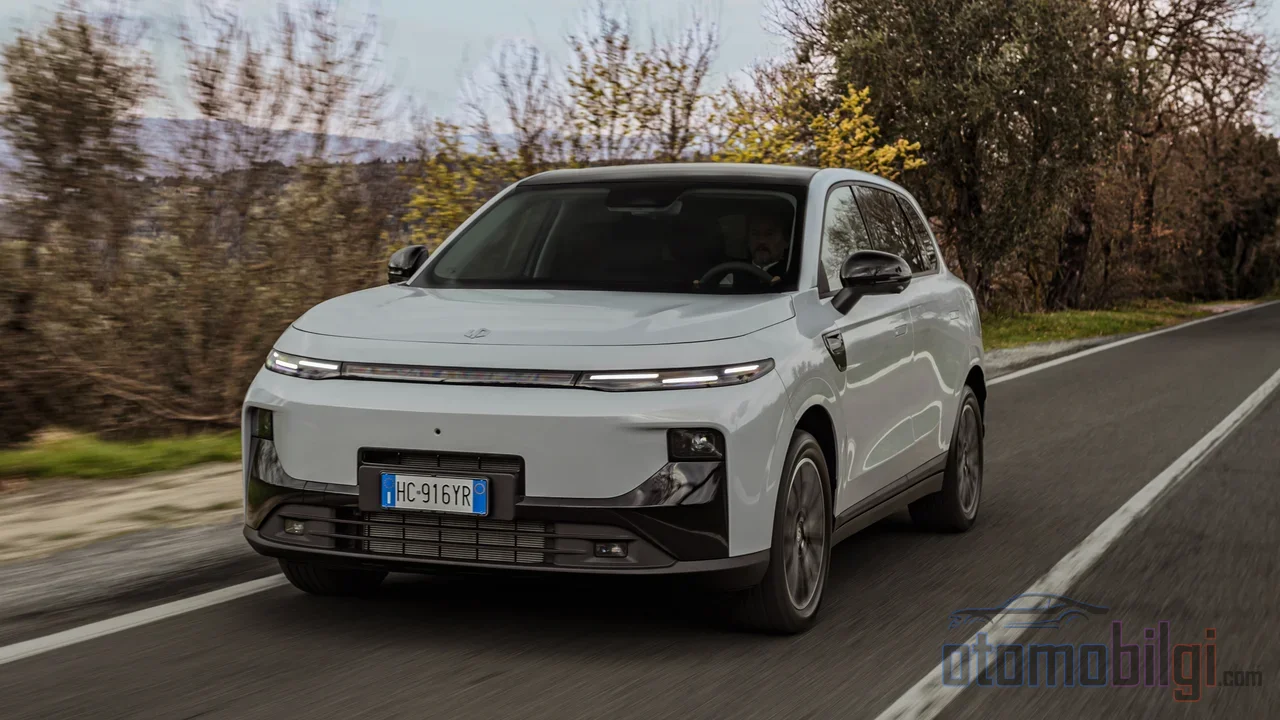
Entering Europe's compact SUV market, where Toyota, Hyundai and Honda have set the hybrid order, is a vehicle that carries a gasoline engine under its hood but whose wheels are never turned by that engine: Leapmotor B10 Hybrid. The manufacturer's own name for it doesn't fit the familiar scheme either; the model is listed in the global lineup as a "Hybrid EV". So what exactly does this label mean, and where does this new wave of Chinese hybrids, which Western readers are not yet accustomed to, technically differ from established rivals?
Model Identity: The B Series' First Global Step
The B10 is a compact crossover SUV produced by the Chinese manufacturer Leapmotor since 2025; it is the brand's first vehicle in its "C" series and the first model to carry the new LEAP 3.5 platform. Its first international preview was the Paris Motor Show in October 2024; the Chinese launch took place on April 10, 2025, and the model gathered 10,016 orders in its first hour. European sales began in September 2025.
An important detail: The B10 is actually a model designed as fully electric (BEV). The hybrid variant was created by adding a range-extender internal combustion engine on top of this electric base, and is sold by Leapmotor International within the Stellantis group. Dimensions are in the classic C-segment SUV range: 4,515 mm length, 1,885 mm width, 1,655 mm height and 2,735 mm wheelbase. Production is now no longer only in China; it also began in October 2026 at the Zaragoza plant in Spain - a strategic step for the European market.
Highlights
- Range-extender hybrid (EREV): The 160 kW (218 hp) electric motor always drives the wheels; the gasoline engine only turns a generator
- Approximately 84-86 km of pure electric range with the 18.8 kWh LFP battery
- Total WLTP range 900 km, CO2 emissions 21 g/km
- 0-100 km/h in 7.5 seconds, top speed 170 km/h
- %30-80 on DC charging at 50 kW: 30 minutes
Architecture of the Hybrid System: Why Isn't the Engine Connected to the Wheels?
The B10 Hybrid is neither a classic full hybrid nor, in common usage, a plug-in hybrid. Its name in technical terminology is range-extender hybrid, i.e. EREV (range-extender electric vehicle). The architecture rests on three fundamental principles: The electric motor always drives the wheels; it is never mechanically connected to the range-extender engine; that engine's sole task is to generate electricity while driving.
In practice, this means that the permanent-magnet synchronous electric motor on the rear axle, with 160 kW (218 hp) of power and 240 Nm of torque - identical to the one in its BEV sibling - is the vehicle's sole source of propulsion. The 1.5-liter four-cylinder gasoline engine under the hood, meanwhile, only turns a 50 kW generator. The generator is directly connected to the engine; since no flywheel or torsional damper is used, the assembly is 8 kg lighter than rival range extenders. The eight-layer flat-wire hairpin winding increases electricity generation efficiency.
The impact of this approach on driving is clear: The B10 Hybrid feels like a fully electric car in every condition. No gear changes, no transmission shifts, no torque interruptions from the gasoline engine delivered to the wheels. On the noise and vibration side, the engineering is also deliberate: The 1.5-liter engine block is designed with high rigidity, and the tremor damper system supports quietness. The electric motor being constantly engaged is what fundamentally sets this hybrid apart from conventional full hybrids.
Energy Modes, Battery and Charging: How Does Everyday Use Work?
At the heart is an LFP battery with 18.8 kWh capacity. According to the WLTP cycle, the pure electric range is approximately 84–86 km - a value at which the majority of daily suburban traffic can be covered without ever meeting gasoline. The total range is 900 km WLTP; The 50-liter fuel tank supports this. On the performance side, 0–100 km/h in 7.5 seconds, with a top speed of 170 km/h.
There are four modes in which the driver can set the energy strategy:
- EV+: The range extender never kicks in until the battery charge drops below 9%.
- EV: Smart engagement below 25%; the system runs the generator as needed.
- Power+: The generator is always on; for maximum range and consistent performance.
- Fuel: Fully electric when the battery is above 80%, smart operation below that.
Regenerative braking offers four settings, including a "one-pedal" mode; additionally, the freewheeling function disengages the engine on flat and downhill roads and lets the car coast on momentum. On the charging side, the 30–80% range is completed in 30 minutes with a maximum of 46 kW DC power; the same range takes about 1 hour 45 minutes with 6.6 kW AC charging. The model also later gained one-pedal driving and advanced connectivity features through a software update - an example of OTA updates expanding the vehicle's capabilities.
Consumption Character: Electric in the City, Generator on Long Journeys
The official combined consumption is given as 0.9 L/100 km in the cycle that assumes the battery is charged from the plug. This value is a natural consequence of the EREV architecture: While short daily distances are covered entirely on electricity, gasoline consumption drops to nearly zero in the statistics. On long journeys, however, the picture changes; when the battery is depleted, the gasoline engine kicks in, and it is reasonable to expect real-world consumption in the 5.5–6.5 L/100 km band. So the character is two-poled: plug-in EV discipline in urban use, and modest gasoline engine efficiency on uninterrupted long journeys.
This dual character also explains the vehicle's CO2 declaration: The 21 g/km value comes from the weight of the charged battery in the combined cycle. Reaching this level would not have been possible in a full hybrid that is never plugged in.
Interior and Trunk Practicality
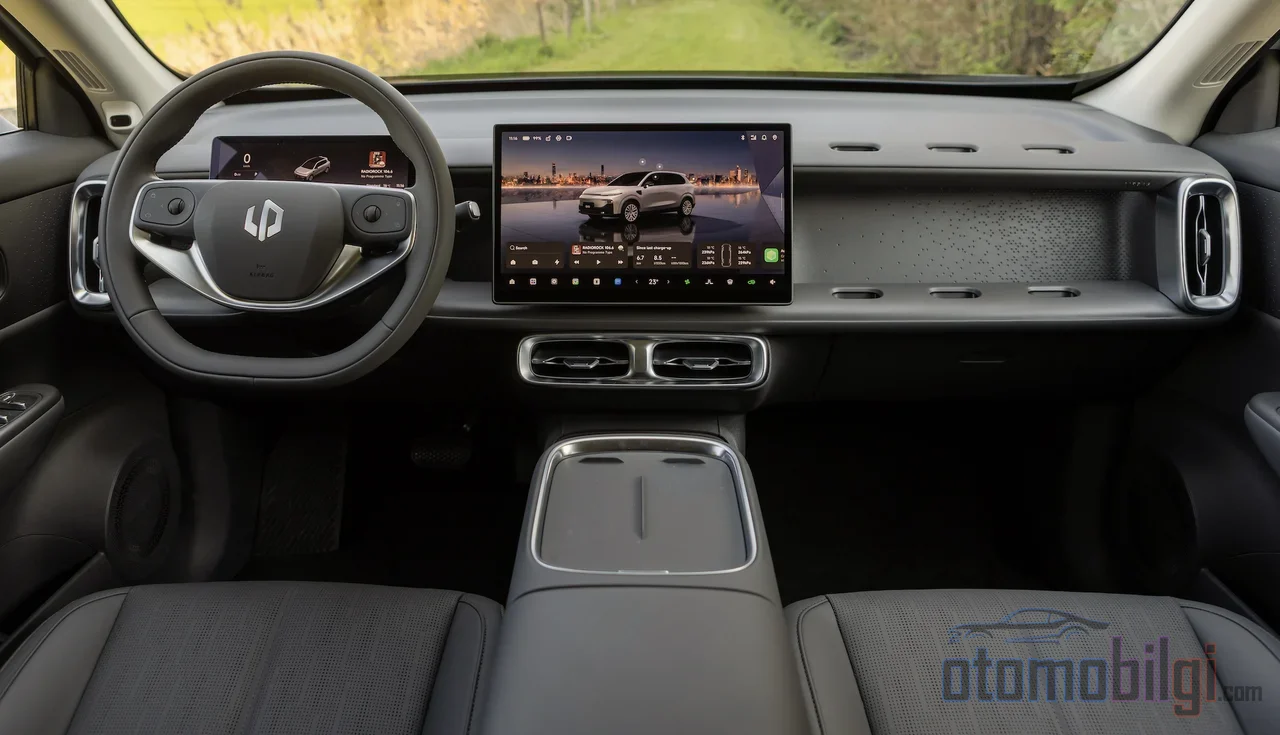
In the cabin, the 8.8-inch digital instrument cluster and the 2.5K central screen with 14.6-inch resolution take center stage; runs Leapmotor OS 4.0, whose interface offers a smartphone-like experience. Apple CarPlay and Huawei HiCar support along with an AI-powered voice assistant form the digital backbone of daily use. In the hybrid variant, heated and ventilated front seats, a panoramic glass roof and a 12-speaker sound system come as standard.
Cargo volume varies by market and trim, which calls for a heading: The official global page shows 430 L of cargo space for the hybrid and 1,700 L with the seats folded; to this is added a 25 L front trunk (frunk). In some markets, values between 330 L and 490 L can be seen across different trim levels - it is worth checking the technical data sheet of the relevant market before buying. On the other hand, it is also a fact that in rival comparisons the Tucson's load volume is noticeably larger; the B10's cargo area is not the largest in its class.
Technology and Safety Equipment
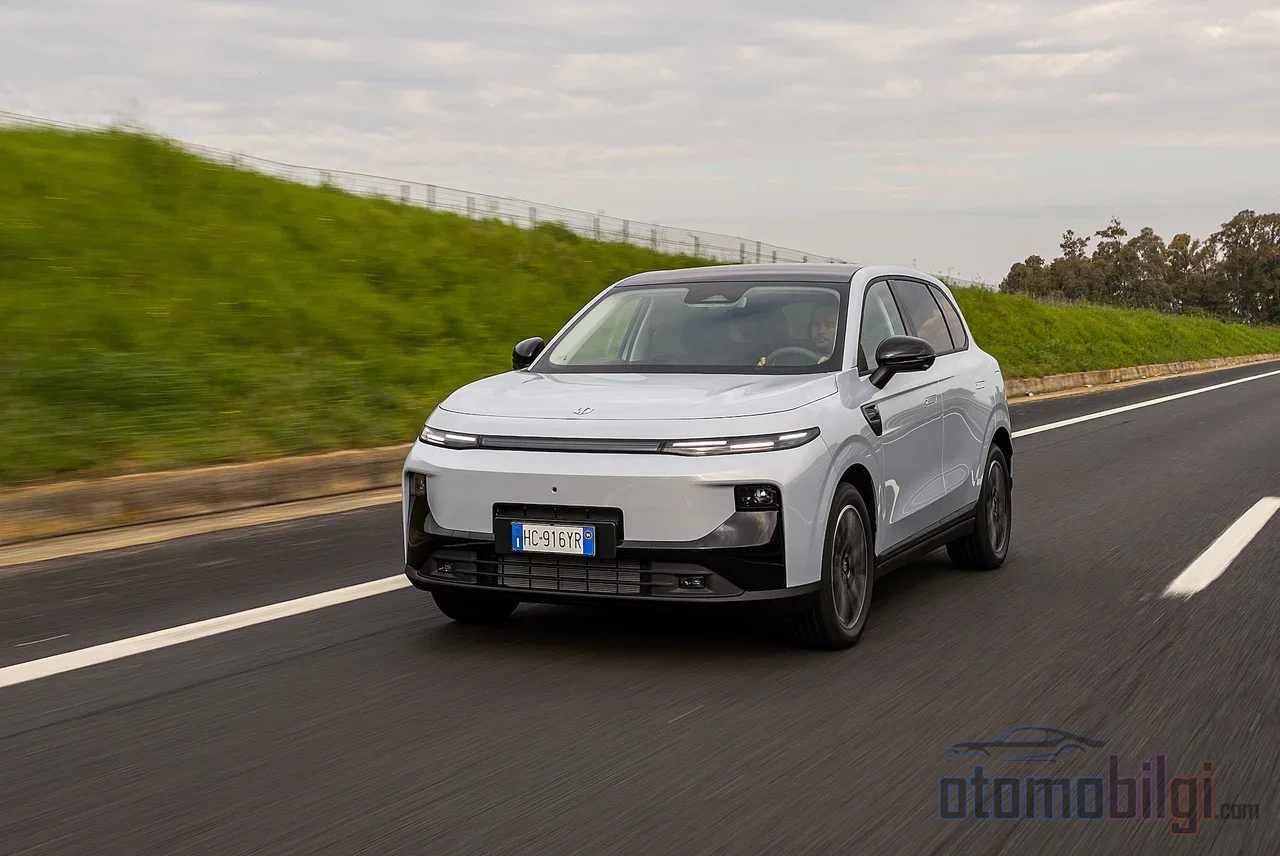
On the safety side, 17 ADAS functions are offered as standard, and this package contributes to the model's five-star Euro NCAP rating. In higher trims, the perception hardware stands out, consisting of a 128-line LiDAR, 3 mmWave radars, 8 MP cameras and a Snapdragon Ride processor. For the 2027 model year, updates have been announced for the Chinese market, such as a 50-inch AR HUD, a 17.3-inch 3K display and 30-80% charging in 16 minutes thanks to the 800V architecture; it is not yet clear when this package will reach Europe.
| Feature | Value |
|---|---|
| Electric motor | 160 kW (218 hp), 240 Nm, rear |
| Range extender | 1.5 L petrol, 50 kW generator |
| Battery | 18.8 kWh LFP |
| Electric-only range | ~84-86 km (WLTP) |
| Total range | 900 km (WLTP) |
| 0-100 km/h | 7.5 seconds |
| Cargo | 430 L / 1,700 L + 25 L frunk |
| Warranty (United Kingdom) | 4 years/60,000 miles; battery 8 years/100,000 miles |
Where Does the B10 Stand Against the Hyundai Tucson and MG HS?
The most common question is whether the B10 Hybrid can be lumped in the same category as the Hyundai Tucson Hybrid. The technical answer is no: the Tucson is a full hybrid; it runs only with a 1.49 kWh battery and a 44.2 kW electric motor, with the petrol engine mechanically driving the wheels. The B10, meanwhile, with 218 hp and 240 Nm, is clearly above the Tucson's 154 hp and 192 Nm figures; moreover, this power always reaches the wheels electrically. Comparing the two vehicles is technically like weighing an apple against a pear.
On the pricing side, the picture varies from market to market. In the United Kingdom, the B10 Hybrid went on sale at an OTR price of £31,495 - the same price as its electric sibling - and sits about £600 above the Tucson. In Australia, the hybrid was offered at the same price as the electric version as well. The MG HS is seen to remain cheaper in some markets; so the EREV's price competitiveness does not yield the same result in every market. The advantageous side is clear: a daily-use 84-86 km range that can be charged from a plug is something neither the Tucson Hybrid nor the MG HS hybrids offer.
Conclusion: The Meaning of the "Hybrid EV" Label
In summary, the Leapmotor B10 Hybrid is neither a classic full hybrid nor a typical plug-in hybrid; it is a range-extender hybrid, in other words an EREV. It is charged from the plug, and with its 18.8 kWh battery it covers daily distances entirely on electricity; the 1.5-liter gasoline engine never drives the wheels; it only turns the 50 kW generator to feed the battery. The result is a compact SUV that behaves like an electric vehicle in every condition, reaches a total range of 900 km, and differs from built-in hybrids in both technical architecture and power transmission. Watching how this new wave of hybrids from China will be positioned in Western markets looks set to be one of the most interesting technical debates of the coming years.